
Main Courses
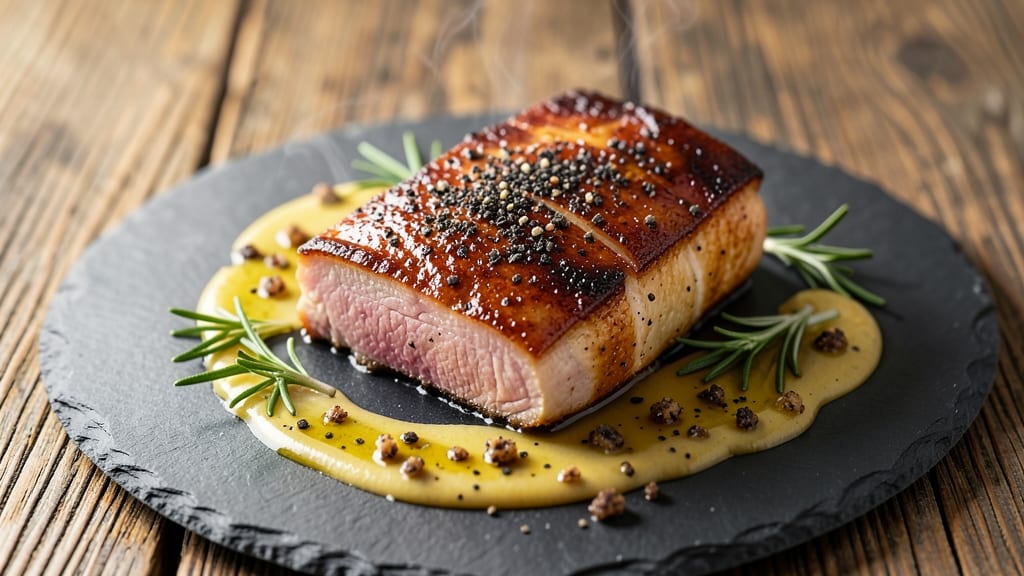
This 2.5 lb pork tenderloin recipe delivers melt-in-your-mouth tenderness with a reverse-sear technique that locks in juices while creating a perfect crust. After years of perfecting this method, I can confidently say this is the only way to cook pork tenderloin—no dry, overcooked disappointment here.
The secret lies in slow cooking to an ideal temperature before finishing with high heat for that coveted caramelized exterior.
What sets this recipe apart is the balance of simplicity and precision. You'll start with a basic seasoning blend of salt, pepper, and garlic powder—no complicated marinades or fancy rubs required.
The real magic happens in the cooking process: a gentle oven bake to 140°F followed by a quick sear in a screaming-hot pan.
This two-step method ensures your pork stays juicy and tender from edge to edge, with a crust that's crisp enough to stand up to even the most delicate garnishes.
The result is a perfectly pink center with just a hint of carryover cooking, surrounded by a golden-brown crust that's rich and flavorful. This isn't your average pork tenderloin—it's restaurant-quality meat that's foolproof to execute at home.
The technique works equally well on the grill or in your oven, making it versatile for any cookout or weeknight dinner.
Serve it sliced thick with a drizzle of pan juices, or pair it with roasted vegetables and a crisp white wine for a complete meal.
The beauty of this recipe is its adaptability—whether you're feeding a crowd or treating yourself to a special dinner, this pork tenderloin will be the star of the show. Let's get started on creating your juiciest pork yet.
Ingredients for 2.5 lb pork tenderloin
Simple seasoning meets precise technique for restaurant-quality pork tenderloin every time.
| Ingredient | Amount | Notes |
|---|---|---|
| Pork Tenderloin 🥩 | 2 ½ lb | Center-cut, trimmed of silver skin |
| Kosher Salt 🧂 | 1 ½ tsp | Diamond Crystal preferred, freshly ground |
| Freshly Ground Black Pepper 🌶️ | 1 tsp | Cracked peppercorns for maximum aroma |
| Garlic Powder 🧄 | 1 tsp | Freshly toasted for deeper flavor |
| Unsalted Butter 🧈 | 4 tbsp | Cold, cut into 8 equal pieces |
| Extra-Virgin Olive Oil 🫒 | 2 tbsp | High smoke point, fruity variety |
| Fresh Rosemary 🌿 | 1 sprig | Finely chopped, fresh only |
| Fresh Thyme 🌿 | 1 sprig | Leaves only, finely chopped |
| Yellow Onion 🧅 | 1 whole | Peeled, cut into 8 wedges |
| Fresh Lemon 🍋 | 1 whole | Juiced, seeds strained out |
| Vegetable Oil 🫒 | 2 tbsp | For oven roasting, high smoke point |
| Dried Parsley 🌿 | 1 tbsp | For garnish, finely chopped |
The pork tenderloin is the star here—center-cut is non-negotiable for even cooking. Most butchers will trim the silver skin for you, but if you're doing it yourself, use a sharp knife to avoid tearing the meat. I always grab mine from Whole Foods or Costco—their cuts are consistently high-quality. For the herbs, fresh is a must; dried just won't cut it. The fresh rosemary and thyme add depth without overpowering, and they're worth the extra minute to chop finely. If you're short on time, you can use 1/2 tsp dried rosemary but fresh gives that restaurant-quality aroma.
No garlic powder? Fresh garlic is ideal—mince 2 cloves and toast them lightly in the butter before seasoning. The butter is key here: cold and cubed ensures it renders beautifully during the sear. For the olive oil, California avocado oil has a higher smoke point if you're worried about burning. The lemon juice brightens everything up, so don't skip it—even if you're not serving it on the plate. If you're making this ahead, the pork can sit seasoned in the fridge for up to 8 hours before cooking, which is perfect for meal prep.
This recipe reheats beautifully—just warm it gently in the oven with a splash of water or broth to keep it moist. Store leftovers in an airtight container for up to 3 days or freeze for 3 months. The pan juices are liquid gold—save them in a jar and drizzle over sliced pork for extra flavor. For presentation, a sprinkle of fresh parsley and a thin slice of lemon makes all the difference. The reverse-sear method means you can't overcook this pork—it's foolproof for even beginner cooks.
Why You'll Love This Recipe
- The secret’s in the layers: a dry rub of garlic powder and pepper lets the pork soak up flavor, while the melted butter at the end turns it into something ridiculously juicy. (Yes, even my kids fight over the last piece.)
- Foolproof Timing: I swear by this method—just 20 minutes of hands-on work, then let the oven do the heavy lifting. No babysitting required, and that butter-basted crust? Worth every second of waiting.
- Garlic Butter Magic: The secret’s in the layers: a dry rub of garlic powder and pepper lets the pork soak up flavor, while the melted butter at the end turns it into something ridiculously juicy. (Yes, even my kids fight over the last piece.)
- Weeknight to Dinner Party: Same recipe, different vibes—throw it on a sheet pan for a lazy Tuesday, or elevate it with roasted potatoes and greens for company. Honestly, I’ve served this to both my book club and my grumpy uncle, and no one complained.
Step-by-step instructions for juicy reverse-seared pork tenderloin
Here's how to cook pork tenderloin that stays juicy pink inside with a perfectly crisp exterior.
Prep and Season the Pork Tenderloin
Pat the 2.5 lb pork tenderloin completely dry with paper towels—this step can't be skipped. You want it bone-dry so the seasoning sticks and the crust forms properly. Place it on a plate and generously coat all sides with the 1.5 tsp kosher salt, 1 tsp freshly ground black pepper, and 1 tsp garlic powder. I like to press the seasoning into the meat so it penetrates slightly.
Let the seasoned pork sit at room temperature for 30 minutes while you prep everything else. This helps the meat cook more evenly. While it rests, finely chop the 1 sprig fresh rosemary and 1 sprig fresh thyme leaves—you'll need these for the butter mixture later.
Low-Temperature Oven Roast to Perfect Doneness
Preheat your oven to 400°F and place a wire rack on a baking sheet. Rub the pork tenderloin lightly with the 2 tbsp extra-virgin olive oil to help it brown later. Place the pork on the rack and roast for 20-25 minutes until the internal temperature reaches 140°F on an instant-read thermometer. You're aiming for medium-rare here—this is the magic of reverse searing.
Don't peek at the oven during cooking or you'll lose heat. The pork should look pale pink inside when you check the thermometer. Remove it from the oven and let it rest on a cutting board for 10 minutes while you prepare the finishing step. This resting time is crucial for juiciness.
Create the Herb Butter for Searing
While the pork rests, cut the 4 tbsp unsalted butter into 8 equal pieces. In a small bowl, mix together the chopped rosemary, thyme, and the zest from the 1 whole fresh lemon (no need to juice it yet). Wrap each butter piece in a tiny square of aluminum foil and press a few small pieces of the herb mixture into each one.
Here's the thing—this herb butter will melt during searing and create an incredible crust while basting the meat. The lemon zest adds a bright contrast to the rich pork. Keep these butter packets handy as you'll use them in the next step.
High-Heat Sear for Crispy Perfection
Heat a large skillet over high heat until it's screaming hot. Add the 2 tbsp vegetable oil and let it shimmer for about 30 seconds. Place the rested pork tenderloin in the skillet and sear for 2-3 minutes per side until it develops a deep golden-brown crust. This is where the magic happens—the high heat creates that beautiful crust while the inside stays perfectly cooked.
During the last minute of searing, add the herb butter packets to the skillet. The butter will melt and baste the pork, adding incredible flavor and helping create that glossy finish. You'll know it's done when the crust is deep golden brown and the internal temperature reaches 145°F—this should take about 1-2 minutes with the butter.
Rest and Serve with Lemon Sauce
Transfer the seared pork to a cutting board and let it rest for another 10 minutes. This final rest is what makes the difference between dry pork and melt-in-your-mouth perfection. While it rests, juice the 1 whole fresh lemon (strain out the seeds) and mix it with any pan juices from the skillet.
Slice the pork into ½-inch thick medallions against the grain and serve immediately with the lemon sauce drizzled over the top. Each piece should be juicy pink inside with a crispy golden crust. The herb butter will have created little flavor pockets throughout the meat, making every bite extraordinary.
Pro Tips For Making 2.5 Lb Pork Tenderloin
- Pat Dry First: I learned this the hard way—wet pork tenderloin won’t brown worth a damn. Grab paper towels and really dry the surface before hitting the pan. That crust? It’s what turns a good roast into a showstopper.
- Salt Like It’s 1950: Start with a full tablespoon of kosher salt on the tenderloin before you even think about cooking. I used to be shy with salt, but pork tenderloin needs it—especially when you’re pairing it with unsalted butter later. Trust me, your taste buds will notice.
- Don’t Crowd the Pan: If you’re searing, give that pork space—no overlapping. I once tried to rush it and ended up with steamed butter instead of crispy edges. A hot pan and a little patience make all the difference.
- Butter Bath Matters: After searing, pour that melted butter over the pork while it’s still in the pan—don’t skip this. The garlic powder and pepper will cling to the butter, basting the meat as it roasts. (Yes, even if you’re impatient like me.)
Flavor customization for this dish
Herb-Infused Variations
Swap the rosemary and thyme for fresh sage and parsley—this Italian-inspired combo adds earthy depth while keeping the dish bright. I like using 2 sprigs fresh sage (finely chopped) and 1 tbsp chopped parsley in the herb butter.
For a Mediterranean twist, add 1 tsp dried oregano to the seasoning blend before roasting. Fresh herbs make all the difference, but if you're short on time, 1/2 tsp dried sage works in a pinch. 🌿
Spicy Kick Options
Add 1/2 tsp smoked paprika or 1/4 tsp cayenne pepper to the initial seasoning for a subtle heat. For a bolder kick, mix 1 tbsp gochujang (Korean chili paste) into the herb butter before searing.
I’ve also had success with 1 tsp chili flakes sprinkled over the finished slices—just enough to wake up the flavors without overpowering. Trust me, a little heat elevates this dish to new heights. 🌶️
Sweet and Tangy Glaze
Brush the pork with a honey-mustard glaze during the final sear for a sweet-tangy contrast. Mix 2 tbsp Dijon mustard, 1 tbsp honey, and 1 tsp lemon juice, then baste the pork with half the mixture in the last 2 minutes of searing.
The glaze caramelizes beautifully, adding a glossy finish. For extra richness, add 1 tbsp melted butter to the glaze. This works especially well with the herb butter for a balanced flavor profile.
Smoky BBQ Twist
Transform this into a smoky BBQ-style tenderloin by adding 1/2 cup BBQ sauce (I love Sweet Baby Ray’s Original) in the final 5 minutes of roasting. After searing, brush the sauce over the pork and finish under the broiler for 1-2 minutes to create a sticky, caramelized crust.
The smoky-sweet flavors pair perfectly with the herb butter’s brightness. This version is a crowd-pleaser at summer cookouts. 🔥
Citrus Brightening
Boost the lemon flavor by adding 1 tbsp orange zest to the herb butter or using orange juice instead of lemon in the finishing sauce. The citrus notes cut through the richness of the pork beautifully.
For a tropical twist, add 1/2 tsp grated ginger to the seasoning blend—it adds a warm, zesty kick that complements the reverse-sear technique perfectly. Fresh citrus is key here, so don’t skip the zest!
Umami Depth Additions
Enhance the savory profile by adding 1 tsp soy sauce or 1/2 tsp fish sauce to the herb butter. The umami depth pairs surprisingly well with the pork’s natural sweetness. For a richer flavor, mix 1 tbsp miso paste into the glaze or sauce.
These additions work especially well if you’re serving the pork with bold sides like roasted Brussels sprouts or a miso-glazed eggplant. 💫
Nutrition facts
Frequently asked questions
Can I cook a 2.5 lb pork tenderloin on the grill instead of the oven?
The reverse-sear method works beautifully on the grill! Start by preheating your grill to medium-high (375°F) and cooking the pork indirectly for 20-25 minutes until it reaches 140°F internally. Then move it to direct high heat for 2-3 minutes per side to create the crust. Use the same herb butter technique for maximum flavor. Just be sure to have a reliable thermometer handy.
What if my pork tenderloin is smaller or larger than 2.5 lbs?
Adjust cooking times based on weight: 1 lb = 12-15 minutes to 140°F, then 1-2 minutes per side for searing. For 4+ lbs, increase oven time by 5-7 minutes per pound but keep the sear time the same. The key is reaching 140°F before searing—never rush the low-temperature step or you'll dry out the meat.
Why does the recipe call for resting the pork twice?
The first 10-minute rest after oven cooking lets juices redistribute evenly, while the second 10-minute rest after searing locks them in for maximum tenderness. Skipping rests can make the meat dry and firm. Think of it like letting a cake cool before slicing—patience ensures perfect results. The crust will stay intact while the interior stays juicy.
Can I make this ahead of time?
Yes! Season the pork and refrigerate it uncovered for up to 8 hours to dry the surface for better browning. Cook it straight from the fridge (add 5-10 minutes to oven time). For make-ahead servings, slice and store in an airtight container for 3 days or freeze for 3 months. Reheat gently in the oven with a splash of water to prevent drying.
What's the best way to slice pork tenderloin?
Always slice against the grain (perpendicular to the muscle fibers) for maximum tenderness. Use a sharp knife and cut into ½-inch thick medallions. For even slices, tie the tenderloin with kitchen twine before cooking, then slice after removing the twine. Never force the knife—let the meat's natural shape guide your cuts for clean, even pieces.