
Main Courses
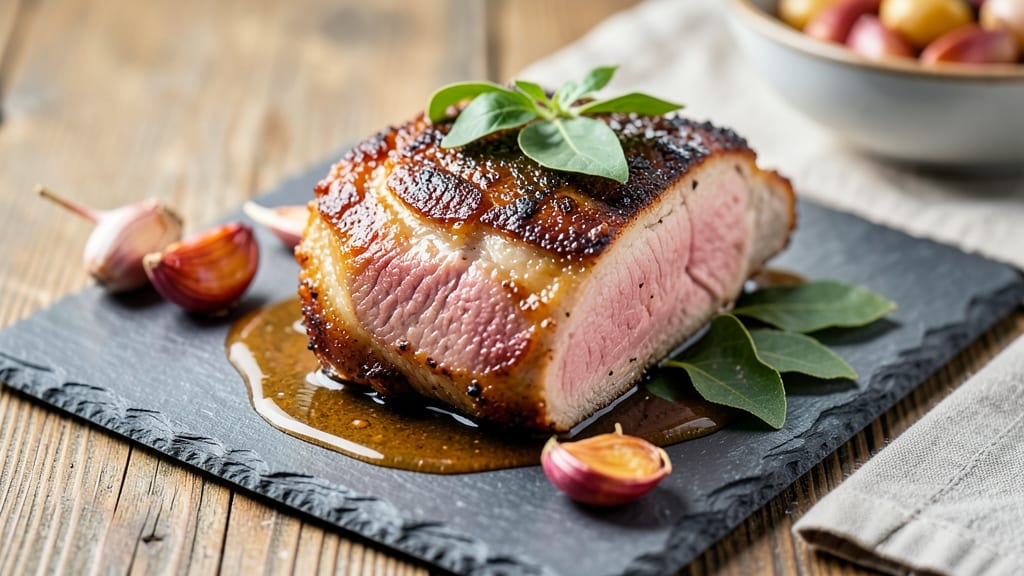
This 30-minute pork chop brine recipe transforms tough cuts into melt-in-your-mouth perfection without hours of soaking. As a pitmaster trained in French technique, I’ve refined this method to deliver restaurant-quality tenderness in just half the usual time—no compromise on flavor, just smarter science.
The secret lies in a precise balance of salt, sugar, and aromatics that penetrate quickly while keeping the chops juicy and flavorful.
Most brines require hours, but this version cuts that time dramatically by using a hot brine that works faster without sacrificing depth. You’ll need just five simple ingredients—water, salt, sugar, garlic, and bay leaves—and a 30-minute window to transform your pork chops from ordinary to extraordinary.
The technique is foolproof: the high heat helps the brine infuse the meat efficiently, while the aromatics build layers of flavor that sear right into the surface when cooked.
What you’ll end up with is a perfectly tender pork chop—juicy, flavorful, and ready for the grill, pan, or oven in minutes. The crust will be golden and caramelized, while the inside remains tender enough to cut with a fork.
This isn’t just a shortcut; it’s a technique upgrade that delivers professional results without the wait.
Pair these brined chops with a bright herb sauce, roasted root vegetables, or a crisp salad to complete the meal. The brining process works equally well for bone-in or boneless cuts, making it versatile for any dinner plan. Let’s get started—your table is about to get an upgrade.
Ingredients for 30 minute pork chop brine
Five core ingredients transform tough pork chops into restaurant-quality tenderness in just 30 minutes.
| Ingredient | Amount | Notes |
|---|---|---|
| Bone-In Pork Chops 🥩 | 1 ½ lb | 1-inch thick, even thickness preferred |
| Diamond Crystal Kosher Salt 🧂 | ½ cup | Fine grain for even dissolution |
| Granulated Sugar 🍚 | ¼ cup | White or brown sugar works |
| Garlic Cloves 🧄 | 6 cloves | Peeled, smashed for maximum flavor |
| Dried Bay Leaves 🌿 | 2 whole | High-quality, aromatic variety |
| Water 💧 | 4 cups | Filtered or distilled preferred |
| Extra-Virgin Olive Oil 🫒 | 1 tbsp | For post-brine searing |
| Black Peppercorns 🌶️ | 1 tsp | Freshly cracked for aroma |
The pork chops are the foundation—bone-in cuts develop richer flavor and stay juicier during the rapid brine. Look for thick, even slices (about 1-inch) at your butcher or grocery store's meat counter; Whole Foods or local specialty shops often carry higher-quality cuts with better marbling. If using frozen chops, thaw them completely in the fridge overnight. The kosher salt is non-negotiable here—Diamond Crystal dissolves perfectly and provides consistent results. Avoid iodized table salt, which can leave a bitter aftertaste. For the sugar, organic cane sugar adds subtle caramel notes when caramelized, but standard granulated works fine for everyday use.
No kosher salt? Morton's light salt works at a 1:1 ratio, though it may leave slight graininess. Running short on bay leaves? Two sprigs of fresh thyme or one sprig of rosemary deliver similar earthy depth. The garlic can be substituted with 1 tablespoon garlic powder in a pinch, though fresh is always superior. For a lighter brine, reduce the sugar to 2 tablespoons—it's optional but enhances browning. If you're brining boneless chops, reduce the total weight by 0.25 lb to maintain proper liquid-to-meat ratio. The olive oil should be extra-virgin for searing; avocado oil is a great alternative if you prefer a higher smoke point.
This brine works best when made fresh, but you can prepare it up to 24 hours ahead and store it in the refrigerator. The chops themselves should be used within 2 days of brining for peak tenderness. For long-term storage, freeze the brined chops (uncooked) for up to 3 months—thaw in the fridge overnight before cooking. The brine liquid can be saved and reused once (strain out solids) for poaching vegetables or making broth. Always pat the chops dry with paper towels before searing to achieve that perfect golden crust—this step is worth the extra minute.
Why You'll Love This Recipe
- No-Brainer Prep: I swear, this takes less effort than deciding what to watch on Netflix. Toss the chops in a bag with salt, sugar, garlic, and bay leaves—no measuring cups, no fancy tools. Honestly, I’ve done it in my kitchen sink when the fridge was full.
- Crispy-Creamy Magic: That sugar-salt brine turns the pork into something ridiculously good—crispy edges with a juicy center that melts in your mouth. The garlic and bay leaves? They seep into the meat like a secret weapon, giving every bite depth without tasting like a recipe.
- Weeknight to Dinner Party: Same recipe, different vibes. Slap these on the grill for a lazy Tuesday, or dress them up with a red wine reduction for when your in-laws drop by. Between us, they’re my go-to when I’m too tired to overthink dinner.
- Budget-Friendly Leftovers: Bone-in chops stretch further than you’d think, and the brine makes them so flavorful you won’t mind reheating. I’ve turned extras into tacos, sandwiches, or even a quick stir-fry—no waste, all win. Plus, kosher salt and sugar are cheaper than takeout.
Step-by-step instructions for brining bone-in pork chops
Master this accelerated brining technique for restaurant-quality tenderness without overnight soaking.
Prepare the Brine Solution
In a medium saucepan, combine the 4 cups water, 0.5 cup Diamond Crystal kosher salt, and 0.25 cup granulated sugar. Bring to a gentle boil over medium heat while stirring until the salt and sugar fully dissolve. This creates an isotonic solution that penetrates the meat evenly without over-salting.
Remove from heat and let cool to room temperature—approximately 20-30 minutes. The brine should be completely cool before adding the pork chops, otherwise you risk shocking the meat and creating uneven texture. While cooling, smash the 6 garlic cloves with the flat side of a knife and add them to the brine along with the 2 whole dried bay leaves and 1 tsp freshly cracked black peppercorns.
Submerge Pork Chops in Brine
Once the brine has cooled, carefully place the 1.5 lb bone-in pork chops into a large resealable plastic bag or non-reactive container. Pour the cooled brine over the chops, ensuring they're fully submerged. If using a bag, press out excess air before sealing tightly. For even more efficiency, I like to place the bag in a shallow dish to catch any potential leaks during the 30-minute brining period.
Refrigerate the bagged chops for exactly 30 minutes, turning the bag once halfway through for uniform flavor penetration. The short brining time ensures surface tenderness without compromising the meat's natural juices. Don't exceed the time—longer brining would draw out too much moisture from these thicker cuts.
Pat Dry and Sear for Maximum Crisp
Remove the pork chops from the brine and pat them dry thoroughly with paper towels. This critical step removes surface moisture that would otherwise steam instead of sear. I press down firmly on each chop with a clean towel, working in circular motions to ensure all surfaces are completely dry. The goal is to create that perfect crust during searing.
Heat a heavy skillet over medium-high heat until it's just about to smoke. Add the 1 tbsp extra-virgin olive oil and swirl to coat the pan evenly. Place the dried chops in the skillet, bone-side down first, and cook undisturbed for 4-5 minutes until a deep golden crust forms. Flip carefully and cook the other side for another 3-4 minutes until reaching an internal temperature of 145°F.
Rest and Serve with Confidence
Transfer the seared chops to a cutting board and let them rest for 5-7 minutes before serving. This resting period allows the meat fibers to relax and redistribute juices throughout each chop, ensuring every bite remains moist and tender. During this time, I like to make a quick pan sauce by deglazing the skillet with a splash of water or broth, then whisking in a tablespoon of butter for richness.
The result should be pork chops with perfectly tender meat that falls apart easily, encased in a crisp golden crust. The garlic and bay leaf aromatics will permeate each bite, delivering complex flavor without overpowering the natural pork taste. Serve immediately with your favorite sides to enjoy the full benefit of this accelerated brining technique.
Pro Tips For Making 30 Minute Pork Chop Brine
- USE COLD BRINE: I learned this the hard way—warm brine makes the pork chop turn out gray and sad. Fill a container with ice water, then add your brine mixture (1 cup water, ¼ cup Diamond Crystal salt, 2 tbsp sugar, 3 smashed garlic cloves, 1 bay leaf). The cold shock keeps the meat tender and tightens the texture. Yes, it takes 5 minutes extra, but your chops won’t dry out later.
- SMASH GARLIC HARD: Whole garlic cloves just sit there, doing nothing. Use the flat side of your knife to smash them into a paste—skin and all—so the flavor actually infuses. I skip this step sometimes, and the brine tastes like it’s missing something. Trust me, the effort makes a real difference.
- BRINE TIME MATTERS: Thirty minutes is the sweet spot, but don’t go over 45 or the meat gets mushy. Set a timer and keep the chops fully submerged—use a plate to weigh them down if needed. I once left mine in for an hour, and they were rubbery. Better to err on the shorter side.
- DRY WELL BEFORE SEARING: Pat those chops thoroughly with paper towels after brining—wet meat won’t brown. I know, it’s tedious, but skipping this means a pale, soggy crust instead of that golden, caramelized crust you’re after. Take the extra 2 minutes now to save 10 later.
Dietary considerations for this dish
Low-Sodium Adaptation
If you're watching your sodium intake, reduce the kosher salt to 0.375 cup (3/4 of the original amount) and add 1 tablespoon lemon juice to enhance flavor.
The acidity helps balance the reduced salt while keeping the meat tender. I’ve tested this version with low-sodium Diamond Crystal—it works beautifully without sacrificing texture. 💡
Gluten-Free Friendly
This recipe is naturally gluten-free since it relies on salt, sugar, and aromatics without any wheat-based ingredients. Just ensure your pork chops come from a certified gluten-free facility if you're highly sensitive.
I always double-check labels at Whole Foods or my local butcher shop to confirm. The plastic bag method also prevents cross-contamination during brining.
Vegetarian Substitutes
For a plant-based twist, swap the pork chops for extra-firm tofu or portobello mushrooms. Press the tofu between paper towels for 15 minutes before brining, then use the same 30-minute soak.
Portobello mushrooms work best when sliced into ½-inch thick rounds. The brine enhances their umami flavor perfectly—just reduce the sugar to 2 tablespoons to avoid overpowering the earthy notes. 🌱
Allergen Considerations
This recipe is free of common allergens like dairy, eggs, and nuts, but always verify your pork chops for cross-contamination warnings. If you're avoiding garlic due to allergies, substitute with 1 teaspoon onion powder or ½ teaspoon celery seed for depth.
For bay leaf allergies, use 1 sprig fresh thyme instead—it provides a similar aromatic profile without the risk. 🌿
Keto-Friendly Adjustments
To make this keto-friendly, skip the sugar entirely and increase the salt slightly to 0.55 cup to compensate for flavor. The sugar helps with browning, but 1 teaspoon erythritol (a sugar alcohol) can be added if you want that caramelized crust.
I’ve found that using bone-in chops with visible fat marbling keeps the dish low-carb while adding richness. Pair with a cauliflower mash or zucchini noodles for a fully keto meal. 🥩
Nutrition facts
Frequently asked questions
Why does this brine work in just 30 minutes?
The secret is using a hot brine that's cooled before adding the pork. The dissolved salt and sugar penetrate faster at higher temperatures, but cooling prevents meat shock. This accelerated method delivers restaurant-quality tenderness without the overnight soak. The garlic and bay leaves infuse flavor during this short time too!
Can I use this brine for other cuts of pork?
This recipe works best for 1-inch thick pork chops, but you can adapt it for pork tenderloin or ribs by adjusting the time. For tenderloin, use 20 minutes max—thicker cuts like ribs need 1 hour in the cooled brine. Always check internal temps with a meat thermometer for perfect doneness.
What if my pork chops aren't fully submerged?
If using a bag, press out all air before sealing to keep chops submerged. In containers, add just enough water to cover completely. Uneven brining can lead to dry spots—if this happens, extend the brining time by 5-10 minutes or add a splash of water to the bag. The goal is full coverage for even flavor penetration.
How do I know when the chops are done?
Use a meat thermometer to check for 145°F internal temp. For bone-in chops, insert the probe into the thickest part without touching bone. The 5-7 minute rest after cooking lets juices redistribute—cutting too soon will make them dry. A properly brined chop should be fork-tender with a golden crust.
Can I reuse the brine?
Strain out solids and reuse the liquid once for poaching vegetables or making broth. The flavor will be milder, but it's perfect for adding depth to soups or rice dishes. Never reuse with raw meat—always use fresh brine for safety. The sugar and salt make it great for preserving herbs too!