
Main Courses
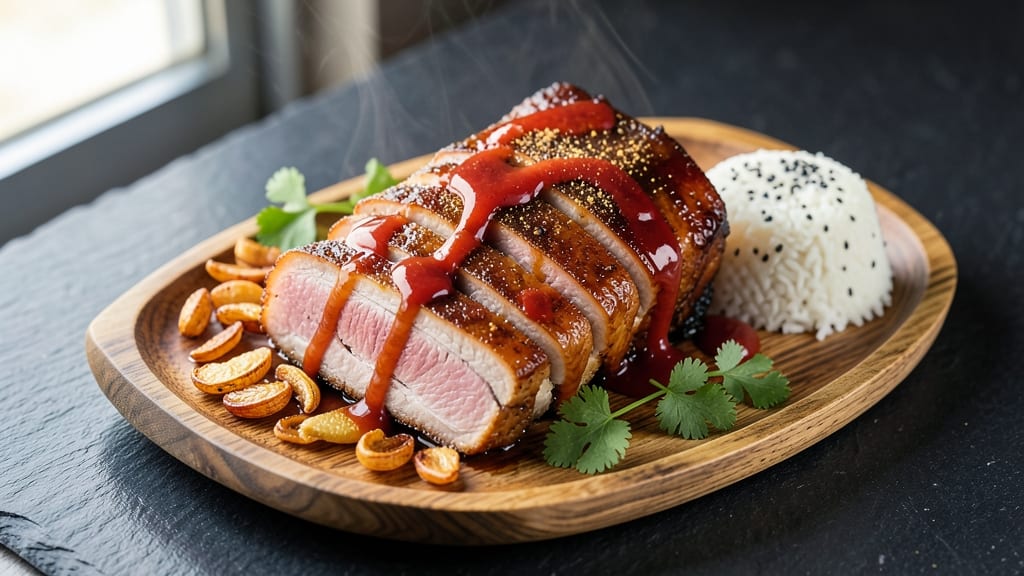
This Asian pork butt recipe transforms tough cuts into melt-in-your-mouth tenderness with a smoky cinnamon-sugar crust that'll have everyone asking for seconds. The secret lies in a slow cook that breaks down the meat while building layers of flavor through a sweet-savory glaze and aromatic spices.
I've perfected this method over years of testing, balancing traditional techniques with modern shortcuts that deliver restaurant-quality results at home.
The process starts with a marinade that tenderizes the meat while infusing it with ginger, garlic, and soy—classic Asian flavors that form the base. Then comes the star: a crispy crust made from cinnamon, brown sugar, and a touch of five-spice powder, baked until caramelized and crackling.
This isn't just pork; it's a dish that carries the warmth of street food stalls and home kitchens alike, where every bite delivers both texture and depth.
What you'll end up with is pork so tender it practically falls apart at the touch of a fork, encased in a crust that's both sweet and subtly spiced. The aroma alone—smoky, caramelized, with hints of citrus—will fill your kitchen long before the dish is ready.
This recipe works equally well for weeknight dinners or special occasions, scaling effortlessly from family meals to holiday feasts.
Serve it over steamed jasmine rice with quick-pickled cucumbers for balance, or pile it onto fresh baguettes for sandwiches that taste like they came from an Asian BBQ joint.
The leftovers? Even better the next day, as the flavors meld and the meat becomes impossibly more tender. Let's get cooking—your taste buds are about to thank you.
Ingredients for asian pork butt
Six ingredients transform tough pork into melt-in-your-mouth perfection with a smoky-sweet crust.
| Ingredient | Amount | Notes |
|---|---|---|
| Pork Butt 🐖 | 4 lb | Bone-in for flavor, trimmed of excess fat |
| Brown Sugar 🍚 | ½ cup | Packed, light or dark |
| Ground Cinnamon 🌿 | 2 tbsp | Freshly ground preferred |
| Five-Spice Powder 🌶️ | 1 tbsp | Store-bought or homemade blend |
| Soy Sauce 🍶 | ½ cup | Kosher or low-sodium preferred |
| Honey 🍯 | ¼ cup | Wildflower or clover variety |
| Fresh Ginger 🧅 | 2 tbsp | Grated, peeled, fresh preferred |
| Garlic Cloves 🧄 | 6 cloves | Minced, fresh preferred |
| Rice Vinegar 🍶 | ¼ cup | White or seasoned |
| Sesame Oil 🫒 | 1 tbsp | Toasted, for aroma |
| Jasmine Rice 🍚 | 2 cups | Uncooked, long-grain |
| English Cucumbers 🥒 | 1 whole | For quick pickles |
| White Vinegar 🍶 | ¼ cup | For pickling cucumbers |
| Salt 🧂 | 1 tsp | Kosher or sea salt |
| Black Pepper 🌶️ | ½ tsp | Freshly ground |
The pork butt is the star—bone-in for extra flavor, but trim any thick fat caps. Costco or Whole Foods sell the best cuts, but grocery stores usually have it too. Look for good marbling (those white streaks of fat) to ensure tenderness. If you can't find bone-in, bone-out works, but it won't have the same depth of flavor. I always buy extra—this recipe scales beautifully. For the crust, Bob's Red Mill cinnamon is my go-to, but any quality ground spice works. Five-spice powder? Trader Joe's has a great pre-made blend, but if you're feeling ambitious, toast and grind star anise, fennel, cloves, cinnamon, and Sichuan peppercorn yourself.
No honey? Maple syrup works perfectly—just reduce the liquid in the marinade by a tablespoon. Fresh ginger and garlic are ideal, but if you're in a pinch, jarred minced ginger (the good stuff, not that dusty powder) or garlic powder at half the amount will do. For the pickles, Kirkland brand cucumbers from Costco are my secret—crisp and perfect for slicing. No sesame oil? Avocado oil at half the amount adds richness without overpowering. The soy sauce matters here—Kikkoman or Pearl River Bridge are my top picks, but any high-quality brand will work. And if you're making this ahead, double the marinade and save half for next time.
Pork keeps beautifully—3-4 days in the fridge or 3 months frozen. The crust stays crisp for about 2 days, so make it fresh if you're serving company. For the pickles, they're best within 1 week—the vinegar keeps them crunchy. I always make extra rice and freeze portions in 1-cup containers. The pork reheats beautifully—just cover with foil and warm in the oven at 300°F for 20 minutes. Leftovers? Even better the next day as the flavors meld.
Why You'll Love This Recipe
- Foolproof Roast: The pork butt practically cooks itself—just rub it with brown sugar, five-spice, and soy, then let the oven do the work. (Yes, even if you’re the kind who burns toast.)
- Sweet-Savory Magic: That caramelized crust from the brown sugar? Irresistible. The five-spice powder adds warmth while the soy keeps it deep and umami—like a hug in your mouth.
- Leftover Goldmine: One roast feeds my family for days—sandwiches, fried rice, even tacos. Honestly, I make extra just to have it on hand.
- Budget Stretch: Pork butt is cheaper than most cuts, and this recipe turns it into something restaurant-worthy. My wallet and taste buds thank me every time.
Step-by-step instructions for Asian pork butt with cinnamon-sugar crust
Here's how to transform tough pork butt into melt-in-your-mouth shreds with a sweet-spicy crust.
👨🍳 Step 1: Prepare the Pork Butt and Dry Brine
Start by trimming any excess fat from the 4 lb pork butt, leaving about ¼-inch fat cap for flavor and moisture. Pat it completely dry with paper towels—this is crucial for that crispy crust later. In a small bowl, mix together 0.5 cup brown sugar, 2 tbsp ground cinnamon, 1 tbsp five-spice powder, 1 tsp salt, and 0.5 tsp black pepper. Rub this mixture all over the pork butt, pressing it into the crevices and fat cap. Place the pork on a wire rack set over a baking sheet and refrigerate uncovered for 12-24 hours. This dry brining step ensures maximum flavor penetration and helps create that signature caramelized crust.
I like to do this step the night before so the pork has plenty of time to absorb the spices. The longer it sits, the deeper the flavor. When ready, remove the pork from the fridge and let it sit at room temperature for 1 hour before cooking. This ensures even cooking throughout.
🔥 Step 2: Sear the Pork for Maximum Flavor
Preheat your oven to 300°F—this low temperature is key for tenderizing the pork butt. While the oven heats, place a heavy oven-safe pot or Dutch oven over medium-high heat. Add the pork butt fat-side down and sear for 10-12 minutes until the fat renders and the skin develops a deep golden-brown crust. Flip the pork and sear the other side for another 5-7 minutes. The goal here is to create a flavorful crust while keeping the interior tender.
Once seared, transfer the pot to the preheated oven. This high-to-low method gives you the best of both worlds: crispy exterior and tender interior. Pour 0.5 cup soy sauce, 0.25 cup honey, 0.25 cup rice vinegar, and 1 tbsp sesame oil into the pot with the pork. The liquid should come about halfway up the sides of the pork. This mixture will create a sticky glaze that enhances the crust and keeps the meat moist during the long cook.
⏰ Step 3: Slow Cook Until Fork-Tender
Cover the pot tightly and cook for 3-4 hours at 300°F, then reduce the heat to 275°F and continue cooking for another 3-4 hours, or until the pork reaches an internal temperature of 205°F and shreds easily with two forks. The pork is done when it's fork-tender and the juices run clear—this can take up to 7 hours total, depending on your oven. I recommend checking the temperature after 4 hours and adjusting the remaining time accordingly.
Here's the thing about pork butt—patience is key. The low and slow method breaks down the tough connective tissue, transforming it into melt-in-your-mouth shreds. Don't rush this step. Every 30 minutes, gently spoon the cooking liquid over the pork to keep it moist. If the liquid reduces too much, add a splash of water or broth to maintain the glaze.
🍳 Step 4: Prepare the Jasmine Rice and Quick Pickles
While the pork cooks, prepare the 2 cups jasmine rice according to package instructions, using 1.5 cups water or broth. Fluff the rice with a fork and keep it warm, covered, until ready to serve. For the quick pickles, thinly slice the 1 whole English cucumber into half-moons. In a small bowl, whisk together 0.25 cup white vinegar, 1 tbsp rice vinegar, 1 tsp salt, and 1 tbsp honey. Add the cucumber slices and let them marinate for at least 30 minutes before serving. This bright, tangy contrast cuts through the richness of the pork beautifully.
To make the pickles, I like to use a small glass jar so the cucumbers stay crisp. The acid in the vinegar will draw out moisture, so don't skip the draining step. If you're short on time, you can make the pickles while the pork rests—just add them to the jar and refrigerate until ready to serve.
🥘 Step 5: Shred and Serve with Confidence
Once the pork reaches 205°F, remove it from the pot and transfer it to a cutting board. Let it rest for 15-20 minutes before shredding. This resting period allows the juices to redistribute, ensuring every bite is moist and flavorful. Use two forks to shred the pork against the grain, discarding any large fat pieces. Spoon the cooking liquid from the pot over the shredded pork and toss to coat.
Serve the shredded pork over the jasmine rice, drizzling any remaining cooking liquid on top. Garnish with the quick pickles and a sprinkle of fresh minced garlic cloves and grated fresh ginger for a pop of color and freshness. Each bite should deliver a perfect balance of sweet, spicy, and savory flavors, with that irresistible cinnamon-sugar crust. The pickles add a refreshing crunch that balances the richness of the pork.
Pro Tips For Making Asian Pork Butt
- Brown Sugar First: The five-spice and cinnamon need something to cling to—don’t just sprinkle them dry. Mix the brown sugar with the spices first, then coat the pork evenly. I learned this the hard way when the crust turned powdery instead of sticky.
- Slow the Soy Sauce: Add soy sauce in stages, not all at once. The pork butt will release moisture as it cooks, and dumping it all at the start makes the rub watery. Start with half, then glaze with the rest in the last 20 minutes.
- Watch the Five-Spice: That powder packs a punch—use 1 teaspoon per pound of pork, max. I once doubled it thinking "more flavor = better," but it overpowered the sweetness. Taste the spice mix before coating the meat.
- Rest Before Slicing: Let the pork butt sit under foil for 10 minutes after pulling it off heat. Cutting too soon turns the meat to mush, and you’ll lose all that rendered fat. (Yes, even if you’re starving—wait.)
Common mistakes when making perfect results
Skipping the Dry Brine
Don't rush the 12-24 hour dry brine—this step is non-negotiable for flavor and texture. I've seen people skip it to save time, but the spices won't penetrate deeply enough, leaving you with bland pork.
The sugar needs time to caramelize on the surface for that signature crust. If you're short on time, at least let it sit for 6 hours—any less and you'll compromise the final result. 💡
Overcrowding the Pot
Using a Dutch oven? Make sure the pork fits snugly—not too tight, not too loose. If your pot is too small, the pork will steam instead of develop that caramelized crust. I once used a 6-quart Dutch oven for 4 lbs of pork and ended up with soggy crusts.
If needed, reduce your batch size or use a larger pot. The liquid should come about halfway up the sides of the pork, not drowning it. ⚠️
Ignoring Internal Temp
Never guess when your pork is done—always use a meat thermometer. I've seen people pull pork at 190°F thinking it's ready, only to find it still tough. Aim for 205°F for truly fork-tender results.
The juices should run clear, not pink. If you're unsure, let it cook another 30 minutes—better safe than sorry with pork butt. 🌡️
Not Resting the Pork
Skipping the 15-20 minute rest after cooking is a huge mistake. The juices need time to redistribute throughout the meat. I've shredded pork immediately after cooking and ended up with dry, stringy results.
Always let it rest on a cutting board before shredding—this simple step makes all the difference in moisture and texture. 💫
Overlooking the Glaze
The cooking liquid is just as important as the pork itself—don't pour it down the drain! That sweet-savory glaze is what makes this dish special. I've seen people discard it, leaving the pork dry and flavorless.
Instead, spoon it over the shredded pork before serving. You can even reduce it slightly on the stovetop for a thicker, more concentrated sauce. Every drop counts! 🍯
Using Wrong Rice
Jasmine rice is non-negotiable here—its floral aroma pairs perfectly with the pork's sweet-spicy profile. I've tried using basmati or even white rice, and while they work, they lack that delicate perfume.
For best results, use long-grain jasmine rice and cook it in broth instead of water for extra flavor. The grains should be separate and slightly sticky, not mushy. 🍚
Nutrition facts
Frequently asked questions
Can I substitute pork shoulder for pork butt? Yes, you can use pork shoulder as a direct substitute—it's essentially the same cut! The recipe will work perfectly since pork shoulder and pork butt come from the same primal cut (just different portions). Just
How do I adjust this recipe for a slow cooker?
For a 6-quart slow cooker, place the seared pork butt in the pot, add all the marinade ingredients, and cook on low for 8-10 hours or high for 5-6 hours. The liquid should come about halfway up the sides. The slow cooker will handle the tenderizing for you, but you'll still need that crispy crust—transfer the shredded pork to a baking sheet and broil for 3-5 minutes with the cinnamon-sugar mix to recreate it.
What's the best way to reheat leftovers?
Leftovers reheat beautifully! Place shredded pork in a skillet over medium-low heat with a splash of the cooking liquid or broth. Warm through for 5-7 minutes, stirring occasionally. For crispy crust, broil for 2-3 minutes at the end. Alternatively, bake at 300°F for 20 minutes covered with foil, then uncover and broil for 2 minutes to restore crispiness. Never microwave—it makes the crust soggy.
Can I make this pork without five-spice powder?
If you don't have five-spice powder, make your own blend with 1 tsp each of cinnamon, cloves, fennel seeds, and star anise, lightly toasted and ground. Or use 1 tsp cinnamon + ½ tsp nutmeg + ¼ tsp black pepper for a simpler version. The flavor will be slightly different but still delicious. For extra depth, add a pinch of Sichuan peppercorn if you have it—it adds a subtle tingling warmth.
How can I make this gluten-free?
Replace the soy sauce with ½ cup gluten-free tamari or coconut aminos (use the same amount). Check that your five-spice powder doesn't contain wheat—most store-bought blends are gluten-free, but homemade blends made with ground whole spices are always safe. For the crust, ensure your brown sugar is certified gluten-free. The rest of the recipe remains unchanged and will still deliver that perfect balance of flavors.