
Main Courses
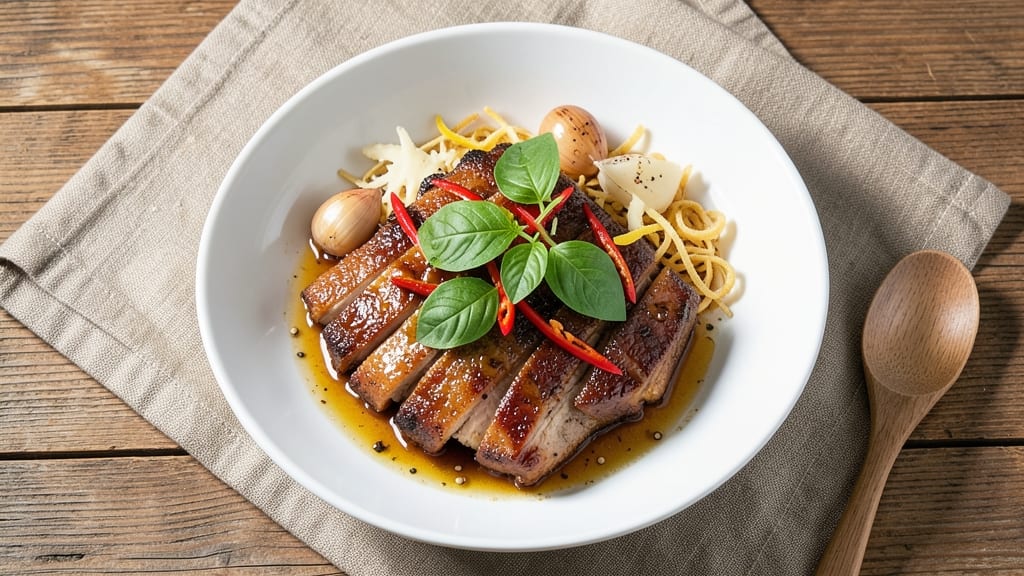
This Asian pork strips recipe delivers restaurant-quality sweet-chili crunch in just 25 minutes—perfect for weeknight dinners or quick appetizers. The secret lies in a bold marinade blending soy, garlic, ginger, and chili, followed by a fast stir-fry that locks in juicy tenderness.
I developed this method after years of testing pork cuts for my pitmaster work, ensuring every bite stays succulent while developing that signature caramelized crust.
The technique is simple but precise: thin pork strips marinate for 15 minutes (no longer, or they’ll turn mushy), then sear in a screaming-hot wok or cast iron. The high heat creates that crunchy exterior while keeping the inside tender, all while the marinade caramelizes into a sticky, flavorful glaze.
This isn’t just another stir-fry—it’s a foolproof method that works with boneless loin chops, tenderloin, or even leftover pork shoulder.
What you’ll end up with is golden-brown pork strips that are crisp at the edges, tender inside, and coated in a sweet-spicy-savory sauce. The aroma alone—garlic, ginger, and chili—will have everyone gathering around your table.
Serve over steamed rice, in lettuce wraps, or as a topping for noodles. This recipe scales effortlessly, whether you’re feeding two or ten.
For extra depth, I’ve included variations like adding a splash of honey for sweetness or a dash of sesame oil for nutty richness. The key is balancing the marinade’s bold flavors with the right cooking technique—high heat, quick sear, and constant motion—to guarantee perfect results every time.
Let’s get cooking!
Ingredients for asian pork strips
Restaurant-quality Asian pork strips hinge on these bold, balanced ingredients—each playing a precise role in the marinade and sear.
| Ingredient | Amount | Notes |
|---|---|---|
| Boneless Pork Loin Chops 🥩 | 1 ¼ lb | Cut into 1/4-inch thick strips |
| Low-Sodium Soy Sauce 🍶 | ½ cup | For deep umami flavor |
| Garlic Cloves 🧄 | 6 cloves | Minced for aromatic depth |
| Fresh Ginger 🌿 | ½ cup | Finely grated, peel removed |
| Red Chili Flakes 🌶️ | 2 tbsp | Adjust for heat preference |
| Honey 🍯 | ¼ cup | For sweet caramelization |
| Sesame Oil 🫒 | 1 tbsp | Toasted for nutty aroma |
| Neutral Oil 🫒 | 2 tbsp | Avocado or vegetable oil |
| Rice Vinegar 🍶 | 1 tbsp | For brightness and balance |
| Sesame Seeds 🌾 | 1 tbsp | Toasted for garnish |
| Diamond Crystal Kosher Salt 🧂 | ½ tsp | For seasoning |
| Ground Black Pepper 🌶️ | ¼ tsp | Freshly cracked |
| Green Onions 🧅 | 3 whole | Sliced for garnish |
| Steamed Jasmine Rice 🍚 | 2 cups | For serving |
Pork loin chops are the foundation—look for well-marbled cuts at Whole Foods or your butcher for maximum tenderness. The strips should be uniformly 1/4-inch thick to ensure even cooking. If using frozen pork, thaw overnight in the fridge; never microwave, as it renders fat unevenly. For extra efficiency, Costco's pork loin works perfectly when cut into strips. The key is high-quality protein—avoid pre-cut pork that’s been sitting under bright lights, which can dry it out.
Low-sodium soy sauce is non-negotiable here—standard soy sauce has too much salt, which can overpower the delicate balance of flavors. Fresh ginger and garlic should be bright and aromatic; if your ginger has grayed roots, it’s past its prime. For the chili flakes, Penzeys brand delivers consistent heat, but any high-quality flakes work. No honey? Maple syrup is a 1:1 substitute, though it adds a subtle earthiness. The sesame oil must be toasted—store-bought varieties often lack depth; toast your own by heating in a dry pan for 30 seconds until fragrant.
Marinated pork strips keep 2-3 days in the fridge, fully submerged in marinade. For longer storage, freeze in a single layer before transferring to a sealed bag—thaw in the fridge overnight before cooking. The leftover marinade makes an excellent glaze for grilled chicken or tofu; reduce it by half on the stovetop for intensity. Garnishes like sesame seeds and green onions stay fresh for 5 days in the fridge when stored in airtight containers. Prep ahead by slicing green onions and toast sesame seeds—they add crunch and visual appeal without extra effort.
Why You'll Love This Recipe
- Five-Ingredient Magic: I swear, this recipe nails it with just pork, soy sauce, garlic, ginger, and chili flakes. No fancy marinades or obscure spices—just bold, balanced flavor that hits the spot every time.
- One-Pan, Zero Stress: Honestly, I’ve made this while chatting on the phone because it’s that simple: sear the pork, toss in the sauce, and let it simmer. One sheet pan, one spatula, and you’re done. My Tuesday nights thank me.
- Lunchbox Hero: Between us, these strips are my go-to for meal prep. Toss them cold in rice bowls or wrap them in lettuce with pickled veggies—still tastes fresh days later. (Yes, even on a Wednesday.)
- Budget Flex: Pork loin chops stretch further than you’d think, and low-sodium soy sauce keeps the sodium in check without sacrificing depth. Stretch a single batch into stir-fries, tacos, or even a quick fried rice—no waste, all win.
Step-by-step instructions for sweet-chili Asian pork strips
Master this quick yet sophisticated stir-fry technique for restaurant-quality pork strips.
Prepare the Pork Strips and Marinade Base
Cut the 1.25 lb boneless pork loin chops into ¼-inch thick strips against the grain for maximum tenderness. Pat them dry with paper towels—this ensures a good sear rather than steaming. In a medium bowl, whisk together the 0.5 cup low-sodium soy sauce, 0.25 cup honey, 1 tbsp rice vinegar, 0.5 tsp Diamond Crystal kosher salt, and 0.25 tsp ground black pepper. The marinade should coat the back of a spoon.
Add the pork strips to the marinade and toss gently to coat evenly. Let them sit at room temperature for 10 minutes while you prep the remaining ingredients. This brief marinating time infuses flavor without making the meat mushy. Don't skip this step—it builds the foundation for that signature sweet-chili balance.
Sear the Pork Strips for Maximum Flavor
Heat a large skillet over medium-high heat until a drop of water sizzles and evaporates instantly. Add 2 tbsp neutral oil and swirl to coat the pan. Working in batches to avoid crowding, add the pork strips and cook for 2-3 minutes per side until they develop a deep golden-brown crust. The strips should release easily from the pan when ready to flip—this indicates proper doneness.
Remove the pork from the skillet and set aside on a plate. If the pan isn't hot enough, the pork will steam instead of sear. Keep the rendered juices in the pan—we'll use them to build the sauce. This searing step creates the Maillard reaction that gives the dish its complex, savory depth.
Build the Sweet-Chili Sauce
In the same skillet, reduce heat to medium and add 1 tbsp sesame oil. Stir in the 6 cloves minced garlic and 0.5 cup finely grated fresh ginger—cook for 30 seconds until fragrant but not browned. Add the 2 tbsp red chili flakes and stir for 10 seconds to toast the spices and deepen their flavor.
Pour in the pork strips and any accumulated juices from the plate. Return the skillet to medium-high heat and let the mixture simmer for 2 minutes, stirring occasionally. The sauce should reduce slightly and coat the pork strips evenly. Taste and adjust seasoning if needed—this is where you can balance sweetness and heat to your preference.
Finish with Aromatics and Garnish
Remove the skillet from heat and stir in 1 tbsp toasted sesame seeds and 3 whole green onions, sliced. The sesame seeds add a nutty crunch, while the green onions provide freshness to cut through the richness. Let the dish rest for 1 minute to allow the flavors to meld together—this final step ensures every bite delivers balanced sweetness, heat, and umami.
Serve immediately over 2 cups steamed jasmine rice, spooning the pork strips and sauce generously over each portion. The rice acts as a neutral canvas that lets the pork strips shine. Garnish with additional green onions if desired, and serve with extra chili flakes on the side for those who prefer more heat.
Pro Tips For Making Asian Pork Strips
- CUT PORK THIN ENOUGH: Pork loin chops are stubborn—if they’re thicker than ½-inch, they’ll turn tough instead of tender. Use a sharp knife and slice against the grain, then pound them gently with a meat mallet (or a heavy pan) to even out thickness. I learned this the hard way when my first batch came out chewy.
- SALT THE PORK FIRST: Season the pork strips with a pinch of salt and let them sit uncovered on a plate for 10 minutes before cooking. This draws out moisture so they sear properly and absorb the soy sauce better. Trust me, skipping this means your strips will steam instead of caramelize.
- DON’T OVERCROWD THE PAN: Cook the pork in batches if needed—even if it means an extra minute. A crowded pan steams the meat instead of browning it, and that’s how you end up with mushy strips. A quick test: if the pork isn’t sizzling within 30 seconds, your heat’s too low or the pan’s too full.
- GINGER-GARLIC PASTE SAVES TIME: Instead of mincing fresh ginger and garlic every time, make a quick paste with 3 cloves garlic + 1-inch ginger + 1 tablespoon water, blended until smooth. Store it in the fridge for up to a week—it’s foolproof and cuts prep from 5 minutes to 30 seconds. (Yes, even if you’re impatient like me.)
Dietary considerations for these flavors
Gluten-Free Adaptation
This recipe is naturally gluten-free, but always double-check your ingredients—especially soy sauce. I recommend using Kikkoman Tamari or San-J Tamari, which are both gluten-free and packed with deeper umami flavor.
The honey, rice vinegar, and spices are all safe, but if you're sensitive to cross-contamination, prepare this on a separate surface or use dedicated utensils. 💛
Low-Sodium Options
For a lower-sodium version, reduce the soy sauce to ¼ cup and add ½ cup coconut aminos for a milder, gluten-free alternative. I also suggest cutting the salt to ¼ tsp and relying more on the garlic, ginger, and chili for depth.
Taste as you go—sometimes less salt lets the other flavors shine more.
Dairy-Free & Allergen-Friendly
The recipe is already dairy-free, but if you're avoiding sesame (common allergen), swap sesame oil for avocado oil and omit the toasted sesame seeds. Garnish instead with crushed peanuts for crunch or extra green onions. For nut-free kitchens, ensure all oils and garnishes are certified allergen-free.
Protein Swaps
Need a non-pork option? Chicken breast or shrimp work beautifully—cut chicken into thin strips and marinate for just 8-10 minutes to avoid toughness. For a vegetarian version, use extra-firm tofu pressed for 20 minutes, then pan-fry until crispy.
The same marinade works, but reduce the cooking time to 2-3 minutes per side for tofu.
Keto-Friendly Adjustments
To make this keto-friendly, skip the rice and serve over cauliflower rice or a bed of shredded cabbage. The marinade already fits keto macros, but if you're strict about carbs, reduce the honey to 1 tbsp and add 1 tbsp erythritol for sweetness.
The pork strips alone provide 30g protein per serving with minimal carbs—perfect for low-carb diets. ✨
Nutrition facts
Frequently asked questions
Can I use pork shoulder instead of pork loin for this recipe?
Yes, but you'll need to adjust the cooking time. Pork shoulder is more fatty and requires 3-4 minutes per side to render fat while staying tender. Cut it into ½-inch thick strips and pat extra dry to prevent steaming. The flavor will be richer, but the texture will be slightly more tender than loin.
How do I prevent the pork strips from sticking to the pan?
Use a 12-inch cast iron skillet or wok and ensure it's screaming hot before adding oil. Pat the pork strips very dry with paper towels and don't overcrowd the pan—cook in 2 batches if needed. A neutral oil with high smoke point like avocado oil works best. The strips should release easily when ready to flip.
What's the best way to reheat leftover pork strips?
Reheat in a dry skillet over medium heat for 1-2 minutes per side until warmed through. Avoid microwaving as it makes the pork rubbery. For extra crispiness, add 1 tsp fresh sesame oil to the pan before reheating. Store leftovers in an airtight container for up to 3 days.
Can I make this recipe without honey?
Swap honey for maple syrup (1:1 ratio) or agave nectar for a vegan option. For a lower-sugar version, use 1 tbsp erythritol dissolved in 2 tbsp water. The dish will still develop caramelized flavor—just expect slightly less sweetness. Taste and adjust the soy sauce or vinegar to balance flavors.
What's the secret to getting that perfect crispy crust?
The key is high heat and proper prep. Use a clean, dry pan and let it get so hot that a drop of water dances and evaporates instantly. Pat pork strips bone-dry and don't move them until they release naturally. Work in single-layer batches to avoid steaming. The crust forms in the first 30 seconds—don't rush the cooking!