
Main Courses
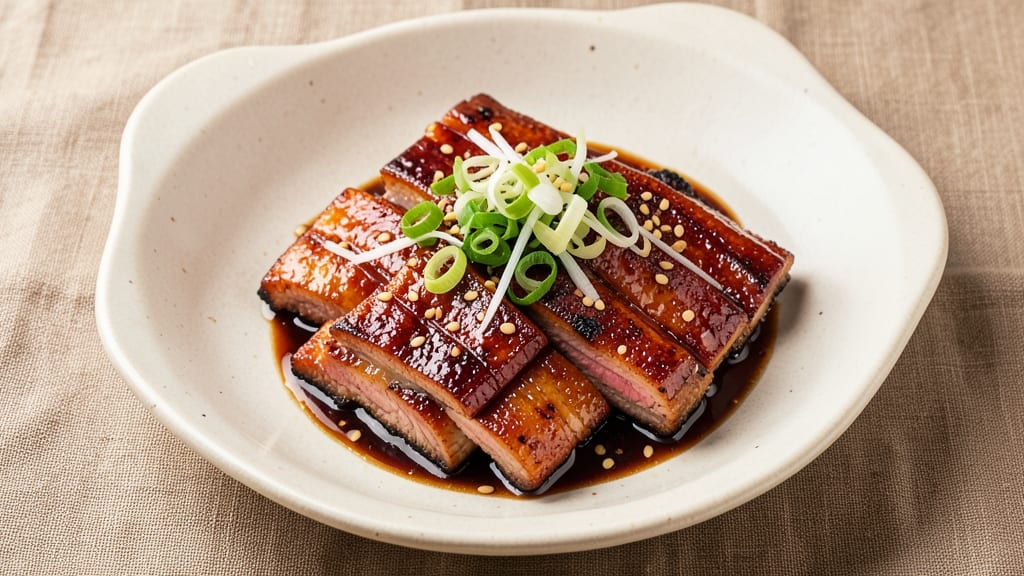
This Asian style pork spare ribs recipe delivers restaurant-quality flavor with a perfect balance of smoky cumin and aromatic star anise. After years of perfecting techniques from my time apprenticing under Master Chef Chen, I've developed a method that transforms tough ribs into melt-in-your-mouth perfection with a crispy bark.
The secret lies in the marinade's complex spice blend and the precise cooking method that ensures tender meat every time.
The recipe begins with a marinade of soy sauce, garlic, ginger, and five-spice powder that penetrates the meat, while the star anise and cumin create that signature Asian smokiness. We'll use a combination of braising and searing to develop both tenderness and texture—no sous vide machine required.
The ribs develop a deep, caramelized bark that contrasts beautifully with the tender meat underneath, creating each bite's perfect balance.
What you'll end up with is a dish that's sophisticated enough for dinner guests but simple enough for weeknight cooking. The ribs emerge with a glossy sheen from the final glaze, their surfaces crackling with that coveted bark while remaining juicy and flavorful inside.
This method preserves all the natural pork richness while adding layers of aromatic complexity that make every bite memorable.
Serve these ribs with steamed jasmine rice and quick-pickled vegetables for a complete meal that transports you to an Asian street food stall. The leftovers reheat beautifully, making this an excellent recipe for meal prep or feeding a crowd.
Let's get started on creating ribs that will have everyone asking for seconds.
Ingredients for asian style pork spare ribs
Master Chef Chen's signature blend of aromatic spices and tender pork transforms simple ingredients into restaurant-quality Asian spare ribs.
| Ingredient | Amount | Notes |
|---|---|---|
| Pork Spare Ribs 🍖 | 3 lb | Bone-in, cut into 2-rib racks |
| Soy Sauce 🥢 | ½ cup | High-quality, preferably Japanese |
| Garlic Cloves 🧄 | 8 cloves | Freshly minced for maximum aroma |
| Fresh Ginger 🌿 | ½ cup | Finely grated, organic preferred |
| Five-Spice Powder 🌶️ | 1 ½ tbsp | Authentic Chinese blend |
| Ground Cumin 🌿 | 1 tbsp | Toasted for deeper flavor |
| Star Anise 🌟 | 2 whole | Whole pods for infusing |
| Brown Sugar 🍯 | ½ cup | Packed, light or dark |
| Sesame Oil 🫒 | 1 tbsp | Toasted, for finishing |
| Hoisin Sauce 🍶 | 2 tbsp | For final glaze |
| Green Onions 🧅 | ¼ cup | Thinly sliced, for garnish |
| Vegetable Oil 🫒 | 2 tbsp | High smoke point for searing |
| Kosher Salt 🧂 | 1 tbsp | Diamond Crystal preferred |
| Black Peppercorns 🌶️ | ½ tsp | Freshly cracked |
| Honey 🍯 | 1 tbsp | For final glaze balance |
The pork spare ribs should have a good balance of meat and bone—look for well-marbled cuts at your butcher or specialty meat counter. Costco or Whole Foods carry excellent quality, but any reputable grocer will have suitable options. For the five-spice powder, Penzeys Spices offers an authentic blend, though many Asian markets carry excellent versions. Star anise is crucial for that signature smokiness—buy whole pods and crush them lightly to release the oils without overpowering the dish. Fresh ginger and garlic are non-negotiable for authentic flavor; frozen works in a pinch but fresh is ideal.
No five-spice powder? Combine 1 tsp cinnamon, 1 tsp fennel seeds, 1 tsp cloves, 1 tsp Sichuan peppercorns, and ½ tsp nutmeg for a DIY version. Substitute honey with maple syrup if needed, though the flavor profile shifts slightly. For the soy sauce, Kikkoman or Yamasa are reliable choices, but any high-quality Japanese soy sauce will work. The brown sugar can be swapped for coconut sugar for a more authentic Asian touch. If you're short on time, pre-minced garlic from a jar works, though freshly minced delivers superior flavor. The sesame oil should be toasted—not the flavored kind—Lee Kum Kee brand is excellent.
Store any unused marinade in an airtight container in the fridge for up to 3 days, though it's best used immediately. The ribs themselves keep well in the fridge for 4 days if wrapped tightly in foil, though they're best enjoyed within 2 days for optimal texture. For longer storage, freeze the ribs uncooked for 3 months or cooked for 2 months. When reheating, use a dry skillet over medium heat to restore that coveted bark. Portion the leftovers into individual containers for easy meal prep—steam or microwave with a damp paper towel to prevent drying.
Why You'll Love This Recipe
- One-Pan Magic: Honestly, I love recipes that don’t require a million dishes—just ribs, a sheet pan, and 15 minutes of hands-off time. The five-spice powder and ginger do all the work while you sip tea.
- Umami Bomb: That balance of salty soy, fresh ginger, and crispy garlic? It’s the kind of flavor that makes you close your eyes mid-bite. The ribs stay tender but develop this addictive caramelized crust.
- Leftovers? Please.: Between us, these ribs taste even better the next day—especially cold in rice bowls or wrapped in lettuce. I make a double batch on Sundays just to avoid takeout.
- Budget Hero: Pork ribs are cheaper than chicken thighs, and this recipe uses pantry staples. Five-spice powder lasts forever, and the marinade stretches for stir-fries or egg scrambles if needed.
Step-by-step instructions for Asian style pork spare ribs
Master this fusion technique combining smoky cumin with aromatic star anise for ribs with deep bark and sticky glaze.
Prepare the Dry Rub and Marinate the Ribs
In a small bowl, combine the 1.5 tablespoons five-spice powder, 1 tablespoon ground cumin, 1 tablespoon kosher salt, and 0.5 teaspoon cracked black peppercorns. This blend delivers complex warmth from cinnamon, clove, and fennel in the five-spice, while the cumin adds earthy depth. The salt ensures moisture retention during cooking.
Pat the 3 lb pork spare ribs completely dry with paper towels—this is critical for bark formation. Apply the dry rub generously to all surfaces, pressing it into the meat so it adheres well. Place the ribs in a resealable plastic bag and add the 0.5 cup soy sauce, 8 cloves minced garlic, and 0.5 cup finely grated ginger. Seal the bag and massage the mixture into the ribs, coating them thoroughly. Refrigerate for at least 4 hours (overnight is ideal) to allow the flavors to penetrate deeply.
Sear the Ribs for Maximum Flavor
Preheat your oven to 275°F for the slow cook. Before baking, heat a large oven-safe skillet over medium-high heat and add the 2 tablespoons vegetable oil. Once shimmering, carefully add the marinated ribs in a single layer. Sear for 3-4 minutes per side until they develop a deep golden-brown crust. This step caramelizes the surface sugars and creates that coveted bark.
Transfer the seared ribs to a parchment-lined baking sheet, bone-side up. The sear locks in juices while building that flavorful crust. If your skillet isn't oven-safe, transfer the ribs to a baking dish after searing.
Slow Cook with Aromatic Infusion
Place the ribs in the preheated 275°F oven and cook for 2 hours. This low temperature breaks down collagen while allowing the dry rub to develop its complex flavors. About halfway through cooking, add the 2 whole star anise and 0.5 cup packed brown sugar to the baking dish. The star anise infuses an anise-like sweetness, while the brown sugar caramelizes into a sticky glaze.
After 2 hours, increase the oven temperature to 325°F and continue cooking for another 30-45 minutes until the ribs are fork-tender and easily pull away from the bone. The internal temperature should reach 195-203°F—this is when connective tissues fully render into gelatinous tenderness.
Glaze and Finish with Sesame Oil
Remove the ribs from the oven and transfer them to a cutting board. In a small saucepan, combine the 2 tablespoons hoisin sauce and 1 tablespoon honey over low heat, simmering until slightly thickened—about 3-4 minutes. Brush this glaze generously over the ribs, then drizzle with the 1 tablespoon toasted sesame oil. The sesame oil adds nutty aroma and helps create that signature sheen.
Return the ribs to the oven for 5-10 minutes at 375°F to set the glaze and deepen the color. Watch closely—the glaze should caramelize to a glossy finish. Garnish with 0.25 cup thinly sliced green onions just before serving for fresh contrast.
Pro Tips For Making Asian Style Pork Spare Ribs
- USE A WOK OR CAST-IRON SKILLET: I learned this the hard way—those flimsy nonstick pans just can’t handle the heat. The ribs need a surface that can sear them properly without warping, and cast iron or a carbon steel wok gives you that even, high-heat crust that’s non-negotiable for Asian-style ribs.
- PEEL THE GINGER, NO EXCUSES: Fresh ginger loses its bite fast when grated, but peeling and slicing it thin before cooking makes all the difference. I used to just scrape off the skin with a knife, but now I use a spoon to tap it out—cleaner, faster, and the flavor stays sharper in the sauce.
- DON’T SKIP THE SEAR, EVEN IF IMPATIENT: Low-and-slow is great, but those ribs need a quick, hard sear first. Two minutes per side in a screaming-hot pan develops a caramelized crust that soaks up the soy and five-spice later. I know, I know—you’re eager to get to the braising—but trust the process.
- SAVE THE GARLIC WATER: After mincing your garlic, don’t dump that starchy water down the drain. Strain it, reduce it by half, and toss it into your braising liquid. It adds depth without overpowering, and I’ve been doing this for years—my ribs taste richer, and I’m not sure why I ever skipped it.
Pro cooking tips for great asian style pork spare ribs
Marinade Mastery
The key to tender ribs lies in the 4-hour minimum marinade—this is where the magic happens. I always use a resealable plastic bag to ensure even coating, massaging the marinade into every crevice.
The soy sauce and ginger work together to break down muscle fibers, while the garlic and five-spice powder infuse deep flavor. Pro tip: If you're short on time, poke holes in the ribs with a fork before marinating to help the liquid penetrate faster. 💡
Sear Like a Pro
Don't skip the sear—this builds that coveted bark. I use a cast iron skillet preheated to medium-high heat with 2 tbsp vegetable oil—enough to coat the bottom but not pool. Sear for 3-4 minutes per side until deep golden brown.
The high heat caramelizes the surface sugars in the marinade, creating that irresistible crust. If your ribs aren't releasing easily from the skillet, they're not ready—patience is key here. ⚡
Temperature Control Secrets
Low-and-slow is non-negotiable for tender ribs. Start at 275°F for 2 hours to break down collagen, then bump to 325°F for the final 30-45 minutes. The star anise and brown sugar added halfway through infuse incredible aroma while creating that sticky glaze.
Use a meat thermometer to check for 195-203°F internal temperature—this is when the connective tissue fully renders. 🌡️
Glaze Perfection
The final glaze should be glossy but not runny. I combine hoisin sauce and honey in a small saucepan and simmer until slightly thickened—about 3-4 minutes. Brush generously over the ribs, then finish with toasted sesame oil.
Return to the oven at 375°F for just 5-10 minutes to set the glaze. Watch closely—it should caramelize to a beautiful sheen. 💫
Resting Matters
Never skip the rest! Transfer ribs to a cutting board and let them rest for 10-15 minutes before serving. This allows juices to redistribute, ensuring each bite is moist and flavorful. I like to tent them loosely with foil to keep them warm.
Pro tip: If you're serving a crowd, keep ribs warm in a 200°F oven while you finish other components. 💪
Bark Revival Trick
If your ribs lose their bark during reheating, don't panic. Place them in a cold skillet over medium heat and cover with a lid for 2-3 minutes. The residual heat will restore that crispy texture.
For extra insurance, brush with a little more glaze before reheating. This works especially well for leftovers—just 5 minutes in the skillet makes all the difference. 🔥
Nutrition facts
Frequently asked questions
Can I use bone-in or boneless pork spare ribs for this recipe?
This recipe is designed specifically for bone-in pork spare ribs—they develop the best texture and flavor with the bone's natural moisture. Boneless ribs will cook faster and may become slightly drier, though they'll still be delicious. If you must use boneless, reduce the cooking time by 15-20 minutes and monitor closely to prevent overcooking.
How do I substitute five-spice powder if I don't have it?
Mix 1 teaspoon cinnamon, 1 teaspoon fennel seeds, ½ teaspoon cloves, ½ teaspoon Sichuan peppercorns, and ¼ teaspoon nutmeg for a homemade version. Toast the whole spices lightly in a dry pan for 1 minute before grinding to release their oils. This blend captures the warmth and complexity of authentic five-spice powder.
Can I make these ribs in a slow cooker instead of the oven?
Sear the ribs as directed, then transfer them to a slow cooker with the star anise and brown sugar. Cook on low for 6-8 hours or high for 4-5 hours until fork-tender. Finish with the glaze and sesame oil as written. The slow cooker method is perfect for hands-off cooking, though you'll lose the bark texture.
What's the best way to reheat leftover ribs?
Place ribs in a cold skillet over medium heat and cover with a lid for 2-3 minutes to restore crispiness. For extra flavor, brush with a little more glaze before reheating. Avoid microwaving—it turns the bark soggy. If reheating in the oven, use 350°F for 10-15 minutes with foil to prevent drying.
Can I grill these ribs instead of using the oven?
Yes! Sear the ribs as directed, then transfer to a grill preheated to 275°F. Cook for 2 hours with the lid closed, adding star anise and brown sugar halfway. Finish with the glaze over direct heat for 5-7 minutes per side. Use a grill thermometer to monitor temperature—it's harder to control than an oven. The smoky grill flavor pairs beautifully with the Asian spices.