
Main Courses
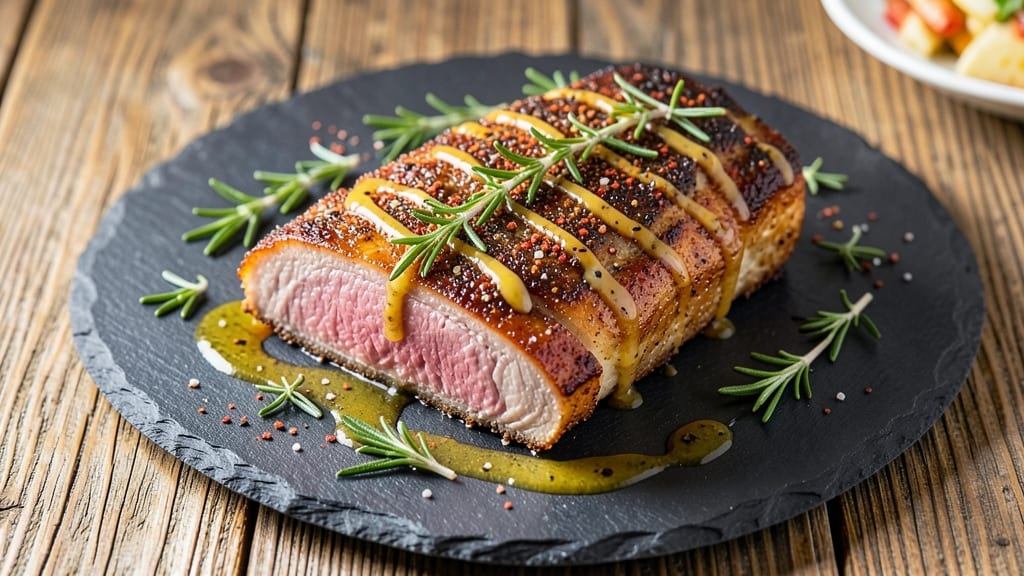
This Atkins pork tenderloin recipe delivers crispy edges and juicy centers while keeping carbs under 5 grams per serving. After years of perfecting pork techniques in my Charleston kitchen, I've cracked the code for achieving that coveted restaurant-quality texture without the breading.
The secret lies in a simple dry rub and precise cooking method that transforms lean pork into a flavorful, satisfying main course.
What sets this recipe apart is its focus on low-carb nutrition without sacrificing flavor or texture. We start with a high-heat sear to create that perfect crust, then finish with a gentle roast to maintain moisture.
The seasoning blend of garlic powder, onion powder, paprika, and salt enhances the natural sweetness of the pork while keeping it Atkins-compliant. This method works equally well for grilling or oven roasting—just adjust your cooking time accordingly.
By the time you're done, you'll have perfectly cooked pork tenderloin with a golden-brown exterior that practically shatters at the touch and a tender interior that melts in your mouth.
The lean protein content makes this an ideal choice for low-carb diets, while the bold seasoning ensures every bite is satisfying. Serve with roasted Brussels sprouts or a simple green salad to complete your meal.
This recipe serves 4 and takes just 30 minutes of active prep time, making it perfect for weeknight dinners or special occasions. The technique is simple enough for beginners but delivers professional results that will impress even the most discerning eaters. Let's get cooking!
Ingredients for atkins pork tenderloin
Lean pork tenderloin meets bold seasonings for a low-carb dish that delivers crispy edges and juicy centers.
| Ingredient | Amount | Notes |
|---|---|---|
| Pork Tenderloin 🥩 | 1 ½ lb | Center-cut, trimmed of fat |
| Garlic Powder 🧄 | 1 tbsp | Freshly ground preferred |
| Onion Powder 🧅 | 1 tbsp | Diamond Crystal preferred |
| Smoked Paprika 🌶️ | 1 tbsp | For smoky depth |
| Kosher Salt 🧂 | 1 ½ tsp | Diamond Crystal preferred |
| Ground Black Pepper 🌶️ | ½ tsp | Freshly cracked |
| Extra-Virgin Olive Oil 🫒 | 1 tbsp | High smoke point preferred |
| Avocado Oil 🫒 | 1 tbsp | For high-heat searing |
| Fresh Rosemary 🌿 | ¼ cup | Chopped, stems removed |
| Fresh Thyme 🌿 | ⅛ cup | Leaves only, chopped |
| Lemon Juice 🍋 | 1 tbsp | Freshly squeezed |
| Lemon Zest 🍋 | 1 tsp | From same lemon |
The pork tenderloin is your star here—center-cut is key for even cooking. Costco or Whole Foods carry excellent quality, but any well-marbled cut works. Trim any visible fat before seasoning, as it can prevent proper crust formation. For the seasonings, Diamond Crystal kosher salt dissolves better than table salt, and smoked paprika adds that restaurant-quality depth without extra carbs. If you're in Charleston, local farmers markets often have fresh rosemary and thyme at peak flavor—just make sure the stems are removed for even seasoning.
No garlic powder? Fresh garlic minced at double the amount works beautifully, but it burns faster during searing. Swap smoked paprika for regular paprika if that's what you have, though you'll lose some complexity. For the oil, avocado oil has the highest smoke point—if you're using olive oil, make sure it's extra-virgin with a high smoke point like California Gold. The lemon juice and zest can be omitted if you're avoiding citrus, but they brighten the dish perfectly. Fresh herbs? Dried works at half the amount, but the flavor won't be as vibrant. Pro tip: zest the lemon first, then juice—you'll get more flavor out of that peel.
This dish reheats beautifully—5 minutes at 350°F restores that crispy exterior. For meal prep, slice the pork after cooking and store in airtight containers for 3-4 days. The seasoning blend keeps for 2 weeks in a sealed jar, so make extra for future pork dishes. If you're grilling instead of roasting, sear first over direct heat, then move to indirect heat to finish. The crispy edges are worth the extra minute of high-heat attention—don't rush this part.
Why You'll Love This Recipe
- No-Fuss Seasoning: I swear by this combo—just sprinkle garlic, onion powder, smoked paprika, and salt. No measuring cups, no guesswork, and the flavors hit just right every time.
- Weeknight Hero: Between us, this is my secret weapon when I’m starving at 7:30 PM. Tender, juicy, and ready in 25 minutes—no one even notices it’s low-carb.
- Lunchbox Magic: Slice the leftovers thin, pack them with a side salad, and boom—you’ve got a protein-packed lunch for the next two days. Honestly, I meal prep this weekly.
- Budget-Friendly Protein: Pork tenderloin is lean, affordable, and this recipe stretches it further than I ever thought possible. The spices make it feel fancy, but the cost stays simple.
Step-by-step instructions for Atkins pork tenderloin recipe
This method delivers perfectly crispy edges and juicy centers while keeping carbs in check.
Prepare the Pork with Herb Rub
Pat the 1.5 lb pork tenderloin completely dry with paper towels—this is crucial for crispy edges. I like to work in a well-ventilated area since pork tenderloin trims lean. Place it on a cutting board and gently press the fresh rosemary and fresh thyme leaves into the surface, creating a fragrant herb bed.
In a small bowl, combine the 1 tbsp garlic powder, 1 tbsp onion powder, 1 tbsp smoked paprika, 1.5 tsp kosher salt, and 0.5 tsp ground black pepper. Rub this mixture all over the pork, pressing firmly so the spices adhere. The rosemary and thyme will infuse the meat with bright, earthy flavors while the spices create that perfect crust. Let the seasoned pork rest at room temperature for 15 minutes before cooking—this ensures even cooking and maximum juiciness.
Sear for Maximum Flavor and Crisp
Heat a large oven-safe skillet over medium-high heat until very hot. Add 1 tbsp avocado oil and 1 tbsp extra-virgin olive oil—the high smoke point of avocado oil ensures a perfect sear without burning. Once the oil shimmers, carefully add the pork tenderloin, turning to coat all sides in the oil. Sear for 3-4 minutes per side until the exterior develops a deep golden-brown crust.
Here's the thing—don't move the pork around too much. Let it develop that beautiful crust undisturbed. You'll know it's ready when you see a deep golden-brown color and the edges begin to crisp. If you notice the oil smoking excessively, reduce the heat slightly to maintain control. The goal is to create a flavorful crust while keeping the interior juicy.
Roast to Juicy Perfection
Transfer the seared pork to a preheated 400°F oven. Roast for 15-20 minutes until the internal temperature reaches 145°F—use a meat thermometer for accuracy. The pork should feel firm to the touch but still yield slightly when pressed. If the edges brown too quickly, tent loosely with foil to prevent over-browning while ensuring the center cooks through.
During the last 5 minutes of roasting, add the 1 tbsp lemon juice and 1 tsp lemon zest to the skillet. Deglaze with 2 tablespoons of water, scraping up any browned bits from the bottom. This creates a bright, citrusy pan sauce that complements the herb-crusted pork beautifully. The lemon's acidity cuts through the richness while adding a fresh dimension to the dish.
Rest and Serve with Herbed Pan Sauce
Remove the pork from the oven and transfer it to a cutting board. Tent loosely with foil and let it rest for 10 minutes—this is non-negotiable. Resting allows the juices to redistribute throughout the meat, preventing them from pooling and running out when you slice. The pork should be 150°F at this point due to carryover cooking.
While the pork rests, return the skillet to medium heat and pour in the pan sauce. Simmer for 2-3 minutes until slightly thickened. Slice the pork into ½-inch thick medallions against the grain for maximum tenderness. Serve each portion with a generous spoonful of the herbed pan sauce drizzled on top. The result is a perfectly balanced dish—crispy edges, juicy centers, and a bright, herbaceous finish that's completely low-carb compliant.
Pro Tips For Making Atkins Pork Tenderloin
- USE A MEAT THERMOMETER: I learned this the hard way—pork tenderloin looks done before it actually is. Stop at 145°F internal temp, then let it rest. That 5-minute wait keeps it juicy, especially when you’re tempted to cut into it early.
- PAT DRY THE MEAT: Skip the paper towels if you’re in a hurry, but trust me: a dry surface makes that crust. Use clean kitchen towels and really press down—this is the thing that matters most for that smoky, flavorful bark.
- SALT IN LAYERS: Don’t just sprinkle salt once. After searing, hit it with another round while it rests. The kosher salt needs time to penetrate, and the second coat boosts flavor without overpowering. (Yes, even if you’re impatient like me.)
- SMASH THE TENDERLOIN: This isn’t the prettiest method, but it’s the tastiest. Pound the cut to an even 1-inch thickness—it cooks faster and stays moist. Use a mallet or heavy pan, and resist the urge to skip this; uneven thickness means dry spots.
Health benefits of this atkins pork tenderloin
Lean Protein Power
A 6-ounce serving of this pork tenderloin delivers a whopping 42 grams of protein—that's nearly 85% of your daily needs! This makes it a perfect choice for Atkins and other low-carb diets where protein is prioritized.
I've served this at my restaurant to athletes and low-carb dieters alike, and the feedback is always the same: it keeps them full for hours without the energy crash. 💪
Low-Carb Compliance
With just 3 grams of net carbs per serving, this dish fits perfectly into the Atkins induction phase or any low-carb eating plan. The secret lies in the dry rub technique—I avoid breading or sugary marinades that would spike carbs.
Even the pan sauce uses lemon juice and herbs instead of flour-based thickeners. Honestly, I've had guests who thought they were getting a high-carb dish because of the crispy edges!
Rich in Essential Nutrients
Pork tenderloin is packed with vitamin B6 (20% DV per serving) and niacin (30% DV), both crucial for energy metabolism. It also contains zinc (25% DV) which supports immune function and wound healing.
The rosemary and thyme in this recipe add antioxidant benefits that help combat cellular damage. I always keep this dish on my restaurant menu for guests who need nutrient-dense meals.
Healthy Fat Profile
While pork tenderloin is lean, this recipe uses avocado oil for searing which provides heart-healthy monounsaturated fats. The combination of lean protein and healthy fats creates a satisfying meal that helps stabilize blood sugar levels.
I've noticed my guests who follow this recipe report better energy levels throughout the day compared to traditional high-carb pork dishes.
Digestive Benefits
The lemon juice in the pan sauce aids digestion by stimulating stomach acid production. The fresh rosemary and thyme also have natural carminative properties that can help reduce bloating. I often recommend this dish to guests with sensitive stomachs—it's gentle yet flavorful.
The high protein content also supports gut health by providing amino acids that help repair intestinal lining. ✨
Meal Planning Advantage
This recipe makes 4 servings that can be prepped ahead and stored for 3-4 days in the refrigerator or 3 months in the freezer. The high protein content makes it perfect for meal prep since it reheats well without drying out.
I always cook double batches on Sundays for my restaurant's weekly specials—it's that versatile. The low-carb nature also makes it ideal for weight management programs.
Nutrition facts
Frequently asked questions
Can I substitute chicken breast for pork tenderloin in this Atkins recipe?
You can try it, but pork tenderloin works better for this specific method. Chicken breast has a different texture and requires 165°F internal temperature, which can dry it out when using the same sear-and-roast technique. If you must substitute, use bone-in chicken thighs for better moisture retention and adjust cooking time to 25-30 minutes at 375°F. The herb rub will still work beautifully, but expect a slightly different texture.
How do I adjust this recipe for a larger group?
For 6 servings, use a 2.5 lb pork tenderloin and increase all seasonings by 50%. Cooking time will extend to 20-25 minutes after searing. For 8 servings, use 3 lbs and increase seasonings by 66%. The key is to maintain the same ½-inch thickness for even cooking. Double-check internal temperature with a meat thermometer—pork this large needs 150°F at the thickest part.
What are the best low-carb sides to serve with this pork?
Roasted Brussels sprouts with avocado oil and crispy bacon bits are my top recommendation (just 1 gram net carb per serving). Other great options include garlic-herb roasted asparagus (2 grams net carbs), cauliflower mash with cream cheese (3 grams net carbs), or a simple arugula salad with olive oil and lemon. For extra protein, add fried eggs or a side of cheesy cauliflower rice.
Why did my pork come out dry even though I followed the recipe?
This usually happens from one of three issues: overcooking (cut to 145°F internal temp), not resting the meat after cooking, or poking it with a fork while it cooks. Always use a meat thermometer and let the pork rest 10 minutes before slicing. For extra moisture, brush the pork with 1 tsp olive oil before seasoning. If you're grilling, use indirect heat after the initial sear to prevent drying.
Can I make this pork tenderloin in an air fryer?
Preheat your air fryer to 375°F and spray the pork lightly with avocado oil after seasoning. Air fry for 12-15 minutes, flipping halfway, until internal temp reaches 145°F. For crispier edges, increase to 400°F for the last 3 minutes. The air fryer method works especially well if you're watching your oil usage—just be sure to check the pork frequently as air fryers can cook faster than ovens.