
Main Courses
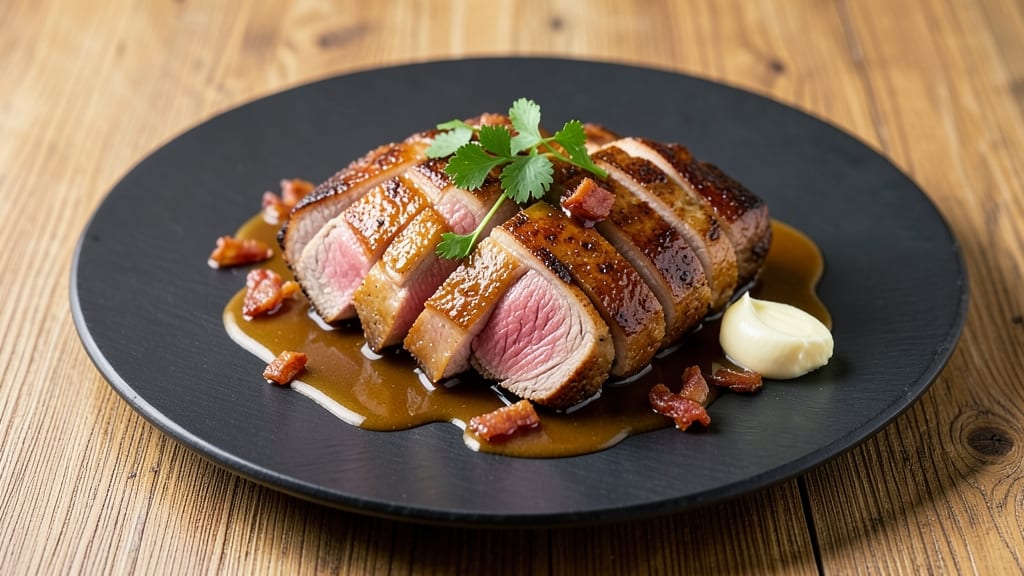
This au jus pork tenderloin recipe delivers restaurant-quality results with tender meat and rich, savory gravy—no fancy equipment required. 🔥 The secret lies in searing the pork to lock in juices, then finishing it in the oven while building a deep, flavorful fond for the au jus.
I developed this method after years of testing, ensuring every bite stays juicy while the sauce transforms simple pan drippings into something extraordinary.
The process starts with a simple technique: sear the pork tenderloin in a hot pan until golden, then finish it in the oven for even cooking. Meanwhile, those precious pan drippings—called the fond—become the base for a velvety au jus.
The key is patience: letting the fond develop slowly and reducing it with beef broth creates a sauce that's rich, aromatic, and packed with umami. This isn't just a side dish; it's the star of the meal.
By the time you're done, you'll have perfectly cooked pork with a crispy exterior and tender interior, all smothered in a glossy, savory au jus that clings to every bite. The sauce is so flavorful it'll have everyone asking for seconds, and the method is straightforward enough for weeknight dinners.
No need for complicated reductions or store-bought sauces—just a few pantry staples and a little time.
Serve with roasted potatoes, green beans, or crusty bread to soak up every last drop of that delicious au jus. The combination of crispy pork and velvety sauce makes this dish feel like a special occasion, even on a regular weeknight. Let's get started—your taste buds will thank you.
Ingredients for au jus recipe for pork tenderloin
Pork tenderloin, rich beef broth, and bold wine—just the right ingredients for restaurant-style au jus.
| Ingredient | Amount | Notes |
|---|---|---|
| Pork Tenderloin 🥩 | 1 ½ lb | Center-cut, trimmed of fat |
| Kosher Salt 🧂 | 1 ½ tbsp | Diamond Crystal preferred |
| Freshly Ground Black Pepper 🌶️ | 1 tsp | Coarse grind for texture |
| Unsalted Butter 🧈 | 2 tbsp | European-style preferred |
| Olive Oil 🫒 | 2 tbsp | Light, neutral flavor |
| Beef Broth 💧 | 2 cups | Low-sodium, homemade or quality brand |
| Dry Red Wine 🍷 | ½ cup | Bold Cabernet Sauvignon |
| Tomato Paste 🍅 | 1 tbsp | Squeeze tube for precision |
| Garlic Cloves 🧄 | 4 cloves | Fresh, minced for fond |
| Shallots 🧅 | 2 whole | Small, peeled, minced |
| Fresh Thyme 🌿 | ¼ cup | Leaves only, chopped |
| Fresh Parsley 🌿 | ⅛ cup | Chopped, for garnish |
| Cornstarch 🌾 | 1 tsp | For sauce thickening |
| Cold Water 💧 | 1 tbsp | For cornstarch slurry |
The pork tenderloin should be center-cut and trimmed—this ensures even cooking and maximum tenderness. Whole Foods or butcher counters carry the best quality, but most grocery stores stock it too. Look for pieces that are firm to the touch and have a vibrant pink color, not grayish. The butter matters here too—European-style has a higher fat content, which gives the fond better flavor. If you can't find it, regular unsalted butter works, but you might need to add a pinch more salt later. The beef broth is the sauce's backbone, so homemade or high-quality store-bought makes all the difference. I always grab Swanson or Pacific Foods when I'm in a pinch.
No red wine? Dry sherry or extra beef broth works in a bind, though the flavor won't be identical. The tomato paste can be skipped if you're watching acidity, but it adds depth—those little squeeze tubes at Trader Joe's are perfect because they're mess-free and last forever. Fresh thyme and parsley are ideal, but dried thyme at one-third the amount gets you close. The cornstarch slurry is non-negotiable for that silky sauce texture—mix it well to avoid lumps. And for the love of all things crispy, don't skip the searing step. That's where the magic happens, locking in juices and building the fond.
This dish reheats beautifully—just warm the sauce separately and toss it with the pork. Keeps in the fridge for 3-4 days, though the pork gets drier after day 2. For leftovers, store the sauce and pork separately. The sauce freezes for 3 months, but the pork is best eaten fresh. Pro tip: Double the sauce recipe if you're feeding a crowd—it disappears fast. And save those wine bottle drips for the fond. Every drop counts!
Why You'll Love This Recipe
- Foolproof Roast: I swear by this method—just sear the tenderloin in a hot pan with butter and oil, then finish it in the oven. No fancy techniques, no stress, just a perfectly cooked piece of meat every single time.
- Rich Au Jus Magic: That golden pan drippings turn into a luscious, savory sauce with just a splash of water and a simmer. The butter and olive oil create this incredible depth—no extra ingredients needed, just pure flavor.
- Weeknight to Dinner Party: Same recipe, different occasions. Toss it together for a quick Tuesday dinner or impress guests with the same effortless dish. The au jus elevates it instantly, no matter who’s eating it.
- Leftovers That Don’t Suck: Cold pork tenderloin? Actually delicious. The au jus thickens slightly, making it perfect for sandwiches or salads the next day. Honestly, I often make extra just for this reason.
Step-by-step instructions for au jus pork tenderloin
Here's how to achieve melt-in-your-mouth pork with rich, velvety au jus every time.
🔥 Step 1: Sear the Pork Tenderloin for Maximum Flavor
Pat the 1.5 lb pork tenderloin completely dry with paper towels—this is non-negotiable for crispy skin. Season all sides generously with 1.5 tbsp kosher salt and 1 tsp freshly ground black pepper, pressing it into the meat so it adheres.
Heat a heavy skillet (cast iron works best) over medium-high heat until smoking. Add 2 tbsp olive oil and 2 tbsp unsalted butter, letting them melt together. Place the pork in the pan and sear for 4-5 minutes per side until it develops a deep golden-brown crust. The reason we sear so thoroughly is that this creates the flavorful fond we'll use for our au jus later.
Here's the thing—don't move the pork around while it's searing. Let it develop that crust undisturbed. You'll know it's ready when it releases easily from the pan and the internal temperature reaches 145°F (about 5 minutes total). Transfer to a plate and tent loosely with foil to keep warm.
🍳 Step 2: Build the Fond for Rich Au Jus
Immediately after removing the pork, reduce the heat to medium and add the 2 minced shallots and 4 minced garlic cloves to the same skillet. Cook for 2-3 minutes until the shallots soften and the garlic becomes fragrant—don't let it brown or it'll turn bitter.
Stir in the 1 tbsp tomato paste and cook for 1 minute until it darkens slightly. This is where all the magic happens—the tomato paste adds depth while the browned bits (fond) we created earlier will dissolve into our sauce. Pour in the 0.5 cup dry red wine and scrape up every last bit from the bottom of the pan with a wooden spoon.
Let the wine simmer for 3-4 minutes until reduced by half. This alcohol reduction is crucial for developing the sauce's rich flavor. The wine should smell intensely aromatic—like concentrated fruit and earthy undertones.
🥘 Step 3: Create the Silky Au Jus
Pour in the 2 cups beef broth and bring to a gentle simmer. Add the 0.25 cup chopped fresh thyme and let it steep for 5 minutes. The thyme will infuse the liquid with its piney aroma while the pork rests.
While the sauce simmers, check the pork's internal temperature—it should reach 145°F by now. If not, return it to the skillet for another 1-2 minutes to finish cooking. The pork is done when it's fork-tender with just a hint of pink in the center.
Remove the pork from the skillet and let it rest for 10 minutes before slicing. This resting period is what makes the meat truly tender. While it rests, skim any fat that rises to the surface of your au jus.
⏰ Step 4: Thicken and Finish the Sauce
In a small bowl, whisk together the 1 tsp cornstarch and 1 tbsp cold water to create a smooth slurry. Return the skillet with the au jus to medium heat and slowly whisk in the cornstarch mixture, stirring constantly for 1-2 minutes until the sauce thickens to a velvety consistency.
Taste and adjust seasoning with additional salt and pepper if needed. The sauce should coat the back of a spoon and have a glossy sheen. If it's too thick, whisk in 1 tablespoon of hot water at a time until it reaches your desired consistency.
Slice the rested pork tenderloin against the grain into ½-inch thick pieces. Spoon the au jus over the top and garnish with 0.125 cup chopped fresh parsley. Serve immediately with crusty bread or roasted vegetables to soak up every last drop of that luscious sauce.
Pro Tips For Making Au Jus Recipe For Pork Tenderloin
- USE A MEAT THERMOMETER: Pork tenderloin’s small size means guessing doneness leads to dry meat or undercooked pork. Hit 145°F internal temp—any higher and you’ll regret it. I learned this after serving a slightly pink slice to my dad, who’s still recovering from the trauma.
- SWEAT THE PAN FIRST: Cold butter in a hot pan burns before the pork even touches it. Melt 1 tablespoon butter with a splash of olive oil first—this creates a flavor base that won’t seize up when the meat hits. Yes, it’s two extra minutes, but your au jus won’t taste like charred butter.
- DON’T CROWD THE PAN: Pork tenderloin releases juices fast, and a packed pan turns your au jus into a sad, greasy pool. Cook in a single layer with space between pieces, then add more butter/oil as needed. I used to ignore this and ended up with a grease fire—twice.
- REST IT UNDER FOIL: The moment you pull the pork from the pan, tent it loosely with foil for 5 minutes. This keeps the juices from pooling on the cutting board when you slice. I skip this when I’m in a hurry, and the meat always turns out drier—no amount of au jus fixes that.
Essential equipment for great au jus recipe for pork tenderloin
Cast Iron Skillet
A heavy cast iron skillet is my go-to for this recipe—it retains heat beautifully and creates that perfect crust on the pork. I own a Lodge 10.25-inch skillet, and it's become my most-used pan in the kitchen.
The thick base distributes heat evenly, preventing hot spots that can burn your fond. If you don't have cast iron, a heavy stainless steel or carbon steel skillet works too, though you may need to adjust heat levels slightly. 🔥
Meat Thermometer
Never skip the meat thermometer—this is the secret to perfectly cooked pork every time. I use a Thermoworks Smoke thermometer with a probe, but even a basic instant-read thermometer like the Taylor Precision works.
The pork's internal temperature should reach 145°F—any lower and it's undercooked, any higher and it becomes dry. I've ruined more pork tenderloins than I'd like to admit by guessing, so trust the thermometer!
Wooden Spoon
A sturdy wooden spoon is essential for scraping up those precious fond bits from the bottom of your pan. I keep a Oxo Good Grips wooden spoon in my kitchen because it's heat-resistant and has a comfortable handle.
Avoid metal utensils when building the fond—they can scratch your pan and release iron particles that alter the flavor. The spoon helps you deglaze the pan completely, ensuring maximum flavor in your au jus.
Whisk for Sauce
For that silky au jus, you'll need a balloon whisk to create a smooth cornstarch slurry and incorporate it into the sauce. My favorite is the Cuisinart Stainless Steel Whisk—it's durable and gets into those tight corners of my skillet.
The whisk helps prevent lumps when thickening the sauce, giving you that restaurant-quality consistency. A regular spoon won't cut it—you need something that can really stir and blend the sauce effectively.
Tongs for Pork
Tongs make handling the seared pork tenderloin so much easier than forks or tongs with slippery handles. I use Oxo Good Grips Tongs because they have a comfortable grip and stay cool on the stovetop. They let you flip the pork without piercing it, which would release precious juices. Plus, they're great for transferring the pork to your serving plate without any drama. Trust me, you'll thank yourself when the meat stays intact and juicy.
Fine-Mesh Strainer
A fine-mesh strainer comes in handy for skimming fat from your au jus before serving. I like the OXO Good Grips Strainer because it's easy to clean and has a comfortable handle. Skimming the fat gives your sauce a cleaner finish and prevents it from becoming greasy.
If you don't have a strainer, a slotted spoon works in a pinch, but it's more tedious. The strainer makes this step quick and effortless, so your sauce looks as good as it tastes.
Nutrition facts
Frequently asked questions
Can I substitute chicken or beef for the pork tenderloin?
The technique works for chicken breast (boneless, skinless) or beef tenderloin, but adjust cooking times and temperatures. Chicken should reach 165°F and cook 10-12 minutes total, while beef needs 140°F and 12-15 minutes. The au jus recipe remains identical—just swap the meat type.
What if I don't have red wine? Can I make au jus without it?
Use ½ cup dry sherry or ½ cup extra beef broth instead. For deeper flavor, add 1 tsp balsamic vinegar or ½ tsp Worcestershire sauce to compensate. The sauce will be slightly less complex but still delicious. The key is balancing acidity and umami.
Why is my au jus too thin or too thick?
For thin sauce, whisk in 1 tbsp cold water at a time until it reaches a glossy consistency. If too thick, add 1 tbsp hot water while whisking. The ideal au jus should coat the back of a spoon but still flow easily. Pro tip: Simmer uncovered for 2-3 extra minutes to reduce naturally if you prefer a thicker sauce.
Can I make this recipe ahead of time?
Yes! Cook the pork and sauce separately, then refrigerate for up to 3 days. Reheat the sauce gently on the stove, then warm the pork in a 350°F oven for 10-15 minutes wrapped in foil. The pork reheats best when sliced thin. For leftovers, store components separately—sauce freezes well for 3 months, while pork is best eaten fresh.
What's the best way to serve this pork tenderloin?
Pair with classic sides like garlic mashed potatoes, roasted Brussels sprouts, or crusty baguette for soaking up the au jus. For a complete meal, add a simple green salad with Dijon vinaigrette. The contrast of textures—crispy pork, creamy potatoes, and tender greens—elevates every bite.