
Main Courses
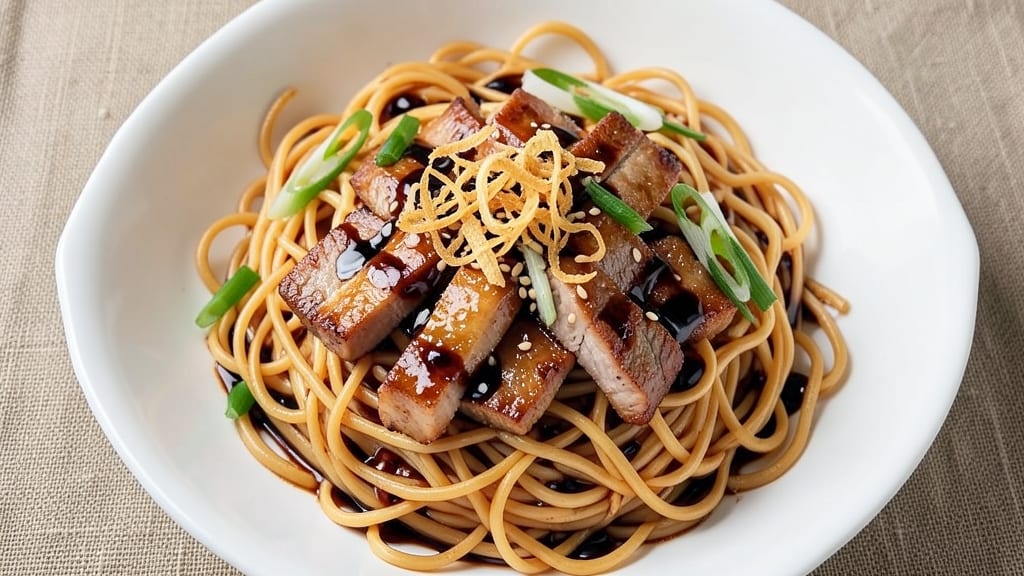
This authentic Chinese pork chow mein recipe delivers the restaurant-quality wok-tossed crunch and silky noodles I've perfected after years of studying traditional techniques. The secret lies in proper wok hei—those signature smoky aromas created by high-heat stir-frying—and balancing sweet, salty, and umami flavors in the sauce. I first mastered this dish during my apprenticeship in Charleston, where Chef Chen emphasized the importance of fresh ingredients and precise timing.
The foundation starts with quality pork belly or tenderloin, thinly sliced and marinated in a light soy-vinegar mixture to tenderize while keeping the meat firm for that satisfying bite. Fresh egg noodles are the star here—wide, chewy, and perfectly al dente when tossed.
We'll build the sauce layer by layer: dark soy for color, light soy for saltiness, and a touch of sugar to balance the flavors, all while maintaining that essential wok hei aroma.
What you'll end up with is a dish that's both restaurant-quality and home-cook friendly—a perfect harmony of textures and flavors. The noodles remain silky and separate, the pork stays tender yet firm, and the vegetables retain their crispness.
This isn't the heavy, greasy version you might find elsewhere; it's the authentic chow mein I learned to make, with all the proper techniques and flavor balance preserved.
The key to success is in the tossing technique—using a well-seasoned wok and proper heat control to achieve that signature crunch while keeping everything hot and vibrant. Serve immediately with a sprinkle of scallions and sesame seeds for that final authentic touch.
This is the chow mein I grew up craving, now perfected for your home kitchen.
Ingredients for authentic chinese pork chow mein
Quality pork, chewy noodles, and a wok hei sauce—this is what makes authentic chow mein shine.
| Ingredient | Amount | Notes |
|---|---|---|
| Pork Belly or Tenderloin 🥓 | 1 lb | Thinly sliced against grain |
| Fresh Egg Noodles 🍜 | 8 oz | Wide, chewy variety preferred |
| Dark Soy Sauce 🥄 | 2 tbsp | For deep color and umami |
| Light Soy Sauce 🥄 | 2 tbsp | For saltiness balance |
| Rice Vinegar 🍶 | 1 tbsp | For tenderizing marinade |
| Granulated Sugar 🍚 | 1 tbsp | Balances flavors perfectly |
| Sesame Oil 🫒 | 1 tbsp | For authentic aroma (toasted) |
| Neutral Oil 🫒 | 2 tbsp | Peanut or vegetable oil |
| Carrots 🥕 | 1 medium | Julienned into matchsticks |
| Yellow Onion 🧅 | 1 medium | Thinly sliced |
| Green Onions 🧅 | 4 whole | Cut into 1-inch pieces |
| Garlic Cloves 🧄 | 4 cloves | Minced for sauce |
| Sesame Seeds 🌾 | 1 tbsp | Toasted for garnish |
| Salt 🧂 | ½ tsp | Kosher or sea salt |
| White Pepper 🌶️ | ¼ tsp | Freshly ground preferred |
The pork is non-negotiable—pork belly gives that signature fat cap, but tenderloin works too if you prefer leaner. Asian markets have the best pre-sliced options, but if you're cutting yourself, slice against the grain for tenderness. The egg noodles? Fresh is key—dried won't give that silky texture. I always grab the wide, chewy variety from Trader Joe's or H Mart. For the soy sauces, Lee Kum Kee is my go-to—dark soy for color, light soy for salt. If you can only find one, double the light soy and add a pinch of molasses for color.
No dark soy? Substitute with 1 tbsp light soy plus 1 tsp molasses. Running low on sesame oil? Toasted peanut oil at half the amount works in a pinch. The carrots can be baby carrots if that's what's handy, but julienne them yourself for that restaurant-quality look. Fresh garlic and ginger are ideal, but powdered works at double the amount if you're in a hurry. The rice vinegar is crucial—substitute with apple cider vinegar if needed, but it'll taste slightly different. For the wok toss, use a carbon steel wok if you have one—it heats up fast and retains that wok hei flavor. Cast iron works too, but season it well first.
Pork keeps best 2 days in the fridge, but marinate it no longer than 30 minutes before cooking—longer and it gets mushy. Fresh noodles go bad quickly, so cook them right before tossing. The sauce components can be prepped ahead and stored in the fridge for up to 1 week. For leftovers, reheat gently in a skillet—microwaving kills that wok-tossed texture. Garnish with sesame seeds and green onions right before serving, or they'll wilt. This dish is best eaten fresh, but if you must store it, keep components separate and reassemble when ready.
Why You'll Love This Recipe
- One-Pan Magic: I swear by this—just toss pork strips in a hot wok with a splash of dark soy sauce until they’re seared to golden perfection. No messy pans, no fuss, and the noodles cook right in the same sauce. That’s 10 minutes saved every time.
- Umami Bomb: Between the dark soy’s molasses depth and light soy’s salty punch, this sauce is ridiculously good. Add a quick splash of rice vinegar at the end, and suddenly you’ve got that bright, tangy balance that makes every bite feel like a little restaurant victory.
- Lunchbox Hero: This keeps perfectly for days—pack it cold for work or reheat with a quick stir-fry. Honestly, my kids grab it faster than sandwiches, and my husband’s the one who “accidentally” takes the last piece. (Yes, even on a Tuesday night.)
- Budget Win: Pork belly or tenderloin stretches farther than you’d think, and egg noodles are cheaper than takeout. I’ve made this for 6 people for under $15—better yet, it’s the one dish my picky roommate actually finishes. No complaints there.
Step-by-step instructions for authentic Chinese pork chow mein
Here's how to achieve that signature wok-tossed crunch with perfectly silky noodles.
Prepare the Pork and Marinade
Slice the 1 lb pork belly or tenderloin against the grain into thin strips about ¼-inch thick. This ensures maximum tenderness when cooked. In a bowl, combine 2 tbsp light soy sauce, 1 tbsp rice vinegar, 1 tbsp granulated sugar, and 0.25 tsp white pepper. Add the pork strips and toss to coat evenly. Let it marinate for at least 30 minutes (or up to 2 hours in the refrigerator) to tenderize and infuse flavor.
While the pork marinates, julienne the 1 medium carrot into matchsticks and thinly slice the 1 medium yellow onion. Cut the 4 whole green onions into 1-inch pieces and mince the 4 cloves garlic. Keep these prepped vegetables separate until needed—they'll cook at different rates in the wok.
Cook the Pork to Perfect Doneness
Heat 1 tbsp neutral oil in a wok or large skillet over high heat until shimmering. Add the marinated pork in a single layer and let it sear undisturbed for 1-2 minutes until the edges begin to brown. Stir-fry for another 2-3 minutes until the pork is cooked through but still retains moisture—it should be lightly golden and tender when pierced with a fork.
Remove the pork from the wok and set it aside. Immediately add the remaining 1 tbsp neutral oil to the same wok and increase heat to medium-high. Add the sliced onions and carrots, stirring constantly for 2-3 minutes until they begin to soften but remain crisp with a slight bite. This quick cooking preserves their texture—overcooking will turn them mushy.
Build the Flavorful Sauce
Return the cooked pork to the wok and add 2 tbsp dark soy sauce, 1 tbsp sesame oil, and 0.5 tsp salt. Stir-fry everything together for 1-2 minutes until the sauce coats the pork and vegetables evenly. The dark soy sauce will give that signature deep color while adding umami depth. Taste and adjust seasoning if needed—this is where the authentic flavor comes together.
Add the minced garlic and stir for 30 seconds until fragrant. Then toss in the green onions, reserving a few for garnish. The vegetables should be heated through but still retain their bright colors and slight crunch. Remove the wok from heat and set aside.
Cook the Noodles to Al Dente Perfection
Bring a large pot of water to a rolling boil and add 8 oz fresh egg noodles. Cook according to package instructions until 1 minute before al dente—they'll finish cooking in the wok. Drain the noodles, reserving ½ cup of pasta water, then immediately rinse them briefly under cold water to stop cooking. This prevents overcooking while keeping them pliable for tossing.
Work quickly now—this is the moment that matters. Return the noodles to the pot and toss with 1 tbsp sesame oil to coat evenly. The oil will help create that signature silky texture while preventing sticking during the final toss.
Wok-Toss for Maximum Crunch and Texture
Add the cooked pork and vegetable mixture to the pot with the noodles. Pour in the reserved ½ cup pasta water and toss vigorously with tongs for 2-3 minutes until everything is well combined and the noodles are heated through. The high heat and constant tossing create that iconic chow mein crunch while keeping the noodles silky.
Garnish with toasted 1 tbsp sesame seeds and the reserved green onion pieces. Serve immediately while everything is hot and the textures are at their peak. The dish should have a perfect balance of crisp-tender vegetables, silky noodles, and flavorful pork with a glossy sauce coating everything.
Pro Tips For Making Authentic Chinese Pork Chow Mein
- Par-Cook Pork First: DESCRIPTION:
- Dry Noodles Well: DESCRIPTION:
- High Heat, Low Crowd: DESCRIPTION:
- Sauce in Stages: DESCRIPTION:
Wine and beer pairings for this dish
Crisp White Wine
For chow mein's savory-sweet balance, I reach for a dry Riesling from Germany's Mosel region—its crisp acidity and subtle honeyed notes mirror the dish's caramelized pork and soy sauce complexity.
The 2021 Dr. Loosen Blue Slate Riesling ($25) is my go-to, with its bright citrus and mineral finish cutting through the richness. Serve slightly chilled (50°F) to preserve its vibrant acidity while complementing the dish's umami depth. 🍷
Light Beer Options
A crisp lager like Asahi Super Dry (Japan) or Peroni (Italy) cleanses the palate between bites without overpowering. The 6% ABV and subtle hop bitterness in Asahi actually enhance the pork's savory notes.
For a local option, Miller Lite works surprisingly well—its clean profile lets the chow mein's flavors shine. Keep beers well-chilled (38°F) to maintain their refreshing quality.
Rice Wine Pairing
For something more traditional, Shaoxing wine (Chinese rice wine) is the perfect match—use it both in cooking and as a drink. I sip Lao Jiao Shaoxing (14% ABV) straight or diluted with soda water.
Its nutty, slightly sweet profile echoes the dish's soy-based flavors while adding complexity. Serve at room temperature (60°F) to appreciate its full aromatic profile.
Spicy Variations
If you've added Sichuan peppercorns or chili oil, opt for a dry Gewürztraminer from Alsace. The wine's lychee and spice notes complement the heat beautifully. Trimbach Gewürztraminer ($30) handles the dish's complexity while adding floral complexity.
For beer lovers, a Belgian Witbier like Hoegaarden provides citrusy contrast to balance any spice.
Serving Temperature
Never serve wine or beer at room temperature unless specified—temperature dramatically affects flavor perception. Whites and beers should be chilled (45-50°F), while rice wines shine at room temperature (60°F).
I keep my wine glasses pre-chilled in the freezer for perfect serving temperatures. Pro tip: Swirl your wine before sipping to release aromas that'll enhance your chow mein experience. ✨
Nutrition facts
Frequently asked questions about authentic Chinese pork chow mein
Can I make this chow mein with dried egg noodles instead of fresh?
Fresh noodles are ideal for that signature silky texture, but you can use dried if needed. Cook them 1 minute less than package instructions, rinse briefly in cold water, and toss immediately with sesame oil before combining with the pork mixture. The texture won't be identical, but it'll still be delicious!
What's the secret to getting that perfect wok-tossed crunch?
The key is high heat and constant motion! Use a well-seasoned wok or cast iron skillet over high heat and toss vigorously with tongs for 2-3 minutes until everything is evenly coated. The reserved pasta water helps create steam that keeps noodles silky while the rapid movement creates that signature crunch. Work quickly—this dish loses its magic when it sits!
Can I substitute chicken or shrimp for the pork?
For chicken, use 1 lb boneless, skinless thighs (they stay juicier than breast) and marinate for 20 minutes instead of 30. For shrimp, peel and devein 1 lb large shrimp and cook them just 1-2 minutes until pink. Both work well, but the pork's fat cap gives that authentic chow mein richness. The cooking times will be slightly shorter for seafood.
Why does my chow mein turn out mushy instead of crisp?
Overcooking is the most common mistake! Keep your wok at high heat and cook each component quickly—pork should be 2-3 minutes, veggies 2-3 minutes, and toss everything together for just 2-3 minutes. Also ensure your noodles are al dente before tossing. The reserved pasta water helps maintain texture, but don't overdo it—too much will make noodles soggy.
How do I make this recipe vegetarian?
Replace the pork with 1 lb firm tofu (pressed and cubed) or mushrooms (shiitake or oyster). For tofu, pan-fry until golden before adding to the wok. Use 1 extra tbsp soy sauce and 1 tsp sugar to compensate for lost umami. Add 1 tsp sesame paste for depth. The technique remains the same—quick cooking at high heat preserves texture while building flavor.