
Main Courses
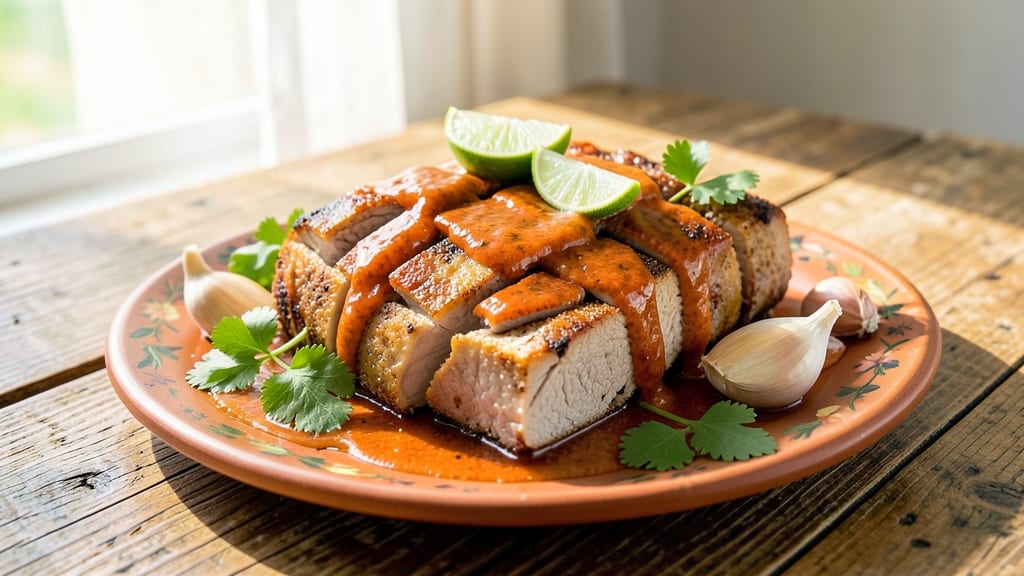
This authentic Cuban mojo pork recipe delivers the bold, citrusy flavors of a Havana street corner—right in your kitchen. The secret lies in the marinade: a vibrant blend of garlic, oregano, and lime juice that transforms tough pork into melt-in-your-mouth shreds.
I’ve perfected this technique over years of cooking for crowds, ensuring every bite carries that signature tangy, smoky depth that defines Cuban cuisine.
The traditional method calls for slow-roasting the pork until it falls apart, but I’ve adapted it for modern kitchens with options for grilling or even a slow cooker.
The mojo marinade isn’t just flavor—it’s a tenderizer, breaking down the meat while infusing it with layers of garlic, cumin, and a touch of heat. This isn’t your average pork dish; it’s a celebration of Cuban roots with a technique that’s foolproof for home cooks.
By the time you’re done, you’ll have perfectly shredded pork that’s juicy, aromatic, and packed with that signature mojo brightness. Serve it with black beans, fluffy white rice, and crispy plantains for a full Cuban feast.
The aroma alone will transport you to a Havana restaurant, but the taste? That’s pure, restaurant-quality magic.
This recipe scales beautifully—whether you’re feeding a family or hosting a gathering. The mojo marinade keeps well, so you can prep ahead and let the flavors develop even deeper. Trust me, once you try this version, you’ll never settle for anything less than the real deal.
Ingredients for authentic cuban mojo pork
Six ingredients transform tough pork into tender, citrusy mojo magic—just like Havana.
| Ingredient | Amount | Notes |
|---|---|---|
| Pork Shoulder (Boston Butt) 🐖 | 4 lb | Bone-in for best flavor |
| Fresh Limes 🍋 | 4 whole | Juiced, seeds removed |
| Garlic Cloves 🧄 | 8 cloves | Freshly minced |
| Dried Oregano 🌿 | 2 tbsp | Mexican oregano preferred |
| Ground Cumin 🌶️ | 1 tbsp | Toasted for depth |
| Smoked Paprika 🌶️ | 1 tbsp | For authentic smokiness |
| Salt 🧂 | 1 ½ tbsp | Kosher or sea salt |
| Black Peppercorns 🌶️ | 1 tsp | Coarsely ground |
| Olive Oil 🫒 | ½ cup | Extra-virgin preferred |
| Fresh Cilantro 🌿 | ¼ cup | Chopped, for garnish |
| Bay Leaves 🍃 | 2 whole | For slow cooking |
| Red Bell Pepper 🌶️ | 1 whole | Optional, for extra flavor |
| Onion 🧅 | 1 whole | Yellow, chopped |
The pork shoulder is the star—bone-in, not lean. Look for good marbling at Costco or your local butcher shop. If you can't find bone-in, a 4-lb pork butt works too. The limes should be bright green, not dried out—Mexican or Cuban markets often have the freshest. Oregano matters here: Mexican oregano has a slightly different flavor than Italian. If you can't find it, regular dried oregano works, but it won't be authentic. Toast your cumin seeds in a dry pan for 30 seconds before grinding—that smoky aroma is key.
No fresh limes? Key lime juice or even bottled lime juice works in a pinch, but fresh is non-negotiable for real mojo flavor. Running short on garlic? Garlic powder at half the amount gets you close, but it won't have the same punch. Smoked paprika can be swapped for regular paprika, but lose some of that Cuban smokiness. The red bell pepper is optional but adds sweetness—roasted and chopped is even better. If you're grilling, marinate the pork for at least 4 hours (overnight is ideal). For slow cooker versions, use 2 lbs pork per hour on low to keep it tender.
This pork tastes even better the next day—make extra. Store leftovers in the fridge for 4-5 days or freeze for 3 months. The marinade keeps for 1 week in the fridge, so double it if you're feeding a crowd. For serving, I always keep a bowl of chopped cilantro and lime wedges on the table—fresh garnish makes all the difference. The pork shreds beautifully, so portion it into containers for easy lunches. Trust me, the smell alone will have everyone asking for seconds.
Why You'll Love This Recipe
- Here’s what sold me: slow-cooked but ready when I am. Throw it in before work, come home to fall-apart tender meat, and boom—dinner’s done. (Yes, even on a Tuesday night when takeout feels impossible.)
- One-Pan Magic: Honestly, this recipe is my lazy-day hero—just toss the pork shoulder in a roasting pan, dump the mojo marinade (garlic, lime, cumin) right on top, and walk away. No chopping boards, no extra pots, just 4 hours of oven time while you binge your favorite show.
- Tangy-Garlicky Bliss: That bright lime juice and raw garlic hitting the tender pork? It’s like sunshine in your mouth. The oregano and cumin add this earthy warmth that makes every bite feel like a little Cuban vacation—no passport required.
- Leftovers That Save Me: Between us, I always double the batch. The pork shreds so well for sandwiches, tacos, or even fried rice the next day. It’s my budget-friendly secret weapon—one meal turns into three without extra effort.
Step-by-step instructions for authentic Cuban mojo pork
Here's how to create tender, citrus-kissed pork that falls apart with every bite.
Prepare the Mojo Marinade
In a food processor or blender, combine the 4 whole fresh limes (juiced, seeds removed), 8 cloves garlic, 0.5 cup olive oil, 2 tbsp dried oregano, 1 tbsp ground cumin, 1 tbsp smoked paprika, 1.5 tbsp salt, and 1 tsp coarsely ground black peppercorns. Pulse until smooth but still slightly textured—you want a thick, vibrant marinade that clings to the pork.
Taste the marinade and adjust seasoning if needed. The lime juice should be bright and tangy, cutting through the richness of the pork. Transfer the marinade to a large bowl and set aside. This marinade is the soul of your dish—don't skip the fresh lime juice, as bottled won't deliver the same zesty punch.
Coat and Marinate the Pork
Place the 4 lb pork shoulder (Boston Butt) in a large resealable plastic bag or shallow dish. Pour the marinade over the pork, massaging it into every crevice to ensure full coverage. Add the 2 whole bay leaves and 1 whole red bell pepper (chopped if using) to the bag or dish, then seal or cover tightly.
Refrigerate the pork for at least 12 hours, though I prefer 24 hours for maximum tenderness and flavor penetration. The longer it marinates, the more the citrus and spices will transform tough pork into melt-in-your-mouth perfection. Turn the bag occasionally to ensure even coating.
Slow Cook Until Fork-Tender
Preheat your oven to 300°F. Remove the pork from the fridge and place it in a Dutch oven or heavy oven-safe pot. Pour any remaining marinade from the bag into the pot, then add 1 whole chopped onion to the pot. Cover tightly with a lid or foil.
Bake for 3 hours, then increase the heat to 325°F and continue cooking for another 2-3 hours until the pork is fork-tender and easily shreds. The internal temperature should reach 195-205°F—this is when the collagen breaks down, creating that irresistibly tender texture. If the liquid reduces too much, add a splash of water to keep the pork moist.
Shred and Garnish
Remove the pork from the pot and transfer it to a cutting board. Discard the bay leaves and red bell pepper. Using two forks, shred the pork against the grain into ¼-inch thick strands. The pork should pull apart effortlessly—if it doesn't, return it to the pot and cook for another 30 minutes at 325°F. Reserve the cooking liquid in the pot.
Return the shredded pork to the pot and stir in 0.25 cup chopped fresh cilantro for a bright finish. Taste and adjust seasoning if needed—sometimes the marinade's flavors concentrate during cooking, so a pinch of salt or a squeeze of lime might be necessary. The final dish should balance tangy, smoky, and savory notes perfectly.
Serve with Confidence
Serve the mojo pork immediately over white rice or with tostones and a side of black beans for a classic Cuban meal. The pork should be juicy, tender, and bursting with citrus and spice. If the sauce is too thick, thin it with a splash of the reserved cooking liquid to create a luscious mojo sauce that drizzles over every bite.
This dish tastes even better the next day, so don't hesitate to make extra. The flavors deepen as the pork rests, and the citrus marinade keeps the meat moist. Store leftovers in the fridge for up to 3 days or freeze for 3 months—just reheat gently with a splash of water to revive the juices.
Pro Tips For Making Authentic Cuban Mojo Pork
- CHAR THE LIME PEEL: The zest from two limes is the thing that matters most—don’t just juice, scrape the outer layer (no white pith) and toss it straight into the mojo marinade. I used to skip this, and the flavor was just missing that bright, citrusy punch that cuts through the richness of the pork.
- SWEAT THE GARLIC: Mince the garlic fine—almost like a paste—then cook it in the oil until it’s soft and golden, not crispy. After burning three batches, I finally figured out that letting it sweat out its raw bite first makes the mojo taste deeper, not bitter. (Yes, even if you’re impatient like me.)
- LOW AND SLOW WINS: Forget the high-heat sear first—this isn’t steak. Start the pork in a 275°F (135°C) oven, uncovered, for the first 2 hours. That’s when the collagen turns to gelatin, keeping the meat juicy. I know, I know, but trust the process.
- SALT THE PORK TWICE: Dry the pork thoroughly, then season it generously with salt before marinating. Later, when you sear it, the salt will draw out moisture, giving you that crispy crust. My grandmother swore by this, and she was right: the first bite is where the magic happens.
Essential equipment for authentic cuban mojo pork
Dutch Oven
The Dutch oven is my go-to for Cuban mojo pork—it’s the only pot that can handle the slow, moist cooking while keeping all the juices trapped inside. I swear by Lodge Cast Iron Dutch Ovens (10-quart size) because they distribute heat evenly and develop a natural nonstick patina over time.
The deep sides prevent spills when you’re basting the pork, and the tight lid traps steam, which is crucial for that fork-tender texture. 🔥
If you don’t own one, a heavy enameled cast iron pot (like Le Creuset) works too, but avoid thin aluminum or stainless steel—they can’t maintain the low-and-slow temperature needed. For budget-friendly options, check out Amazon Basics Dutch Ovens (around $40), which are surprisingly sturdy for the price.
Just preheat it in the oven for 15 minutes before adding the pork to prevent temperature shocks.
Meat Thermometer
A meat thermometer is non-negotiable for perfect mojo pork—you’re aiming for 195-205°F internal temperature, where the collagen melts and the meat becomes fall-apart tender.
I use the ThermoWorks Smoke (it’s pricey but accurate to within ±1°F), but a good instant-read thermometer like the Taylor Precision (under $20) will do the trick. Insert the probe into the thickest part of the pork, avoiding fat or bone.
Pro tip: If your thermometer doesn’t have a probe holder, prop it up on a spoon or fork so it doesn’t touch the pot’s sides—false readings will mess up your cook time.
I also recommend calibrating your thermometer by boiling water (it should read 212°F) before each use. Trust me, skipping this step is how you end up with dry, overcooked pork.
Food Processor
The food processor is where the magic marinade happens, and a good one makes all the difference. I use a Cuisinart DFP-14BCNY (14-cup capacity) because it handles tough ingredients like garlic and lime seeds without jamming.
For smaller batches, a mini food processor (like the Ninja BN601) works, but you’ll need to pulse more carefully to avoid over-blending.
If you’re blending by hand, a mortar and pestle (for garlic) plus a whisk (for the oil and spices) is the traditional Cuban method—but let’s be honest, it’s a workout. For the best texture, pulse the marinade in 3-second bursts until it’s smooth but still slightly chunky.
This ensures the spices coat the pork evenly without turning into a watery sauce.
Heavy-Duty Plastic Bags
For marinating, heavy-duty plastic bags (like Glad Press’n Seal) are a game-changer—they let you turn the pork easily for even coating and save space in your fridge.
Look for quart-size or gallon-size bags with a zip-top seal to prevent leaks. I double-bag the pork to contain any spills, especially when storing overnight.
No plastic bags? Use a large glass baking dish (like Pyrex) or a shallow stainless steel pan—just make sure the pork is fully submerged in marinade. If you’re short on time, a resealable silicone bag (like Stasher bags) is eco-friendly and just as effective.
The key is full coverage—no dry spots on the pork!
Tongs for Shredding
Shredding mojo pork with tongs (not forks!) gives you better control and cleaner strands. I use OXO Good Grips because the serrated edges grip the meat without crushing it.
Hold the tongs at a 45-degree angle and pull against the grain for ¼-inch thick slices—this is how you get those restaurant-quality shreds.
If you don’t have tongs, two forks work in a pinch, but you’ll lose some precision. For extra flair, I like to toss the shredded pork back into the pot with the cooking juices before serving—this bastes it in its own delicious mojo sauce.
Garnish with fresh cilantro right before serving to keep it vibrant.
Nutrition facts
Frequently asked questions
Can I use bottled lime juice instead of fresh?
Fresh lime juice is essential for authentic mojo flavor—the bright acidity and subtle bitterness can't be replicated with bottled juice. If you must substitute, use Key lime juice (more intense flavor) and add a pinch of salt to mimic fresh lime's complexity. For best results, zest the limes and add it to the marinade for extra aromatic depth.
How do I make this recipe in a slow cooker?
Transfer the marinated pork to your slow cooker with all remaining marinade and add the chopped onion. Cook on low for 8-10 hours or high for 5-6 hours, until fork-tender. The pork will release more liquid in a slow cooker, so you may need to add ½ cup water halfway through if it looks dry. Shred as directed and reduce the cooking liquid to make a thicker mojo sauce.
What's the best way to reheat leftover mojo pork?
Reheat gently to preserve moisture—place pork in a skillet with 2 tablespoons of its cooking liquid over medium-low heat for 5-7 minutes, stirring occasionally. For microwave reheating, cover with a damp paper towel and heat in 30-second bursts until warmed through. Never reheat dry—always add liquid to prevent rubbery texture.
Can I use pork tenderloin instead of pork shoulder?
Pork tenderloin is leaner and will cook much faster—expect 20-25 minutes at 375°F until it reaches 145°F internal temperature. The marinade time should be reduced to 4-6 hours maximum (longer can make it too acidic). For best results, slice the tenderloin into 1-inch thick medallions before marinating, as it won't shred like pork shoulder.
What's the secret to getting that perfect mojo sauce?
The sauce comes from the pork's cooking liquid—after removing the meat, place the pot on medium-high heat and simmer for 5-7 minutes to reduce it by half. Stir in 1 tablespoon of cornstarch mixed with 2 tablespoons water to thicken further. For extra richness, whisk in 1 tablespoon of butter at the end. The sauce should coat the back of a spoon but remain pourable.