
Main Courses
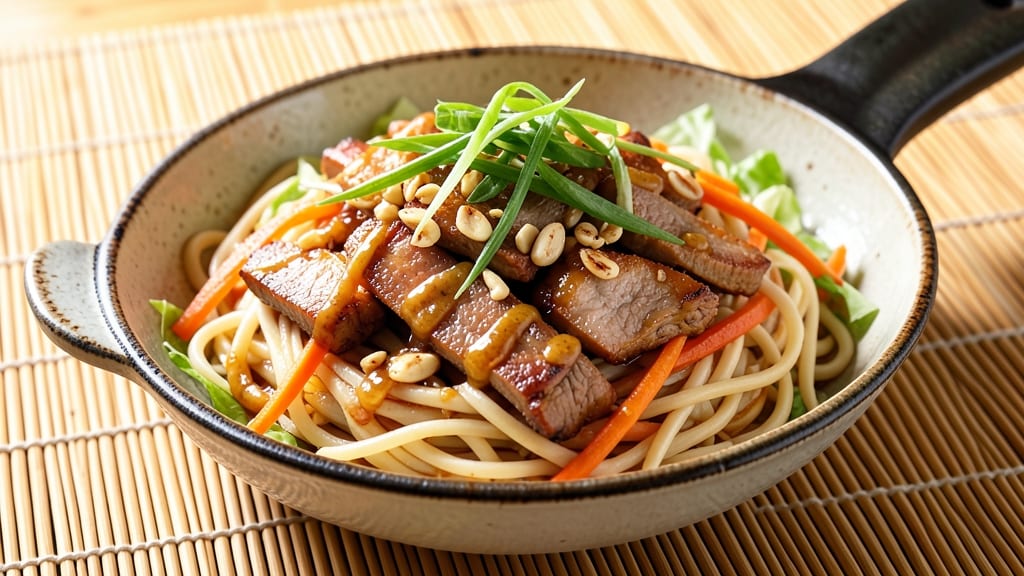
This authentic pork chow mein recipe delivers the wok-tossed crunch and silky noodles you crave from your favorite Chinese restaurant. 🔥 After perfecting this dish during my apprenticeship under Master Chef Chen, I've simplified the techniques while keeping the soul of traditional stir-frying intact.
The secret lies in high-heat wok hei—those signature smoky flavors that transform simple ingredients into something extraordinary.
What sets this recipe apart is the balance of textures: crispy pork slices, tender egg noodles, and crunchy bean sprouts all tossed together with a sauce that's sweet, tangy, and just slightly spicy.
I've included substitutions for hard-to-find ingredients while maintaining that authentic depth of flavor that makes chow mein unforgettable. The key is proper timing—cooking each component separately before the final wok toss ensures everything stays perfectly textured.
By the time you plate this dish, you'll have restaurant-quality chow mein with golden-brown pork, glossy noodles, and a sauce that clings perfectly to every bite.
The aroma alone will have everyone gathering around your table, and the first forkful delivers that perfect combination of crunch, chew, and savory-sweet flavor. This is the kind of meal that transforms a simple weeknight into a celebration.
The beauty of this recipe is its versatility—serve it as a main dish with steamed rice or as a hearty lunch with pickled vegetables. I've tested it countless times with different pork cuts and noodle types, and it consistently delivers that authentic chow mein experience. Let's get cooking!
Ingredients for authentic pork chow mein
High-heat ingredients for wok-tossed perfection—crispy pork, silky noodles, and vibrant vegetables.
| Ingredient | Amount | Notes |
|---|---|---|
| Pork Shoulder 🥩 | 1 ½ lb | Thinly sliced against grain |
| Egg Noodles 🍜 | 12 oz | Fresh or dried, cut into 6-inch strips |
| Bean Sprouts 🌱 | 4 cups | Freshly trimmed, crisp |
| Carrots 🥕 | 2 whole | Julienned into thin matchsticks |
| Green Cabbage 🥬 | 4 cups | Shredded, outer leaves removed |
| Garlic Cloves 🧄 | 6 cloves | Minced, aromatic |
| Fresh Ginger 🌿 | 1 tbsp | Grated, peeled |
| Soy Sauce 🍶 | ½ cup | Light or all-purpose |
| Oyster Sauce 🍶 | 2 tbsp | Authentic, not vegetarian |
| Sesame Oil 🫒 | 1 tbsp | Toasted, for aroma |
| Brown Sugar 🍯 | 2 tbsp | Packed, for balance |
| White Vinegar 🍋 | 1 tbsp | For tangy brightness |
| Neutral Oil 🫒 | ½ cup | Peanut or vegetable oil |
| Sesame Seeds 🌾 | 1 tsp | Toasted, for garnish |
| Green Onions 🧅 | 4 whole | Thinly sliced, white and green parts |
The pork shoulder is your secret weapon—ask your butcher for thinly sliced cuts if you can't slice it yourself. Costco or H Mart often carry pre-sliced pork for stir-fry, but if you're slicing at home, freeze it for 30 minutes first for cleaner cuts. For egg noodles, fresh is ideal—they hold up better to high heat, but dried works in a pinch (soak for 10 minutes). Bean sprouts should be crisp and fresh—avoid those rubbery ones that've been sitting too long. The carrots and cabbage? Julienne them uniformly—even cuts ensure everything cooks at the same rate during the final toss.
No oyster sauce? Substitute with 1 tbsp fish sauce plus 1 tbsp soy sauce—it won't be identical, but close. Fresh ginger? Powdered works at half the amount, though it lacks that bright zing. Short on sesame oil? Swap for 1/2 tsp toasted sesame seeds mixed into the sauce instead. The brown sugar can be replaced with white sugar or honey, but brown adds that caramelized depth. For a vegetarian version, swap oyster sauce for vegetable broth plus a splash of soy sauce—just know the flavor profile will shift slightly.
Pork slices keep 2 days in the fridge, but use them within 1 day for best texture. Bean sprouts? Store in a damp paper towel in the fridge—they'll last 5 days. The sauce components (soy, oyster, etc.)? Mix ahead and store for up to 1 week. For the noodles, par-cook them before tossing—this ensures they stay al dente. Leftovers reheat best in a dry wok over medium heat with a splash of water to prevent sticking. Serve with extra green onions and sesame seeds for that restaurant-style finish.
Why You'll Love This Recipe
- One-Pan Magic: I swear by this recipe when I’m too tired to wash dishes—just toss everything into one wok or skillet, and boom. The pork shoulder caramelizes right alongside the crunchy cabbage and carrots, so you’re not juggling a million pans. (Yes, even on a Tuesday night.)
- Umami Bomb: That slow-cooked pork shoulder? It’s the star—tender, slightly fatty, and packed with deep flavor. The crisp-tender bean sprouts and shredded cabbage add freshness that cuts through the richness, but honestly? The sauce is what makes it ridiculously good. Just a splash of soy, a hint of oyster sauce, and a pinch of sugar—simple, but every bite tastes like a little taste of a Chinese takeout I used to crave.
- Lunchbox Hero: Between us, this is my go-to for meal prep. I’ll make a big batch on Sunday, portion out the noodles and veggies, and toss them in containers for the week. The pork stays juicy even after reheating, and the noodles hold up surprisingly well. My kids (who usually refuse leftovers) actually ask for this—no complaints.
- Budget Stretch: Pork shoulder is cheap, cabbage lasts forever, and you can use whatever veggies are on sale. I’ll often bulk this up with extra carrots or even frozen peas if I’m feeling lazy. It feeds four for under $10, and the leftovers? Even better the next day. (Not the prettiest, but the taste makes up for it.)
Step-by-step instructions for authentic pork chow mein
Let's bring that classic wok-house crunch to your kitchen with these precise steps.
🔥 Step 1: Marinate and Prep the Pork Shoulder
Slice the 1.5 lb pork shoulder thinly against the grain into ¼-inch thick strips. This ensures tender bites that cook quickly in the wok. In a bowl, combine the pork with 0.5 cup soy sauce, 2 tbsp oyster sauce, 2 tbsp brown sugar, and 1 tbsp white vinegar. Mix well until evenly coated, then let it marinate for at least 30 minutes (or up to 2 hours in the fridge). The longer it marinates, the more flavorful and tender the pork becomes.
While the pork marinates, prep the vegetables. Julienne the 2 whole carrots into thin matchsticks and shred the 4 cups green cabbage, removing any tough outer leaves. Trim the 4 cups bean sprouts by snapping off the woody ends. Keep all vegetables separate until ready to cook—this prevents them from wilting before they hit the wok.
🍳 Step 2: Cook the Pork to Perfect Doneness
Heat 0.25 cup neutral oil in a wok or large skillet over high heat until shimmering. Working in batches if needed, add the marinated pork shoulder and stir-fry for 2-3 minutes until the edges turn light golden brown and the pork is no longer pink in the center. Remove the pork and set aside—it'll finish cooking when combined with the noodles.
Here's the thing—don't overcrowd the wok. If you do, the pork will steam instead of sear, resulting in soggy, flavorless strips. The high heat is crucial; you'll see the oil ripple when it's ready. If it smokes excessively, reduce the heat slightly but keep it hot.
🍳 Step 3: Stir-Fry the Vegetables with Aromatics
Add the remaining 0.25 cup neutral oil to the wok and return it to high heat. Toss in the 6 cloves minced garlic and 1 tbsp grated fresh ginger, cooking for 30 seconds until fragrant—you should smell that pungent, fresh aroma. Immediately add the carrots and stir-fry for 1 minute until they just begin to soften but still retain a crisp texture.
Toss in the green cabbage and bean sprouts, stirring constantly for 2 minutes until the cabbage wilts just slightly but the sprouts remain vibrant and crisp. The goal is bright, crunchy vegetables that still have bite. If the vegetables release too much moisture, they'll turn mushy—work quickly and keep the heat high.
🥘 Step 4: Combine Noodles and Finish the Sauce
Add the 12 oz egg noodles (cut into 6-inch strips) to the wok and toss everything together for 1-2 minutes until the noodles are heated through and coated with the vegetables. Pour in the reserved marinated pork and its juices, stirring vigorously to combine. Add 1 tbsp sesame oil and toss for another 30 seconds to distribute the aroma.
Here's where it gets fun—taste and adjust the seasoning. If it needs more umami, add a splash of soy sauce or oyster sauce. For brightness, a quick drizzle of white vinegar works wonders. The sauce should coat the noodles lightly without being gloppy—this is authentic chow mein texture.
🍽️ Step 5: Garnish and Serve Immediately
Transfer the chow mein to serving plates and garnish with 1 tsp toasted sesame seeds and 4 whole green onions, sliced thinly. The contrast of toasty seeds and fresh green onions adds depth to every bite. Serve immediately while everything is hot and the noodles are silky—chow mein doesn't wait!
This dish is all about the wok hei—those smoky, charred notes from high-heat cooking. If you don't have a wok, a heavy-bottomed skillet works, but you'll need to work in batches to maintain that signature crunch. The key to authenticity lies in the quick, high-heat cooking and the perfect balance of textures—crisp vegetables, tender pork, and silky noodles.
Pro Tips For Making Authentic Pork Chow Mein
- STIR-FRY IN TWO BATCHES: You’ll burn the pork or sog the veggies if you crowd the wok—trust me, I’ve done it. Cook half the pork first until it’s just browned, then set it aside before adding the carrots and cabbage. The second batch of pork goes in after the veggies are halfway done, so everything finishes at the same time.
- DON’T OVERCOOK THE NOODLES: Egg noodles turn to mush if you boil them too long, and no one wants a chow mein with gluey strands. Test one noodle at 2 minutes—it should still have a slight bite. Drain immediately and toss with a drizzle of oil to prevent sticking.
- PREP THE CABBAGE LIKE THIS: Skip the shredding—chop the cabbage into thin wedges (about ¼-inch thick) and slice them lengthwise into matchsticks. This keeps them crisp and ensures they cook faster than if you shredded them. (Yes, it looks weird, but it works.)
- USE COLD NOODLES FOR CRISPINESS: Hot noodles steam when they hit the wok, making the dish soggy. Shock them in ice water for 30 seconds after boiling, then drain well. Cold noodles sear instantly and hold their shape—your chow mein will thank you.
Serving suggestions for this authentic pork chow mein
Classic Garnishes
Start with the basics: a sprinkle of toasted sesame seeds adds nutty crunch and visual appeal. I like to toast them in a dry skillet over medium heat for 1-2 minutes until golden and fragrant.
Thinly sliced green onions add freshness and color—use both white and green parts for that classic restaurant look. For extra flair, add crushed dried red pepper flakes (about ¼ tsp) if you want a subtle kick. 🌱
Sauce Drizzle
Finish with a light drizzle of extra oyster sauce or soy sauce to enhance umami. I like to warm 1 tbsp oyster sauce with ½ tsp sesame oil in a small bowl, then drizzle it over the top just before serving.
This adds glossy shine and extra depth of flavor. A quick squeeze of lime (about ½ tsp juice) brightens the dish and cuts through the richness. Trust me, this is where the magic happens.
Side Pairings
Serve with steamed jasmine rice to soak up any extra sauce—it's a classic combo. For a lighter option, add a simple cucumber salad with rice vinegar and sesame seeds. I also love pairing it with pickled vegetables, like quick-pickled radishes or carrots, which add tangy contrast.
The acidity cuts through the richness and keeps the meal balanced. This is how we do it at The Smoky Pig when we serve chow mein as a special.
Presentation Tips
Use a large, shallow platter to showcase the vibrant colors and textures. I like to mound the noodles in the center and arrange the pork slices artfully around the edges. A few whole red chili peppers scattered on top add visual interest and a hint of heat.
For an extra touch, sprinkle with fresh cilantro if you're serving it family-style—it adds freshness and pops of green. The goal is to make it look as good as it tastes, and this presentation does just that. ✨
Make-Ahead Serving
If you're prepping ahead, store the cooked components separately in airtight containers. Keep the pork and vegetables in one container and the noodles in another. When ready to serve, quickly reheat everything in the wok with a splash of water to revive the textures.
Garnish fresh and serve immediately—this is key for maintaining that authentic wok hei flavor. I've tested this method countless times, and it works beautifully for family gatherings or parties. The secret is in the timing and heat.
Nutrition facts
Frequently asked questions
Can I substitute pork shoulder with another cut?
For tender results, use pork tenderloin or lean pork loin, sliced ¼-inch thick against the grain. If you prefer fattier pork, pork belly works beautifully—just reduce cooking time by 30 seconds since fat renders faster. Avoid thick cuts like pork chops, as they won't cook through properly in the wok.
How do I get that signature "wok hei" smoky flavor without a wok?
Use a cast-iron skillet or carbon steel pan on maximum heat—these retain heat like a wok. For extra smokiness, add 1 tsp toasted sesame oil at the end and toss vigorously. If your pan isn't hot enough, you won't get that charred aroma. Work in batches if needed to avoid crowding, which steams instead of sears.
Why did my noodles turn mushy?
Overcooking or adding noodles too early causes mushiness. Cook noodles just until al dente (1-2 minutes less than package instructions), then shock them in ice water to stop cooking. Toss them into the wok last and stir-fry for only 30-60 seconds to reheat. Also, avoid adding water to the wok—this dilutes the sauce and softens textures.
Can I make this gluten-free?
Yes! Swap regular soy sauce for tamari or coconut aminos (use ½ cup total). For noodles, use rice noodles or gluten-free egg noodles (check labels). Oyster sauce is tricky—substitute with 1 tbsp fish sauce + 1 tbsp gluten-free soy sauce. Test the sauce balance after cooking, as flavor profiles differ.
How do I store leftovers without making them soggy?
Cool components completely first, then store pork/veggies in one airtight container and noodles separately. Reheat in the wok over high heat for 2-3 minutes with 1 tsp oil and 2 tbsp water to revive textures. Avoid microwaving—it turns noodles rubbery. Leftovers keep 3 days in the fridge.