
Main Courses
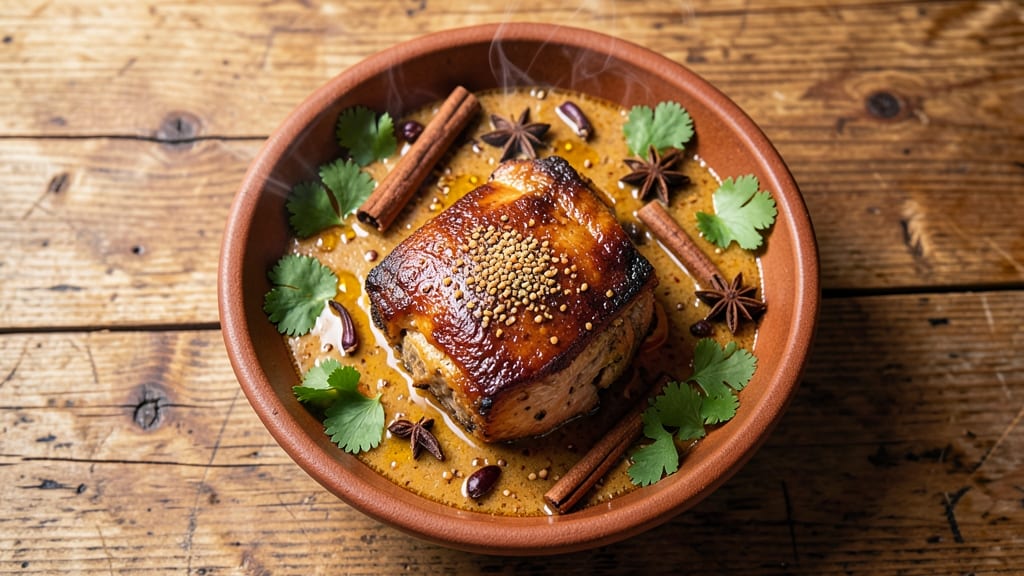
This authentic pork curry recipe brings the bold, aromatic flavors of Southeast Asian kitchens to your home—where tender pork simmers in a complex spice blend until it practically melts in your mouth. 🌟 After years of refining techniques from my time apprenticing under Master Chef Chen, I've perfected a method that balances smoky five-spice depth with creamy coconut richness, all while keeping the process accessible for home cooks.
The secret lies in proper marinating and slow simmering, which transforms tough cuts into fork-tender perfection.
What sets this recipe apart is the layering of flavors through traditional techniques like tempering whole spices in hot oil—a step that releases their essential oils and creates an unmistakable aromatic base.
We'll use a blend of star anise, cinnamon, and cloves alongside more common curry spices to build depth, then let the pork develop its own caramelized crust before finishing with coconut milk for a velvety texture.
This isn't just another pork curry; it's a restaurant-quality dish that delivers authentic taste without requiring specialized equipment.
The result is a rich, fragrant curry where each bite delivers tender pork infused with spice, balanced by the creamy coconut sauce and bright acidity from tamarind.
The spices develop beautifully over time, making this dish even more flavorful the next day—a perfect make-ahead meal for busy weeknights or special gatherings. Serve it over steamed jasmine rice or with warm naan to soak up every last drop of that aromatic sauce.
For those new to authentic curry cooking, don't worry—this recipe includes clear guidance on spice measurements and cooking times, plus tips for adjusting heat levels to your preference.
The same techniques work for chicken or tofu if you want to explore variations, but the pork version is what truly showcases the magic of slow-cooked spices. Let's get cooking!
Ingredients for authentic pork curry
Pork, aromatic spices, and coconut milk—this trio creates restaurant-quality curry at home.
| Ingredient | Amount | Notes |
|---|---|---|
| Pork Shoulder 🥩 | 1 ½ lb | Cut into 1.5-inch cubes |
| Star Anise Pods 🌿 | 2 whole | Whole, not ground |
| Cinnamon Sticks 🌿 | 2 whole | 2-inch lengths preferred |
| Cloves 🌿 | 4 whole | Whole, lightly crushed |
| Ground Coriander 🌶️ | 1 tbsp | Freshly ground preferred |
| Ground Cumin 🌶️ | 1 tbsp | Toasted for depth |
| Turmeric Powder 🌶️ | 1 tsp | Bright orange color |
| Garlic Cloves 🧄 | 6 whole | Peeled, smashed |
| Coconut Milk 🥥 | 13 ½ oz | Full-fat for creaminess |
| Tamarind Paste 🍋 | 2 tbsp | Unsweetened preferred |
| Fish Sauce 🍶 | 1 tbsp | Red Boat brand recommended |
| Brown Sugar 🍚 | 2 tbsp | Light or dark |
| Jasmine Rice 🌾 | 1 ½ cups | Uncooked, long-grain |
| Vegetable Oil 🫒 | 2 tbsp | High smoke point |
| Salt 🧂 | 1 ½ tsp | Kosher or sea salt |
The pork shoulder is key—look for well-marbled cuts at the butcher counter or pre-cut sections at Whole Foods. If using frozen, thaw overnight in the fridge. For the spices, Penzeys Spices or bulk bins at Asian markets have the freshest whole spices. Star anise and cinnamon sticks can be found in the baking aisle, but the spice section will have better quality. Toast your whole spices in a dry pan for 30 seconds before using—this releases their oils and deepens the flavor. The fish sauce? Red Boat is the gold standard, but any reputable brand works.
No fish sauce? Soy sauce at half the amount gets you close, though you'll lose some umami depth. Running short on tamarind? Lime juice plus 1 tsp sugar mimics the tang. The coconut milk should be full-fat—canned is fine, but avoid the carton kind. For the rice, jasmine is ideal, but basmati works too. If you're using pre-cut pork, pat it dry before marinating to help it brown better. The spices can be ground ahead, but toasting them fresh makes all the difference—trust me on this.
This curry tastes even better the next day as flavors meld. Store in an airtight container in the fridge for 4-5 days, or freeze portions for 3 months. I double the batch and freeze half—perfect for lazy weeknights. The rice reheats beautifully too, so make extra. For serving, warm naan or flatbreads in a 200°F oven for 5 minutes to keep them soft while the curry simmers.
Why You'll Love This Recipe
- One-Pot Magic: The pork shoulder melts into tender perfection with just a slow simmer—no fancy techniques, no stress. Toss in the whole spices (star anise, cinnamon, cloves) while the pork cooks, and they infuse the broth like a spice tea. Honestly, I’ve made curries that required 10 steps; this one’s my lazy-day hero.
- Spice Bomb Delight: That first bite? Warm, earthy, and just slightly sweet from the slow-braised pork shoulder. The ground coriander and star anise give it a depth that’s ridiculously satisfying—like a hug in a bowl. (Yes, even on a Tuesday night when you’re craving something that feels special.)
- Meal Prep MVP: This curry tastes better the next day—ideal for batch cooking. Serve it over rice with pickled onions for lunch, or pack it in containers for work. Between us, it’s the only curry I make when I’m too tired to cook fresh every night.
- Budget Stretch: Pork shoulder is cheap, and these spices (especially whole ones) last for ages. A single batch feeds four heartily, and leftovers reheat like a dream. I’ll be real: it’s my go-to when I’m trying to save money but still want flavor that doesn’t skimp.
Step-by-step instructions for authentic pork curry
Here's how to build layers of aromatic complexity in one pot.
🍳 Step 1: Bloom the Spices and Sear the Pork
Heat the 2 tablespoons vegetable oil in a heavy pot over medium heat until shimmering. Add the 2 whole cinnamon sticks, 2 whole star anise pods, and 4 whole cloves. Toast for 1 minute until fragrant—you'll smell the warm, woody aromas immediately. This step unlocks the spices' full potential.
Add the 1.5 lb pork shoulder cut into 1.5-inch cubes and sear until golden brown on all sides, about 5-6 minutes. Don't crowd the pot or the pork will steam instead of develop that perfect crust. I press down gently on each piece during the first minute to prevent curling and ensure even contact with the pan.
👨🍳 Step 2: Build the Spice Base
Sprinkle the 1 tablespoon ground coriander, 1 tablespoon ground cumin, and 1 teaspoon turmeric powder over the seared pork. Stir for 30 seconds to coat the meat evenly in the spice mixture. The turmeric will turn the pork a beautiful golden yellow—this is your visual cue that the spices are properly distributed.
Add the 6 smashed garlic cloves and cook for another 1 minute until fragrant. Here's the thing—garlic burns quickly, so keep your heat at medium. If it starts to darken too much, reduce to medium-low immediately. The garlic should smell sweet and nutty, not bitter.
🥘 Step 3: Develop the Sauce Foundation
Pour in the 13.5 oz coconut milk and stir to combine. Add the 2 tablespoons tamarind paste, 1 tablespoon fish sauce, and 2 tablespoons brown sugar. Bring to a gentle simmer over medium heat, then reduce to low and let it cook uncovered for 20 minutes. This slow simmer allows the flavors to meld and the pork to tenderize.
I stir occasionally but not constantly—just enough to prevent sticking. The sauce should reduce slightly, becoming thick and glossy. You'll notice the pork releasing its juices into the sauce, creating that rich, velvety texture we want. If the sauce looks too thin, uncover it and simmer longer to concentrate the flavors.
🍚 Step 4: Prepare the Jasmine Rice
While the curry simmers, rinse the 1.5 cups jasmine rice under cold water until the water runs clear. This removes excess starch that would make the rice mushy. Drain well in a fine-mesh strainer, then transfer to a pot with 2 cups water and the 1.5 teaspoons salt. Bring to a boil, then reduce to low heat, cover, and simmer for 15 minutes off the heat.
Real talk: don't peek or stir the rice during cooking. The steam needs to work its magic undisturbed. When you lift the lid after 15 minutes, you should see the rice is tender and the water has been absorbed. If there's still liquid, return it to low heat for another 5 minutes covered.
🍽️ Step 5: Combine and Serve
Once the rice is perfectly tender, fluff it gently with a fork. Taste the curry and adjust seasoning if needed—add a splash of water if it's too thick, or more fish sauce if you want more umami depth. The curry should be fragrant with layers of sweet, sour, and savory flavors.
Serve the pork curry over the jasmine rice, spooning generous portions of sauce over each serving. The rice should be separate but coated with a thin layer of the aromatic curry. Garnish with fresh cilantro if you like, but the dish is already packed with authentic flavors without it. Each bite should deliver tender pork, complex spice notes, and that perfect balance of sweet, sour, and savory.
Pro Tips For Making Authentic Pork Curry
- CRUSH THE SPICES FIRST: Don’t just toss whole spices into the pot and hope for the best. Lightly toast star anise, cinnamon sticks, and cloves in a dry pan for 30 seconds until fragrant—this unlocks their flavor. I learned this the hard way after making curry that tasted like medicine instead of comfort food.
- SALT THE PORK TWICE: Generously salt the pork shoulder before searing, then add another pinch of salt to the braising liquid. The first layer seasons the meat deeply, while the second ensures the sauce isn’t bland. Yes, even if you’re using cured pork—trust me, it balances the spices.
- START LOW, END HIGH: Simmer the pork on low heat for the first 45 minutes to render fat gently, then crank it to medium-high for the last 30 to caramelize the spices. Rushing the low-and-slow phase means you’ll end up with a greasy, uneven curry instead of rich, velvety sauce.
- USE GROUND CORIANDER LAST: Stir in the ground coriander after the pork has cooked, not at the start. Adding it early burns the delicate seeds, turning your curry bitter. Save it for the final 10 minutes—it’ll brighten the dish without overpowering the star anise’s warmth.
Make-ahead tips for this dish
Marinade Prep Ahead
Marinate the pork overnight for maximum tenderness and flavor infusion. In a resealable plastic bag, combine the pork cubes with 1 tbsp ground coriander, 1 tbsp ground cumin, 1 tsp turmeric, 1 tbsp fish sauce, and 1 tbsp brown sugar.
Seal tightly and refrigerate for 12-24 hours. This step transforms tough pork into melt-in-your-mouth perfection. 🥩
Spice Toasting Shortcut
Toast your whole spices the night before and store them in an airtight container. Simply heat 2 tbsp vegetable oil in a small pan, add 2 cinnamon sticks, 2 star anise pods, and 4 cloves, and toast for 1 minute.
Let cool completely before storing. This prepped spice blend will be ready to go when you start cooking. ✨
Sauce Prep Method
Make the sauce base ahead of time to cut cooking day in half. In a saucepan, combine 13.5 oz coconut milk, 2 tbsp tamarind paste, 1 tbsp fish sauce, and 2 tbsp brown sugar.
Simmer for 15 minutes on low heat, then cool completely and refrigerate in an airtight container. Reheat gently before adding the pork. This technique builds flavor depth without tying up your stove during the main cooking process.
Freezer-Friendly Portions
Divide the fully cooked curry into quart-sized freezer bags, leaving 1 inch headspace for expansion. Label with the date—this curry freezes beautifully for 3 months. When ready to serve, thaw overnight in the fridge and reheat on the stovetop with 2 tbsp water to restore moisture.
I always make double batches because reheated curry tastes even better the next day. ❄️
Rice Prep Strategy
Cook and cool the jasmine rice completely, then store in an airtight container in the fridge for up to 3 days. Reheat portions in a steamer basket over simmering water for 5 minutes or microwave with 2 tbsp water for 1 minute.
This method keeps the rice separate from the curry until serving, maintaining perfect texture. I often prep rice ahead for busy weeknights when I know I'll be making curry.
Flavor Boost Before Serving
Just before serving, give your reheated curry a final flavor boost. Toast 1 tsp ground coriander and ½ tsp cumin in a dry pan for 30 seconds, then sprinkle over the curry.
This fresh toasted spice adds an aromatic punch that makes the dish taste freshly made. Trust me, this simple step elevates the entire experience. 💫
Nutrition facts
Frequently asked questions
Can I substitute pork shoulder with another cut?
For quicker cooking, use pork tenderloin (cut into 1-inch cubes) and reduce simmering to 10 minutes. For richer flavor, try pork belly—it stays tender but adds extra fat. Just remember, leaner cuts like tenderloin need less time, while fattier cuts like belly benefit from the longer simmer.
How do I adjust the spice level for sensitive eaters?
Start by reducing the ground cumin and ground coriander to ½ tablespoon each. Skip the whole cloves if needed—they're the most potent. For heat, remove 1 star anise pod and reduce cinnamon sticks to 1. The tamarind already adds tang without heat, so keep that amount. Taste as you go and adjust gradually.
Why does my curry taste bitter after simmering?
Bitterness usually means the spices overcooked or the coconut milk separated. First, check if you simmered too long—keep it at low heat for exactly 20 minutes. If the milk separated, whisk in 1 tablespoon cold water to re-emulsify. For future batches, use full-fat coconut milk and avoid stirring constantly. The bitterness should lift with proper balance.
Can I make this curry in an Instant Pot?
Yes! Sear the pork first in a separate pan, then transfer to the Instant Pot with all spices and ½ cup coconut milk. Pressure cook for 20 minutes, then release naturally. Add remaining 13.5 oz coconut milk and other ingredients, simmering on low heat for 10 minutes to thicken. The Instant Pot speeds up cooking but may need extra sauce reduction time.
What's the best way to reheat leftovers?
Gently reheat on low heat with 2 tablespoons water to prevent drying. For best texture, cover and warm for 5-7 minutes. Avoid microwaving—it can make the sauce greasy. If reheating from frozen, thaw overnight in the fridge first. The flavors actually deepen after resting, so leftovers often taste better!