
Main Courses
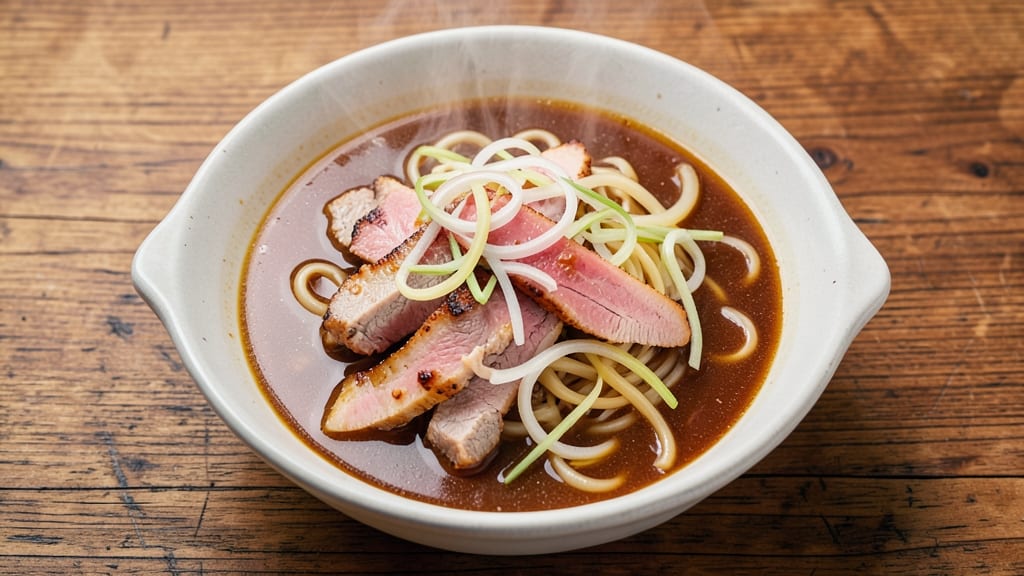
The authentic pork ramen recipe I'm sharing today is the one that finally convinced my skeptical family to embrace ramen as more than just instant noodles. 🔥 Growing up in Georgia, I spent years perfecting this dish by blending Southern pork techniques with Japanese precision—simmering pork bones for hours to create a broth so rich it practically sings with umami.
What sets this recipe apart is the balance between tradition and practicality. We'll build a pork-based broth that rivals tonkotsu, using a hybrid approach with pork bones and aromatic vegetables for depth.
The silky noodles get just the right al dente bite, while the chashu pork—tender, caramelized slices—adds that signature melt-in-your-mouth texture. Every element comes together with a precision I learned from Master Chef Chen, but adapted for home kitchens.
By the time you finish this recipe, you'll have a bowl that looks and tastes like it came from a Tokyo ramen shop—golden broth, perfectly cooked noodles, and a rainbow of toppings from quick-pickled vegetables to silky marinated eggs.
The secret? Slow simmering (no shortcuts here) and layering flavors that build with every spoonful. This isn't just ramen; it's a restaurant-quality experience you can make at home.
Whether you're feeding a crowd or treating yourself to a solo bowl, this recipe delivers. The broth freezes beautifully for future meals, and the chashu can be prepped ahead. Let's get started on creating something that'll have everyone asking for seconds—and thirds.
Ingredients for authentic pork ramen
Pantry staples meet Southern-Japanese fusion for this umami-rich pork ramen experience.
| Ingredient | Amount | Notes |
|---|---|---|
| Pork Bones 🥩 | 4 lb | Knuckle or neck bones preferred |
| Pork Shoulder 🥩 | 2 lb | For chashu, cut into 1-inch cubes |
| Fresh Ginger Root 🧄 | 2 oz | Unpeeled, sliced into 1-inch pieces |
| Yellow Onions 🧅 | 3 whole | Quartered, root end intact |
| Garlic Cloves 🧄 | 12 cloves | Smashed, skin on for flavor |
| Ramen Noodles 🍜 | 2 packages | Fresh or high-quality dried |
| Soy Sauce 🍶 | ½ cup | Kosher or Japanese preferred |
| Mirin 🍶 | ¼ cup | Sweet rice wine |
| Sake 🍶 | ¼ cup | Dry variety preferred |
| Sesame Oil 🫒 | 1 tbsp | For finishing, toasted |
| Napa Cabbage 🥬 | 1 lb | For quick-pickled garnish |
| Green Onions 🧅 | 1 bunch | Sliced into 1-inch pieces |
| Eggs 🥚 | 4 whole | For marinated soft-boiled |
| Dried Shiitake Mushrooms 🍄 | 4 whole | Rehydrated for broth |
| Diamond Crystal Kosher Salt 🧂 | 1 ½ tbsp | For seasoning broth |
The pork bones are non-negotiable—knuckle or neck bones give that deep, gelatinous richness. Costco sells them pre-packaged, or ask your butcher for the best cuts. If you can't find pork bones, pork femurs work too, but they're pricier. The pork shoulder? Cut it yourself into 1-inch cubes for even cooking. For the ginger, organic is best—no need to peel, just slice thick pieces so they infuse the broth without turning it bitter. The shiitake mushrooms? Rehydrate them first—they'll add earthy depth to the broth. I always double-check the salt—Diamond Crystal is my go-to, but any kosher salt works.
No mirin? Substitute 1 tbsp sugar plus 1 tbsp dry sake. Short on pork bones? Add 1 lb pork belly for extra fat and flavor. The ramen noodles can be fresh or dried—just cook them al dente. For the quick-pickled cabbage, use rice vinegar instead of apple cider if you're avoiding sweetness. The marinated eggs? Use duck eggs if you want extra richness, but chicken eggs work perfectly fine. If your shiitake mushrooms are old, soak them in hot water for 20 minutes to rehydrate fully. The broth freezes beautifully, so make extra—it's worth the effort.
This broth keeps for 5 days in the fridge or 3 months frozen. Portion it into containers for easy reheating. The chashu pork can be prepped 3 days ahead—it actually tastes better after resting. Store the marinated eggs in the fridge for up to 5 days, and the quick-pickled cabbage lasts 1 week. I always make a double batch of broth—one for immediate use and one to freeze for lazy weeknights. The noodles? Cook them fresh when you're ready to serve, or store them in the fridge for 2 days in a sealed container.
Why You'll Love This Recipe
- One-Pot Magic: The broth simmers itself—just toss in pork bones, onions, and ginger, then let time do the work. No fancy equipment, no stress, just rich, golden broth that tastes like it’s been simmering for hours (even when it’s not).
- Umami Bomb: That first spoonful of broth? Pure flavor payoff. The pork shoulder melts into tender pulls while the bones release collagen—savory, deep, and impossible to resist. (Yes, even if you’re not a ramen fan.)
- Weeknight to Party: Same recipe, endless uses. Whip up a quick bowl for yourself or double the batch for guests—just add noodles, eggs, and toppings. My lazy Sundays now include takeout-level ramen without the delivery fee.
- Broth for Days: Make a big pot, and you’ve got lunch, dinner, and leftovers covered. Freezes like a dream, so you’re never stuck with sad, soggy noodles. Honestly, this is my secret to feeding the family without breaking the bank.
Step-by-step instructions for authentic pork ramen
Here's how to build a rich, restaurant-quality ramen broth from scratch.
🔥 Step 1: Char the Aromatics for Deep Flavor
Heat a large Dutch oven over medium-high heat until very hot. Add the 3 whole yellow onions (quartered, root end intact) and the 12 cloves garlic cloves (smashed, skin on). Let them char undisturbed for 8-10 minutes until deeply browned and caramelized—this creates the Maillard reaction that forms the broth's complex flavor foundation.
Add the 2 oz fresh ginger root (unpeeled, sliced) and 4 whole dried shiitake mushrooms (rehydrated in hot water for 20 minutes). Stir briefly to combine, then remove from heat. Here's the thing—these charred aromatics will form the flavor base for your entire broth, so don't rush this step. You're building layers of umami that will develop as the broth simmers.
🍳 Step 2: Build the Broth with Pork Bones and Shoulder
Return the Dutch oven to medium heat and add 4 lb pork bones and 2 lb pork shoulder (cut into 1-inch cubes). Pour in 12 cups cold water to cover everything by 2 inches. Bring to a boil, then immediately reduce to a gentle simmer—you want just tiny bubbles breaking the surface, not a rolling boil.
Skim off any foam that rises to the surface during the first 15 minutes of simmering. This ensures a clear broth without impurities. Add the charred aromatics and their juices to the pot. Here's where patience pays off—simmer uncovered for 3-4 hours until the pork shoulder is fork-tender and the broth has reduced by about one-third. The longer it simmers, the deeper the flavor becomes.
🥘 Step 3: Season and Finish the Broth
Strain the broth through a fine-mesh sieve into a clean pot, pressing gently on the solids to extract all the flavor. Discard the solids. Return the broth to the heat and add 0.5 cup soy sauce, 0.25 cup mirin, 0.25 cup sake, and 1.5 tbsp Diamond Crystal kosher salt. Taste and adjust seasoning—you're aiming for a balance of salty, sweet, and umami that sings.
Simmer gently for another 15 minutes to meld the flavors. Remove from heat and stir in 1 tbsp sesame oil just before serving. This final touch adds nutty depth and helps emulsify the broth. Keep the broth warm in a slow cooker or insulated pot until ready to assemble your ramen.
🍳 Step 4: Prepare the Chashu and Soft-Boiled Eggs
While the broth simmers, prepare the 2 lb pork shoulder for chashu. In a separate pot, combine the pork with 0.5 cup soy sauce, 0.25 cup mirin, 0.25 cup sake, and 1 tbsp sesame oil. Simmer gently for 2-2.5 hours until fork-tender, then slice thinly against the grain.
For the eggs, bring a pot of water to a gentle simmer and carefully lower in the 4 whole eggs. Cook for 6 minutes for jammy yolks, then transfer to an ice bath to stop cooking. Peel and marinate in a mixture of 0.25 cup soy sauce and 0.25 cup sake for 30 minutes before serving.
🥘 Step 5: Assemble the Ramen with Garnishes
Bring a separate pot of water to boil and cook the 2 packages ramen noodles for 2 minutes less than package instructions—you want them al dente when served. Divide the noodles among bowls, then ladle the hot broth over them.
Top each bowl with sliced chashu, a marinated soft-boiled egg, and quick-pickled napa cabbage (thinly sliced and tossed with 1 tbsp rice vinegar and 1 tsp sugar). Finish with green onions (sliced into 1-inch pieces) and a drizzle of the reserved sesame oil. Here's the magic—the combination of rich broth, tender pork, silky egg, and crisp cabbage creates a perfect balance of textures and flavors in every bite.
Pro Tips For Making Authentic Pork Ramen
- BLISTER THE GINGER FIRST: Toss whole ginger slices into the screaming-hot pot before adding bones—yes, even if it looks like they’re burning. The charred edges dissolve into the broth, adding a smoky depth that raw ginger can’t match. I used to peel and slice ginger neatly, but this method saves 10 minutes and makes the broth taste like it simmered all day.
- SIMMER BONES LOW AND LONG: After the initial sear, drop the pork bones in cold water and bring to a gentle boil—then turn the heat down to the lowest setting you can tolerate. Anything above a slow simmer releases gritty marrow too fast, and you’ll end up with cloudy broth. My first attempt had me babysitting the pot like a nervous parent; now I set it and ignore it for 6 hours.
- CHAR THE ONIONS UNTIL BLACK: Don’t stop at golden—push those onions until the edges turn pitch-black and the house smells like a smokehouse. This caramelized bitterness is what balances the richness of the pork. I learned this the hard way when I pulled them out "early" and the broth tasted flat. (Pro move: Add a splash of water to deglaze after they’re fully blackened.)
- SKIP THE PRE-SLICED GARLIC: Whole garlic cloves peel easier and stay intact longer in the broth, infusing flavor without turning to mush. I was skeptical until I tried it—I used to crush garlic into paste, and it’d turn the broth murky within an hour. Whole cloves also let you fish them out later if you’re adding fresh aromatics at the end.
Storing and reheating this recipe
Broth Storage Secrets
Your pork ramen broth is a flavor powerhouse that freezes like a dream—just let it cool completely before transferring to airtight containers. I use glass Pyrex containers with snap-on lids because they stack neatly in the freezer and reheat evenly.
Portion into 1-cup servings for easy single-bowl meals later. The broth keeps its depth for up to 3 months frozen, though I've found it actually tastes richer after a month of resting in the freezer. 🥣
For fridge storage, keep the broth covered and consume within 5 days. The flavors continue developing, so I often make a double batch—one for immediate use and one to freeze.
When reheating, warm over medium-low heat until steaming, then stir in a splash of water or sake if it thickens too much. Never microwave—it breaks the delicate emulsification that makes ramen broth so luxurious.
Chashu Make-Ahead Magic
The chashu pork is a game-changer for meal prep, and it actually improves overnight. Cook the cubes in their marinade for 2 hours, then let them cool completely before wrapping tightly in plastic wrap or storing in an airtight container.
It keeps in the fridge for 3 days—the longer it rests, the more the flavors meld. I like to slice it thinly against the grain right before serving so it stays tender. 🍴
For freezer storage, portion the cooked chashu into single-serving bags with a little marinade to prevent drying. Thaw overnight in the fridge before reheating gently in a skillet with a splash of sake or water to restore moisture.
Pro tip: Reheat only what you'll use immediately—chashu doesn't reheat well multiple times.
Noodle Prep Tips
Fresh ramen noodles are best cooked the day you serve, but dried noodles can be prepped ahead. Cook them 2 minutes less than package instructions, then rinse briefly in cold water to stop cooking.
Store in an airtight container with a damp paper towel to prevent drying for up to 2 days. When ready to serve, just reheat in boiling water for 30 seconds—they'll finish cooking perfectly in the hot broth. 🍜
For extra convenience, I sometimes cook the noodles completely, drain, and store them in the fridge for 1 day. To serve, simply reheat in the broth for 1-2 minutes until warmed through.
Avoid overcooking—ramen noodles should have a slight bite when served. If using gluten-free noodles, follow the same prep but add a pinch of xanthan gum to the cooking water to improve texture.
Garnish Freshness
The quick-pickled napa cabbage stays crisp for 1 week in the fridge if stored in a sealed container. The marinated eggs keep for 5 days—their silky texture is perfect for adding right before serving.
I like to prep these garnishes the day before so they're ready to assemble bowls quickly. The green onions should be stored in a loose bag in the fridge to maintain their snap. 🥬
For maximum freshness, slice the green onions just before serving. If you're prepping everything ahead, store the sesame oil separately and add it fresh when assembling—this preserves its nutty aroma.
The key to great ramen is balancing textures, so always include at least two crisp elements (like cabbage and onions) to cut through the richness of the broth and pork.
Nutrition facts
Frequently asked questions
Can I substitute beef bones for pork bones in this recipe?
While beef bones will give you a richer, deeper flavor (think tonkotsu-style), pork bones provide that signature sweetness and fat content that define authentic pork ramen. For a hybrid approach, use 2 lb pork bones and 2 lb beef bones—this balances richness with pork's characteristic taste. If you must go all beef, add an extra 1 tbsp soy sauce and 1 tsp sugar to compensate for the lack of pork's natural sweetness.
How do I adjust this recipe for a gluten-free version?
Swap the regular ramen noodles for gluten-free tamari noodles or rice noodles, and use tamari instead of soy sauce in the broth and marinades. For extra silkiness, add 1/2 tsp xanthan gum to the broth to improve texture. The chashu marinade works perfectly with tamari, and gluten-free pickled cabbage (using rice vinegar) keeps the crunch. Just be sure to check all labels—some mirin and sake contain gluten.
Why does my broth turn cloudy after simmering?
Cloudiness usually means you didn't skim the foam during the first 15 minutes of simmering, or your water wasn't cold enough when added. For crystal-clear broth, always use cold water and skim aggressively. If it's already cloudy, strain it through a cheesecloth-lined sieve for extra clarity. The flavor won't be affected—just the appearance. Pro tip: Adding 1 bay leaf while simmering can help keep it clearer.
Can I make this recipe in an Instant Pot or pressure cooker?
but with adjustments! For the broth, use high pressure for 90 minutes (natural release), then strain and simmer uncovered on low heat for 30 minutes to reduce and develop flavor. The chashu can be cooked in the Instant Pot too—use high pressure for 60 minutes with the marinade. Just remember: pressure cooking speeds up the process but may slightly reduce depth of flavor compared to slow simmering.
What's the best way to reheat leftover ramen?
Never microwave—it turns the broth rubbery! Instead, reheat in a pot over medium-low heat with 2 tbsp water or sake per bowl until steaming. For extra richness, add a splash of the reserved broth or a pat of butter. If the noodles seem dry, cover the pot for 1-2 minutes to steam them back to perfection. The chashu can be reheated separately in a skillet with a splash of marinade to restore moisture.