
Main Courses
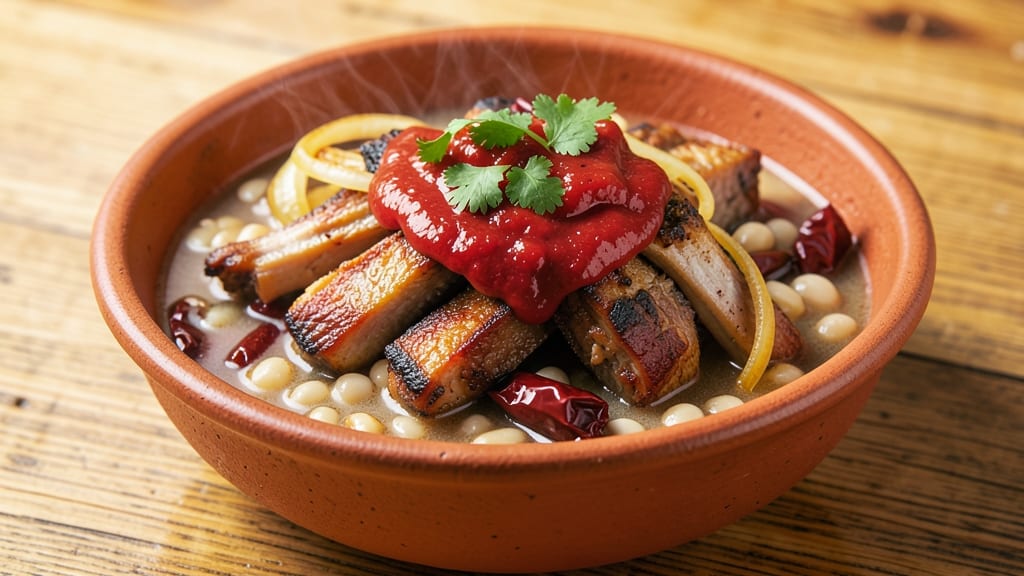
This authentic red pork pozole recipe brings the soul of Mexican home cooking to your table with its deep, smoky broth and tender pork. I first learned this recipe from my abuela, who insisted the secret lies in slow-simmered hominy and hours of patient cooking—no shortcuts.
The result? A dish that's equal parts comforting and celebratory, with layers of flavor that build with every bite.
The foundation starts with a rich, smoky broth made from dried chiles and pork bones, simmered until the meat falls apart and the liquid develops that unmistakable depth.
We'll use hominy—nixtamalized corn kernels—that gives pozole its signature texture, while chiles de árbol and guajillo add the perfect balance of heat and earthiness. The key is letting everything meld together over time, creating a broth so flavorful it deserves its own bowl.
What makes this recipe truly special is the crunchy toppings that transform pozole from a simple stew into a vibrant, textured masterpiece. Shredded cabbage, radishes, avocado, and toasted tortilla strips add contrast to the creamy hominy and tender pork.
Each spoonful becomes a symphony of temperatures and textures—creamy, crunchy, tender, and slightly spicy all at once. This is the kind of dish that brings people together, whether it's for a family gathering or a quiet weeknight dinner.
I've perfected this recipe over years of testing, balancing traditional techniques with modern convenience—like using a pressure cooker for the broth without sacrificing authenticity. The result is a restaurant-quality pozole that still feels like home cooking.
Let's get started on a recipe that's as much about the process as it is about the final bowl.
Ingredients for authentic red pork pozole
Six pounds of pork, eight dried chiles, and hours of simmering create this soulful Mexican classic.
| Ingredient | Amount | Notes |
|---|---|---|
| Pork Shoulder (Bone-In) 🐖 | 4 lb | Cut into 2-inch chunks for even cooking |
| Dried Guajillo Chiles 🌶️ | 8 whole | Stemmed and seeded, medium heat |
| Dried Árbol Chiles 🌶️ | 4 whole | Stemmed and seeded, for heat |
| Pork Bones 🦴 | 1 ½ lb | Knuckle or neck bones preferred |
| White Hominy 🌽 | 2 cups | Canned, drained and rinsed |
| Yellow Onions 🧅 | 2 whole | Chopped, yellow or red variety |
| Garlic Cloves 🧄 | 6 cloves | Peeled, for broth base |
| Tomatoes 🍅 | 2 whole | Roma or vine-ripened, quartered |
| Cumin Seeds 🌿 | 1 tbsp | Toasted for deeper flavor |
| Bay Leaves 🍃 | 2 whole | Fresh preferred for aroma |
| Salt 🧂 | 2 tsp | Diamond Crystal preferred |
| Fresh Cilantro 🌿 | ½ cup | Chopped, for garnish |
| Radishes 🥕 | 2 whole | Thinly sliced for crunch |
| Green Cabbage 🥬 | ½ head | Shredded for topping |
| Avocados 🥑 | 2 whole | Sliced for serving |
| Corn Tortillas 🍞 | 6 whole | Toasted for garnish |
| Lime 🍋 | 1 whole | Juiced, for serving |
| Vegetable Oil 🫒 | ¼ cup | For toasting chiles |
The pork shoulder and bones are the heart of this recipe—bone-in cuts create the richest broth. Look for well-marbled meat at La Tienda or local Mexican markets for authentic flavor. If using store-bought pork shoulder, trim excess fat to 1/4-inch thickness for even cooking. The dried chiles should be bright red and pliable—avoid any with dark spots or wrinkles, as they indicate age. Toast them in a dry skillet for 30 seconds per side to deepen their flavor before soaking. For the hominy, La Costeña brand is my go-to for authentic texture, but any canned white hominy works in a pinch.
No guajillo or árbol chiles? Ancho chiles work as a substitute, though they're milder. Short on pork bones? Chicken or beef bones add depth, but pork is traditional. The tomatoes can be canned San Marzano if fresh aren't available—just drain well. For the toppings, radishes from the produce section add that perfect crunch, while avocados from the Mexican market stay fresher longer. The tortillas should be corn-based for authenticity—flour tortillas won't toast the same way. If you can't find fresh cilantro, dried works at 1/4 the amount, though fresh is ideal for garnish.
This pozole tastes even better the next day as flavors meld. Store in the fridge for up to 5 days, covered to preserve aroma. For freezing, portion into 2-quart containers—reheat on low heat or in a pressure cooker to maintain texture. The toppings should be added fresh when serving. I always make a double batch—pozole freezes beautifully and becomes a quick weeknight meal. The broth alone makes an excellent soup base if you find yourself with leftovers.
Why You'll Love This Recipe
- One-Pot Magic: I swear by this recipe because it’s one pot—no chopping, no fuss. The bone-in pork shoulder and pork bones simmer right in the broth, while the hominy soaks up all that smoky, chile-rich flavor. Honestly, I’ve made it while waiting for a pot of rice to finish.
- Smoky Fireworks: That combo of guajillo and árbol chiles? It’s where the pozole gets its soul. The guajillo gives a fruity depth, while the árbol adds a subtle heat that lingers—like a campfire in a bowl. I’ll be real: the first time I tasted it, I immediately texted my abuela and said, “This is how it’s supposed to taste.”
- Leftovers That Save Me: I make a double batch because the second day is even better—the flavors meld, the broth gets richer, and I’ve got a free lunch for work. Plus, the hominy keeps it hearty, so it’s filling without being heavy. My freezer’s full of these, and I’m never stressed about meal prep again.
Step-by-step instructions for authentic red pork pozole
Transform humble ingredients into a rich, smoky pozole that captures Mexico's heartland tradition.
Toast and Prepare the Chiles
Heat a dry skillet over medium heat and add the 0.25 cup vegetable oil. Once shimmering, add the 8 whole dried guajillo chiles and 4 whole dried árbol chiles, stirring constantly for 2-3 minutes until they darken and become fragrant. This step removes bitterness and deepens their smoky aroma.
Transfer the toasted chiles to a bowl and cover with 2 cups hot water from the kettle. Let them soak for 15 minutes while you prepare the remaining ingredients. The chiles should soften enough to be easily mashed with your fingers—this ensures a smooth, velvety sauce without gritty texture.
Build the Broth with Pork and Aromatics
In a large Dutch oven, combine the 4 lb pork shoulder cut into 2-inch chunks, 1.5 lb pork bones, 2 whole yellow onions chopped, 6 cloves garlic peeled, 2 whole tomatoes quartered, 1 tbsp toasted cumin seeds, and 2 whole bay leaves. Add 8 cups cold water and bring to a boil over high heat.
Once boiling, reduce heat to low and skim off any foam that rises to the surface for the first 10 minutes. This creates a clear, flavorful broth without cloudiness. Let the mixture simmer uncovered for 2 hours, stirring occasionally. The pork should become fork-tender, and the broth should reduce slightly, intensifying its depth of flavor.
Blend the Chile Sauce
After the pork has simmered, drain the soaked chiles and reserve the soaking liquid. In a blender, combine the softened chiles, 2 cups reserved soaking liquid, and 1 tsp salt. Blend until completely smooth, scraping down the sides as needed. The sauce should be vibrant red with no visible chile fibers.
Strain the blended sauce through a fine-mesh sieve into the Dutch oven with the pork mixture. Stir well to combine, then return to a simmer for 30 minutes. This step infuses the broth with authentic smoky heat while keeping the texture rich and unctuous.
Cook the Hominy and Finish the Pozole
Add the 2 cups white hominy to the pot and simmer for 20-25 minutes until the hominy is tender and the broth has thickened slightly. The hominy should float freely in the broth without resistance when pierced with a fork. Taste and adjust seasoning with the remaining 1 tsp salt if needed.
Remove the pork shoulder from the broth and shred it using two forks. Return the shredded pork to the pot and simmer for an additional 10 minutes to allow all the flavors to meld together. The final pozole should have a deep red hue and a rich, smoky aroma that fills your kitchen.
Prepare and Serve the Toppings
While the pozole simmers, prepare the toppings: shred the 0.5 head green cabbage, slice the 2 whole radishes thinly, chop the 0.5 cup fresh cilantro, and slice the 2 whole avocados. Toast the 6 whole corn tortillas in a dry skillet over medium heat until crispy.
Ladle the pozole into bowls and arrange the toppings artfully on top. Squeeze juice from the whole lime over each serving. The contrast of creamy avocado, crisp radishes, and cool lime against the warm, smoky pozole creates the perfect balance of textures and flavors that define this authentic dish.
Pro Tips For Making Authentic Red Pork Pozole
- Char the Chiles Properly: Don’t just toast those guajillo and árbol chiles—char them over a gas flame or under a broiler until they’re blackened in spots. I learned this the hard way: under-toasted chiles make a weak, bitter broth instead of the deep, smoky base pozole needs. (Yes, even if you’re impatient like me, resist the urge to rush.)
- Simmer the Bones First: Start with the pork bones in cold water, then bring to a boil before adding anything else. This pulls out the marrow and collagen early, giving your broth that rich, gelatinous depth. I used to toss everything in at once, and my pozole always tasted thin—this fix changed that.
- Soak Hominy Twice: Drain the hominy after its first soak, then rinse it under cold water before the second soak. This removes the excess starch that clouds the broth and makes the hominy gummy. (Your future self will thank you when the pozole stays clear and the hominy stays firm.)
- Render the Shoulder Fat Slow: Don’t rush the pork shoulder—let it render fat at a gentle simmer for at least 2 hours before adding the chiles. The fat keeps the broth silky, and the meat stays tender. I was skeptical until I tried it: the difference in texture is night and day.
Dietary considerations for this dish
Vegetarian Adaptation
Swap the pork shoulder and bones for 2 lbs portobello mushrooms and 1 lb extra-firm tofu, both cut into chunks. Use 2 cups vegetable broth instead of water for the initial simmer.
The mushrooms add an earthy depth that mimics pork's richness, while tofu provides a tender, protein-packed alternative. Boost umami with 1 tbsp soy sauce in the broth. 🌱
Gluten-Free Considerations
This recipe is naturally gluten-free, but verify that your hominy and tortillas are certified gluten-free. I recommend La Costeña hominy and Mission brand corn tortillas—both are reliably free of cross-contamination.
For extra safety, toast toppings like radishes and cabbage in a dedicated gluten-free pan. Always check spice blends for hidden gluten if using store-bought chiles.
Dairy-Free Options
Skip the avocado if avoiding dairy, but add 1 cup shredded jicama for a crisp, refreshing topping. For creaminess, stir ¼ cup coconut milk into the finished pozole. The natural richness of the broth and hominy compensates beautifully. Garnish with extra lime to brighten the dish without dairy. 🥥
Spice Level Control
Remove 2 árbol chiles if you prefer mild heat, or keep them all for a traditional kick. For extra smokiness without spice, add ½ tsp smoked paprika to the broth.
Always toast chiles thoroughly—they develop depth without overwhelming heat. If serving kids, set aside a portion of the broth before adding the blended chile sauce.
Protein Swaps
For chicken pozole, use 4 lb chicken thighs instead of pork, simmering for 45 minutes until tender. For beef, substitute 3 lb chuck roast and cook for 3 hours on low heat.
Each protein alters the broth's flavor profile—chicken becomes lighter, while beef develops deeper, meatier notes. Adjust cooking times accordingly. 🐔
Allergen-Friendly Tips
For nut allergies, avoid garnishes like toasted pepitas (pumpkin seeds). For sesame allergies, check that your tortillas are sesame-free. Always prepare toppings separately to accommodate guests with multiple allergies. I keep a dedicated cutting board for pozole toppings to prevent cross-contamination. 🚫
Nutrition facts
Frequently asked questions about authentic red pozole
Why does my pozole broth look cloudy?
Cloudiness usually means you didn't skim off the foam during the initial 10 minutes of boiling. The foam contains impurities that create that murky appearance. For crystal-clear broth, skim aggressively with a ladle or fine-mesh strainer. If it's already cloudy, simmer uncovered for an extra 15 minutes—the heat will help clarify it naturally.
Can I use store-bought chile powder instead of whole dried chiles?
While possible, you'll miss the authentic depth of toasted whole chiles. For the best flavor, toast and blend your own—it makes a noticeable difference! If you must use powder, reduce the amount by half and add ½ tsp smoked paprika for complexity. The texture will be smoother but less vibrant in color.
How do I make pozole less spicy?
Start by reducing árbol chiles to 2 instead of 4—they're the hottest. For milder heat, strain the blended chile sauce through a fine-mesh sieve to remove any remaining chile particles. If it's still too spicy, stir in 1 cup extra hominy or ½ cup sour cream to balance the heat. Always taste as you go!
What's the best way to reheat pozole?
Never microwave it—pozole reheats best on the stovetop over low heat for 10-15 minutes. Stir occasionally to prevent scorching. For leftovers, store in an airtight container and reheat with ½ cup extra broth or water to restore its original consistency. The flavors actually improve after the first day!
Can I make pozole in a slow cooker?
Combine all ingredients except hominy and toppings in the slow cooker on low for 8 hours or high for 4-5 hours. Add hominy during the last 30 minutes of cooking. The slow cooker's gentle heat develops deep flavors, though you'll need to skim foam more frequently. For extra richness, add 1 cup extra broth before serving.