
Main Courses
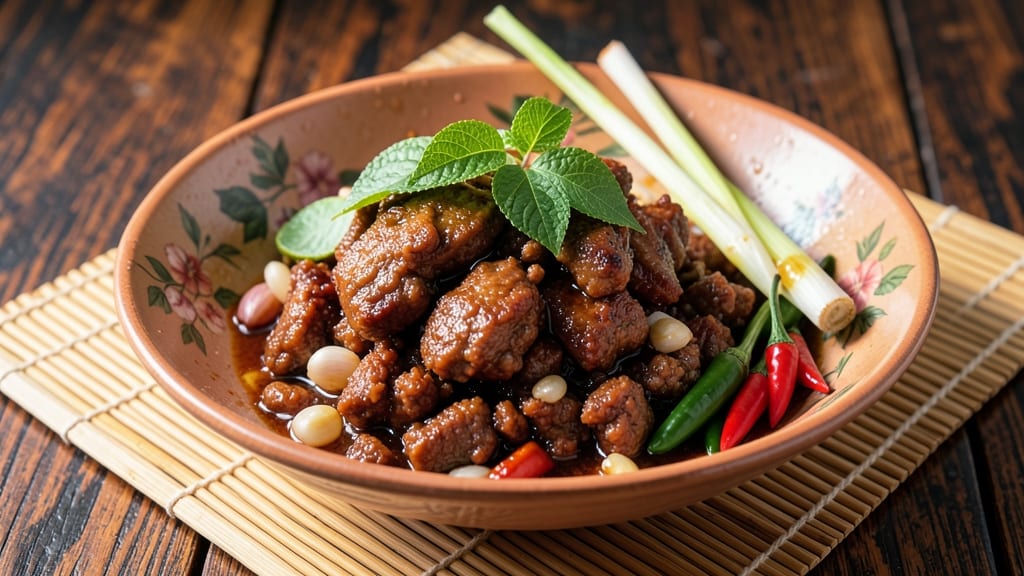
This authentic Thai minced pork recipe brings the bold, fragrant flavors of street-side Thai eateries straight to your kitchen. 🌟 The secret lies in the aromatic blend of lemongrass, kaffir lime leaves, and fresh herbs—ingredients that transform simple ground pork into a dish bursting with complexity.
I first tasted this in Bangkok, where the balance of sweet, sour, and umami created an unforgettable experience.
The magic happens through careful marinating and high-heat cooking, ensuring tender yet flavorful pork that stays juicy. Traditional techniques like pounding the marinade into the meat and finishing with a quick sear elevate this dish beyond basic recipes.
What makes it truly special is how these flavors meld together—bright citrus, earthy herbs, and a touch of heat from chili, all harmonized with the richness of pork.
By the time you serve this dish, you’ll have a restaurant-quality meal that’s perfect for weeknight dinners or special occasions. The fragrant aromas alone will draw everyone to the table, while the tender, flavorful pork pairs beautifully with sticky rice and a crisp cucumber salad.
This recipe delivers the same vibrant taste you’d find in Thailand’s bustling markets.
Whether you’re cooking for family or impressing guests, this dish is foolproof yet deeply authentic. The process is straightforward, but the result is anything but ordinary—every bite tells a story of Thailand’s culinary traditions. Let’s get cooking!
Ingredients for authentic thai minced pork
These aromatic ingredients transform simple pork into restaurant-quality Thai street food magic.
| Ingredient | Amount | Notes |
|---|---|---|
| Ground Pork 🐖 | 1 ½ lb | Freshly ground, not pre-seasoned |
| Lemongrass Stems 🌿 | 3 whole | Bruised, lower 4 inches only |
| Kaffir Lime Leaves 🍃 | 4 whole | Fresh, torn into strips |
| Garlic Cloves 🧄 | 8 cloves | Peeled, roughly chopped |
| Shallots 🧅 | 6 whole | Peeled, finely minced |
| Thai Chili Peppers 🌶️ | 2 whole | Seeds removed for mild heat |
| Fish Sauce 🍶 | 2 tbsp | Red Boat preferred |
| Palm Sugar 🍯 | 2 tbsp | Or substitute brown sugar |
| Fresh Cilantro 🌿 | ½ cup | Stems included, chopped |
| Fresh Thai Basil 🌿 | ¼ cup | Or holy basil if unavailable |
| Lime Juice 🍋 | 2 tbsp | Freshly squeezed |
| Vegetable Oil 🫒 | 2 tbsp | For high-heat searing |
| Salt 🧂 | 1 tsp | Diamond Crystal preferred |
| Black Pepper 🌶️ | ½ tsp | Freshly cracked |
The lemongrass and kaffir lime leaves are non-negotiable for authentic flavor—look for fresh stalks at Asian markets (the ones with vibrant green leaves, not dried). If you can't find kaffir lime leaves, substitute 2 tbsp lime zest plus 1 tbsp lime leaf substitute, but it won't be the same. For the pork, freshly ground from the butcher makes all the difference—pre-packaged ground pork often has fillers. The Thai chilies? Bird's eye chilies from the international aisle pack the most heat, but any fresh chili will work. If you're feeling adventurous, toast the lemongrass and shallots lightly in a dry pan before mincing to deepen their flavors—trust me on this.
No fish sauce? Soy sauce plus a splash of coconut aminos gets you close, though the umami won't be identical. Running out of palm sugar? Brown sugar works in a pinch, but it'll be slightly less refined. Fresh Thai basil is ideal, but Italian basil plus a pinch of cinnamon mimics the anise notes. The lime juice is critical—Mexican limes are more acidic than Persian, so use those if available. If you're making this ahead, prep the marinade and store it for up to 2 days, but don't add the lime juice until cooking day to prevent browning. And for the love of Thai food, don't skip the cilantro stems—they pack extra flavor.
This marinade keeps for 3 days in the fridge if stored in an airtight container, but the pork should be cooked within 24 hours of marinating for best texture. The cooked pork freezes beautifully for 2 months—portion it into single servings for easy reheating. When reheating, use a splash of water or coconut milk to prevent drying out. Serve with steamed jasmine rice and a simple cucumber salad to let the flavors shine. Leftovers? Double the batch and freeze half—this dish only gets better the next day as the flavors meld.
Why You'll Love This Recipe
- No Chopping Stress: I’ll be real—lemongrass and kaffir lime leaves can sound intimidating, but here’s the secret: you only need two stems of lemongrass (bruise them with the flat side of a knife, no slicing) and a handful of leaves torn roughly. That’s it. The rest? Garlic, shallots, and pork—all things you’re already comfortable with.
- Umami Bomb Combo: The moment the pork hits the pan with minced shallots and garlic, you’ll know you’re onto something. That crispy edge on the pork, balanced by the bright citrusy punch of the lime leaves? Honestly, it’s the kind of flavor that makes you pause mid-bite. (Yes, even on a Tuesday night.)
- Leftovers That Beg for More: This recipe actually improves the next day. The flavors meld into something deeper—perfect for quick stir-fries, rice bowls, or even stuffed into lettuce wraps. My kids argue over who gets the extra portions, and I don’t even have to cook again.
- Budget-Friendly Powerhouse: Ground pork is affordable, and lemongrass/shallots stretch further than you’d think. I’ve made this feed six people for under $15, and it’s still the dish everyone asks for. Plus, the leftovers freeze beautifully—no sad, soggy takeout nights here.
Step-by-step instructions for authentic Thai minced pork
Here's how to build that signature Thai aroma—layered with citrus, herbs, and just the right heat.
🍳 Step 1: Bruise and Extract Aromatics
Place the 3 whole lemongrass stems on a cutting board and roll them firmly with the side of your knife or a rolling pin to bruise the fibers. Cut off the lower 4 inches of each stem and then finely chop them—this releases their fragrant oils. In a separate bowl, tear the 4 whole kaffir lime leaves into thin strips using your fingers; don't chop them or you'll get bitterness.
Next, peel and finely mince the 6 whole shallots and 8 cloves garlic. Remove seeds from the 2 whole Thai chili peppers and finely chop them (keep some seeds for heat if you prefer). The key here is to work quickly—these aromatics lose potency when exposed to air. I like to keep them in a small bowl until ready to use so they stay fresh.
🔥 Step 2: High-Heat Sear the Pork
Heat a large skillet over high heat until it's smoking hot. Add the 2 tbsp vegetable oil and swirl to coat. Immediately add the 1.5 lb ground pork, breaking it up with a wooden spoon as it hits the pan. Let it sear undisturbed for 2-3 minutes until the pork loses its raw color and starts to brown—this builds deep flavor.
I press down gently on the pork during the first minute to prevent it from curling into a ball. Once it's releasing from the pan easily, stir in the minced shallots, garlic, and Thai chili peppers. Cook for another 2 minutes until the shallots soften and become translucent. The mixture should smell intensely aromatic—this is your foundation.
🥘 Step 3: Build the Thai Flavor Base
Lower the heat to medium, then add the chopped lemongrass and kaffir lime leaves. Stir everything together and cook for 1 minute until the lemongrass becomes fragrant. Add the 2 tbsp fish sauce and 2 tbsp palm sugar, stirring well to distribute evenly. The sugar will caramelize slightly, deepening the sauce's complexity.
Here's where the magic happens: add the 2 tbsp lime juice and 0.5 tsp black pepper. The acidity brightens the dish while the pepper adds warmth. Taste the mixture—it should be balanced between salty, sweet, and slightly spicy. If it needs more depth, add another ½ tsp fish sauce; if it's too sharp, a pinch of sugar helps. Let the mixture simmer for 3-4 minutes until the liquid reduces slightly and coats the back of a spoon.
👨🍳 Step 4: Finish with Herbs and Season
Remove the skillet from heat and stir in the 0.5 cup fresh cilantro and 0.25 cup fresh Thai basil. The herbs should wilt slightly but retain their color—this ensures their vibrant flavor without bitterness. Sprinkle in the 1 tsp salt and give everything one final stir. The dish is ready to serve immediately, but if you prefer a smoother texture, you can pulse it briefly in a food processor (though I prefer the rustic texture).
This minced pork is perfect for stuffed rice papers, noodle bowls, or even as a topping for grilled meats. The balance of citrus, herbs, and umami makes it unforgettable—just like the dishes you'd find in a Bangkok street food stall. Serve it warm while the aromatics are still vibrant.
Pro Tips For Making Authentic Thai Minced Pork
- Pound the Lemongrass: Use the flat side of a knife or meat mallet to smash the lemongrass stems against your cutting board—this releases the oils and aromatics better than chopping. I tried mincing it once, and the dish tasted flat until I switched to this method.
- Blanch the Shallots: Toss sliced shallots in boiling water for 30 seconds, then drain and shock in ice water. This softens them without cooking them raw, so they melt into the pork instead of staying crunchy (yes, even if you’re impatient like me).
- Low and Slow for Pork: After browning the pork, reduce heat to medium-low and let it simmer uncovered for 10 minutes. Rushing this step makes the meat rubbery—give it time to render fat and develop depth.
- Skip the Kaffir Lime Leaves: If you can’t find them, finely chop 1 lime zest + 1 lime leaf (if available) and add it at the end. The citrus punch mimics the herbal brightness—just don’t add it early, or it’ll turn bitter.
Best sauces and condiments for this authentic thai minced pork
Classic Thai Chili Sauce
This fiery, tangy sauce is the soul of Thai street food. I use 3 tbsp Red Boat fish sauce, 2 tbsp palm sugar, 1 tbsp lime juice, and 1 tbsp minced Thai chilies blended until smooth.
For extra depth, add 1 tsp toasted shallots and ½ tsp white pepper. Drizzle this over your minced pork just before serving—it cuts through the richness while adding a bright, spicy kick. 🌶️
Sweet Tamarind Dipping Sauce
Balance the heat with this sweet-tangy sauce. Mix 2 tbsp tamarind paste (or sub with lime juice + 1 tsp sugar), 1 tbsp palm sugar, 1 tbsp water, and a pinch of salt.
Thin with a splash of water if needed. Serve on the side for dipping rice paper rolls or scooping with rice. The contrast with the pork’s savory notes is pure magic.
Coconut Milk Stir-Fry Base
For a creamier version, stir-fry the pork with ½ cup coconut milk instead of oil. Add 1 tsp galangal or ginger and 1 stalk lemongrass (bruised) to the pan after searing.
Simmer for 5 minutes until the sauce thickens slightly. This works beautifully with jasmine rice or noodles, adding a luxurious texture while keeping the dish light. 🥥
Fresh Herb Dressing
Toss ½ cup cilantro, ¼ cup Thai basil, 2 tbsp lime juice, 1 tbsp fish sauce, and 1 tsp honey in a bowl. Let it sit for 10 minutes to meld flavors.
Spoon this over the finished pork to brighten every bite. It’s my go-to for serving with grilled vegetables or as a topping for summer rolls.
Spicy Shrimp Paste (Kapi)
For an authentic touch, blend 2 tbsp shrimp paste (like Mae Ploy brand), 1 tbsp lime juice, 1 tsp palm sugar, and 1 clove garlic into a paste. Spread a thin layer on the skillet before cooking the pork—it adds a deep, funky umami that’s unmistakably Thai.
This is a game-changer for those who want to take their dish to the next level. 🍤
Nutrition facts
Frequently asked questions
Can I substitute regular ground pork with another type of meat?
While this recipe was designed for ground pork, you can use ground chicken or turkey for a lighter option. For beef, choose lean ground beef (80/20 ratio) and reduce cooking time by 1-2 minutes to prevent drying. The flavor profile will shift slightly, but the technique remains the same. Never use pre-seasoned meats—they'll overpower the delicate Thai aromatics.
What's the best way to handle fresh lemongrass and kaffir lime leaves?
Store lemongrass and kaffir lime leaves in a sealed plastic bag with a paper towel to absorb moisture. They'll stay fresh for 1 week in the fridge. For lemongrass, trim the woody ends before storing. Kaffir lime leaves can be frozen whole in a bag for up to 3 months—just thaw and tear them before using. The key is to keep them dry to prevent mold.
How do I adjust the heat level for sensitive eaters?
Remove all seeds from the Thai chilies and reduce the quantity to 1 chili instead of 2. For extra mildness, omit the chilies entirely and add ½ tsp sugar instead to balance the flavors. The fish sauce already provides umami depth, so you won't lose any complexity. Always taste as you go—you can add more lime juice or sugar if needed.
Can I make this ahead of time?
Yes! Cook the pork completely, then let it cool to room temperature. Store in an airtight container in the fridge for 3 days or freeze for 2 months. Reheat gently in a skillet with 1 tbsp coconut milk or water to prevent drying. The flavors actually improve overnight as the aromatics meld. Just add fresh herbs and lime juice when reheating for maximum brightness.
What are the best sides to serve with this dish?
Pair it with steamed jasmine rice to soak up the aromatic sauce, or serve with rice noodles for a lighter option. A crisp cucumber salad with rice vinegar and chili flakes balances the richness, while Thai-style grilled vegetables add freshness. For a complete meal, include a simple tom yum soup or papaya salad to complement the pork's savory-sweet profile.