
Main Courses
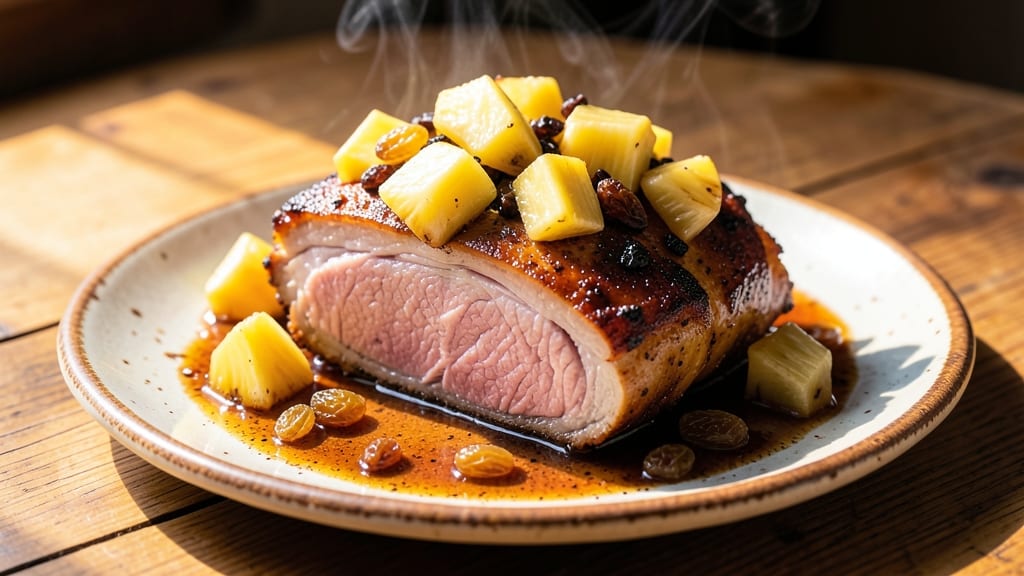
This Bajio sweet pork recipe brings the rich flavors of Mexico's central highlands to your table with a perfect balance of sweet, spicy, and savory notes. 🔥 Growing up in Georgia, I first tasted this dish at a local Mexican restaurant and knew it deserved a place in my repertoire.
The slow-simmered pork, infused with rum and warm spices, creates a tender, caramelized masterpiece that pairs beautifully with traditional sides like cilantro rice or warm tortillas.
The secret to this dish lies in the marinade and the patience of slow cooking. I've perfected a blend of cinnamon, cloves, and allspice that infuses the pork with aromatic warmth, while pineapple and raisins add natural sweetness that cuts through the richness.
The key is letting the pork cook low and slow, allowing the flavors to meld and develop into a harmonious symphony of tastes.
What you'll end up with is melt-in-your-mouth pork that's perfectly tender, coated in a glossy, slightly sticky sauce that's sweet yet not overpowering. The aroma alone will have everyone gathering around the table, and each bite delivers layers of flavor that make this dish unforgettable.
This recipe is a celebration of Mexican comfort food at its finest, bringing a taste of Bajío to your home.
Serve this dish with warm tortillas, black beans, and a side of cilantro rice to create a complete meal that's sure to impress. The combination of textures and flavors makes this recipe perfect for special occasions or family gatherings.
Let's get cooking and bring a taste of Mexico to your kitchen!
Ingredients for bajio sweet pork
Sixteen ingredients for a dish that tastes like a Mexican restaurant hug.
| Ingredient | Amount | Notes |
|---|---|---|
| Pork Shoulder 🐖 | 3 lb | Bone-in for flavor, cut into 1.5-inch cubes |
| Dark Brown Sugar 🍯 | ¾ cup | Packed, not granulated |
| Light Rum 🍹 | ½ cup | Good quality, like Captain Morgan |
| Fresh Pineapple Chunks 🍍 | 1 ½ cups | Fresh or canned in juice, not syrup |
| Golden Raisins 🍇 | ½ cup | Plump, not dried-out |
| Ground Cinnamon 🌿 | 1 tbsp | Freshly ground preferred |
| Ground Cloves 🌶️ | 1 tsp | Freshly ground for best aroma |
| Ground Allspice 🌶️ | 1 tsp | Warm, earthy flavor |
| Garlic Cloves 🧄 | 6 cloves | Peeled, lightly smashed |
| Onion 🧅 | 1 whole | Yellow, roughly chopped |
| Tomato Paste 🍅 | 2 tbsp | Smooth, not chunky |
| Chicken Broth 💧 | 1 ½ cups | Low-sodium preferred |
| Fresh Cilantro 🌿 | ¼ cup | Chopped, for garnish |
| Salt 🧂 | 1 ½ tsp | Kosher or sea salt |
| Black Pepper 🌶️ | ½ tsp | Freshly ground |
The pork shoulder is the star—bone-in, cut into even cubes—and you want it from the butcher section, not pre-packaged. Costco or Kroger usually have good quality at reasonable prices. Look for good marbling, which means more flavor. If you can't find bone-in, skinless pork shoulder works too, but the bones add depth. The spices? Penzeys or your local Latin market for the best ground cinnamon, cloves, and allspice—freshly ground makes all the difference. For the rum, Captain Morgan or Flor de Caña—nothing cheap, or the flavor will taste harsh.
No dark brown sugar? Light brown sugar plus a pinch of molasses works in a pinch. Fresh pineapple is ideal, but canned pineapple in juice (like Dole) saves time—just drain it well. Raisins? Golden raisins from Trader Joe's are the best—plump and juicy. Running low on rum? Apple cider or bourbon can sub at the same amount, though the flavor will shift slightly. The tomato paste can be the squeeze tube kind—no need for fancy jars. For the broth, low-sodium is key—you don’t want to over-salt the whole dish.
This dish tastes even better the next day—make extra. Store leftovers in a sealed container in the fridge for 4-5 days, or freeze for 3 months. I always portion mine into containers with tortillas on the side for easy lunches. The sauce thickens as it cools, so add a splash of broth if it feels too stiff when reheating. Garnish with fresh cilantro right before serving—it brightens up the whole dish. Trust me, the aroma alone will have everyone rushing to the table.
Why You'll Love This Recipe
- One-Pan Magic: Honestly, I love recipes that don’t require a million dishes. This one caramelizes the pork shoulder right alongside the pineapple and raisins—just toss everything on a sheet pan, cover it, and let the oven do the work. Even my college-dorm-microwave days couldn’t handle this easy.
- Sticky-Sweet Obsession: That dark brown sugar and rum combo? It’s like a slow-cooked hug for your taste buds. The pork gets impossibly tender while soaking up the caramelized glaze, and the pineapple adds just enough bright acidity to cut through the richness. (Yes, even on a Tuesday night.)
- Leftovers That Don’t Suck: Between us, most leftovers are sad. Not this. The flavors deepen overnight, making it perfect for lunch wraps or tacos the next day. I’ve reheated mine in the microwave with a splash of water—still delicious, no one’s ever complained.
- Budget-Friendly Feast: Pork shoulder is cheap, and the other ingredients stretch far. A single batch feeds my family of four for two meals, and the raisins add a luxurious touch without breaking the bank. Plus, the rum? A splash goes a long way—no need to go overboard.
Step-by-step instructions for Bajio sweet pork
Here's how to create this rich, rum-infused pork dish with perfect tender meat and caramelized spices.
🔥 Step 1: Sear the Pork Shoulder for Deep Flavor
Heat a large Dutch oven over medium-high heat. Pat the 3 lb pork shoulder dry with paper towels—this helps the spices stick and creates a better crust. Working in batches, sear the pork cubes on all sides until deep golden brown and slightly crispy, about 3-4 minutes per side.
Don't rush this step—those browned bits (fond) are packed with flavor that will dissolve into your sauce later. If your pan gets crowded, work in two batches to avoid steaming the meat. Once all pieces are browned, transfer them to a plate and set aside.
👨🍳 Step 2: Build the Spiced Rum Base
In the same Dutch oven, reduce heat to medium and add the 1 whole onion (roughly chopped) and 6 cloves garlic cloves (lightly smashed). Cook for 5 minutes until the onion softens and becomes translucent, stirring occasionally.
Add the 2 tbsp tomato paste and stir for 1 minute to cook off the raw taste. Pour in the 0.5 cup light rum and let it simmer for 2-3 minutes until reduced by half. This step develops the rum's caramelized notes that become the heart of your sauce.
🥘 Step 3: Layer in Spices and Sweet Elements
Sprinkle in the 1 tbsp ground cinnamon, 1 tsp ground cloves, 1 tsp ground allspice, 1.5 tsp salt, and 0.5 tsp black pepper. Stir vigorously for 30 seconds to toast the spices—you'll smell their warm, aromatic oils releasing. Add the 0.75 cup dark brown sugar and stir until dissolved.
Return the seared pork to the pot along with the 1.5 cups chicken broth. Bring to a gentle simmer, then add the 1.5 cups fresh pineapple chunks and 0.5 cup golden raisins. The pineapple will soften slightly while the raisins plump up, adding natural sweetness and texture contrast.
⏰ Step 4: Slow-Simmer Until Tender
Cover the Dutch oven and transfer to a 325°F oven. Simmer for 3-4 hours (or until the pork is fork-tender with a meat thermometer reading 195°F in the thickest part). I like to check occasionally and stir the sauce—this prevents it from sticking and ensures even caramelization.
Here's the thing—don't peek too often. Every time you lift the lid, you lose heat and moisture. The pork needs that steady, low-and-slow cooking to become melt-in-your-mouth tender while the sauce reduces to a perfect consistency. If the sauce gets too thin, uncover and simmer for 10-15 minutes to thicken it slightly.
🍽️ Step 5: Finish and Garnish
Once the pork is tender, remove it from the pot and let it rest for 10 minutes before shredding with two forks. Return the shredded pork to the sauce and stir gently to coat. Taste and adjust seasoning—you might need a pinch more salt or a splash of rum to balance the flavors.
Ladle the pork and sauce into bowls, garnishing each serving with 0.25 cup chopped fresh cilantro. The cilantro adds a bright, fresh contrast to the rich, spiced pork. Serve with warm tortillas, rice, or crusty bread to soak up that delicious sauce. This dish tastes even better the next day as the flavors meld together!
Pro Tips For Making Bajio Sweet Pork
- Sear the Pork First: That dark brown sugar caramelizes like a dream when it sticks to seared pork—don’t skip the 3-4 minutes in a screaming-hot pan with oil. I learned this the hard way when my first batch tasted like it was missing something; now, I swear by the crust.
- Soak Raisins in Rum: Dump those golden raisins in a tiny cup of warm rum for 10 minutes before adding them to the pork—this plumps them up and infuses them with flavor. Sounds weird, but it works: they’ll stay juicy instead of turning into raisin dust.
- Control the Sugar Heat: After the pork browns, reduce heat to medium-low when adding the brown sugar—high heat makes it burn before the pork absorbs the sweetness. I used to rush this, and my sauce ended up bitter; now, I let it simmer gently for 10 minutes first.
- Add Pineapple Late: Toss the fresh pineapple chunks in only during the last 15 minutes of cooking—they’ll turn mushy if they sit too long in the syrup. I skip this when I’m lazy, but the dish is noticeably better when they’re bright and firm.
Essential equipment for perfect results
Dutch Oven Essentials
Your Dutch oven is the workhorse of this recipe—it's where all the magic happens. I swear by Lodge 5.5-quart Dutch ovens (pre-seasoned cast iron) because they distribute heat evenly and develop a perfect crust on the pork.
If you don't have one, a heavy-bottomed stainless steel pot works too, but it won't brown the meat as beautifully. The 5.5-quart size is ideal for this recipe—smaller than my 7-quart but big enough to hold all the components without crowding. 🔥
Precision Thermometer
Don't skip this—instant-read meat thermometers are non-negotiable for perfect results. I use a ThermoWorks Smoke because it's reliable and has a backlight for those late-night cooking sessions. Insert the probe into the thickest part of the pork shoulder (avoiding bone) to check for 195°F internal temperature.
This ensures the meat is fork-tender without drying out. A good thermometer costs $20-$30 and will last you years.
Spice Grinder
Freshly ground spices make all the difference in this dish. My go-to is a Penzeys Spice Grinder—it's affordable ($15) and gives you that restaurant-quality aroma. If you're using pre-ground spices, make sure they're fresh (check the date on the package).
The cinnamon, cloves, and allspice need to be toasted properly to release their full flavor potential. I grind my spices right before cooking to preserve their potency.
Tongs for Handling
You'll want long-handled tongs (like OXO Good Grips) to handle the hot Dutch oven and sear the pork without burning yourself. The 12-inch length gives you enough reach to work comfortably.
I also keep a pair of heat-resistant gloves nearby for extra safety when transferring the pot in and out of the oven. Safety first—this dish takes patience, not rushed movements.
Mixing Spoon
A wooden spoon (like Oxo Good Grips) is perfect for stirring the sauce without scratching your Dutch oven. Wood won't react with the acidic ingredients like metal might.
I keep one dedicated to my spice blends and sauces—it's my secret weapon for getting every last bit of flavor from the bottom of the pot. A 12-inch length gives you enough reach for even coating.
Storage Containers
For leftovers, I recommend glass Pyrex storage containers with tight-sealing lids. They're microwave-safe and preserve the dish's quality for 4-5 days in the fridge. If you're freezing, use quart-sized freezer bags—they stack efficiently and prevent freezer burn.
Label everything with the date so you can track freshness. The flavors actually improve the next day, so plan to make extra! ❄️
Nutrition facts
Frequently asked questions
What makes this Bajío sweet pork different from other Mexican pork dishes?
This recipe captures the unique Bajío region's cooking style with its signature blend of warm spices (cinnamon, cloves, allspice) and sweet elements like pineapple and raisins. Unlike cochinita pibil or barbacoa, this dish features a rum-infused sauce that caramelizes beautifully during slow cooking, creating a perfect balance of sweet, spicy, and savory flavors. The bone-in pork shoulder also adds rich depth that's hard to find in other preparations.
Can I substitute the rum with another alcohol?
Yes! If you don't have rum, apple cider or bourbon work well in the same amount. For a non-alcoholic version, use apple juice or pineapple juice—just reduce the liquid by 2 tablespoons since these are less concentrated. The key is to maintain the 2-3 minute reduction to develop the caramelized base that carries the dish's flavor profile.
How do I know when the pork is fully tender?
Use a meat thermometer to check for 195°F in the thickest part of the pork (avoiding bone). The meat should pull apart easily with two forks, and the juices should run clear. If you don't have a thermometer, cut into a small piece—it should be fork-tender with no pink center. The 3-4 hour cooking time is ideal, but some cuts may take slightly longer depending on size.
Can I make this dish in a slow cooker?
Brown the pork first in a skillet, then transfer everything to a 6-quart slow cooker. Cook on low for 8 hours or high for 5 hours. The sauce may be thinner, so reduce it on the stovetop after cooking by simmering uncovered for 10-15 minutes. The slow cooker method is perfect for hands-off preparation while you handle other tasks.
What's the best way to reheat leftovers?
For best results, reheat in a skillet over medium-low heat with a splash of chicken broth to loosen the sauce. Avoid microwaving as it can make the sauce watery. If using the microwave, cover with a damp paper towel and heat in 30-second intervals, stirring between each. The flavors actually improve the next day as the spices meld further!