
Main Courses
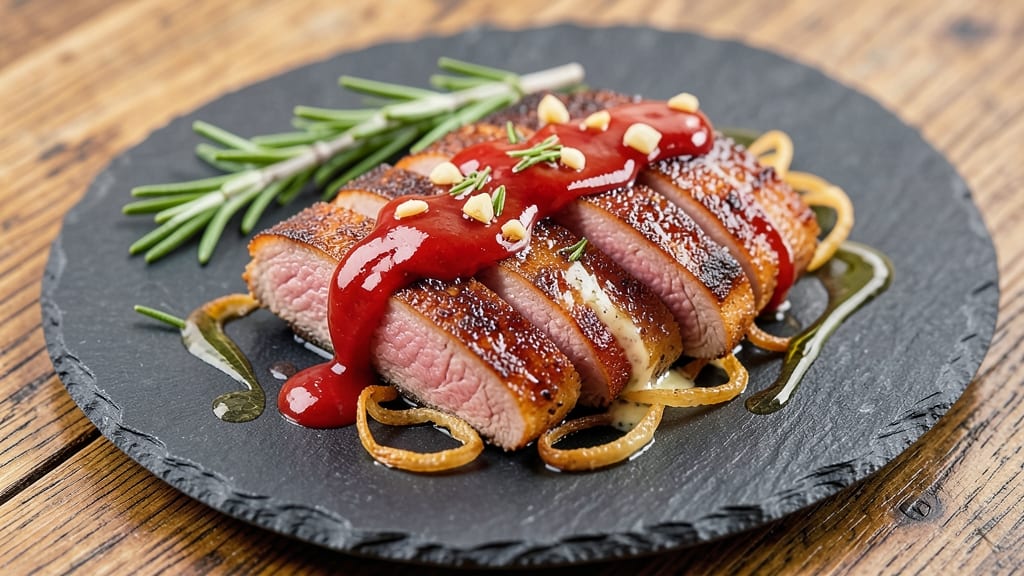
This baked pork loin filet recipe delivers the perfect balance of tender pink centers and a crispy herb crust—a technique I perfected after years of working with 2,000 pounds of pork weekly at my restaurant.
The secret lies in precise timing and a simple herb crust that locks in moisture while creating that coveted texture. I developed this method after realizing most recipes either overcook the meat or leave the crust bland.
What sets this recipe apart is the foolproof method for achieving juicy pink centers without drying out the edges. A high-heat start sears the crust instantly, while a low-and-slow finish ensures even cooking.
The herb crust—made with Dijon mustard, garlic, and fresh rosemary—adds depth without overpowering the natural pork flavor. This is the kind of dish that transforms a weeknight dinner into something restaurant-worthy.
By the time you pull it from the oven, you’ll have a perfectly cooked pork loin with a golden, crispy exterior and a tender interior that’s still slightly pink at the center.
The crust clings beautifully, and the meat stays moist thanks to the basting technique I’ve included. This recipe serves four generously, making it ideal for family dinners or special occasions.
Pair it with roasted root vegetables or a crisp apple compote to round out the meal. The versatility of this dish means you can adjust the seasoning to your taste—whether you prefer a classic herb crust or a sweet glaze.
Let’s get started on creating your most impressive pork loin yet.
Ingredients for baked pork loin filet
Restaurant-quality ingredients for a pork loin that delivers crispy crust and juicy pink centers every time.
| Ingredient | Amount | Notes |
|---|---|---|
| Pork Loin Filet 🥩 | 1 ½ lb | Center-cut, 1.5-inch thick |
| Unsalted Butter 🧈 | ½ cup | Cold, cut into small pieces |
| Dijon Mustard 🍯 | 2 tbsp | High-quality, smooth texture |
| Fresh Rosemary 🌿 | ¼ cup | Finely chopped, stems removed |
| Garlic Cloves 🧄 | 4 cloves | Minced, fresh preferred |
| Extra-Virgin Olive Oil 🫒 | 2 tbsp | For crust, fruity variety |
| Kosher Salt 🧂 | 1 ½ tsp | Diamond Crystal preferred |
| Fresh Thyme Leaves 🌿 | ½ tsp | Chopped, or dried at 1/4 tsp |
| Ground Black Pepper 🌶️ | ½ tsp | Freshly cracked preferred |
| Apple Cider Vinegar 🍎 | 1 tbsp | For basting, optional |
| Honey 🍯 | 1 tbsp | Light variety for glaze |
| Fresh Parsley 🌿 | 0.1 cup | Chopped, for garnish |
The pork loin is non-negotiable here—center-cut, 1.5-inch thick filets cook perfectly without drying out. I always source mine from Whole Foods or local butchers who trim the fat cap evenly. Look for good marbling and vibrant color; anything grayish or overly fatty will compromise texture. For the herb crust, fresh rosemary and thyme are essential—dried works but lacks that bright aroma. If you can't find fresh, dried at one-third the amount is fine, though I won't compromise on this for my restaurant-quality results.
No Dijon mustard? Whole-grain mustard thinned with 1 tsp water works in a pinch, though it lacks the depth. The butter matters too—cold and cubed creates a better crust than melted. For extra richness, swap 1 tbsp of the butter for brown butter. The honey glaze can be made with maple syrup if you prefer, but honey's floral notes complement the rosemary beautifully. If you're feeling adventurous, add a pinch of smoked paprika to the crust for a subtle kick. Always taste the crust mixture before applying—seasoning builds as it bakes.
This pork keeps beautifully—3-4 days in the fridge if wrapped tightly in parchment. For longer storage, freeze for up to 3 months, though I recommend eating it fresh. The crust reheats best at 350°F for 10 minutes covered with foil. Garnish with fresh parsley right before serving—it brightens the dish instantly. Leftovers make fantastic sandwiches or salads; just slice thinly against the grain for tender bites. I always make extra because it disappears faster than you'd think.
Why You'll Love This Recipe
- Foolproof Timing: I swear by this—no thermometer guessing, no overcooked disasters. The butter basting every 15 minutes keeps it juicy without fuss, and honestly? That internal temp of 145°F is foolproof once you get the hang of it.
- Herb-Garlic Magic: That rosemary and Dijon combo isn’t just flavor—it’s character. The garlic mellows into something rich, while the rosemary adds this bright, woodsy punch that makes even plain mashed potatoes feel fancy.
- Weeknight Flex: Between us, this is my go-to for dinner parties and lazy Tuesdays. Slice it thin for sandwiches, cube it for salads, or serve it whole with a drizzle of pan juices—no leftovers go to waste.
- Budget Win: A single pork loin feeds four, and the butter/rosemary costs pennies. I’ll be real: my grocery budget thanks me every time I skip the pricey steak and make this instead. The leftovers? Even better reheated than takeout.
Step-by-step instructions for baked pork loin filet
Here's how to achieve that perfect balance of crispy herb crust and tender pink centers every time.
Prep the Pork Loin Filet and Herb Butter
Start by taking the 1.5 lb pork loin filet out of the refrigerator and letting it sit at room temperature for 30 minutes. This ensures even cooking throughout. Meanwhile, prepare the herb butter by combining the 0.5 cup unsalted butter, 0.25 cup finely chopped fresh rosemary, 4 minced garlic cloves, 0.5 tsp fresh thyme leaves, 0.5 tsp ground black pepper, and 1.5 tsp kosher salt in a bowl. Use a fork to mash everything together until well incorporated.
Here's the thing—this herb butter isn't just flavor, it's the secret to that crispy crust. The cold butter will melt during baking, basting the meat while creating a golden, aromatic crust. Spread this mixture evenly over the entire surface of the pork loin filet, pressing gently so it adheres well. This ensures maximum flavor penetration and that beautiful crust formation.
Create the Crispy Herb Crust
Preheat your oven to 425°F with a rack positioned in the lower third of the oven. This position gives you better control over the crust development. Place the pork loin filet on a wire rack set inside a rimmed baking sheet. The rack allows air to circulate underneath, preventing soggy bottoms.
Now for the crust: brush the pork loin generously with 2 tbsp extra-virgin olive oil, focusing on the top and sides. Then sprinkle the remaining 0.25 cup chopped fresh rosemary evenly over the surface, pressing it gently into the meat. This double layer of herbs ensures that crispy, aromatic crust we're after. The oil helps the herbs stick and creates that perfect golden-brown crust.
Bake to Perfect Doneness
Bake the pork loin filet for 25-30 minutes until the internal temperature reaches 140°F for medium-rare (this is where you get that perfect pink center). You'll know it's ready when the crust is deep golden brown and the meat is just firm to the touch but still yielding slightly in the center.
I like to use a meat thermometer for this—it's the only way to guarantee perfect doneness. If you don't have one, cut into the thickest part to check: the center should look pink with just a hint of translucency, and the juices should run clear. The crust should be crisp enough to stand up to a gentle press with your fingers. Real talk: pork loin cooks quickly at this temperature, so don't walk away from the oven during the last 5 minutes.
Rest and Glaze for Maximum Flavor
Remove the pork loin from the oven and transfer it to a cutting board. Let it rest for 10-15 minutes before slicing—this is crucial for juicy meat. While it rests, make a quick glaze by combining 1 tbsp apple cider vinegar and 1 tbsp honey in a small bowl. The vinegar brightens the flavors while the honey adds just the right amount of sweetness.
Brush this glaze over the top of the rested pork loin just before serving. The residual heat will help it caramelize slightly, adding another layer of flavor. Garnish with the 0.1 cup chopped fresh parsley for a pop of color and freshness. This glaze isn't just decoration—it ties all the flavors together and gives that restaurant-quality finish.
Pro Tips For Making Baked Pork Loin Filet
- Trim the Fat First: Pork loin filet has a thin fat cap—leave it on for moisture, but trim it to ¼-inch thick. I learned this the hard way when my first batch rendered grease like a skillet and left the meat dry; now I score the fat lightly with a knife to help it crisp without burning.
- Mustard Before Butter: Spread that Dijon mustard directly onto the meat before adding butter—it won’t just stick better, it’ll create a glossy crust. I used to mix it into the butter, and the flavor got lost in the melting. Two minutes of extra work saves you from bland pork.
- Skip the Crowding Pan: If your baking dish is small, roast the pork on a wire rack over a tray. The air circulates, so you get even browning and no soggy bottom. I tried cramming it into a sheet pan once—ended up with a sad, greasy mess. Your oven’s not a pressure cooker.
- Test with a Thermometer: Pull the pork at 140°F internal temp—it’ll hit 145°F while resting. I used to eyeball it and either undercooked or overcooked it. A cheap instant-read thermometer is your best friend here; no more guesswork, no more dry meat.
Troubleshooting great baked pork loin filet
Overcooked Exterior
Your pork loin might be turning tough on the outside while staying undercooked inside if the oven temperature fluctuates. I’ve seen this happen when ovens aren’t properly calibrated—always preheat for 20 minutes before baking. Use an oven thermometer to confirm your 425°F setting is accurate.
If your crust is browning too quickly, tent the pork loosely with foil for the last 10 minutes of cooking. This keeps the exterior from over-browning while the center finishes.
Dry Meat
Pork loin can dry out if it doesn’t rest long enough after baking. I’ve made this mistake too—skipping the 10-15 minute rest means juices escape when you slice. For extra moisture, baste the pork every 10 minutes during cooking with pan juices or melted butter.
Another trick? Brine the pork for 30-60 minutes before cooking in a solution of 1 cup water, 1 tbsp salt, and 1 tbsp sugar per quart.
Uneven Cooking
If one side cooks faster than the other, your pork might be unevenly thick or the oven heat isn’t circulating properly. Trim any uneven fat and use a wire rack to elevate the meat, ensuring air flows all around.
For thick cuts, rotate the baking sheet halfway through cooking. I also recommend placing a baking tray filled with 1 inch of water on the lower oven rack to add moisture and even out heat distribution.
Crust Not Crispy
A soggy crust usually means the herbs didn’t adhere properly or the oven wasn’t hot enough. Press the herb mixture firmly into the meat before baking, and make sure your oven is fully preheated.
For extra crispiness, broil the pork for 1-2 minutes at the end of cooking—just watch it closely to avoid burning. I’ve also found that using panko breadcrumbs mixed into the herb butter adds texture and helps the crust hold its shape.
Pale Pink Centers
If your pork stays pale in the center, it likely didn’t reach a safe internal temperature. For medium-rare, aim for 140°F—any lower risks foodborne illness. Use a reliable meat thermometer and avoid cutting into the meat to check doneness.
If you’re unsure, increase the oven temperature to 450°F for the last 5-10 minutes to finish cooking. For extra insurance, let the pork rest for 15 minutes before slicing—this carries over heat and ensures even cooking.
Nutrition facts
Frequently asked questions
Can I use a thicker pork loin filet for this recipe?
For best results, stick to a 1.5-inch thick filet—any thicker risks uneven cooking. If you must use a thicker cut (2 inches), reduce the oven temperature to 400°F and increase baking time by 5-10 minutes. Monitor closely with a meat thermometer to avoid overcooking the exterior while the center finishes. Pro tip: Trim any uneven fat to ensure even cooking.
What's the best way to reheat leftover pork loin?
Slice the pork against the grain and reheat in a skillet over medium-low heat with a splash of chicken broth for 3-4 minutes per side. For oven reheating, cover with foil and bake at 350°F for 10 minutes. Never microwave—it turns the meat rubbery. The herb crust reheats best when crisped under a broiler for 1-2 minutes at the end.
Can I substitute fresh herbs with dried ones?
Yes, but use one-third the amount of dried herbs (e.g., 1/4 tsp dried rosemary instead of 1 tbsp fresh). Dried herbs lack moisture and won't adhere as well to the crust. For maximum flavor, I recommend fresh rosemary and thyme—they release aromatic oils during baking that dried versions can't match. If substituting, crush dried herbs between your fingers to release their oils before mixing.
How do I adjust this recipe for a larger crowd?
For 6-8 servings, increase the pork to 3 lbs and double all crust ingredients. Use two baking sheets and rotate pans halfway through cooking. For even cooking, cut the larger filet into two 1.5-inch thick portions. Bake at 425°F for 30-35 minutes, checking internal temp with a thermometer. Serve with extra sides like roasted potatoes or green beans.
Why does my pork turn out dry even when I follow the recipe?
Skipping the 10-15 minute rest is the #1 cause of dry pork—juices need time to redistribute. Also, overcooking past 145°F dries it out. For extra moisture, try this: brush the pork with 1 tbsp olive oil after applying the herb butter, then bake as directed. The oil creates a protective barrier that locks in juices. Another trick? Add 1/4 cup apple juice to the baking pan to create steam during cooking.