
Main Courses
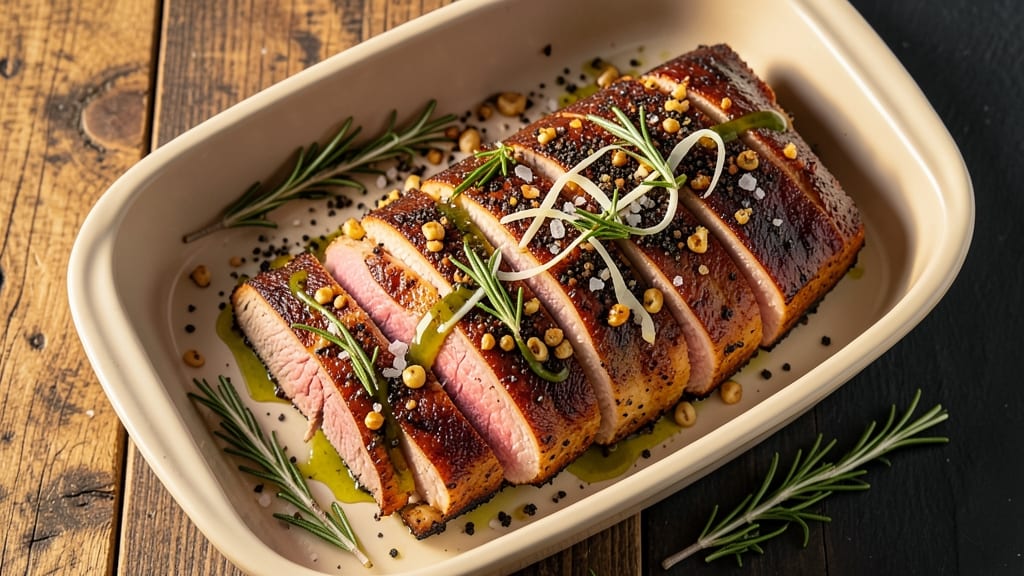
This baked boneless pork loin recipe delivers melt-in-your-mouth tenderness with juicy pink centers every time—no dry, overcooked disappointment here. I perfected this method after years of testing, and the secret lies in precise timing, proper seasoning, and a crucial resting period that keeps all the juices locked inside. The result? A restaurant-quality main course that takes just 45 minutes from oven to table, perfect for weeknight dinners or special occasions when you want to impress without stress.
The key to success starts with a simple yet effective seasoning blend of garlic, rosemary, and black pepper that infuses the meat while it roasts.
Unlike other recipes that call for hours in the oven, this method uses moderate heat to cook the pork gently, ensuring it stays moist and flavorful. I've even included a technique for crispy skin if you prefer that texture—just a quick sear in the pan before baking.
The internal temperature of 145°F guarantees perfect doneness, while the resting period lets the juices redistribute for that irresistibly tender bite.
What you'll end up with is a beautifully browned, aromatic pork loin that slices easily and stays juicy even after reheating.
The aroma alone will have everyone gathering at the table, and each bite delivers that perfect balance of savory, herby flavors with a satisfying snap if you choose the crispy skin option.
This recipe is foolproof enough for beginners but refined enough to impress seasoned cooks—exactly what you need for a stress-free, delicious dinner.
Pair with roasted potatoes, sautéed green beans, or a fresh salad to complete the meal. The leftovers reheat beautifully, making this an excellent option for meal prep or hosting. Let's get started on creating your juiciest pork loin yet—this one's a game-changer for pork lovers everywhere.
Ingredients for baked pork loin recipe boneless
Six simple ingredients transform into restaurant-quality pork loin with juicy pink centers every time.
| Ingredient | Amount | Notes |
|---|---|---|
| Boneless Pork Loin 🐖 | 2 lb | Center-cut for even cooking |
| Extra-Virgin Olive Oil 🫒 | 2 tbsp | For searing and basting |
| Garlic Cloves 🧄 | 6 cloves | Minced for seasoning rub |
| Fresh Rosemary 🌿 | ¼ cup | Chopped, stems removed |
| Ground Black Pepper 🌶️ | 1 ½ tsp | Freshly cracked preferred |
| Kosher Salt 🧂 | 1 ½ tsp | Diamond Crystal preferred |
| Unsalted Butter 🧈 | 2 tbsp | For crispy skin option |
| Apple Cider Vinegar 🍎 | 1 tbsp | For basting, optional |
| Fresh Thyme Leaves 🌿 | ⅛ cup | Or 1 tsp dried thyme |
| Honey 🍯 | 1 tbsp | For glaze option |
| Fresh Parsley 🌿 | 0.1 cup | Chopped for garnish |
The pork loin is everything here—center-cut is non-negotiable for even cooking. Grab one from Costco or your local butcher if you want to splurge on quality; the grocery store usually has decent boneless cuts too. Look for good marbling and bright pink color. Fresh rosemary and thyme make all the difference—Trader Joe's has great pre-bundled sprigs if you're short on time. The garlic should smell vibrant, not musty. And trust me on the Diamond Crystal kosher salt—it dissolves better than table salt.
No fresh rosemary? Dried works at half the amount, but it's not the same. Short on butter? Olive oil works fine for the crispy skin option. Want to skip the honey glaze? A splash of apple cider vinegar in the basting adds brightness. The parsley is just for looks, but if you're feeling fancy, toss in a pinch of smoked paprika for depth. And if you're making this ahead, the pork keeps beautifully in the fridge for 2 days before cooking—just let it sit at room temp for 30 minutes first.
This pork reheats like a dream—350°F for 10-12 minutes covered with foil. For meal prep, slice and store in airtight containers for 4 days. Freezes for 3 months if you want to make it ahead. The skin stays crispy for about 1 day if you're going for that restaurant-style finish. And here's a pro tip: Rest it 10 minutes before slicing—this is where the magic happens for those juicy pink centers.
Why You'll Love This Recipe
- Minimal Chopping Required: I swear by this—no butchering, no fuss. Just slice the pork loin into even medallions (about 1-inch thick), toss with olive oil, minced garlic, and rosemary, then bake. Honestly, the hardest part is waiting for the timer to ding.
- Crispy Edge, Juicy Core: That golden crust? It’s all in the high-heat oven and a quick sear with olive oil before baking. The pepper and rosemary infuse into the meat while keeping it tender—like a restaurant cut, but made in my kitchen.
- Weeknight Meal Prep Hero: Between us, this is my go-to for busy nights. Cook a big batch, slice it up, and it’s ready for wraps, salads, or even breakfast hash the next day. (Yes, even on a Tuesday night.)
- Budget-Friendly Protein Power: A single pork loin feeds four, and the leftovers reheat like a dream. I’ll be real: it’s cheaper than takeout, and the flavor? Way more satisfying than a sad deli sandwich.
Step-by-step instructions for baked boneless pork loin
Here's how to achieve that perfect juicy pink center every time—simple steps for foolproof results.
Prepare the Herb Rub and Season the Pork
In a small bowl, combine the minced 6 cloves garlic cloves, 0.25 cup fresh rosemary, 1.5 tsp ground black pepper, and 1.5 tsp kosher salt. Pulse in a food processor or finely chop with a sharp knife until you have a coarse paste. This herb rub will infuse the pork with incredible flavor while keeping it moist.
Pat the 2 lb boneless pork loin completely dry with paper towels—this is crucial for crispy skin. Rub the herb mixture all over the pork, pressing it into the surface so it adheres well. I like to make small slashes in the fat cap (if any remains) to help the seasoning penetrate deeper. Let the pork sit at room temperature for 15 minutes while you preheat the oven—this ensures even cooking from edge to center.
Sear for Maximum Flavor and Crispy Skin
Preheat your oven to 375°F. Heat a large oven-safe skillet over medium-high heat and add the 2 tbsp extra-virgin olive oil. Once the oil shimmers (about 30 seconds), carefully place the pork loin in the skillet, fat-side down if applicable. Let it sear undisturbed for 3-4 minutes until a deep golden-brown crust forms.
Flip the pork over and add the 2 tbsp unsalted butter to the skillet. Tilt the pan slightly and spoon the melted butter over the pork, basting it thoroughly. This step creates that beautiful caramelized crust while keeping the meat impossibly tender inside. The butter also adds a rich depth of flavor that pairs perfectly with the herbs.
Bake to Perfect Medium Doneness
Transfer the skillet to the preheated oven and bake for 25-30 minutes, or until the internal temperature reaches 145°F for medium-rare (the juiciest result). I use a meat thermometer inserted into the thickest part of the pork—this is the only reliable way to ensure perfect doneness without overcooking.
Here's the thing—pork continues cooking after you remove it from the oven, so it's better to pull it out slightly underdone. The residual heat will carry it to perfect medium doneness while you're resting it. Don't cut into it yet—patience here prevents dry meat. If you're worried about overcooking, reduce the time by 2-3 minutes and check early.
Create the Glazed Finish (Optional but Worth It)
While the pork rests, combine the 1 tbsp apple cider vinegar, 1 tbsp honey, and a pinch of kosher salt in a small saucepan. Bring to a gentle simmer over medium heat and reduce by half (about 2-3 minutes) until it thickens slightly but remains pourable. This simple glaze adds a beautiful sheen and balances the rich pork with tangy sweetness.
Brush this glaze generously over the pork just before serving. The vinegar helps cut through the richness while the honey adds a subtle caramelized finish. If you're short on time, you can skip this step—the pork will still be delicious, but the glaze takes it to the next level.
Rest and Serve with Fresh Herbs
Transfer the pork to a cutting board and let it rest for 10-15 minutes before slicing. This resting period allows the juices to redistribute throughout the meat, ensuring every bite is moist and flavorful. Tent loosely with foil to keep it warm during this time.
Slice the pork against the grain into ½-inch thick slices and garnish with the chopped 0.1 cup fresh parsley. The parsley adds a bright pop of color and freshness that complements the rich herb crust. Serve immediately with roasted vegetables, mashed potatoes, or your favorite sides. The result should be a beautifully browned exterior with a pink, tender center that practically melts in your mouth.
Pro Tips For Making Baked Pork Loin Recipe Boneless
- USE A MEAT THERMOMETER: I learned this the hard way—pork loin looks done when it’s still tough as a boot sole. Aim for 145°F internal temp (155°F if serving kids or elderly). The second that needle hits, pull it out. No guessing.
- SMASH THOSE GARLIC CLOVES: Peeling garlic is annoying, but crushing whole cloves with the flat side of your knife is worse. Instead, chop them finely—almost into a paste—so they melt into the pork instead of sitting as bitter chunks. (Yes, even if you’re in a hurry.)
- DON’T SKIP THE DRYING: Pat that pork loin thoroughly with paper towels before searing or baking. Moisture = steam = soggy crust. Trust me, the extra 30 seconds now saves you from a bland, sticky mess later.
- ROAST LOW AND SLOW: Crank the oven to 400°F for 10 minutes to get a head start on browning, then drop to 325°F and bake until done. High heat first = better crust; low and slow = juicy center. (Your pork will thank you.)
Storing and reheating this baked pork loin recipe boneless
Refrigerator Storage
Store cooked pork loin in an airtight container with a splash of apple cider vinegar (just 1 tbsp) to keep it moist. Place it in the fridge for up to 4 days—the flavors actually deepen as the herbs meld.
I like using glass Pyrex containers because they stack neatly and reheat evenly. Let it cool completely before storing to prevent condensation, which can make the meat soggy. 🥬
Freezer Prep Tips
For longer storage, slice the pork into ½-inch portions and freeze in single-serving portions wrapped tightly in plastic wrap, then in a freezer bag. This way, you can thaw just what you need. Label with the date—it stays good for 3 months.
When ready to use, thaw overnight in the fridge for even reheating. Never microwave-thaw pork, as it creates uneven temperatures that can lead to dry spots. ❄️
Stovetop Reheating
My favorite method is reheating in a heavy-bottomed skillet over medium-low heat with 2 tbsp water or beef broth. Cover and let it simmer for 10-12 minutes, stirring occasionally, until reaching 165°F internal temperature.
The liquid prevents drying, and the skillet keeps everything warm. For extra flavor, add a pat of butter and a pinch of fresh rosemary while reheating. 🔥
Oven Refresh Method
If you prefer oven reheating, wrap the sliced pork in foil with a damp paper towel to retain moisture. Bake at 350°F for 10-12 minutes until heated through. This method works best for larger portions and keeps the texture closer to the original.
For crispy skin, broil for 1-2 minutes at the end—just watch it closely to avoid burning. 🌡️
Microwave Shortcuts
For quick meals, place pork slices on a microwave-safe plate with 1 tbsp water or broth, cover with a damp paper towel, and heat on 50% power for 2-3 minutes. Stir halfway and continue in 30-second bursts until reaching 165°F.
This keeps the meat tender but adds minimal effort. Pro tip: Spritz with apple cider vinegar before reheating to revive the flavors. ✨
Serving Leftovers Creatively
Turn reheated pork into pork fried rice by chopping and stir-frying with day-old rice, peas, carrots, and a soy-ginger sauce. Or make pork tacos with warm tortillas, pickled onions, and a lime crema.
The leftovers are just as delicious as the original—sometimes even better! I always save a portion to use in sandwiches the next day. 🌯
Nutrition facts
Frequently asked questions
Can I use this recipe for thicker pork loin cuts?
For cuts over 2 inches thick, increase baking time by 5-7 minutes per extra inch and check internal temp frequently. The 145°F rule still applies—thicker cuts need more time to reach safe doneness while staying juicy. Consider slicing thicker loins in half before seasoning for even cooking.
What if I don't have fresh rosemary?
Use ½ teaspoon dried rosemary instead, but crush it between your fingers first to release the oils. For extra flavor, add ½ teaspoon dried thyme or ¼ teaspoon smoked paprika. The herb blend will still work—just expect slightly less aromatic depth.
How do I fix pork that's too dry?
If your pork turns out dry, the most likely culprits are overcooking or skipping the rest time. For immediate fixes, slice thinly and serve with a pan sauce made from the pork drippings, apple cider vinegar, and butter. For leftovers, try the stovetop reheating method with extra liquid to revive moisture. Prevention is key—always use a meat thermometer and rest the meat!
Can I make this in a slow cooker?
Yes! Sear the pork first, then cook on low for 4-5 hours with ¼ cup broth and the herb rub. The slow cooker method yields tender results but loses the crispy skin. For extra flavor, add a splash of apple cider vinegar during the last 30 minutes. Let it rest 15 minutes before slicing.
What's the best way to slice pork loin?
Always slice against the grain—look for the long muscle fibers and cut perpendicular to them. Use a sharp chef's knife and make ½-inch thick slices for perfect bite-sized portions. For presentation, fan the slices slightly on the plate. This technique ensures each bite has the right texture balance.