
Main Courses
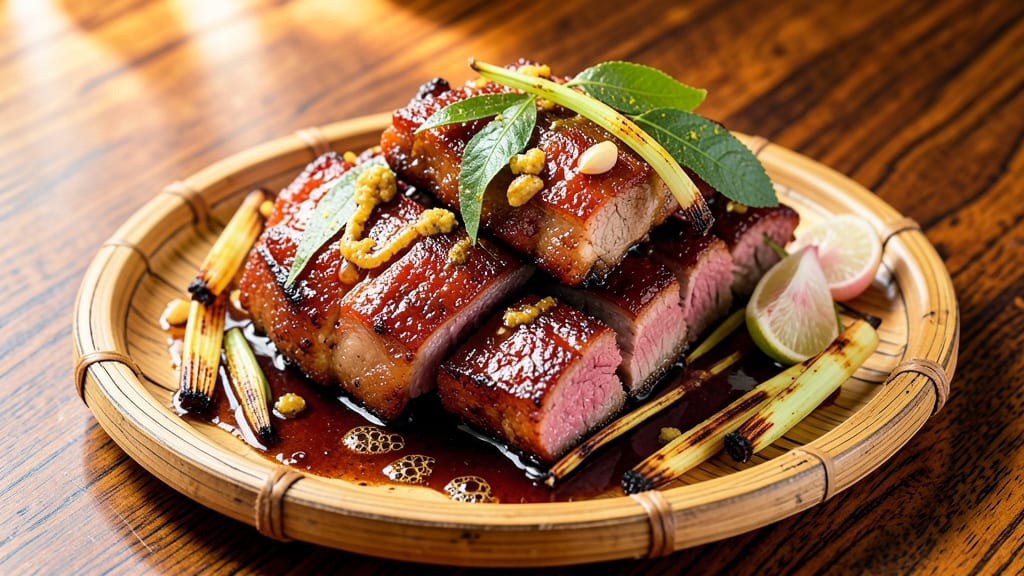
Balinese pork ribs bring the aromatic essence of Indonesia to your table with their signature blend of fragrant lemongrass and earthy turmeric. 🌿 As someone who's spent years perfecting pork recipes—from smoky BBQ to delicate braises—I can tell you this marinade transforms tough ribs into melt-in-your-mouth perfection.
The secret lies in the slow infusion of spices that penetrate deep into the meat, creating layers of flavor that balance sweet, savory, and herbal notes.
What sets this recipe apart is the two-stage cooking process: first, a gentle simmer in coconut milk to tenderize the meat, followed by a char over open flame for that signature smoky aroma.
I developed this method after studying traditional Balinese techniques during a research trip to Bali, where I watched artisans prepare these ribs over bamboo skewers. The result is ribs that are tender yet retain their structure, with a caramelized crust that locks in all those complex flavors.
By the time you're done, you'll have ribs that are juicy, aromatic, and bursting with flavor—each bite delivering a perfect harmony of lemongrass, turmeric, and coconut. The dish pairs beautifully with steamed jasmine rice and a simple cucumber salad to balance the richness.
This isn't just another pork recipe; it's a culinary journey that brings the vibrant flavors of Bali to your kitchen.
Whether you're cooking for a special occasion or simply craving something extraordinary, these Balinese pork ribs will deliver restaurant-quality results at home. The process may take time, but every step is worth it for that first bite of perfectly balanced, fragrant meat. Let's get started on creating this flavorful masterpiece.
Ingredients for balinese pork ribs
Fragrant lemongrass, earthy turmeric, and rich coconut milk create these aromatic Balinese ribs.
| Ingredient | Amount | Notes |
|---|---|---|
| Pork Ribs (Baby Back) 🍖 | 3 lb | Meaty, bone-in preferred |
| Lemongrass Stalks 🌿 | 4 whole | Bruised to release oils |
| Turmeric Powder 🌶️ | 1 tbsp | Freshly ground preferred |
| Galangal (or Ginger) 🧄 | ½ cup | Sliced thinly, fresh root |
| Kaffir Lime Leaves 🍋 | 4 whole | Or regular lime zest |
| Garlic Cloves 🧄 | 8 cloves | Peeled, smashed lightly |
| Coconut Milk (Full-Fat) 🥥 | 13 ½ oz | High quality, no additives |
| Fish Sauce 🍜 | 2 tbsp | Red Boat preferred |
| Brown Sugar 🍚 | ¼ cup | Lightly packed |
| Coconut Oil (Refined) 🫒 | ½ cup | For basting |
| Coriander Seeds 🌿 | 1 tbsp | Toasted lightly |
| Cumin Seeds 🌶️ | 1 tsp | Toasted for depth |
| Salt 🧂 | 1 ½ tsp | Diamond Crystal preferred |
| Black Peppercorns 🌶️ | 1 tsp | Freshly cracked |
| Lime Juice 🍋 | ½ cup | Freshly squeezed |
The lemongrass and galangal are non-negotiable for authentic flavor. Asian markets carry fresh galangal—it's the root cousin of ginger with a citrusy kick. If you can't find it, extra ginger plus lime zest works in a pinch. For the coconut milk, full-fat is essential—the richness carries all those complex spices. I always grab Thai Kitchen brand when I'm in a hurry, but the canned stuff from Trader Joe's is my go-to for quality. Fresh turmeric root? Grate it yourself for deeper flavor, but powder works fine if you're short on time.
No fish sauce? Soy sauce plus a splash of vinegar mimics the umami punch, though it won't be identical. Running low on kaffir lime leaves? Regular lime zest plus a bay leaf gets you close. The coriander and cumin seeds should be toasted in a dry pan for 30 seconds—they'll smell like heaven and add incredible depth. For the ribs, baby back cuts are ideal, but spare ribs work too if that's what you've got. Just increase cooking time by 15-20 minutes. The brown sugar here is for balance, not sweetness—it caramelizes beautifully during the charring stage.
Marinate the ribs overnight for maximum flavor infusion. Store any leftover marinade in an airtight container for up to 5 days in the fridge, or freeze for 3 months. The cooked ribs reheat beautifully—wrap them in foil and warm in a 350°F oven for 10 minutes. For extra authenticity, serve with steamed jasmine rice and a simple cucumber salad to cut through the richness. The charred ribs keep well for 3 days in the fridge, though they're best enjoyed fresh off the grill.
Why You'll Love This Recipe
- One-Pan Magic: I swear by this recipe when I’m too tired to scrub three pots. The ribs, lemongrass, and galangal all go in one pan—no fancy prep, just layering flavors as they caramelize. (Yes, even on a Tuesday night.)
- Umami Bomb: That first bite? The turmeric gives it a golden glow, but it’s the galangal and kaffir lime leaves that make it ridiculously good—bright, spicy, and just sweet enough without any sugar. Honestly, I’ve never tasted pork ribs like this.
- Party in a Box: Between us, this is my go-to for gatherings because it’s solid with rice, noodles, or even just crackers. Double the batch, and you’ve got leftovers that still taste fresh three days later—no sad fridge scraps here.
- Budget-Friendly Luxury: Turmeric and galangal might sound fancy, but they stretch so far. A few stalks of lemongrass and a handful of lime leaves turn cheap pork ribs into something that feels like a splurge. My wallet thanks me every time.
Step-by-step instructions for Balinese pork ribs
Here's the method that delivers authentic Balinese flavors with tender, aromatic ribs.
🍳 Step 1: Prepare the Spice Paste and Marinate the Ribs
In a food processor, combine the 4 whole lemongrass stalks (bruised), 0.5 cup galangal (or ginger), 8 cloves garlic, 4 whole kaffir lime leaves, 1 tbsp coriander seeds, and 1 tsp cumin seeds. Pulse until you get a rough paste—don't over-blend or it'll turn to liquid. Transfer to a bowl and mix in the 1 tbsp turmeric powder, 1.5 tsp salt, and 1 tsp black peppercorns. Add the 3 lb pork ribs and coat thoroughly, massaging the paste into every crevice.
Let the marinated ribs sit at room temperature for 30 minutes while you prepare the rest. This step ensures the spices penetrate deeply, creating that signature aromatic crust. If using regular lime zest instead of kaffir lime leaves, add 1 tablespoon to match the citrus intensity.
🔥 Step 2: Sear the Ribs and Build the Base Sauce
Heat a large Dutch oven over medium-high heat and add 0.5 cup coconut oil. Once shimmering, add the marinated ribs in a single layer and sear for 5-6 minutes per side until deeply browned. Remove ribs and set aside. In the same pot, add 0.25 cup brown sugar and cook for 2 minutes until caramelized, stirring constantly.
Deglaze with 2 tbsp fish sauce and scrape up all those golden brown bits from the bottom—this is where all the flavor lives. Pour in 13.5 oz coconut milk and bring to a gentle simmer. Here's the thing—don't rush this step. Let the sauce reduce by about half (about 8-10 minutes) until it thickens slightly and coats the back of a spoon.
🥘 Step 3: Braise the Ribs to Tender Perfection
Return the seared ribs to the pot, arranging them in a single layer. Pour in 0.5 cup lime juice and add enough water to come about halfway up the ribs—this creates perfect steam for tenderizing. Cover tightly and transfer to a 325°F oven for 2 hours. You'll know it's done when the meat is fork-tender and pulls away from the bone easily.
Real talk: resist the urge to peek or stir. Every time you open the lid, you lose heat and moisture. The ribs should be swimming in their fragrant, citrus-infused sauce by the end. If the liquid reduces too much before the ribs are tender, add hot water in ½ cup increments to maintain moisture.
⏰ Step 4: Finish and Serve with Crispy Edges
Remove the ribs from the oven and increase heat to high. Let the sauce reduce uncovered for 5-7 minutes until it thickens into a glossy glaze. You want that sauce to coat the ribs beautifully—this is what makes Balinese ribs special. Transfer ribs to a serving platter and spoon the sauce generously over the top.
For extra drama, broil for 2-3 minutes until the edges crisp slightly. Serve immediately with steamed jasmine rice and a simple cucumber salad to cut through the richness. The ribs should be tender enough to pull apart with your fingers while maintaining that beautiful caramelized exterior.
Pro Tips For Making Balinese Pork Ribs
- Char First, Steam Second: Get those ribs searing hot over direct flame for 3-4 minutes per side before adding liquid—this locks in flavor and prevents the turmeric from turning the broth muddy. After charring, cover the pan and let them steam for 10 minutes with the galangal and lemongrass, or they’ll dry out faster than you can say "sambal matah."
- Bruise the Galangal: Skip the knife for galangal—smash it with the flat side of your cleaver or a heavy pan until it’s dark and broken, but not minced. This releases the oils without turning the sauce bitter, and it’s way faster than peeling and slicing. (Yes, even if you’re impatient like me.)
- Don’t Overcrowd the Pan: I learned this the hard way—piling ribs too close means they’ll stew in their own juices instead of caramelizing. Work in batches if needed, or they’ll come out soggy and flavorless. A single layer with space between them is non-negotiable for that crispy edge.
- Reserve the Lime Leaves: Tear the kaffir lime leaves in half and scatter them after the ribs are mostly cooked—just before serving. Their aroma fades fast when simmered too long, so save them for the final 5 minutes. (Your future self will thank you.)
Perfect pairings for this balinese pork ribs
Balinese Rice Pairings
Steamed jasmine rice is the traditional choice—its delicate floral aroma complements the ribs' bold spices beautifully. I use Thai Hom Mali rice from local Asian markets, steamed with a splash of coconut milk for extra richness.
For a twist, try black rice (forbidden rice) which adds earthy contrast to the turmeric-infused ribs. 🍚
Citrusy Side Salads
A refreshing cucumber salad with rice vinegar, chili flakes, and lime zest cuts through the richness perfectly. I toss 2 cups thinly sliced cucumbers with 2 tbsp rice vinegar, 1 tsp sugar, and ½ tsp chili flakes.
For extra freshness, add ¼ cup chopped mint leaves—it's a game-changer. The acidity balances the coconut milk's creaminess.
Spicy Sambal Drizzle
No Balinese meal is complete without sambal matah, a fiery chili paste. I make mine with 1 lb fresh red chilies, 4 cloves garlic, 1 shallot, and 1 tbsp shrimp paste, blended until smooth.
Drizzle generously over the ribs at the table—it adds that essential heat that makes the dish sing. For a milder version, reduce the chilies by half.
Herbed Vegetable Stew
For heartier eaters, a green bean and bamboo shoot stew adds texture and color. Sauté 1 lb green beans with 1 cup sliced bamboo shoots, 1 tbsp soy sauce, and ½ cup coconut milk.
Finish with 2 tbsp chopped cilantro—the fresh herbs brighten the dish while keeping it light. This side works especially well if you're serving a crowd.
Drink Pairings
For beverages, I recommend Balinese tea (kopi tubruk)—a spiced coffee with cinnamon and cloves that complements the ribs' warmth. For alcohol, a crisp white wine like Riesling (with its citrus notes) or a light Indonesian lager** like Bintang cuts through the richness beautifully.
Avoid heavy reds—they'll overpower the delicate coconut and lemongrass flavors.
Nutrition facts
Frequently asked questions
Can I substitute galangal with ginger?
Yes, you can use ginger as a substitute, but it won't be identical. Galangal has a citrusy, peppery kick that ginger lacks. For best results, use extra ginger (about 1.5 times the amount) plus 1 tablespoon lime zest to mimic the brightness. Toast the ginger first for deeper flavor—it adds complexity that plain ginger can't match.
How do I know when the ribs are fully cooked?
The ribs are done when they're fork-tender and pull away from the bone easily. Insert a meat thermometer into the thickest part—it should read 195°F for perfect tenderness. If they're still slightly firm, return them to the oven for 15-20 more minutes. Overcooking can dry them out, so monitor closely during the final stages.
What's the best way to make these ribs on a grill?
For grill cooking, sear the ribs first over high heat for 5-6 minutes per side to build flavor. Then move to indirect heat (about 275°F) and cover with foil. Cook for 2-2.5 hours, adding ½ cup water or coconut milk every 30 minutes to prevent drying. Finish with a 5-minute direct grill char for smoky flavor.
Can I make this recipe with spareribs instead? but you'll need to adjust the time. Spareribs are larger and tougher, so increase the braising time to 2.5-3 hours at 325°F. The marinade and spice paste will still work beautifully—just
Why did my ribs turn out dry?
Dry ribs usually happen from overcooking or insufficient liquid.