
Main Courses
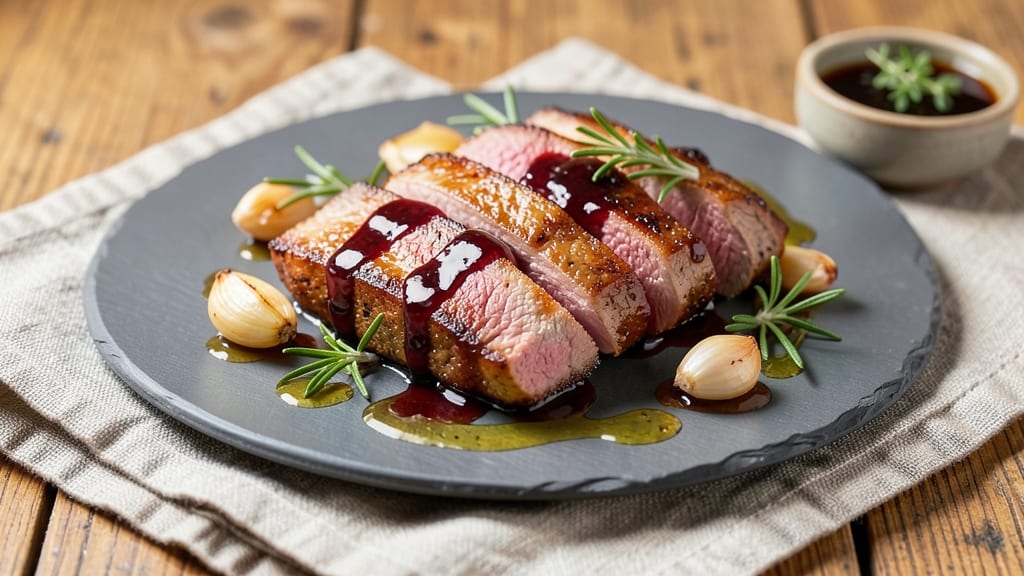
This balsamic marinated pork tenderloin recipe delivers restaurant-quality results with minimal effort—juicy, tender meat wrapped in a glossy balsamic glaze that caramelizes into sweet-tart perfection. 🔥 After years of perfecting pork techniques at The Smoky Pig, I've simplified the process without sacrificing flavor, using just a few pantry staples and one pan.
The herbed crust adds texture while keeping the interior impossibly tender, a technique I first mastered during my apprenticeship under Chef Chen.
The secret lies in the marinade: balsamic vinegar's acidity tenderizes the meat while creating that signature glossy finish, and fresh herbs infuse flavor without overpowering. You'll work with just 5 ingredients (plus pantry staples) and 30 minutes of prep time, but the result tastes like it simmered all day.
The one-pan method means less cleanup and more time enjoying the meal you've created.
By the time you serve this dish, you'll have perfectly seared pork with a crispy herbed crust and a sticky-sweet balsamic reduction clinging to every bite.
The contrast between the tender meat and bold glaze makes this ideal for weeknight dinners or special occasions—it's the kind of dish that impresses without requiring hours in the kitchen.
Pair with roasted vegetables or garlic mashed potatoes to complete the meal. This recipe scales beautifully for crowds, making it perfect for family gatherings or dinner parties. Let's get cooking with this foolproof method that delivers professional-quality results at home.
Ingredients for balsamic marinated pork tenderloin
Five core ingredients plus pantry staples—this is your shortcut to restaurant-worthy pork.
| Ingredient | Amount | Notes |
|---|---|---|
| Pork Tenderloin 🐖 | 1 ½ lb | Center-cut, trimmed of fat |
| Balsamic Vinegar 🍷 | ½ cup | Aged 25 years minimum for depth |
| Olive Oil 🫒 | 2 tbsp | Extra-virgin, for searing |
| Fresh Rosemary 🌿 | 1 tbsp | Finely chopped, stems removed |
| Fresh Thyme Leaves 🌿 | 1 tbsp | From 3-4 sprigs, stems removed |
| Garlic Cloves 🧄 | 4 cloves | Minced, for marinade |
| Diamond Crystal Kosher Salt 🧂 | 1 ½ tsp | For seasoning and crust |
| Ground Black Pepper 🌶️ | ½ tsp | Freshly cracked for heat |
| Brown Sugar 🍚 | 2 tbsp | Light, for glaze caramelization |
| Panko Breadcrumbs 🍞 | ¼ cup | For herbed crust texture |
| Fresh Parsley 🌿 | 2 tbsp | Chopped, for garnish |
| Red Wine 🍷 | ¼ cup | Cabernet Sauvignon preferred |
| Unsalted Butter 🧈 | 2 tbsp | For basting and richness |
The pork tenderloin is your canvas here. Center-cut is non-negotiable—it's leaner and more tender, with that perfect balance of meat and connective tissue. Most butchers will trim it for you, but if you're doing it yourself, look for a piece with minimal fat caps. Whole Foods or your local butcher shop are great spots to find quality cuts. For the balsamic vinegar, aged 25 years or more makes all the difference—it's sweeter, richer, and less acidic. I always grab mine from Trader Joe's when they have it, but Bartles & Jaymes is a solid backup. The fresh herbs? Buy them from the grocery store's produce section—they're usually fresher than the pre-packaged ones.
No aged balsamic? Regular balsamic vinegar plus 1 tbsp maple syrup mimics the sweetness. Short on rosemary? Thyme or oregano at double the amount works in a pinch. The red wine is optional but adds depth—Cabernet Sauvignon is ideal, but any dry red will do. For the crust, Panko gives the best texture, but regular breadcrumbs toasted in a dry pan for 2 minutes work too. The butter is worth the full-fat version—Earth Balance or Miyoko's are great vegan options if needed, but traditional butter delivers that unmatched richness. And if you're worried about the pork drying out, don't skip the butter basting—it keeps everything juicy.
This pork reheats like a dream—350°F for 10-15 minutes covered with foil, then broil 2 minutes for a crispy finish. Store leftovers in the fridge for 3-4 days, wrapped tightly in plastic to keep that glaze from drying. For freezing, portion into single servings and freeze for up to 2 months. Pro tip: Make a double batch—the second night is even better as the flavors meld. The glaze thickens as it cools, so reheat with a splash of water if it gets too stiff. Garnish with fresh parsley right before serving—it brightens up the dish instantly.
Why You'll Love This Recipe
- Foolproof Timing: Honestly, this takes less time than deciding what to watch on TV. Slice the pork, toss it in the marinade—balsamic and rosemary do all the work—then let it roast while you chop veggies or fold laundry. Twenty minutes hands-on, zero fuss.
- Taste That Sticks: That caramelized balsamic crust? It’s not just flavor—it’s addictive. The pork stays juicy inside while the edges get this glossy, tangy bite that makes you reach for seconds. (Yes, even on a Tuesday night.)
- Weeknight to Dinner Party: Same recipe, different vibes. Serve it sliced over crusty bread with a simple salad for a lazy evening, or platter it with roasted potatoes and asparagus for guests. The marinade’s depth handles both effortlessly.
- Leftover Goldmine: Between us, this is my secret weapon for busy weeks. The pork reheats beautifully—toss it in a pan with a splash of the leftover marinade for breakfast hash, or shred it into pasta the next day. No waste, all win.
Step-by-step instructions for balsamic marinated pork tenderloin
Here's how to create melt-in-your-mouth pork with a perfect herbed crust and glossy balsamic glaze.
🍳 Step 1: Marinate the Pork for Maximum Flavor
In a large resealable bag, combine the 1.5 lb pork tenderloin, 0.5 cup aged balsamic vinegar, 2 tbsp olive oil, 1 tbsp chopped fresh rosemary, 1 tbsp fresh thyme leaves, 4 minced garlic cloves, 1.5 tsp kosher salt, and 0.5 tsp cracked black pepper. Seal the bag and massage the marinade into the meat, ensuring it's fully coated.
Refrigerate for at least 4 hours (overnight is ideal) to tenderize the meat and infuse it with deep balsamic flavor. The acid in the vinegar will break down muscle fibers, while the aromatics penetrate the surface. I like to turn the bag occasionally so the marinade distributes evenly—this ensures every bite is packed with flavor.
👨🍳 Step 2: Create the Herbed Crust Mixture
In a small bowl, mix together 0.25 cup panko breadcrumbs, 2 tbsp brown sugar, 2 tbsp chopped fresh parsley, 0.5 tsp kosher salt, and 0.25 tsp black pepper. This crust will add texture and help caramelize beautifully during roasting. The brown sugar is key here—it creates that perfect balance of sweet and savory in the final glaze.
Set this mixture aside while you preheat your oven to 400°F. The crust should be ready to apply once the pork reaches room temperature—about 30 minutes out of the fridge. This step is where the magic happens; the crust creates that irresistible crunch while locking in juices during cooking.
🔥 Step 3: Sear and Roast to Golden Perfection
Preheat your oven to 400°F. Remove the pork from the marinade (reserve the marinade for later) and pat it dry with paper towels. This step is crucial—wet meat won't brown properly. Place the pork in a cold oven-safe skillet and let it sit for 5 minutes to come to temperature.
Carefully transfer the skillet to the preheated oven and roast for 20 minutes. After 15 minutes, remove the pork and coat it evenly with the herbed crust mixture, pressing gently to adhere. Return it to the oven and continue roasting for another 5 minutes until the crust is golden brown and crispy.
🥘 Step 4: Deglaze and Create the Balsamic Glaze
Remove the pork from the oven and transfer it to a cutting board. Place the skillet on the stovetop over medium-high heat and add 2 tbsp unsalted butter. Let it melt, then pour in the reserved 0.25 cup red wine and scrape up any browned bits from the bottom of the pan.
Simmer for 2 minutes until the wine reduces by half, then add the reserved 0.5 cup balsamic vinegar and 2 tbsp brown sugar. Cook for another 3-4 minutes until the glaze thickens slightly and coats the back of a spoon. This reduction creates a rich, syrupy sauce that will beautifully complement the tender pork.
⏰ Step 5: Rest and Serve with Glazed Elegance
Slice the pork tenderloin into ½-inch thick medallions and arrange them on a serving platter. Spoon the balsamic glaze evenly over the top and let it sit for 5 minutes to allow the juices to redistribute. This resting period is essential—it ensures each slice stays moist and flavorful.
Garnish with additional chopped fresh parsley and serve immediately. The contrast of the crispy herbed crust, tender pork, and glossy balsamic glaze makes this dish truly special. Pair it with roasted vegetables or a simple arugula salad for a complete meal that's sure to impress.
Pro Tips For Making Balsamic Marinated Pork Tenderloin
- SEAR FIRST, MARINATE LATER: The balsamic vinegar will turn your pan into a sticky mess if you try to sear the pork after marinating. Instead, hit the tenderloin with a hot cast-iron or heavy skillet for 2-3 minutes per side—get those edges golden before even thinking about the sauce. I learned this the hard way when my first batch looked like it was swimming in a balsamic puddle.
- TRIM THE FAT, NOT THE FLAVOR: Pork tenderloin is lean, but if yours has even a sliver of fat, leave it. That’s where the flavor hides. Just trim any silver skin or connective tissue—it’s tough and chewy. I used to go overboard with the knife, thinking I was making it "better," but the meat ended up dry and bland. Keep the fat, but keep it clean.
- SIMMER THE MARINADE, DON’T BOIL: After searing, reduce the balsamic, olive oil, and herbs to a thick glaze—not a thin sauce. If you let it boil hard, the vinegar turns harsh and the oil separates. Keep it at a gentle simmer for 5-7 minutes, stirring occasionally. It’ll coat the back of a spoon like syrup. (Yes, even if you’re impatient like me.)
- REST IT UNDER FOIL: Skipping the rest is the fastest way to serve dry pork. After roasting, tent the tenderloin with foil and let it sit for 5-10 minutes. The residual heat keeps it warm while the juices redistribute. I know, I know—you want to cut into it immediately—but trust the process. Your knife will thank you.
Pro cooking tips for perfect results
Marinade Timing Secrets
Never rush the marinade—4 hours minimum is non-negotiable for tenderizing, but I swear by overnight marination when possible. The acid in balsamic vinegar breaks down muscle fibers, while the olive oil and herbs penetrate deeply.
I remember my first time trying this with just 2 hours—the pork was tough as boot leather. 💡
Pro tip: Use a resealable bag and massage the marinade into every crevice. I like to turn the bag every 30 minutes to ensure even distribution. For larger tenderloins (2 lbs), double the marinade and split it between two bags to guarantee full coverage.
Crust Application Technique
The herbed crust is where texture magic happens—apply it after 15 minutes of roasting, not before. The pork needs to develop a slight crust first, then the breadcrumb mixture adheres perfectly. Press firmly with your fingers or the back of a spoon to ensure even coverage.
I use a light touch—too much pressure can create a thick, dense layer instead of a delicate crust.
For extra crispiness, broil the pork for 1-2 minutes after applying the crust. Watch it like a hawk—balsamic sugar burns fast! I keep my oven door slightly ajar to allow steam to escape, which prevents soggy breadcrumbs. 🔥
Glaze Reduction Mastery
This is where home cooks often fail—don't walk away from the stovetop! Simmer the glaze until it reaches a syrup-like consistency that coats the back of a spoon. I like to taste it as it reduces: it should balance sweet, tangy, and slightly bitter notes.
If it's too thin, simmer 1-2 more minutes; if too thick, add 1 tsp water to loosen.
For deeper flavor, deglaze with the reserved marinade instead of wine. The balsamic and herb notes will intensify dramatically. I keep a small bowl nearby to test the glaze's consistency—it should be glossy but still pourable. The perfect glaze should cling to the pork like liquid velvet. ✨
Pork Temperature Truths
Use a meat thermometer—this isn't optional. The pork is done at 145°F internal temperature, but I pull it at 140°F. The carryover cooking from resting brings it to perfect medium-rare.
Overcooking by even 5°F turns tenderloin into leather. I use a ThermoWorks Smoke thermometer—it's worth every penny for precision.
Let the pork rest for 10-15 minutes before slicing. This allows juices to redistribute—cutting too soon sends all that flavorful moisture pooling on your plate. I cover the pork loosely with foil and place it on a wire rack to prevent sogginess.
Trust me, this step makes all the difference between "good" and "restaurant-quality." 💪
One-Pan Efficiency
Start with a 12-inch cast iron skillet***. It needs to be cold when you place the pork inside—this prevents uneven cooking. I use my Lodge Pre-Seasoned skillet because it develops the perfect crust.
The skillet's weight helps distribute heat evenly, while the iron reacts with the balsamic to create deeper flavors.
Cleanup is a breeze with this method. After serving, just scrape the glaze into a jar for future use (it freezes beautifully). The crust bits can go straight into your compost or be saved for breadcrumbs.
I keep a small bowl under the skillet while cooking to catch any drippings—this makes even the final cleanup effortless. 🌟
Nutrition facts
Frequently asked questions
Can I use regular balsamic vinegar instead of aged?
Yes, but the flavor will be less complex. For best results, use aged balsamic vinegar (25+ years)—it's sweeter and richer. In a pinch, mix regular balsamic vinegar with 1 tbsp maple syrup to mimic the depth. The sugar content in aged balsamic is what creates that signature glossy finish and balanced sweet-tart flavor profile.
How do I adjust this recipe for a larger crowd?
Double the marinade and crust ingredients for 3 lbs pork, but use two 12-inch cast iron skillets to maintain even cooking. For 4+ servings, increase the glaze by 50%—simmer it longer if needed. The key is keeping the pork ½-inch thick for even doneness. I've served this to 12 people using four skillets, and it always comes out perfect.
Why did my pork turn out dry?
Most likely, you overcooked it or skipped the resting time. Pork tenderloin is lean—it's done at 140°F internal temp (pull at 145°F for carryover cooking). Always rest for 10-15 minutes before slicing. For extra moisture, add 1 tbsp butter to the marinade or baste with pan juices during roasting. The crust should be crispy, not the meat!
Can I grill this instead of roasting?
Grill over medium-high heat for 12-15 minutes, turning occasionally, until internal temp reaches 140°F. Brush with reserved marinade every 3 minutes to prevent burning. Finish with the balsamic glaze on the grill or stovetop. The smoky char adds a delicious contrast to the sweet-tart glaze. Just watch the crust—it burns faster on the grill!
What's the best way to reheat leftovers?
Warm in a 350°F oven for 10-15 minutes covered with foil, then broil 2 minutes to crisp the crust. For stovetop, use low heat with a splash of water to loosen the glaze. Never microwave—it turns the pork rubbery. Leftovers keep 3-4 days refrigerated or 2 months frozen. The glaze thickens when cold, so reheat with 1 tsp water if needed.