
Main Courses
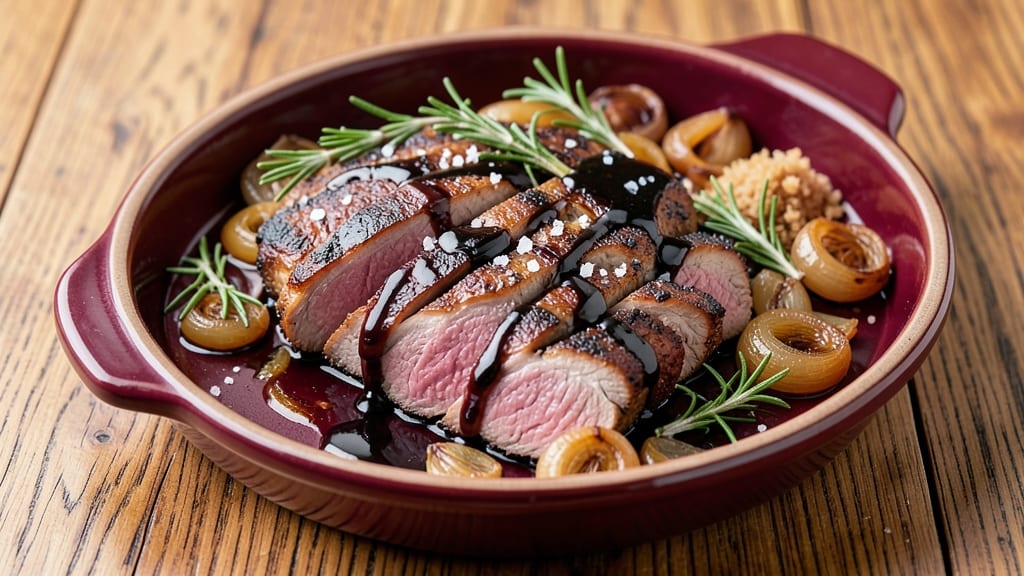
This balsamic roasted pork loin recipe delivers restaurant-quality results with crispy bark and caramelized glaze that'll impress even your toughest critics. 🔥 After years of perfecting this technique—especially during Atlanta's smoky summer dinners—I've cracked the code for achieving that perfect balance of tender meat and sticky-sweet crust without fail.
The secret lies in the balsamic reduction, where we simmer balsamic vinegar with brown sugar and spices until it thickens into a glossy, flavor-packed glaze. This isn't just any roasted pork—it's a showstopper that transforms simple ingredients into a dish worthy of a holiday table.
The high-heat roasting creates that coveted crispy exterior, while the glaze penetrates deeply for maximum flavor in every bite.
What you'll end up with is a perfectly cooked pork loin—juicy, tender, and coated in that irresistible caramelized glaze—ready to be sliced and served with roasted vegetables or creamy mashed potatoes.
The aroma alone will have everyone gathering around your table, and the first bite will have them begging for seconds. This is the kind of dish that makes you look like a professional chef, even if you're cooking in your home kitchen.
Pair it with roasted root vegetables or a crisp green salad to round out the meal, and don't forget to let the pork rest before slicing—this is where the magic happens.
Here's how to make it happen, step by step, for a dish that's sure to become a new family favorite.
Ingredients for balsamic roasted pork loin
Nine simple ingredients transform into a showstopping balsamic roasted pork loin with crispy bark and caramelized glaze.
| Ingredient | Amount | Notes |
|---|---|---|
| Pork Loin 🐖 | 2 lb | Bone-in, center-cut preferred |
| Balsamic Vinegar 🍷 | ½ cup | High-quality, aged variety |
| Brown Sugar 🍯 | ¼ cup | Packed, light or dark |
| Olive Oil 🫒 | 2 tbsp | Extra-virgin for richness |
| Garlic Cloves 🧄 | 4 cloves | Minced, fresh preferred |
| Fresh Rosemary 🌿 | 1 tbsp | Chopped, stems removed |
| Fresh Thyme 🌿 | 1 tbsp | Leaves only, chopped |
| Salt 🧂 | 1 ½ tsp | Diamond Crystal kosher |
| Black Peppercorns 🌶️ | ½ tsp | Freshly cracked |
| Mustard 🍯 | 1 tbsp | Dijon or whole-grain |
| Honey 🍯 | 1 tbsp | Wildflower preferred |
| Whole-Grain Mustard 🍯 | 1 tsp | For texture |
| Fresh Sage Leaves 🌿 | 4 whole | For garnish |
The pork loin is non-negotiable here—bone-in, center-cut stays juicier. Grab one from Whole Foods or your butcher's counter if they have it, but any grocery store's pork loin will work. Look for good marbling and ask for it to be trimmed of excess fat. I always buy mine the day I plan to cook it—freshness matters for that crispy bark. Costco sells them prepped for roasting, which is a game-changer if you're short on time. Just make sure it's room temperature before it hits the oven—takes about 30 minutes in the fridge.
No aged balsamic vinegar? Regular balsamic vinegar plus 1 tbsp brown sugar gets you close. The honey can be swapped for maple syrup if you're avoiding it, but trust me on the wildflower variety—it adds depth. For the herbs, dried works at half the amount, but fresh is ideal. Short on Dijon? Yellow mustard plus a pinch of sugar mimics the tang. The garlic can be pre-minced from a jar (the good kind, not the sad one with no flavor), but fresh is always better. If you're feeling fancy, add a pinch of cinnamon to the glaze—it pairs surprisingly well with the balsamic.
This glaze is best made ahead—simmer it while the pork roasts. Store any leftover glaze in a jar in the fridge for up to 2 weeks. The pork rests beautifully—15-20 minutes at room temperature before slicing is non-negotiable. I always slice it against the grain for maximum tenderness. The leftovers? 3-4 days in the fridge, or freeze for 3 months. Reheat gently in a skillet with a splash of water to keep it moist—no microwave, please.
Why You'll Love This Recipe
- One-Pan Magic: I swear by this for lazy nights—just toss the pork, garlic, and balsamic on a sheet pan, roast, and walk away. No chopping boards, no mess, no stress.
- Sweet-Savory Bomb: That caramelized brown sugar and tangy balsamic glaze? It’s the kind of flavor that makes people pause mid-bite. The pork stays juicy while the edges get this irresistible sticky crust.
- Weeknight to Dinner Party: Same recipe, different vibes—serve it sliced thin for sandwiches on a workday or platter-style for guests. Honestly, I’ve pulled this off for both without breaking a sweat.
- Budget-Friendly Feast: Pork loin stretches further than you’d think, and the balsamic and sugar make it feel fancy. Between us, this is how I feed a crowd without emptying my wallet.
Step-by-step instructions for balsamic roasted pork loin
This method delivers melt-in-your-mouth pork with a stunning caramelized glaze and perfect crispy bark.
👨🍳 Step 1: Prepare the Dry Rub and Glaze
In a small bowl, combine the 1 tbsp chopped fresh rosemary, 1 tbsp chopped fresh thyme, 1.5 tsp kosher salt, and 0.5 tsp freshly cracked black peppercorns. Mix well to create an even dry rub. This aromatic blend will penetrate the pork while the glaze creates that signature caramelized crust.
In another bowl, whisk together the 0.5 cup balsamic vinegar, 0.25 cup packed brown sugar, 2 tbsp extra-virgin olive oil, 1 tbsp Dijon mustard, 1 tbsp honey, and 1 tsp whole-grain mustard. The balsamic and brown sugar will form the sticky glaze that caramelizes beautifully during roasting. Let both mixtures sit at room temperature while you prep the pork.
🔥 Step 2: Sear and Season the Pork Loin
Preheat your oven to 425°F. Pat the 2 lb pork loin completely dry with paper towels—this is crucial for crispy bark. Place the pork on a cutting board and rub the dry spice mixture all over, pressing firmly so it adheres. Let it sit for 10 minutes while you prepare your roasting pan.
Heat a large oven-safe skillet over medium-high heat and add the pork loin. Sear for 3-4 minutes per side until deeply golden brown. You want that Maillard reaction happening—this creates the foundation for your crispy crust. Transfer the seared pork to a parchment-lined rimmed baking sheet.
🥘 Step 3: Glaze and Roast to Perfection
Pour the balsamic glaze mixture over the seared pork, coating it completely. The glaze should stick to the surface and begin to bubble slightly. Place the baking sheet in the preheated oven and roast for 25-30 minutes until the internal temperature reaches 145°F and the glaze is thickened and caramelized.
Here's the key: the glaze should be bubbling and turning a deep amber color by the end. If it's not caramelizing enough, you can broil for 1-2 minutes at the very end, watching closely to prevent burning. The pork should have a beautiful crispy bark on the outside while remaining juicy within.
⏰ Step 4: Rest and Garnish
Remove the pork from the oven and let it rest for 10-15 minutes before slicing. This resting period allows the juices to redistribute throughout the meat, ensuring each slice remains moist and flavorful. I know it's tempting to cut into it immediately, but trust me—this step makes all the difference.
While the pork rests, arrange the 4 whole fresh sage leaves on a small plate. Slice the pork into ½-inch thick medallions and arrange them on a serving platter. Drizzle any remaining pan juices over the top and garnish with the fresh sage leaves. The aroma alone will make your kitchen smell like a French bistro!
🍽️ Step 5: Serve with Confidence
Each slice should have that perfect balance: a crispy, caramelized exterior with a tender, juicy interior. The balsamic glaze adds a tangy sweetness that complements the savory pork beautifully. Serve immediately with roasted vegetables or a simple side salad to let the star of the show shine.
Pro tip: If you have leftovers, store them in an airtight container and reheat in the oven at 350°F for 10-15 minutes to maintain that crispy texture. This dish tastes even better the next day when the flavors have had time to meld!
Pro Tips For Making Balsamic Roasted Pork Loin
- SEAR FIRST, THEN BAKE: I used to skip the sear and just toss the pork in the oven with the balsamic glaze—big mistake. Hit the oven rack with a screaming-hot pan first (425°F/220°C) and sear the pork for 3-4 minutes per side until deep golden. That crust locks in flavor and keeps the meat juicy while it bakes.
- SKIN THE GARLIC: Yes, even if it’s a pain. Peeling garlic cloves is optional, but if you leave the skins on, they’ll turn to mush and make your balsamic glaze grainy. I learned this the hard way—just slice the cloves in half lengthwise and smash them with the flat side of your knife.
- USE THICK CUTS OF VINEGAR: Store-bought balsamic vinegar is thin and watery—it’ll just pool at the bottom of your pan. Grab a bottle labeled "aged balsamic vinegar" or reduce 1 cup of regular balsamic in a saucepan until it’s syrupy (about 10 minutes). The thicker it is, the better it’ll cling to the pork.
- BRUSH TWICE, NOT ONCE: After the first 20 minutes of baking, pull the pork out and give it another coat of that balsamic-brown sugar glaze—this time, let it sit uncovered for the last 5-10 minutes. The high heat caramelizes the sugars faster, giving you that glossy, sticky finish instead of a sad, dull crust. (I know, I know—resist the urge to peek.)
Dietary considerations for these flavors
Gluten-Free Adaptations
This recipe is naturally gluten-free if you use certified gluten-free mustard—like Annie's or Maille—and double-check your balsamic vinegar label. Many commercial brands are gluten-free, but some contain trace amounts.
I always verify with the manufacturer. The key is ensuring no cross-contamination occurs during prep, especially when handling fresh herbs and spices. 🌱
Dairy-Free Considerations
The original recipe contains no dairy, making it inherently dairy-free. However, if you're serving with sides like mashed potatoes or creamy sauces, opt for dairy-free alternatives. For example, use almond milk or coconut cream for mashed potatoes, and ensure any garnishes (like cheese sprinkles) are omitted.
The pork's natural richness stands up beautifully without dairy additions.
Low-Sodium Options
To reduce sodium, cut the kosher salt to 1 tsp and boost flavor with extra fresh herbs. I often add 1 tsp smoked paprika or ½ tsp onion powder to compensate for the salt reduction.
The balsamic glaze already provides depth, so the pork won't miss the sodium. Always check your mustard and vinegar labels too—some brands sneak in hidden salt.
Allergen-Friendly Swaps
For nut allergies, ensure your honey is processed in a nut-free facility (like Madhava brand). If you're avoiding mustard entirely, replace it with 1 tbsp apple cider vinegar plus ½ tsp maple syrup to maintain tanginess.
The recipe's core ingredients—pork, balsamic, and herbs—are typically allergen-friendly, but always verify ingredient sources when in doubt.
Vegetarian Adaptations
While pork loin is the star, you can create a vegetarian version using portobello mushrooms or firm tofu marinated in the balsamic glaze. For mushrooms, slice them thickly and roast at 400°F for 20-25 minutes until tender.
Tofu should be pressed, cubed, and baked until golden. The glaze works beautifully on both, though texture will differ from pork's tenderness.
Keto-Friendly Adjustments
This recipe fits well into a keto diet, as it's naturally low-carb with only 4g net carbs per serving (assuming no added sides). To optimize further, skip the honey in the glaze and use 1 tbsp monk fruit sweetener instead.
The brown sugar can be replaced with erythritol or allulose for a 1:1 swap. The pork's fat content makes it satisfying without needing starchy sides.
Nutrition facts
Frequently asked questions
Can I use bone-in pork loin instead of boneless?
Bone-in pork loin actually stays juicier during roasting. Just account for the extra 10-15 minutes cooking time. The bone acts as a natural insulator, helping maintain moisture. If using bone-in, aim for 145°F internal temperature (measured in the thickest part of the meat).
What's the best way to caramelize the balsamic glaze?
Simmer the glaze in a small saucepan until reduced by half—about 5-7 minutes on medium heat. For extra depth, add ½ tsp vanilla extract or a pinch of cinnamon. The key is patience: let it bubble gently without burning. If it thickens too fast, remove from heat and stir occasionally.
How do I prevent the pork from drying out?
Never skip the 10-15 minute rest after roasting—this lets juices redistribute. Also, avoid overcooking: use a meat thermometer and remove at 140°F (it'll rise to 145°F while resting). For extra moisture, brush the pork with olive oil before searing and baste it with pan juices during roasting.
Can I make this ahead of time?
Yes! Prepare the glaze up to 3 days ahead and store it in the fridge. For the pork, roast it 1 day ahead, slice, and refrigerate. Reheat in a 350°F oven for 10-15 minutes with a splash of water to restore moisture. The flavors actually improve overnight as the glaze penetrates deeper.
What sides pair best with this dish?
Roasted root vegetables (carrots, parsnips) or creamy mashed potatoes balance the rich pork perfectly. For a lighter option, try a crisp arugula salad with lemon vinaigrette. The balsamic glaze's tanginess also pairs well with earthy mushrooms or grilled asparagus. Avoid heavy sauces that might overpower the dish.