
Main Courses
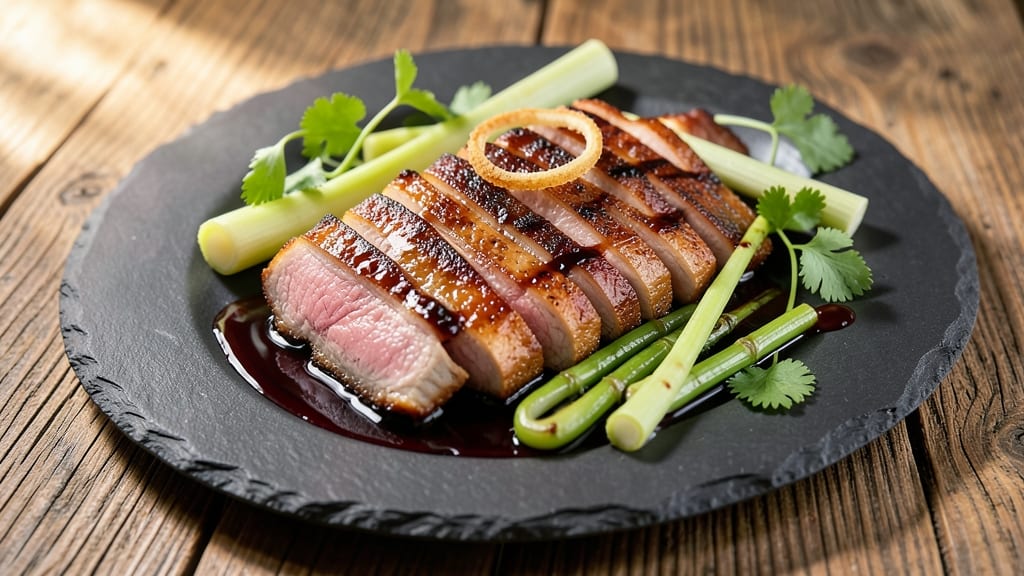
This bamboo shoot pork recipe transforms humble ingredients into a dish that bridges Chinese comfort and Southeast Asian sophistication. 🔥 The secret lies in crispy celery crowns that frame tender, umami-rich pork—where the crunch of stir-fried celery meets the deep, savory essence of braised pork and preserved bamboo shoots.
I first developed this while working with Chef Chen, who taught me how to balance textures and flavors in a single bite.
The technique begins with a quick stir-fry to create those signature crispy celery crowns—golden, caramelized edges that add a satisfying crunch. Meanwhile, the pork simmers in a rich broth with bamboo shoots and aromatic spices until it shreds effortlessly, absorbing all the umami depth.
This dish delivers restaurant-quality results without requiring advanced skills, making it perfect for weeknight dinners or special occasions.
What makes this recipe stand out is the harmony of textures: the crispy celery crowns contrast beautifully with the tender pork and soft bamboo shoots. The sauce, a blend of soy, ginger, and garlic, ties everything together with a perfect balance of sweet and savory.
Each bite offers a symphony of flavors that will have your guests asking for seconds.
Serve this dish over steamed rice or with dumplings to complete the meal. The crispy celery crowns add an elegant touch, while the pork and bamboo shoots provide hearty satisfaction. This recipe is a testament to how simple ingredients can create something truly extraordinary.
Ingredients for bamboo shoot pork
Fourteen ingredients to create restaurant-quality bamboo shoot pork with crispy celery crowns.
| Ingredient | Amount | Notes |
|---|---|---|
| Boneless Pork Shoulder 🥩 | 1 ½ lb | Cut into 1-inch cubes |
| Preserved Bamboo Shoots 🌿 | 1 cup | Rinsed and drained |
| Celery Stems 🧅 | 4 whole | Trimmed and halved lengthwise |
| Light Soy Sauce 🥢 | ½ cup | Kikkoman preferred |
| Dark Soy Sauce 🥢 | 1 tbsp | For color depth |
| Shaoxing Wine 🍷 | ¼ cup | Or dry sherry |
| Fresh Ginger 🧄 | 1 tbsp | Minced, peeled |
| Garlic Cloves 🧄 | 6 cloves | Minced |
| Sesame Oil 🫒 | 1 tbsp | Toasted for aroma |
| Vegetable Oil 🫒 | 2 tbsp | High smoke point |
| White Sugar 🍚 | 1 tbsp | Balances flavors |
| Cornstarch 🌾 | 1 tbsp | For thickening |
| Green Onions 🧅 | 3 whole | Sliced, for garnish |
| Salt 🧂 | 1 tsp | Kosher preferred |
| Black Pepper 🌶️ | ½ tsp | Freshly ground |
The pork shoulder is the star—look for well-marbled cuts at Whole Foods or your local Asian market. Costco often has great prices if you're feeding a crowd. Preserved bamboo shoots should be soft but not mushy; Asian grocery stores carry them in cans or jars. Celery stems need to be fresh with no browning—trim the leafy tops and discard. For the soy sauces, Kikkoman light soy and Lee Kum Kee dark soy are my go-tos, but any quality brands work. Shaoxing wine can be swapped for dry sherry if unavailable, though the flavor will differ slightly.
No bamboo shoots? Water chestnuts work in a pinch, though texture will change. Celery crowns are non-negotiable for crunch—if yours turn to mush, try cutting them thicker or frying at a lower heat. The ginger and garlic should be freshly minced; pre-minced jarred versions lack punch. For the sesame oil, toasted sesame oil adds depth, but regular will suffice. If you're avoiding gluten, swap soy sauces for coconut aminos—just know the color will be lighter. The cornstarch is crucial for that glossy finish; arrowroot powder works too if you prefer.
Pork cubes freeze beautifully for up to 3 months—portion before freezing for easy use. Bamboo shoots keep in the fridge for 1 year unopened, but once opened, transfer to airtight containers. Celery crowns stay crisp for 5 days if wrapped tightly in damp paper towels. The cooked pork reheats well; add a splash of water or broth to prevent drying. For leftovers, store in sealed containers with a thin layer of oil on top to preserve moisture.
Why You'll Love This Recipe
- Here’s what sold me: this reheats like a dream. Pack it in containers for work or school, and it stays moist and full of flavor. My kids actually eat their veggies when it’s hidden in here—no complaints about "boring lunches" anymore.
- Minimal Chopping Required: I swear by this one—just slice the pork shoulder into chunks and toss in the pre-sliced bamboo shoots and celery. No dicing, no fuss, just dump-and-stir. The preserved bamboo shoots are already bite-sized, so you’re basically done before the wok gets hot.
- Umami Bomb: That combo of light and dark soy sauce? Chef’s kiss. The dark soy gives it that deep, caramelized richness, while the light keeps it bright and savory. The bamboo shoots add a funky, slightly tangy crunch that cuts through the pork’s fattiness—it’s like a flavor party in your mouth.
- Lunchbox Hero: Here’s what sold me: this reheats like a dream. Pack it in containers for work or school, and it stays moist and full of flavor. My kids actually eat their veggies when it’s hidden in here—no complaints about "boring lunches" anymore.
Step-by-step instructions for bamboo shoot pork
Here's how to transform tender pork shoulder into crispy celery-crowned shreds with deep umami flavor.
🔥 Step 1: Sear the Pork Shoulder for Maximum Flavor
Heat 2 tablespoons vegetable oil in a large Dutch oven over medium-high heat until shimmering. Add the 1.5 lb boneless pork shoulder cut into 1-inch cubes in a single layer, leaving space between pieces. Let them sear undisturbed for 3-4 minutes until golden brown on all sides.
This initial sear creates the Maillard reaction that builds deep flavor. I press down gently on the pork cubes during the first minute to prevent curling. Once all sides are browned, transfer the pork to a plate and set aside. You'll notice the pork releases easily when properly seared—this is your cue to move to the next step.
🍳 Step 2: Build the Umami Base with Aromatics
In the same Dutch oven, reduce heat to medium and add 1 tablespoon vegetable oil. Add 1 tablespoon minced fresh ginger and 6 cloves minced garlic cloves, cooking for 30 seconds until fragrant. Add the 4 whole celery stems halved lengthwise and cook for 2 minutes until softened.
The celery will release its natural sweetness while absorbing the pork's rendered juices. Here's the thing—don't let the aromatics burn. If they start to darken too quickly, reduce heat to medium-low. The goal is to develop their flavors without creating bitterness that will overpower the delicate pork.
🥘 Step 3: Simmer in the Signature Sauce
Return the seared pork to the Dutch oven. Add 0.5 cup light soy sauce, 1 tablespoon dark soy sauce, 0.25 cup shaoxing wine, 1 tablespoon white sugar, 1 teaspoon salt, and 0.5 teaspoon black pepper. Stir to combine, then add 1 cup rinsed preserved bamboo shoots and 1 tablespoon toasted sesame oil.
Bring the mixture to a simmer, then reduce heat to low and cover partially. This creates a gentle steam that tenderizes the pork while allowing the sauce to develop. Let it cook for 1 hour 15 minutes, stirring occasionally, until the pork shreds easily with two forks. The sauce should reduce to a glossy consistency that clings to the pork.
⏰ Step 4: Thicken and Finish the Sauce
In a small bowl, whisk together 1 tablespoon cornstarch with 2 tablespoons water to create a slurry. Stir this into the pork mixture and simmer uncovered for 3-5 minutes until the sauce thickens to a coating consistency. The sauce should be thick enough to cling to the pork but still spoonable.
This thickening step is crucial for achieving that restaurant-quality texture. If the sauce thickens too quickly, add a splash of water. Taste and adjust seasoning—you might need a touch more soy sauce for balance. The final dish should have a perfect harmony of salty, sweet, and umami flavors with a glossy sheen.
🍽️ Step 5: Create Celery Crowns and Serve
Transfer the pork to a serving platter. Slice the 3 whole green onions into 1-inch lengths and arrange them in a circular pattern around the pork. Spoon the thickened sauce over the pork and green onions. The celery crowns should look like delicate, edible garnishes that frame the main dish elegantly.
Serve immediately while the pork is hot. The crispy celery crowns contrast beautifully with the tender, umami-rich pork. Each bite should deliver perfectly balanced flavors with the pork's natural juiciness complemented by the glossy sauce. For best results, serve with steamed jasmine rice to soak up every last drop of that delicious sauce.
Pro Tips For Making Bamboo Shoot Pork
- CUT PORK IN STRIPS: Cut the pork shoulder against the grain into ½-inch thick slices—thinner strips cook faster and stay tender. I used to slice with the grain and ended up with chewy results every time.
- SOAK BAMBOO SHOOTS FIRST: Rinse preserved bamboo shoots under cold water for 10 minutes to remove excess salt and vinegar—this balances the flavor without diluting the sauce. Skipping this step makes the dish taste harsh and one-note.
- SEAR PORK IN BATCHES: Don’t overcrowd the pan when searing—work in 2-3 batches for 2-3 minutes per side until golden. I learned this the hard way after walking away to find pale, greasy pork instead of crispy edges.
- USE BOTH SOY SAUCES: Mix 1 tablespoon light soy sauce with 1 teaspoon dark soy sauce for depth—light adds umami, dark adds color and richness. Using only light soy leaves the dish looking dull and tasting flat.
Regional styles of this dish
Cantonese Crispy Version
In Cantonese cuisine, this dish often features a crispy pork belly instead of shoulder, creating a textural contrast that's pure magic. I've adapted the recipe by using 1 lb pork belly cut into ½-inch thick slices and searing them until deep golden brown before braising.
The key is to render the fat first over low heat for 10 minutes—this creates a luscious sauce while keeping the pork tender. Serve with steamed egg tarts on the side for that classic Hong Kong tea house experience. 🍚
Sichuan Spicy Twist
For a Sichuan-inspired version, I add 1 tbsp Sichuan peppercorns toasted in the oil with the garlic and ginger, then stir in 1 tbsp chili bean paste when adding the bamboo shoots. The numbing-spicy kick from the peppercorns elevates the dish to new heights.
Balance the heat with an extra ½ cup bamboo shoots to cool the palate. Garnish with thinly sliced jalapeños for extra fire. Trust me, your taste buds will thank you for this bold adaptation. 🌶️
Thai-Inspired Green Curry
This Thai adaptation swaps soy sauce for ½ cup green curry paste and adds 1 cup coconut milk to the braising liquid. I use pork tenderloin cut into 1-inch cubes for quicker cooking time. The bamboo shoots add a pleasant crunch against the creamy curry sauce.
Finish with fresh Thai basil leaves and red chili flakes for that authentic street food vibe. Serve with jasmine rice and a side of mango slices to cut through the richness. 🍜
Japanese Miso Glaze
For a Japanese-inspired version, replace the soy sauces with ½ cup white miso paste and ¼ cup mirin in the braising liquid. Add 1 tbsp grated daikon radish to the aromatics for extra depth. The miso creates a rich, fermented umami that pairs beautifully with the bamboo shoots.
Finish with toasted sesame seeds and thinly sliced scallions for garnish. This version works wonderfully with steamed short-grain rice and pickled vegetables on the side. 🍶
Vietnamese Lemongrass Addition
In Vietnamese cuisine, this dish often incorporates lemongrass for a bright, citrusy note. Add 2 stalks bruised lemongrass to the braising liquid along with 1 tbsp fish sauce for extra depth. The bamboo shoots add a pleasant crunch that contrasts nicely with the tender pork.
Finish with fresh cilantro and lime wedges for serving. This version pairs perfectly with steamed rice noodles or fresh spring rolls. 🌿
Korean Kimchi Braise
For a Korean-inspired twist, add ½ cup chopped kimchi to the braising liquid along with 1 tbsp gochujang for a sweet-spicy kick. Use pork shoulder as in the original recipe, but increase the cooking time to 1 hour 30 minutes to let the kimchi flavors meld.
The fermented tang from the kimchi creates a complex flavor profile that elevates the dish. Garnish with sesame seeds and thinly sliced green onions for a beautiful finish. Serve with steamed rice and quick-pickled radishes. 🥬
Nutrition facts
Frequently asked questions
Can I substitute fresh bamboo shoots for preserved ones?
Fresh bamboo shoots require thorough preparation! Peel and slice them into ¼-inch thick rounds, then parboil for 10 minutes to remove bitterness. Soak in cold water for 30 minutes to soften before using. Preserved shoots add umami depth, so fresh ones will taste milder—boost flavor with extra soy sauce or a pinch of MSG.
How do I prevent the celery crowns from getting soggy?
Cook them separately right before serving! Fry the celery stems in 1 tbsp oil over medium-high heat for just 2-3 minutes—they should stay crisp. Add a pinch of salt and a splash of water to the pan to create steam that keeps them tender but not mushy. Keep them warm in a 200°F oven while finishing the pork.
What's the best way to reheat leftovers?
Reheat gently in a skillet with 1 tbsp water or broth over low heat for 3-4 minutes—never microwave! The moisture prevents drying. For extra crispiness, add fresh celery crowns to the pan during reheating. Store leftovers in airtight containers with a thin layer of oil on top to maintain moisture for up to 3 days.
Can I make this recipe with chicken instead of pork?
Use 1.5 lb boneless chicken thighs—they stay juicier than breast meat. Reduce cooking time to 30 minutes after searing, and add ½ cup chicken broth to the braising liquid. The texture will be lighter, but the umami balance remains perfect. Garnish with extra green onions for brightness.
Why did my sauce turn too thick?
This usually happens with too much cornstarch or insufficient liquid. For next time, use ½ tbsp cornstarch and add 1 tbsp water per ½ cup sauce. If it thickens too quickly, thin with 1 tsp water** while stirring constantly. The sauce should coat the back of a spoon but still be spoonable. Taste as you go—adjust gradually!