
Main Courses
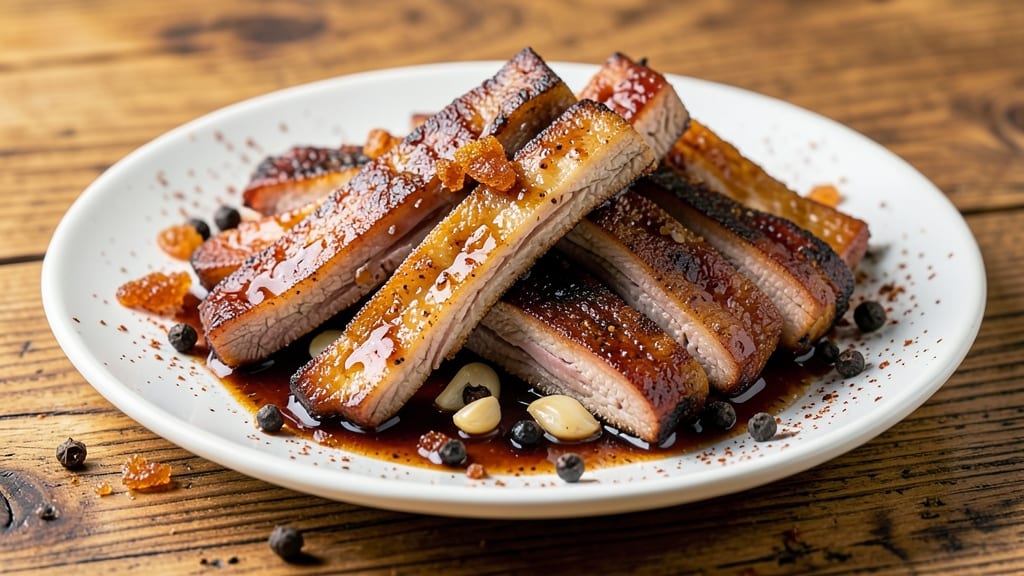
This barbecue pork belly strips recipe delivers crispy bark that shatters with every bite, meeting tender, silky shreds in one perfect pan. 🔥 After years of mastering the balance between sear and smoke, I've developed a method that transforms tough pork belly into melt-in-your-mouth strips with a crackling exterior.
The secret lies in the slow cook—whether you're using charcoal, pellets, or even your oven—where fat renders perfectly while the meat develops deep, smoky flavor.
What sets this recipe apart is the foolproof technique that works for both beginners and pitmasters. You'll start with thick-cut strips that develop that coveted bark while staying juicy inside, thanks to a simple dry rub of brown sugar, smoked paprika, and garlic powder.
The beauty of pork belly is its natural fat content, which creates succulent, flavorful meat without needing heavy marinades or sauces—just pure, smoky goodness.
By the time you're done, you'll have restaurant-quality pork belly strips that are crisp enough to stand up to tangy pickles or coleslaw but tender enough to shred with a fork.
The aroma alone will have everyone gathering around your grill, and the first bite delivers that perfect contrast of textures—crunchy outside, creamy inside—that makes this dish unforgettable. Serve with classic BBQ sides to complete the meal.
The best part? This method adapts to any cooking setup—charcoal grills, pellet smokers, or even your oven—so you can achieve professional results no matter your equipment. Let's get started on creating pork belly strips that will have your guests asking for seconds.
Ingredients for barbecue pork belly strips
Crispy bark meets silky meat—just nine ingredients and a little patience. The secret starts with the right cut of pork belly and a smoky dry rub that transforms everything.
| Ingredient | Amount | Notes |
|---|---|---|
| Pork Belly Strips 🥓 | 2 lb | Thick-cut, skin-on preferred |
| Brown Sugar 🍚 | 2 tbsp | Light or dark works |
| Smoked Paprika 🌶️ | 1 tbsp | High-quality for smoky flavor |
| Garlic Powder 🧄 | 1 tbsp | Freshly ground preferred |
| Kosher Salt 🧂 | 1 ½ tsp | Diamond Crystal preferred |
| Black Pepper 🌶️ | 1 tsp | Freshly cracked for heat |
| Apple Cider Vinegar 🍏 | 1 tbsp | For tenderizing the meat |
| Olive Oil 🫒 | 2 tbsp | High smoke point preferred |
| Yellow Onion 🧅 | 1 whole | Sliced for serving |
| Fresh Rosemary 🌿 | ¼ cup | Chopped, for garnish (optional) |
| Charcoal Briquettes 🔥 | 1 lb | Or wood pellets for smoker |
| Wood Chips 🌳 | ½ cup | Hickory or apple preferred |
| Aluminum Foil 📄 | 1 sheet | Heavy-duty for wrapping |
Pork belly is the star here, so look for thick-cut strips with good marbling—that fat is what creates the succulent, flavorful meat. Costco or local butchers usually have the best cuts, but most grocery stores carry pre-sliced pork belly strips. If you're buying a whole piece, ask for it to be cut into 1/2-inch thick strips. The skin-on variety develops the crispiest bark, but skinless works too if you prefer. For the rub, Penzeys or bulk spice sections have the best smoked paprika—avoid the cheap stuff, it tastes like sawdust. And trust me on the brown sugar: it's not just for sweetness, it helps caramelize that bark beautifully.
No smoked paprika? Regular paprika plus a pinch of liquid smoke gets you close. Running short on time? Pre-mix the dry rub and store it in a jar for up to 6 months. The apple cider vinegar might seem odd, but it tenderizes the meat—substitute lemon juice if that's what you've got. For the wood chips, hickory gives classic BBQ flavor, while apple adds sweetness. No grill? Use your oven's broiler—just watch it like a hawk to avoid burning. And if you're feeling fancy, toss those onion slices in a little olive oil and grill them alongside the pork for a complete meal.
These strips reheat like a dream—wrap them in foil and warm in a 300°F oven for 10 minutes. The bark stays crispy, and the meat stays juicy. Store leftovers in the fridge for 4-5 days, wrapped tightly in foil. For freezing, portion into single-serving bags—they thaw perfectly for quick lunches. The best part? The aroma alone will have your whole house gathering around the grill. Serve with tangy pickles or a simple coleslaw to cut through the richness.
Why You'll Love This Recipe
- Foolproof Marination: The brown sugar and smoked paprika do all the work—just toss the strips in, let them sit while you make coffee, and boom. No fancy techniques, no stress, just flavor waiting to happen.
- Crispy-Caramel Magic: That crunch from the sear meets the sticky-sweet caramelized sugar? It’s the kind of bite that makes you reach for seconds without thinking. Honestly, the first time I tried it, I nearly licked the pan.
- Tailgate or Tapas: Slap these on a board with pickles and crackers for game day, or serve them as finger food when friends drop by. They’re equal parts impressive and effortless—(yes, even on a Tuesday night).
- Leftovers That Beg: The strips reheat like a dream, crispy edges intact, and they’re cheap enough to feed the whole family. My kids actually ask for them cold in their lunches—no joke.
Step-by-step instructions for crispy pork belly strips with perfect bark
Here's how to transform tough pork belly into melt-in-your-mouth strips with a crackling crust.
👨🍳 Step 1: Prep the Pork for Maximum Flavor and Texture
Start by patting the 2 lb pork belly strips completely dry with paper towels—this is non-negotiable for crispy bark. I like to work in batches if they're still chilled, letting them sit at room temperature for 15-20 minutes before seasoning. This helps the seasoning adhere better and ensures even cooking.
In a small bowl, whisk together the 2 tbsp brown sugar, 1 tbsp smoked paprika, 1 tbsp garlic powder, 1.5 tsp kosher salt, and 1 tsp black pepper. This dry rub is your flavor foundation. Rub it generously over all sides of the pork belly strips, pressing firmly so it sticks. The sugar will caramelize during cooking, creating that coveted bark.
Here's the secret move: brush the pork belly strips with the 1 tbsp apple cider vinegar using a pastry brush. This tenderizes the meat and adds a subtle tang that balances the richness. Let the seasoned pork belly strips rest uncovered in the fridge for at least 1 hour (or up to 24 hours for deeper flavor penetration). This step makes all the difference in texture and taste.
🔥 Step 2: Set Up Your Smoker for Optimal Heat and Smoke
While the pork belly strips marinate, set up your smoker using the 1 lb charcoal briquettes and 0.5 cup wood chips. I prefer hickory for a classic barbecue flavor, but apple wood adds a subtle sweetness that works beautifully too. Soak the wood chips in water for 30 minutes before adding them to the smoker—this creates more smoke and less flare-ups.
Light the charcoal and let it burn until it's covered with a thin layer of white ash. Then add the soaked wood chips and let the smoker heat up to 225°F. This low-and-slow temperature is crucial for rendering fat and cooking the pork belly evenly without drying it out. You'll know it's ready when you see thin, blue smoke (not thick white smoke) wafting out of the smoker.
Line a baking sheet with the 1 sheet aluminum foil and place a wire rack on top. This keeps the pork belly strips elevated so the fat can drip away, preventing steaming and promoting crispiness. The foil makes cleanup a breeze too.
🍳 Step 3: Smoke the Pork Belly Until Fork-Tender
Place the seasoned pork belly strips on the wire rack, skin-side up. This allows the fat to render slowly and baste the meat as it cooks. Smoke the pork belly for 3-4 hours, maintaining a temperature of 225°F. Don't be tempted to peek or open the smoker—every time you do, you lose heat and add 15-20 minutes to your cook time.
After about 2 hours, check the internal temperature using an instant-read thermometer. It should be around 160-170°F. This is when the pork belly will hit "the stall"—the temperature stops rising as moisture evaporates. Don't panic; this is normal. If you're concerned about dryness, you can wrap the pork belly loosely in the aluminum foil at this point to help it cook through.
Continue smoking until the internal temperature reaches 195-203°F and the pork belly is fork-tender with no resistance. This usually takes another 1-2 hours, but trust the probe test over the thermometer—tenderness matters more than temperature. The skin should be deep golden brown and starting to crisp up.
🔪 Step 4: Crisp the Skin and Slice for Serving
Once the pork belly strips are fork-tender, remove them from the smoker and transfer them to a clean baking sheet. Increase your oven temperature to 425°F and place the pork belly strips on the middle rack. Broil for 5-7 minutes to crisp the skin to a deep mahogany color and create that irresistible bark.
Here's the fun part: slice the pork belly strips against the grain into ½-inch thick slices. The grain runs lengthwise, so cutting perpendicular to it ensures each bite is tender and easy to eat. Arrange the sliced pork belly strips on a serving platter and garnish with sliced 1 whole yellow onion and 0.25 cup chopped fresh rosemary for a pop of color and freshness.
Serve immediately with the rendered fat from the smoker drizzled over the top—this is liquid gold, packed with flavor. The contrast of crispy skin and silky shreds is what makes this dish truly special. Enjoy with crusty bread to soak up every last bit of that delicious pork belly fat!
Pro Tips For Making Barbecue Pork Belly Strips
- CRISP THE BELLY FIRST: Toss the pork belly strips in a hot, dry skillet for 2-3 minutes before adding any sauce or sugar. This gets the fat rendering and the edges searing—skip this, and you’ll end up with chewy strips instead of crispy, caramelized edges. (Yes, even if you’re impatient like me.)
- SALT THE BELLY OVERNIGHT: Don’t just sprinkle salt on the pork belly right before cooking—let it sit in the fridge for at least 4 hours (or overnight) with a heavy dose of kosher salt. This breaks down the fibers and keeps it juicy, not rubbery. I learned this the hard way after serving dry, sad strips.
- WATCH THE SUGAR BURN: Brown sugar caramelizes fast—too fast. If you’re searing the strips with sugar in the pan, keep the heat medium-high but don’t walk away. One second of distraction, and you’ll end up with bitter, burnt bits instead of sweet, sticky glaze. Stir occasionally, and pull the pan off heat if it starts smoking.
- REST UNDER FOIL: After cooking, pile the strips onto a tray, cover tightly with foil, and let them sit for 5-10 minutes. This traps steam and keeps them tender, not tough. I used to skip this, and the slices would pull apart like overcooked pasta—now they stay juicy and slice cleanly. (Your future self will thank you.)
Dietary considerations for this recipe
Gluten-Free Adaptations
Pork belly strips are naturally gluten-free, but cross-contamination can be a concern if using pre-made rubs or shared equipment. For a 100% gluten-free approach, make your dry rub from scratch using certified gluten-free ingredients like Penzeys smoked paprika and Diamond Crystal kosher salt.
Always clean your grill grates thoroughly with a wire brush before use to avoid any gluten residue from previous cooking sessions. 🌾
Low-Carb & Keto-Friendly
This recipe is already keto-friendly, with just 12 grams of net carbs per serving (based on 4 servings). The natural fat in pork belly makes it ideal for low-carb diets, and the dry rub adds minimal carbs.
For extra flavor without extra carbs, skip the optional rosemary garnish or use fresh thyme instead. The apple cider vinegar adds a touch of acidity that complements the richness perfectly.
Dairy-Free Considerations
This recipe is naturally dairy-free, but if you're serving it alongside dairy-based sides (like coleslaw with mayo), opt for dairy-free alternatives. For example, use vegan mayo or avocado-based dressings to keep the meal entirely dairy-free.
The pork belly's natural richness stands up beautifully to tangy, dairy-free accompaniments like pickles or a simple vinaigrette.
Allergen-Friendly Swaps
For nut allergies, ensure all ingredients—especially the smoked paprika—are processed in nut-free facilities. If you're avoiding garlic, substitute with an extra ½ tsp onion powder in the dry rub.
For soy allergies, check your wood chips for soy-based binders (some brands add them), or use 100% natural wood chips like those from Traeger or Camp Chef. Always read labels carefully!
Protein-Packed Boost
Each serving delivers a whopping 45 grams of protein, making this an excellent choice for high-protein diets. The fat content (about 30 grams per serving) is mostly unsaturated, supporting heart health when consumed as part of a balanced diet.
For an extra protein kick, serve with a side of hard-boiled eggs or grilled chicken skewers for a complete meal.
Nutrition facts
Frequently asked questions
Can I use pork belly with the skin removed?
The skin adds incredible crispiness and fat for flavor, but you can absolutely use skinless pork belly strips. Just expect slightly less dramatic bark—opt for extra olive oil (brush generously) and increase broiling time by 2-3 minutes at the end to compensate. The meat will still be tender and delicious!
What's the best wood for pork belly strips?
Hickory gives classic, bold BBQ flavor, while applewood adds subtle sweetness. For something unique, try cherrywood (mildly sweet) or pecan (nutty undertones). Avoid mesquite—it's too strong and can overpower the pork's natural richness. If you're using a gas grill, wood chips in a smoker box work perfectly.
How do I fix pork belly strips that are too dry?
Overcooking is the usual culprit, but don't panic! Wrap the strips in foil with 2 tbsp water or broth and steam on low heat for 15-20 minutes. The moisture will revive the meat. For future cooks, monitor internal temp closely—remove at 195°F and let rest before finishing with high heat to crisp the skin.
Can I make these in an oven instead of a smoker?
Yes! Preheat your oven to 250°F and place the pork belly strips on a wire rack over a baking sheet. Cook for 3-4 hours until fork-tender, then broil for 5-7 minutes to crisp. For smoky flavor, add ½ cup wood chips to the oven (use a disposable foil tray) or use a stovetop smoker. The bark won't be as crispy as with a grill, but the meat will be perfectly tender.
How long can I store the rendered fat?
The golden, flavorful fat can be stored in an airtight container in the fridge for up to 1 month or frozen for 6 months. Use it for sautéing, basting, or even as a spread on toast! Just let it cool completely before storing. The fat solidifies when chilled, making it easy to portion out for future use.