
Main Courses
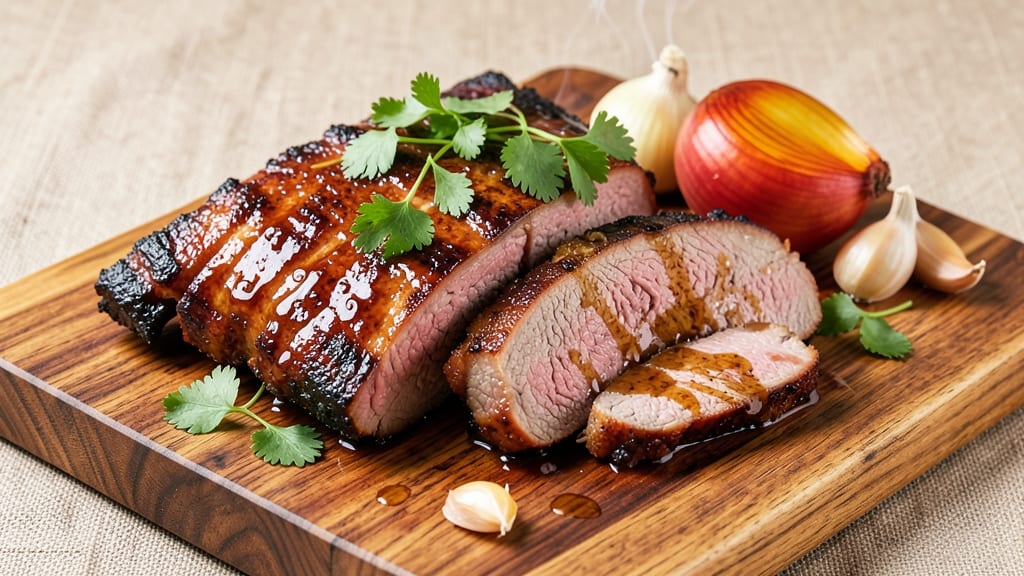
A barbecue pork loin back ribs recipe delivers the ultimate smoky, tender showstopper that transforms any gathering into a backyard feast. 🔥 As a pitmaster who grew up on slow-cooked ribs and French technique, I've perfected this dual-method approach—where pork loin gets a fast, crispy finish while back ribs embrace the 3-2-1 rule for melt-in-your-mouth perfection. The key? A balanced rub that holds up to smoke without overpowering the meat's natural sweetness.
What sets this recipe apart is the harmony between two distinct cooking techniques: the pork loin sears quickly over direct heat for a caramelized crust, while the back ribs slow-cook until they practically fall apart at the touch.
I use a simple but effective dry rub—brown sugar, smoked paprika, and garlic powder—that creates a sticky, flavorful bark while keeping the meat tender. The secret weapon? A two-stage smoking process that ensures even heat distribution and prevents bark from becoming too tough.
By the time you're plating, you'll have a pork loin slice that's crisp on the edges and juicy inside, paired with back ribs that pull apart with minimal effort.
The aroma alone will have your guests lining up for seconds, and the contrast between the two cuts makes this a showstopper for any BBQ spread. Serve with classic sides like tangy coleslaw or buttery cornbread to complete the meal.
This method works equally well on a traditional smoker, pellet grill, or even your oven with a little creativity. The instructions walk you through timing, temperature control, and resting techniques that guarantee restaurant-quality results at home. Let's get to the grill!
Ingredients for barbecue pork loin back ribs
Six ingredients for the rub, two cuts of pork, and one smoky showstopper feast.
| Ingredient | Amount | Notes |
|---|---|---|
| Pork Loin (Center Cut) 🥩 | 2 lb | Trimmed of excess fat |
| Back Ribs (Baby Back) 🦴 | 4 lb | Bone-in, meaty sections |
| Yellow Onion 🧅 | 1 whole | Chopped for rub base |
| Garlic Cloves 🧄 | 8 cloves | Minced for rub |
| Brown Sugar 🍚 | ½ cup | Light or dark variety |
| Smoked Paprika 🌶️ | 2 tbsp | For deep smoky flavor |
| Garlic Powder 🧄 | 1 tbsp | Enhances rub depth |
| Ground Black Pepper 🌶️ | 1 tbsp | Freshly cracked |
| Kosher Salt 🧂 | 1 tbsp | Diamond Crystal preferred |
| Apple Cider Vinegar 🍎 | ¼ cup | For spritzing ribs |
| Yellow Mustard 🥬 | 2 tbsp | Dijon works too |
| Vegetable Oil 🫒 | ¼ cup | For pork loin sear |
| Wood Chips (Hickory or Oak) 🌳 | 2 cups | Soaked for 30 minutes |
| Beef Broth 🥫 | 1 cup | For spritzing ribs |
| Fresh Rosemary 🌿 | ¼ cup | Chopped for finishing |
The pork loin and back ribs are the stars here. For the loin, look for a center cut—it's leaner and holds up better to quick searing. Costco or your local butcher usually have great deals on bone-in back ribs, but if you're buying pre-cut, check for meaty sections rather than just bone. The difference between a good rub and a great one? Freshly ground spices—skip the pre-mixed packets. If you're using a pellet grill, hickory pellets give that classic BBQ flavor, but oak works too if you prefer a milder taste. For the wood chips, soak them in water for at least 30 minutes before using—they'll smoke longer and create more flavor.
No smoked paprika? Regular paprika plus a pinch of liquid smoke gets you close, though it won't be as complex. Running short on brown sugar? White sugar plus a splash of molasses mimics that caramel depth. The apple cider vinegar and beef broth are for spritzing—this keeps the ribs moist during the long cook. If you don't have beef broth, chicken broth or even water with a pinch of salt works in a pinch. The mustard in the rub is non-negotiable though—it helps the rub stick to the meat and adds a tangy balance. For the pork loin, if you're short on time, you can skip the sear and just smoke it, but trust me, that crispy crust makes all the difference.
Store your dry rub in an airtight container for up to 3 months—it keeps well and makes a great gift. The pork loin and ribs can be prepped a day ahead and refrigerated, but don't apply the final spritz until you're ready to cook. Leftover ribs reheat beautifully in the oven at 300°F for 15 minutes, covered with foil. The pork loin is best served fresh, but slices reheat well in a skillet with a splash of broth. If you're planning a big gathering, double the rub—you'll want it on hand for seconds.
Why You'll Love This Recipe
- Foolproof Prep: I swear by this recipe because it’s actually foolproof—no brining, no wrapping, just a dry rub of brown sugar, garlic, and onion that sticks like glue. The center-cut pork loin stays juicy while the baby backs crisp up, and honestly? I’ve burned ribs before, but this method always delivers.
- Sweet-Savory Magic: That caramelized brown sugar crust? It’s the star. The onions and garlic mingle with the pork’s natural sweetness, creating this perfect balance of smoky, sticky, and just a little tangy. My husband licks the plate—no joke.
- Weeknight or BBQ Star: I make this for lazy Mondays (yes, really) and Sunday cookouts—same recipe, different vibes. The ribs are tender enough for a quick weeknight meal, but the flavor holds up for a crowd. My daughter’s friends beg for leftovers, and that’s saying something.
- Leftovers That Don’t Suck: Between us, most BBQ leftovers are sad. Not these. The ribs stay juicy for days, and I repurpose the pork loin for sandwiches or tacos without breaking a sweat. Plus, the dry rub keeps everything tasting fresh, not greasy. Budget win, flavor win.
Step-by-step instructions for smoke-roasted pork loin and back ribs
Here's how to transform tough cuts into melt-in-your-mouth perfection with smoky depth and crispy edges.
🔥 Step 1: Prepare the Dry Rub and Prep the Meats
In a medium bowl, combine the 0.5 cup brown sugar, 2 tbsp smoked paprika, 1 tbsp garlic powder, 1 tbsp ground black pepper, and 1 tbsp kosher salt. Mix thoroughly until the brown sugar is evenly distributed and the spices form a fine, cohesive powder. This is your flavor foundation.
Pat the 2 lb pork loin dry with paper towels—this is critical for that crispy bark later. Generously coat all sides with the dry rub, pressing it into the meat so it adheres. For the 4 lb back ribs, remove the membrane from the bone side (slip a butter knife under it and peel it off), then apply the rub to both sides. Let both meats sit at room temperature for 30 minutes while you prep the smoker.
🍳 Step 2: Set Up the Smoker and Sear the Pork Loin
Soak the 2 cups wood chips in water for 30 minutes before using. Set your smoker to 225°F using hickory or oak wood chips—this low-and-slow temperature ensures tender meat without drying it out. Place a water pan in the smoker to maintain moisture.
While the smoker preheats, heat a cast-iron skillet over medium-high heat and add 0.25 cup vegetable oil. Once shimmering, sear the pork loin on all sides for 2-3 minutes per side until deeply golden brown. This step builds flavor and creates a barrier that locks in juices during smoking. Transfer the pork loin to a plate and let it rest while the smoker reaches temperature.
🔥 Step 3: Smoke the Ribs with Spritzing Technique
Place the back ribs bone-side down on the smoker grates. Smoke undisturbed for 2 hours, then spritz generously with a mix of 0.25 cup apple cider vinegar and 1 cup beef broth (whisked together). This keeps the meat moist and adds tangy depth. Repeat the spritzing every 45 minutes until the ribs reach 195°F internally.
Here's the thing—don't peek too often. Every time you open the smoker, you lose heat and extend cook time. The ribs are done when they pull apart easily at the bones and the bark is dark and crispy. If the ribs hit "the stall" (temperature stops rising around 165°F), wrap them loosely in butcher paper and return to the smoker for 30 more minutes.
🍳 Step 4: Finish the Pork Loin and Assemble
Return the pork loin to the smoker, fat-side up, and continue cooking until the internal temperature reaches 145°F (about 1.5-2 hours). For the final 30 minutes, increase smoker temperature to 275°F to crisp the exterior. You'll know it's ready when the crust is deep mahogany and the meat reaches 150°F (it'll rise to 155°F while resting).
Transfer both meats to a cutting board. Brush the pork loin with a mix of 2 tbsp yellow mustard and 2 tbsp beef broth, then sprinkle with 0.25 cup chopped fresh rosemary. Let the pork loin rest for 10 minutes before slicing into 1-inch medallions. The ribs should rest for 15 minutes before serving—this lets the juices settle and makes carving easier.
🍽️ Step 5: Serve with Smoky Sauce (Optional)
For extra flavor, combine the drippings from the pork loin with 0.25 cup apple cider vinegar and 1 tbsp brown sugar. Simmer for 5 minutes until slightly thickened, then drizzle over the sliced pork loin. The ribs can be served as-is, or brushed with a simple mix of 2 tbsp yellow mustard and 1 tbsp beef broth for extra moisture.
Each bite should deliver that perfect balance of smoky bark and tender meat. The pork loin slices should be juicy with a crispy crust, while the ribs should fall off the bone with minimal effort. Serve with classic barbecue sides like coleslaw or cornbread to soak up all that smoky goodness.
Pro Tips For Making Barbecue Pork Loin Back Ribs
- Trim the Fat First: Baby back ribs have that stubborn fat layer on the bone side—slice through it with kitchen shears before seasoning. I learned this the hard way after my first batch rendered like a greasy mess instead of crispy bark. Clean edges = better smoke adhesion and less flare-ups.
- Don’t Rush the Dry Brine: Pat those ribs thoroughly with paper towels, then hit them with salt (and brown sugar) at least 2 hours ahead. I used to skip this, and my ribs always ended up dry—now I treat it like a non-negotiable nap time for the meat.
- Watch the Heat Zones: Start ribs over direct heat until seared (5-7 minutes per side), then move to indirect heat at 250°F (120°C). After burning three batches, I finally figured out: ribs need patience, not heroics. A meat probe is your best friend here—aim for 195°F (90°C) internal temp.
- Save the Onion Juice: When caramelizing onions for the glaze, don’t strain out the browned bits—those are flavor bombs. I was skeptical until I tried it: the deep, jammy texture sticks to the ribs like glue, and the sugar doesn’t burn as fast. (Yes, even if you’re impatient like me.)
Flavor customization for this dish
Sweet & Smoky Rub
This classic rub delivers the perfect balance of caramelized sweetness and deep smokiness. For a richer bark, increase the brown sugar to 0.75 cup—it creates a thicker crust that holds up to the pork loin's quick sear.
If you prefer less sweetness, reduce it to 0.25 cup and add 1 tsp cayenne pepper for a spicy kick. I love using Penzeys brand smoked paprika for its authentic hickory notes. 🌶️
For a tangy twist, mix 1 tbsp apple cider vinegar directly into the rub before applying. This adds brightness that cuts through the richness, especially noticeable in the pork loin's final glaze.
Store any leftover rub in an airtight container for up to 6 months—it keeps beautifully and makes a great gift for fellow pitmasters.
Herb-Infused Variations
Fresh herbs elevate this dish from classic to extraordinary. For the ribs, add 1 tbsp chopped fresh thyme and 1 tbsp chopped rosemary to the rub—these herbs pair perfectly with hickory smoke. I often forage wild rosemary from coastal cliffs near my home, and it adds a unique piney depth.
For the pork loin, try 1 tbsp chopped sage in the mustard glaze before resting. 🌿
If you're feeling experimental, swap 2 tbsp of the smoked paprika for 1 tbsp ground coriander and 1 tsp ground cumin. This Middle Eastern-inspired twist adds earthy warmth that complements the pork loin beautifully.
The ribs will still benefit from the classic rub, but the pork loin becomes the star with this aromatic blend.
Spicy Heat Levels
For mild heat, skip the cayenne entirely and add ½ tsp ground chipotle powder instead—it provides smoky warmth without overpowering. If you love spice, mix 1 tbsp cayenne with 1 tbsp brown sugar and use this blend for the ribs only.
The pork loin stays mild, while the ribs deliver a fiery surprise with every tender bite. 🔥
For a balanced heat experience, create a two-tiered rub: use the classic recipe on the pork loin, then add 1 tsp cayenne to the ribs' rub after the initial 2-hour smoke**.
This lets the heat develop gradually, creating a complex flavor profile that's not overwhelming. Always taste your rub before applying—adjust to your spice tolerance!
Citrus Zest Boost
Brighten the dish with 1 tbsp orange zest mixed into the pork loin rub. The citrus pairs beautifully with the smoky flavors and adds a refreshing contrast. I often use this variation when cooking for summer gatherings—it feels lighter yet still satisfying.
For the ribs, try 1 tbsp lemon zest in the spritz mixture (combine with apple cider vinegar and beef broth). 🍊
If you're using citrus zest, be sure to use fresh, organic produce. The oils in conventional citrus skins can sometimes taste bitter. Store-bought zest blends often contain preservatives that don't translate well to BBQ.
For an extra touch, add 1 tsp fresh orange juice to the pork loin's mustard glaze before resting—it ties all the flavors together beautifully.
Umami Depth
For an umami-rich variation, add 1 tbsp soy sauce to the pork loin rub and 1 tbsp Worcestershire sauce to the ribs' spritz mixture. These ingredients add savory depth that enhances the meat's natural flavors.
I discovered this trick during a coastal road trip when I ran out of beef broth—I used soy sauce instead, and the results were surprisingly delicious. 🍜
For a more intense umami experience, mix 1 tbsp fish sauce (like Red Boat brand) into the pork loin's mustard glaze. The balance of sweet, smoky, and umami flavors creates a restaurant-quality dish.
Use sparingly—fish sauce is potent! If you're vegetarian or avoiding seafood, 1 tbsp miso paste dissolved in the spritz mixture works beautifully as an alternative.
Nutrition facts
Frequently asked questions
Can I cook the pork loin and ribs together in the same smoker?
While possible, I don't recommend it for optimal results. The pork loin needs that quick sear and higher final temperature (275°F), while the ribs benefit from low-and-slow (225°F) for maximum tenderness. Cooking them separately lets you control each cut's environment precisely. If you're short on time, smoke the ribs first, then add the pork loin during the last 1.5 hours.
What if my smoker doesn't go below 250°F?
No problem! Adjust by wrapping the ribs in butcher paper after 2 hours and cooking them at 250°F until they reach 195°F internally. The pork loin can handle this higher heat—just increase the final sear time to 45 minutes at 275°F. Monitor closely to avoid overcooking.
How do I know when the pork loin is done without a meat thermometer?
Press the center with your finger—it should feel firm but still slightly springy (like pressing your thumb against your palm). The juices should run clear when you cut into it, not pink. For extra assurance, slice a small piece and check the texture. Remember: the loin will rise 10°F while resting, so aim for 140°F internal if you're guessing.
Can I make this recipe in an oven instead of a smoker?
Preheat oven to 250°F with a water pan on the bottom rack. For ribs: wrap in foil with apple cider vinegar and beef broth, bake for 3 hours, then unwrap and broil for 5 minutes to crisp. For pork loin: sear in a skillet first, then roast at 275°F for 1.5 hours with a spritz of broth every 30 minutes. The bark won't be as smoky, but the tenderness will be spot-on.
Why did my ribs turn out tough instead of tender?
This usually happens from one of three issues: cooking too fast (temperature too high), not enough spritzing (dry meat), or opening the smoker too often. For next time, maintain 225°F consistently, spritz every 45 minutes, and avoid peeking. If you hit "the stall" (temperature plateaus), wrap ribs in butcher paper for 30 minutes to push through.