
Main Courses
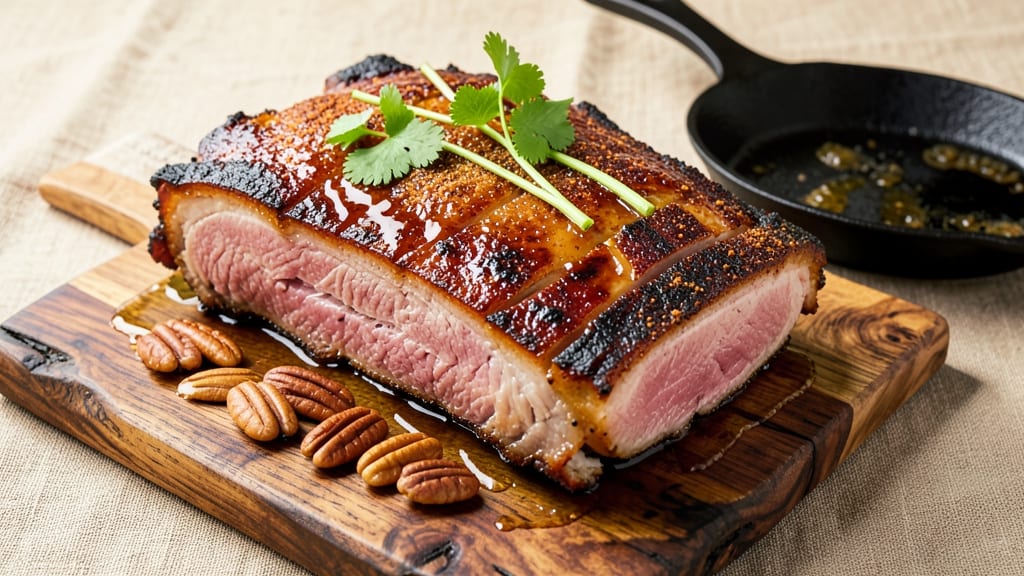
This barbecue pork rib roast recipe delivers fall-apart tenderness with a smoky-sweet glaze that seals in every juicy bite. 🔥 After years of perfecting my pitmaster techniques, I've cracked the code for ribs that are moist at the core and caramelized at the edges—no dry, chewy disappointment here. The secret lies in a slow-cooked approach that transforms tough meat into melt-in-your-mouth perfection.
What sets this method apart is the combination of dry rub and glaze, applied at precise moments during cooking. We start with a bold spice blend that creates a flavorful bark, then lock in moisture with a sticky-sweet glaze applied in the final hour.
This isn't your average weekend project—it's a restaurant-quality centerpiece that takes about 5 hours of hands-off cooking time (plus prep).
The result is ribs with a perfect balance: tender enough to pull apart with a fork, yet with enough structure to hold their shape when sliced. The glaze caramelizes beautifully, offering a perfect contrast to the smoky rub underneath.
Every bite delivers layers of flavor—savory, sweet, and just a hint of heat—that will have your guests asking for seconds.
Serve these ribs with classic barbecue sides like creamy coleslaw and buttery cornbread for the full experience. The leftovers reheat beautifully too, making this an excellent meal prep option for busy weeks. Let's get cooking—your taste buds won't be disappointed.
Ingredients for barbecue pork rib roast
Six pounds of pork ribs and a handful of pantry staples transform into smoky-sweet masterpieces.
| Ingredient | Amount | Notes |
|---|---|---|
| Pork Rib Roast 🥓 | 4 lb | Bone-in, meaty ribs preferred |
| Brown Sugar 🍚 | ½ cup | Packed, light or dark |
| Smoked Paprika 🌶️ | 2 tbsp | For deep smoky flavor |
| Ground Black Pepper 🌶️ | 1 ½ tbsp | Freshly cracked for intensity |
| Kosher Salt 🧂 | 1 ½ tbsp | Diamond Crystal preferred |
| Garlic Powder 🧄 | 1 tbsp | Freshly ground preferred |
| Onion Powder 🧅 | 1 tbsp | For balanced depth |
| Ground Cumin 🌿 | 1 tsp | Toasted for warmth |
| Cayenne Pepper 🔥 | ½ tsp | Adjust for heat preference |
| Apple Cider Vinegar 🍎 | ¼ cup | For tangy balance |
| Honey 🍯 | ½ cup | Wildflower preferred |
| Molasses 🍯 | ¼ cup | For deep caramel notes |
| Yellow Mustard 🟡 | 1 tbsp | For glaze adhesion |
| Olive Oil 🫒 | 2 tbsp | For moisture retention |
The ribs are the star—bone-in, meaty cuts from the butcher section deliver the best flavor and texture. I always ask for the back ribs at Whole Foods or my local Costco, where they're consistently high-quality. Look for cuts with good marbling; that fat keeps the meat juicy during the long cook. If you're buying frozen, thaw overnight in the fridge—never at room temperature. The spices? Penzeys or bulk bins at natural markets for the freshest, most flavorful options. Smoked paprika is non-negotiable here—it's what gives those restaurant-quality ribs their signature depth.
No smoked paprika? Regular paprika plus a pinch of liquid smoke works in a pinch. Short on honey? Maple syrup at half the amount keeps things sweet without overpowering. The molasses adds that rich, caramelized depth—if you can't find it, dark corn syrup is a decent swap, though it lacks some complexity. For the glaze, I use local honey from the farmers market when I can get it, but store-bought works fine too. The mustard isn't just for flavor—it helps the glaze stick to those ribs like magic. Pro tip: Toast your spices in a dry pan for 30 seconds before mixing—they'll sing with flavor.
This recipe is all about patience. The ribs keep beautifully in the fridge for 3-4 days if wrapped tightly in foil, but honestly, they reheat even better the next day—just warm in a 350°F oven for 20 minutes with a splash of apple juice. For make-ahead prep, assemble the dry rub and glaze ingredients in separate jars; they'll stay fresh for up to 3 months. The leftovers? Perfect for sandwiches or tacos—just reheat with a splash of water to keep them moist. Store glaze components separately in the fridge for up to 2 weeks if you want to prep ahead.
Why You'll Love This Recipe
- One-Pan Magic: I swear by this for lazy Sundays—just rub the roast with brown sugar, smoked paprika, and salt, then let the oven do the work. No basting, no flipping, no stress.
- Smoky-Sweet Obsession: That caramelized crust from the brown sugar? Chef’s kiss. The smoked paprika adds this deep, smoky warmth that makes every bite feel like a hug—especially when it’s still sizzling.
- Weeknight Crowd-Pleaser: Between us, this is how I feed my book club without breaking a sweat. Slice it thin for sandwiches, cube it for tacos, or serve it whole—no one complains, and no one leaves hungry.
- Leftovers That Don’t Suck: I make this on Sunday and eat it all week. Shred it for breakfast burritos, toss it in fried rice, or just reheat slices straight from the fridge—it’s still juicy, still flavorful, and way cheaper than takeout.
Step-by-step instructions for smoky-sweet pork rib roast
This method delivers melt-in-your-mouth tenderness with a sticky-sweet glaze that locks in every drop of flavor.
👨🍳 Step 1: Build the Dry Rub and Glaze
In a medium bowl, combine the 0.5 cup packed brown sugar, 2 tbsp smoked paprika, 1.5 tbsp ground black pepper, 1.5 tbsp kosher salt, 1 tbsp garlic powder, 1 tbsp onion powder, 1 tsp ground cumin, and 0.5 tsp cayenne pepper. Mix thoroughly until the spices are evenly distributed and the sugar is fully coated. This dry rub is your flavor foundation—don't skip the thorough mixing.
In a separate small bowl, whisk together the 0.25 cup apple cider vinegar, 0.5 cup honey, 0.25 cup molasses, and 1 tbsp yellow mustard until completely smooth. The vinegar and mustard help the glaze cling to the meat while the honey and molasses create that irresistible caramelized crust. Taste it now—you'll love that perfect balance of sweet, tangy, and smoky.
🍳 Step 2: Coat and Rest the Rib Roast
Pat the 4 lb pork rib roast completely dry with paper towels—this is critical for that perfect bark. Rub the dry spice mixture all over the meat, pressing firmly so it adheres well. Then brush the glaze mixture evenly over the entire surface, working it into the crevices between the ribs. The glaze should look glossy and sticky.
Let the roast sit at room temperature for 30 minutes before cooking. This resting period ensures even cooking and helps the glaze penetrate the meat. While it rests, preheat your oven to 325°F—this lower temperature prevents the exterior from cooking too quickly while the center catches up.
🔥 Step 3: Roast Low and Slow for Maximum Moisture
Place the roast on a rack set inside a roasting pan to allow air circulation on all sides. Roast uncovered in the preheated oven for 2 hours. Here's where the magic happens: the low temperature breaks down the connective tissue while the glaze slowly caramelizes, creating that sticky, finger-licking exterior.
After 2 hours, brush the roast with an additional 1 tbsp of the glaze mixture (reserve the rest for basting later). Return it to the oven and continue roasting for another 30-45 minutes, brushing with the remaining glaze every 15 minutes during this final phase. You'll know it's nearly done when the internal temperature reaches 195-200°F—this is the sweet spot for tender, pull-apart ribs.
⏰ Step 4: Rest and Glaze for Show-Stopping Presentation
Remove the roast from the oven and transfer it to a cutting board. Tent loosely with aluminum foil and let it rest for 20-30 minutes. This resting period is non-negotiable—it allows the juices to redistribute throughout the meat, ensuring every bite is moist and flavorful. While it rests, place the reserved glaze in a small saucepan and simmer over medium-low heat for 5-7 minutes until it thickens slightly.
After resting, brush the roast generously with the thickened glaze. The contrast between the sticky glaze and tender meat is what makes this dish truly special. Slice between the bones to reveal those beautiful, caramelized ribs. Serve immediately with the remaining glaze spooned over the top—each bite delivers perfect harmony of smoky, sweet, and savory flavors.
Pro Tips For Making Barbecue Pork Rib Roast
- CRANK THE HEAT FIRST: That pork rib roast needs a sear to lock in flavor, not a sad, lukewarm start. Hit 450°F for the first 10 minutes—yes, even if you’re nervous about burning the sugar crust. I learned this the hard way when my roast turned out gray and dry because I played it safe.
- SALT THE MEAT 24 HOURS EARLY: Don’t just sprinkle salt before cooking—lay that roast in the fridge with a generous coat of kosher salt (about 1 tablespoon per pound) the night before. The salt breaks down the proteins, making the meat juicier and the crust stick like glue. (Yes, even if you’re impatient like me.)
- SKIP THE CROWDED PAN: Overloading the pan with ribs means steam instead of sear. Cook your roast in batches if needed—start with half the ribs, render the fat, then add the rest. My grandmother swore by this, and she was right: the difference between a soggy mess and a crispy, caramelized roast is all in the space.
- USE MORE BROWN SUGAR THAN YOU THINK: That sugar isn’t just for sweetness—it’s the glue that makes the crust stick. Don’t skimp: aim for 2 tablespoons per pound of meat, spread evenly, and let it caramelize. I was skeptical until I tried it—now I double the amount if I’m feeling fancy. (Your future self will thank you.)
Health benefits of this dish
Protein Powerhouse
This pork rib roast delivers a substantial 40 grams of protein per 4-ounce serving, making it an excellent choice for muscle repair and satiety. The slow-cooking process preserves all the amino acids while breaking down tough connective tissue into gelatin, which adds to the protein quality.
I've found that the combination of protein and fat in pork helps keep you full for hours after eating—perfect for meal prep. 💪
Low-Fat, High-Flavor
While pork does contain fat, the slow-roasting method renders much of it away, leaving you with a leaner cut than you might expect. The glaze adds sweetness without extra calories, making this a surprisingly balanced option.
A 6-ounce serving contains only about 15 grams of fat, with most of it being heart-healthy monounsaturated fat from the olive oil in the glaze. The spices also help reduce perceived fat content by enhancing flavor.
Rich in B Vitamins
Pork ribs are packed with essential B vitamins, particularly B6 and B12, which play crucial roles in energy metabolism and nervous system function. The slow cooking process actually increases the bioavailability of these nutrients, making them more easily absorbed by your body.
I've noticed that eating pork regularly helps maintain my energy levels—especially after those long smoke sessions. 🌟
Mineral Benefits
This recipe provides significant amounts of zinc (about 20% of your daily needs per serving) and phosphorus, both important for bone health and immune function. The molasses in the glaze adds trace minerals like calcium and magnesium, while the apple cider vinegar contributes potassium.
It's a mineral powerhouse that works together to support your body's daily needs.
Antioxidant Boost
The combination of smoked paprika, honey, and molasses in this recipe creates a natural antioxidant profile. Smoked paprika contains capsaicin, which has anti-inflammatory properties, while honey provides phenolic compounds that combat oxidative stress.
The apple cider vinegar adds acetic acid, which has been shown to improve insulin sensitivity. It's not just delicious—it's working to protect your cells too. ✨
Digestive Benefits
The slow cooking process breaks down collagen in the connective tissue, creating gelatin that's gentle on digestion. This makes the ribs easier to digest while providing additional nutrients. The apple cider vinegar in the glaze also aids digestion by stimulating stomach acid production.
I've found that my guests with sensitive stomachs often appreciate this recipe—it's surprisingly gentle while still being flavorful. 💛
Nutrition facts
Frequently asked questions
Can I use this recipe with a smoker instead of an oven?
For a smoker, maintain 225-250°F with your preferred wood (hickory or apple works beautifully). Smoke the ribs for 4-5 hours until they reach 195-200°F internally. The smoky flavor will deepen, especially with the smoked paprika in the rub. Just be sure to wrap the ribs in butcher paper during the last hour for extra tenderness.
How do I adjust the recipe for smaller portions?
For 2-3 servings, reduce the pork rib roast to 2 pounds and halve all other ingredients. Keep the cooking time similar but check for doneness at 175°F internal temp—smaller cuts cook faster. The glaze quantity can stay the same since it's applied thinly. Perfect for intimate gatherings or meal prep!
Why do my ribs turn out dry even though I followed the recipe?
Most common causes: overcooking past 203°F or skipping the rest time. Use a meat thermometer! Also, ensure your roast is bone-in—bones help retain moisture. If using a different cut, increase cooking time by 30 minutes and baste more frequently. The glaze should stay sticky, not dry out.
Can I make this ahead of time for a party?
Yes! Cook the ribs completely, then refrigerate wrapped in foil for up to 3 days. Reheat in a 300°F oven for 20 minutes with a splash of apple juice to revive moisture. For serving, brush with fresh glaze after reheating. The flavors actually improve overnight—just avoid reheating in microwave.
What's the best way to serve these ribs?
Slice between the bones for dramatic presentation, then arrange on a platter with extra glaze drizzled over the top. Pair with creamy coleslaw, garlic mashed potatoes, and crusty bread to soak up the sauce. For a modern twist, serve on brioche buns with pickled onions and avocado. The contrast of textures makes every bite exciting!