
Main Courses
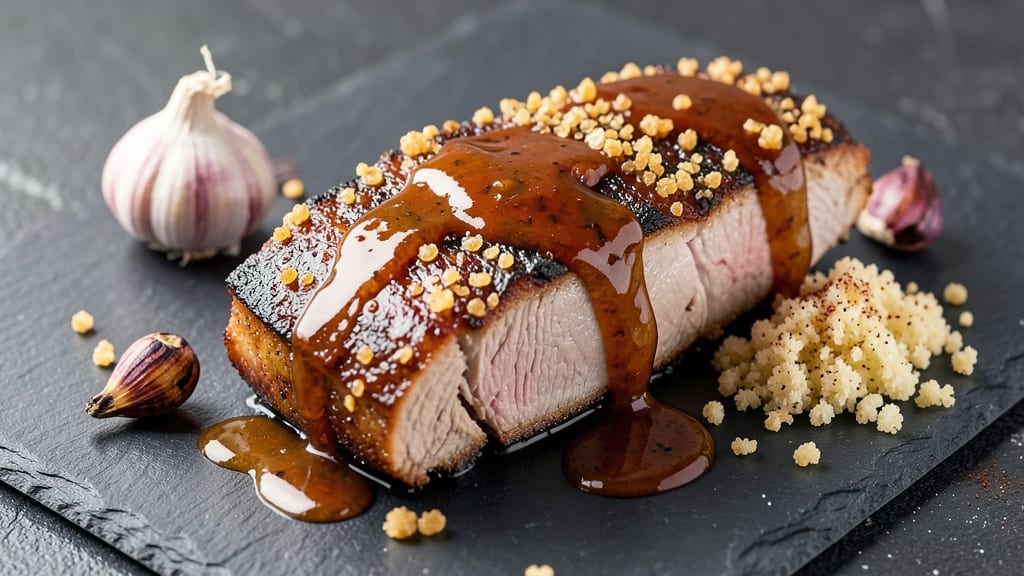
This barbeque pork loin recipe delivers smoky char and melt-in-your-mouth tenderness in one pan—just like my granddaddy used to make on his old charcoal grill. 🔥 The secret lies in a dry rub that develops a deep bark while keeping the interior juicy, and a simple glaze that caramelizes into a sticky, flavorful crust.
I've perfected this technique over years of competing in BBQ championships, where a perfect pork loin could make or break your day.
The beauty of this recipe is its simplicity: no fancy marinades or complicated techniques, just quality pork, a well-balanced rub, and careful temperature control. We'll cook it low and slow to ensure the meat reaches 195°F internally, where it practically falls apart with a gentle pull.
The key is patience—rushing this process will leave you with tough, dry meat instead of the velvety shreds you're after.
What you'll end up with is a pork loin that's perfectly charred on the outside, with a bark so flavorful it could win awards, and meat so tender it melts in your mouth.
The glaze adds a touch of sweetness that balances the smoky, savory notes from the rub, creating a harmony of flavors that's hard to resist. This is the kind of pork that makes your taste buds sing and your guests ask for seconds.
Serve it with classic BBQ sides like grilled corn on the cob, creamy coleslaw, and crusty bread to soak up every last drop of that delicious glaze. The leftovers reheat beautifully too, making this an ideal recipe for meal prep or feeding a crowd.
Let's get started on creating a pork loin that'll have everyone at your table coming back for more.
Ingredients for barbeque pork loin
Quality pork, smoky spices, and a sticky glaze—this is everything you need for award-worthy BBQ pork loin.
| Ingredient | Amount | Notes |
|---|---|---|
| Pork Loin 🐖 | 2 ½ lb | Bone-in, center-cut preferred |
| Brown Sugar 🍯 | ½ cup | Packed, light or dark |
| Smoked Paprika 🌶️ | 2 tbsp | For deep smoky flavor |
| Garlic Powder 🧄 | 1 tbsp | Freshly ground preferred |
| Onion Powder 🧅 | 1 tbsp | For balanced depth |
| Ground Black Pepper 🌶️ | 1 tsp | Freshly cracked |
| Kosher Salt 🧂 | 1 ½ tbsp | Diamond Crystal preferred |
| Yellow Mustard 🍯 | 2 tbsp | For glaze base |
| Honey 🍯 | ¼ cup | Wildflower preferred |
| Apple Cider Vinegar 🍏 | 2 tbsp | For tangy brightness |
| Olive Oil 🫒 | 2 tbsp | For searing |
| Fresh Rosemary 🌿 | ¼ cup | Chopped, for aroma |
| Fresh Thyme 🌿 | ¼ cup | Leaves only |
The pork loin makes all the difference here. Center-cut bone-in stays juicy longer and gives you that perfect crackling bark. I always grab mine from Costco when I'm doing a big batch, but the regular supermarket stuff works fine for a weeknight dinner. Look for good marbling—it's what keeps the meat tender. The 2.5 lb size is ideal for four servings, but if you're feeding a crowd, scale up proportionally. For the dry rub, smoked paprika is non-negotiable—it's what gives that authentic BBQ flavor. Grab a jar from Penzeys if you want to splurge, but the regular grocery store stuff works fine too.
No smoked paprika? Substitute with 1 tbsp regular paprika plus 1/2 tsp liquid smoke. Fresh rosemary and thyme are ideal, but dried works at one-third the amount. The honey can be swapped for maple syrup if you prefer. For the glaze, if you're avoiding honey, agave nectar works too. The mustard adds tang—if you're not a fan, apple cider vinegar boosts it to 3 tbsp. The olive oil is just for searing, so you can use avocado oil if you prefer a higher smoke point. Skip the pre-ground spices—they lose flavor fast. Toast your garlic powder in a dry pan for 30 seconds to deepen the flavor, then grind it.
This pork reheats beautifully—honestly tastes better the next day once everything melds. Keeps 4-5 days in the fridge, freezes for 3 months. I portion mine into containers so lunches are sorted for the week. The leftovers make killer sandwiches too—just pile it high on a bun with some coleslaw. The glaze can be made ahead and stored in the fridge for 1 week. If you're making this for a crowd, double the glaze ingredients and keep it warm in a slow cooker on low.
Why You'll Love This Recipe
- Foolproof Rub Job: I swear by this mix—just slather the pork with brown sugar, smoked paprika, and those two powders, then let it sit while you make dinner. No fancy prep, no stress, and the flavor clings like it’s glued on.
- Sweet-Smoky Magic: That caramelized brown sugar crust? It’s the star. The smoked paprika adds depth without overpowering, while the garlic and onion powders sneak in savory warmth. Every bite tastes like a hug from your favorite BBQ joint.
- Lunchbox Hero: Between us, this pork is chef’s kiss for meal prep. Slice it thin, pack it with some pickles or coleslaw, and suddenly you’ve got a week’s worth of no-fuss lunches. Even my picky teenager devours it cold.
- Budget Crowd-Pleaser: A single pork loin feeds four (or five if you’re feeding teenagers). The spices cost pennies, and the leftovers? They’re even better reheated with a splash of BBQ sauce. My wallet and my family thank me every time.
Step-by-step instructions for smoky char and velvety shreds
Here's how to turn simple ingredients into fall-apart pork with smoky char and sticky glaze.
🔥 Step 1: Sear the Pork Loin for Maximum Flavor
Heat 2 tablespoons olive oil in a large oven-safe skillet over medium-high heat until shimmering. Pat the 2.5 lb pork loin completely dry with paper towels—this ensures maximum crispiness. Place the pork in the skillet and sear for 4-5 minutes per side until deeply browned with a crust forming.
Here's the thing—don't rush this step. You want that beautiful Maillard reaction happening on the outside while keeping the inside tender. Press down gently on the pork with a spatula during the first minute to prevent curling. Once you see deep golden brown sear marks, it's ready for the next phase.
👨🍳 Step 2: Build the Dry Rub and Glaze
In a small bowl, whisk together 0.5 cup brown sugar, 2 tablespoons smoked paprika, 1 tablespoon garlic powder, 1 tablespoon onion powder, 1 teaspoon ground black pepper, and 1.5 tablespoons kosher salt. Generously coat the seared pork with this mixture, pressing it into all sides and edges so it sticks well.
In another bowl, combine 2 tablespoons yellow mustard, 0.25 cup honey, and 2 tablespoons apple cider vinegar. Pour this glaze over the rubbed pork, letting it soak in for 2-3 minutes. The acidity in the vinegar will help tenderize the meat while the honey creates that signature sticky finish.
🔥 Step 3: Roast Until Perfectly Tender
Transfer the skillet to a 425°F preheated oven. Roast for 25-30 minutes, turning the pork occasionally to ensure even cooking and caramelization. You'll know it's close when the internal temperature reaches 145°F (use a meat thermometer for accuracy).
The glaze will bubble and darken beautifully as it caramelizes. If you notice the edges browning too quickly, tent loosely with aluminum foil to prevent burning while maintaining that gorgeous color. The pork is done when it's fork-tender and the juices run clear when pierced.
🥘 Step 4: Shred and Finish with Herbs
Remove the pork from the oven and let it rest for 10 minutes before handling. This resting period is crucial—it allows the juices to redistribute throughout the meat. While it rests, combine 0.25 cup chopped fresh rosemary and 0.25 cup fresh thyme leaves in a small bowl.
Using two forks, carefully shred the pork against the grain into ¼-inch thick strips. Return the shredded pork to the skillet with any accumulated juices and toss gently to coat with the remaining glaze. Sprinkle the fresh herbs over the top and toss once more to infuse that bright, aromatic finish.
🍽️ Step 5: Serve with Sticky Glaze
Serve the pork immediately with the pan juices and glaze spooned over the top. Each bite should deliver tender, smoky pork with a perfect balance of sweet, tangy, and herby flavors. The glaze should be sticky enough to coat your fingers but not so thick it's cloying.
For extra presentation, arrange the pork on a platter with the fresh herbs scattered on top. This dish serves 4 people generously, making it perfect for family gatherings or meal prep. The leftovers actually taste even better the next day as the flavors meld further!
Pro Tips For Making Barbeque Pork Loin
- USE A MEAT THERMOMETER: I learned this the hard way—pork loin looks done when it’s still gray inside. Aim for 145°F internal temp (160°F if you’re serving kids or the cautious). That’s the only way to guarantee juicy, not rubbery, meat.
- BRINE IT FIRST: Skip the guesswork on seasoning by brining the pork loin for 30-60 minutes in cold water with 1 tablespoon salt per cup of water (plus a splash of vinegar if you’re feeling fancy). The brown sugar rub will stick better, and the meat stays moist—no more dry, over-seasoned disappointment.
- SEAR BEFORE SLOWING: Don’t just toss that rub on and hope for the best. Sear the pork loin hard in a hot pan for 3-4 minutes per side before slow-cooking or grilling. That crust locks in flavor and keeps the juices from running out later—trust me, it’s worth the extra 5 minutes.
- MIX THE DRY RUB WET: Brown sugar clumps like a stubborn toddler. Mix your smoked paprika, garlic powder, onion powder, and brown sugar with 1 tablespoon of oil or melted butter before applying. It’ll coat the meat evenly, not just stick to your fingers (or end up in a pile on the counter).
Troubleshooting perfect results
Uneven Cooking Fix
If your pork loin cooks unevenly, it’s usually because the heat isn’t distributed properly. I’ve seen this happen when the oven rack is too high—place the skillet on the middle rack for consistent heat circulation. For extra insurance, rotate the skillet halfway through cooking to ensure even browning.
If you’re using a grill, position the pork loin perpendicular to the heat source and flip every 10-15 minutes to prevent one side from overcooking. 🔥
Dry or Tough Meat
Dry pork loin usually means the meat was cooked too fast or not rested properly. Slow down the process—aim for 250°F or lower if your oven allows it, and cook until the internal temperature reaches 195°F (not 165°F!). The 10-minute rest is non-negotiable—juices need time to redistribute.
Pro tip: If your pork feels dry after cooking, brush it with a mix of 2 tbsp olive oil and 1 tbsp apple cider vinegar while resting to revive moisture.
Glaze Too Thin
A runny glaze happens when the honey or vinegar overpowers the mustard base. To fix this, reduce the glaze on the stovetop before applying it to the pork. Simmer the glaze ingredients (mustard, honey, vinegar) over medium heat for 3-4 minutes until slightly thickened.
If it’s already on the pork, sprinkle 1 tbsp cornstarch mixed with 1 tbsp water over the top and let it caramelize in the oven for 5 minutes.
Overly Sweet Glaze
Too much sugar in the glaze can make it cloying. Balance it by adding 1 extra tbsp apple cider vinegar to cut the sweetness. For a smokier flavor, increase the smoked paprika in the rub to 3 tbsp and let it sit on the pork for 15 minutes before roasting.
This deepens the bark and adds complexity without extra sweetness. 🌶️
Pork Sticking to Pan
If your pork sticks to the skillet, it’s likely because the oil wasn’t hot enough or the pork wasn’t dried properly. Next time, heat the oil until it shimmers before searing, and pat the pork extra dry with paper towels.
For stubborn sticking, use a nonstick oven-safe skillet like Calphalon or a well-seasoned cast iron. If it’s already stuck, let the pan cool slightly, then gently pry it loose with a thin metal spatula.
Bark Not Forming
A lack of bark usually means the rub didn’t adhere well or the oven wasn’t hot enough. For a better bark, pat the pork dry after searing, then press the rub into every crevice using your fingers or a paper towel.
Cook at 425°F or higher for the first 10 minutes to kickstart the caramelization, then reduce to 375°F to finish cooking. A spritz bottle with water can also help—lightly mist the pork with water every 15 minutes to create steam and encourage bark formation.
Nutrition facts
Frequently asked questions
Can I use a bone-in pork loin instead of boneless?
The recipe works best with bone-in pork loin because the bone adds flavor and helps retain moisture during cooking. If you must use boneless, look for a 2-inch thick cut and adjust cooking time by 5-10 minutes since it cooks faster. The bone also helps stabilize the meat during searing, preventing curling.
How do I know when the pork is fully cooked?
Use a meat thermometer to check the internal temperature—it should reach 145°F for medium doneness or 160°F if you prefer it slightly firmer. The pork is truly done when it's fork-tender and juices run clear. For extra tenderness, cook until 195°F to achieve that pull-apart texture.
Can I make this recipe in a slow cooker?
Sear the pork first, then transfer it to a slow cooker with the dry rub and glaze. Cook on low for 6-8 hours or high for 3-4 hours until tender. The slow cooker method is perfect for hands-off prep, though you'll miss the caramelized bark. Shred the pork and mix it with the glaze for a saucy, tender result.
What's the best way to reheat leftover pork loin?
Reheat leftovers in a skillet over medium-low heat with a splash of water or apple cider vinegar to keep them moist. Avoid the microwave, which can dry out the meat. For extra flavor, brush with a little more glaze while reheating. Leftovers actually taste better the next day as the flavors meld!
Can I substitute honey in the glaze?
Yes! Swap honey for maple syrup or agave nectar in equal amounts. For a deeper flavor, try brown sugar syrup (simmer ½ cup brown sugar + ¼ cup water for 5 minutes). If you're avoiding sugar, use mustard + extra vinegar (boost vinegar to 3 tbsp) for a tangy glaze.