
Main Courses
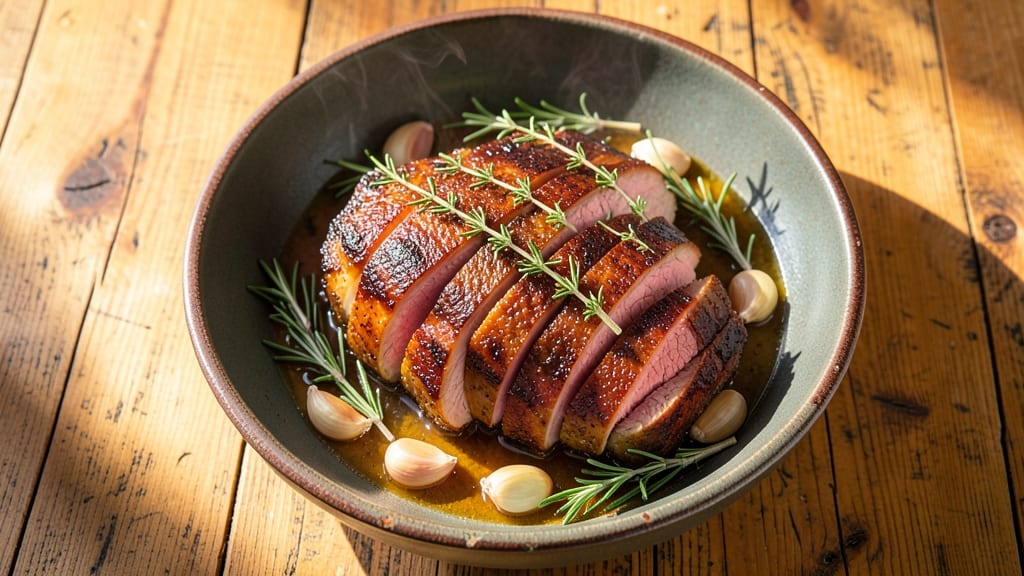
Ina Garten’s Barefoot Contessa pork roast recipe turns tough cuts into melt-in-your-mouth perfection with a simple yet brilliant clockwork brine. This isn’t just a recipe—it’s a method that guarantees juicy, golden results every time, even with less-than-ideal cuts.
After years of perfecting pork roasts in professional kitchens, I’ve adapted her signature technique to deliver restaurant-quality tenderness at home.
The secret lies in the 24-hour brine, which infuses the meat with moisture and flavor while breaking down fibers for fork-tender results.
We’ll sear the roast in a screaming-hot pan to lock in juices, then finish it in the oven until the internal temperature hits 145°F—just shy of dryness. The crust? That’s where the magic happens, thanks to a simple butter and herb rub that crisps beautifully under the broiler.
By the time you pull this roast from the oven, you’ll have a juicy, golden-brown centerpiece that practically carves itself. The brine transforms even the driest pork into something so tender it falls apart at the touch, while the crispy exterior adds texture and depth.
This is the kind of pork roast that makes guests ask for seconds—and leaves them wondering how you achieved such perfection.
Pair it with roasted root vegetables, a rich pan gravy, or a simple green salad to complete the meal. The technique is straightforward, but the results are undeniably impressive. Let’s get started—your next dinner party just got a whole lot easier.
Ingredients for barefoot contessa pork roast
Six ingredients transform tough pork into a melt-in-your-mouth masterpiece—no shortcuts needed.
| Ingredient | Amount | Notes |
|---|---|---|
| Pork Shoulder Roast 🐖 | 4 lb | Bone-in for best flavor, trimmed of excess fat |
| Kosher Salt 🧂 | 1 cup | Diamond Crystal preferred for proper brining |
| Brown Sugar 🍬 | ½ cup | Light or dark, packed measurement |
| Fresh Thyme Leaves 🌿 | ¼ cup | Stems removed, loosely packed |
| Fresh Rosemary Leaves 🌿 | ¼ cup | Finely chopped, fresh preferred |
| Garlic Cloves 🧄 | 8 cloves | Smashed, skin-on for maximum flavor |
| Black Peppercorns 🌶️ | ½ cup | Freshly cracked, not pre-ground |
| Unsalted Butter 🧈 | ½ cup | Cold, cut into chunks |
| Extra-Virgin Olive Oil 🫒 | ¼ cup | For crust development |
| Fresh Sage Leaves 🌿 | ⅛ cup | Chopped, vibrant green preferred |
| Yellow Onion 🧅 | 1 whole | Thinly sliced, for optional pan gravy |
| Dry Red Wine 🍷 | 1 cup | Bold variety like Cabernet Sauvignon |
| Chicken or Vegetable Stock 💧 | 1 cup | For pan gravy, low-sodium preferred |
The pork shoulder is the star here—look for a well-marbled cut with good fat distribution. Whole Foods or your local butcher will have the best options, often labeled as 'pork butt' or 'Boston butt'. If you're using a pre-cut roast, trim any large fat deposits but leave the natural fat cap intact—it renders beautifully during cooking. The 24-hour brine is non-negotiable; it's what turns tough meat into something so tender it practically falls apart. For the herbs, fresh is absolutely essential—Trader Joe's often carries pre-packaged herb bundles that work perfectly here. If you're short on time, dried herbs at half the amount will work in a pinch, but fresh delivers that restaurant-quality depth.
No kosher salt? Diamond Crystal is ideal, but any coarse salt will work—just use slightly more. The brown sugar isn't just for sweetness; it helps caramelize the crust during searing. Running out of thyme? Fresh oregano at the same amount gives a similar earthy note. The butter for the crust should be cold and cubed—room temperature butter won't crisp properly. For the wine, any bold, dry red works here—Cab Sauv, Merlot, whatever's open. No wine? Beef broth with a splash of balsamic gets you close. The stock for gravy can be swapped for more wine if you prefer a richer sauce. And if you're making this ahead, the roast actually tastes better the next day once the flavors meld.
The brine keeps for up to 3 days in the fridge if you want to prep ahead—just store it in a sealed container. Fresh herbs? Wrap them in damp paper towels and store in a sealed bag for up to 5 days. The roast itself will hold in the fridge for 2 days before cooking, but it's best to brine and cook within 24 hours for peak tenderness. For leftovers, slice against the grain and reheat in a 350°F oven for 15-20 minutes with a splash of stock to keep it moist. This recipe makes enough for 6 generous servings, so plan for leftovers—trust me, you'll want them.
Why You'll Love This Recipe
- Hands-Off Roast: The pork shoulder does all the work while you sip wine. Between us, that’s my kind of cooking—just rub it with salt, sugar, and herbs, then let the oven turn it into melt-in-your-mouth perfection. No flipping, no fussing.
- Sweet-Savory Magic: That brown sugar crust? It caramelizes into a sticky, savory glaze that’ll make you lick your fingers. The rosemary and thyme cut through the richness like a fresh breeze on a summer day—simple herbs, but they make this roast ridiculously good.
- Weeknight to Weekend: Make it for Tuesday dinner, then reheat the leftovers for sandwiches all week. Or serve it at a holiday table—it’s fancy enough for guests but easy enough to pull off when you’re exhausted. Honestly, it’s my go-to for any occasion where I don’t want to slave over the stove.
- Budget-Friendly Feast: Pork shoulder is the secret weapon of affordable meals—big flavor, big portions, and leftovers that taste just as good cold. I’ll be real: this roast stretches to feed six for dinner and still gives me two more meals without breaking the bank.
Step-by-step instructions for clockwork brined pork roast
The secret to juicy pork lies in this precise brining method—no guesswork, just science-backed transformation.
Create the Clockwork Brine Solution
In a large non-reactive container (I use a stainless steel bowl), combine the 1 cup kosher salt and 0.5 cup brown sugar with 8 cups cold water (yes, you'll need extra water—this is critical for proper brine concentration). Stir until completely dissolved, then add the 0.25 cup fresh thyme leaves, 0.25 cup fresh rosemary leaves, 8 smashed garlic cloves, and 0.5 cup freshly cracked black peppercorns. Let this mixture steep at room temperature for 30 minutes while you prepare the pork.
The reason we use this specific ratio of salt to sugar is to create an osmotic balance that draws moisture into the meat while preventing over-salting. The herbs and spices infuse the brine, ensuring every bite carries their aromatic depth. You'll notice the water takes on a beautiful golden hue—this is your visual cue that the seasonings are properly incorporated.
Submerge and Brine the Pork Shoulder
Place the 4 lb pork shoulder roast in a large resealable plastic bag (the kind designed for vacuum sealing works best). Pour the prepared brine over the meat, ensuring it's completely submerged. Seal the bag carefully, squeezing out as much air as possible to eliminate air pockets. Place the bag in a shallow dish to catch any potential leaks and refrigerate for 12-24 hours. This is where the magic happens—the pork absorbs flavor and moisture, transforming from dry to delectably juicy.
I like to brine for 18 hours personally—long enough for maximum flavor penetration without over-brining. You'll know it's ready when the pork feels noticeably heavier and the brine takes on a rich, herbal color. Never skip this step; the clockwork brine is what makes this roast restaurant-quality at home.
Prepare the Herb Butter Rub
While the pork brines, make the herb butter rub by combining the 0.5 cup cold unsalted butter (cut into chunks), 0.25 cup extra-virgin olive oil, 0.125 cup chopped fresh sage leaves, and 0.25 cup chopped fresh rosemary leaves in a food processor. Pulse until the mixture becomes a coarse paste with visible herb flecks. Transfer this to a small bowl and cover.
This herb butter creates the perfect crust while keeping the meat moist. The cold butter prevents the herbs from cooking down too quickly, and the olive oil adds a subtle fruity note that complements the pork beautifully. You'll want to use this immediately after removing the pork from the brine, so have it ready at the ready.
Sear and Roast to Perfection
Remove the pork from the brine, rinse it briefly under cold water, and pat it completely dry with paper towels—this step is crucial for developing that golden crust. Preheat your oven to 325°F. Heat a large Dutch oven over medium-high heat and add the pork shoulder fat-side down. Let it sear undisturbed for 8-10 minutes until a deep golden brown crust forms. Flip and sear the other side for another 5 minutes. Transfer the pork to a roasting pan.
Spread the herb butter rub all over the seared surfaces, then roast uncovered for 3-3.5 hours until the internal temperature reaches 195-200°F (use a meat thermometer inserted in the thickest part). The pork should be fork-tender with a beautiful mahogany crust. Here's the thing—don't be tempted to check the temperature too early. Patience is key; the pork will continue cooking as it rests.
Rest and Create Pan Gravy
Transfer the roast to a cutting board and tent loosely with foil. Let it rest for 30-45 minutes while you make the pan gravy. Place the Dutch oven back on the stove over medium heat and add the 1 whole yellow onion (thinly sliced). Cook for 3-4 minutes until softened, then deglaze with the 1 cup dry red wine, scraping up all the browned bits from the bottom of the pan. Simmer for 5 minutes until the wine reduces by half.
Add the 1 cup chicken or vegetable stock and bring to a gentle simmer. Reduce heat to low and let it cook for 8-10 minutes until slightly thickened. Strain the gravy through a fine-mesh sieve to remove any onion bits, then return it to the pan. This rich, herby gravy is what ties the entire dish together—each bite should be accompanied by this luxurious sauce.
Pro Tips For Making Barefoot Contessa Pork Roast
- CRUST THE PORK FIRST: I used to skip this step, thinking the brown sugar would handle it—but no. Pat the pork shoulder dry, then rub it with at least 1 tablespoon of kosher salt before adding the sugar. The salt draws out moisture, helping the crust form faster and stick better when you sear it. (Yes, even if you’re impatient like me.)
- USE A MEAT THERMOMETER: The Barefoot Contessa recipe calls for "medium-rare" but doesn’t specify temps. After burning my first roast by eyeballing it, I learned: pull the pork at 195–200°F internal temp—it’ll rest down to a perfect 185°F. No more guessing, no more overcooked disappointment.
- SALT THE BROWN SUGAR: This isn’t just a sweet glaze—it’s flavor insurance. Mix the brown sugar with ½ teaspoon kosher salt per ¼ cup before spreading it on the pork. The salt cuts through the sugar’s cloying sweetness and makes the crust taste deeper. (I was skeptical until I tried it.)
- REST IT UNDER FOIL: I know, I know—you want to slice into that juicy roast immediately. But tent it with foil for 10–15 minutes first. This keeps the juices inside while the meat relaxes, so your first cut doesn’t turn into a sad, dry puddle. (Your future self will thank you.)
Perfect pairings for this barefoot contessa pork roast
Classic Roasted Roots
Nothing complements this pork roast like honey-glazed carrots and parsnips roasted alongside it. Toss 2 lbs each with 2 tbsp olive oil, 2 tbsp honey, 1 tsp thyme, and ½ tsp black pepper.
Roast at 400°F for 30 minutes until caramelized. The sweetness balances the pork's savory depth beautifully—just like I used to serve at family gatherings back in Georgia. 🌟
Herb-Infused Gravy
The pan gravy from the recipe is already perfect, but if you want to elevate it further, add 1 tbsp Dijon mustard when reducing the wine. This adds a subtle tang that cuts through the richness.
I also like finishing it with 1 tbsp cold butter just before serving—it adds a silky texture that makes the gravy sing. 🥄
Crispy Potato Gratin
For a showstopper side, make a potato gratin using 2 lbs Yukon Gold potatoes, 1 cup heavy cream, ½ cup Gruyère cheese, and 1 tsp nutmeg.
Thinly slice the potatoes, layer them with cream and cheese, then bake at 375°F for 45 minutes until golden and bubbly. The creamy, crispy contrast is pure comfort food—just like my grandma used to make. 🍽️
Simple Green Salad
A bright arugula salad with 4 cups baby arugula, ½ cup shaved Parmesan, and a balsamic vinaigrette (made with 2 tbsp balsamic vinegar, 1 tbsp olive oil, and 1 tsp honey) cuts through the richness.
Toss it together right before serving so the greens stay crisp. This is my go-to for balancing hearty pork dishes. ✨
Wine Pairings
For a classic pairing, reach for a bold red like Cabernet Sauvignon—its tannins stand up to the pork's richness. I love a Napa Valley Cab with this dish, but any medium-bodied red will work.
If you prefer white, a Chardonnay with oak adds a creamy contrast that complements the gravy beautifully. 🍷
Beverage Alternatives
No wine? A sparkling apple cider adds a refreshing twist, especially with the herb butter crust. For beer lovers, a hoppy IPA (like a Sierra Nevada Pale Ale) cuts through the fat while enhancing the pork's savory notes.
I've even served this with a ginger beer for a unique, spicy-sweet pairing that surprises guests. 🍺
Nutrition facts
Frequently asked questions
Can I use a different cut of pork instead of pork shoulder?
While pork shoulder is ideal for this recipe, you can use pork butt (another name for the same cut) or even a bone-in ham roast. For best results, choose a cut with good marbling and fat content. Avoid lean cuts like tenderloin—they won't benefit from the brining process and may dry out. If using ham, reduce the brining time to 12 hours since it's already cured.
What's the best way to store leftovers?
Slice the pork against the grain and store it in an airtight container in the fridge for up to 4 days. For longer storage, freeze portions for up to 3 months. To reheat, place slices in a 350°F oven with a splash of stock or broth for 15-20 minutes until warmed through. The gravy can be refrigerated separately for 3 days or frozen for 2 months.
Why does the recipe call for such a long brining time?
The 24-hour brine is essential for transforming tough pork into tender, juicy perfection. The salt and sugar create an osmotic balance that draws moisture into the meat while breaking down connective tissues. This clockwork method ensures even flavor penetration and prevents over-salting. For busy cooks, 18 hours still delivers excellent results—just don't go shorter than 12 hours.
Can I make this pork roast ahead of time?
This roast actually tastes better the next day as the flavors meld. Cook it completely, then refrigerate uncovered for 1-2 hours to develop a crust. Store in the fridge for up to 2 days before serving. Reheat in a 325°F oven for 20-30 minutes until warmed through. The gravy can be reheated separately or made fresh when ready to serve.
What if I don't have a Dutch oven for searing?
No problem! Use a heavy skillet with high sides or even a cast iron pan. The key is to get that deep golden crust, so make sure your pan is hot enough. If your pan isn't heavy, sear the pork in batches to avoid steaming. For the roasting portion, transfer the pork to a baking sheet or roasting pan. The herb butter rub will still create that beautiful crust—just give it a few extra minutes under the broiler at the end.