
Main Courses
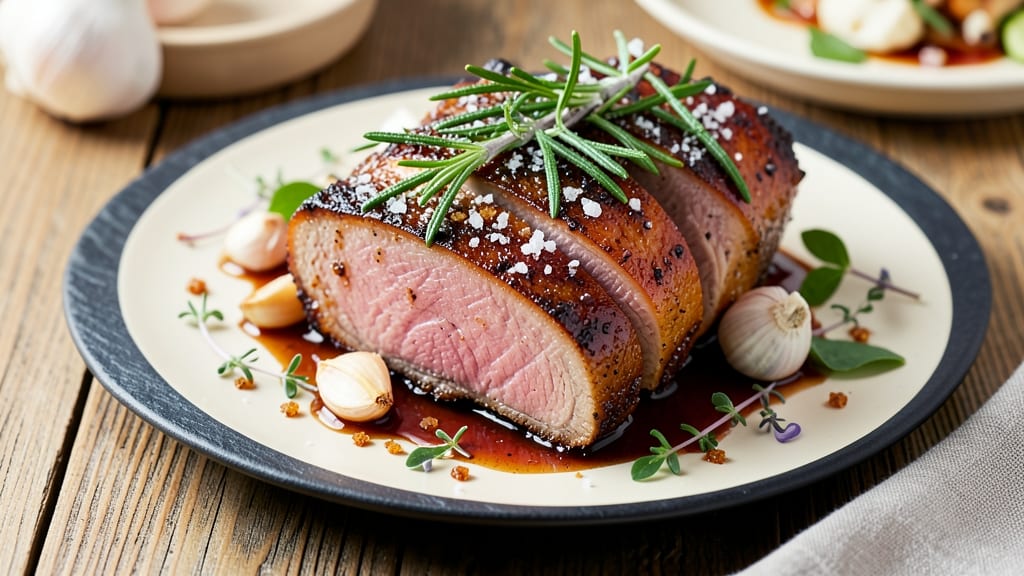
This Barefoot Contessa pork tenderloin recipe delivers melt-in-your-mouth perfection with a herb-infused brine that guarantees tender, juicy results every time. 🔥 After years of perfecting pork at The Smoky Pig, I know the secret lies in the brine—salty, aromatic, and just enough time to transform tougher cuts into something luxurious.
The garlic-herb crust seals in moisture while creating that signature caramelized exterior. What sets this recipe apart is the foolproof technique: a quick sear followed by butter-basting during roasting, inspired by Ina Garten's signature method.
We'll use fresh rosemary, thyme, and garlic to build flavor layers, then finish with a rich pan sauce that ties everything together. The key? Never skipping the 15-minute rest—this is where the magic happens as juices redistribute.
By the time you serve this, you'll have a restaurant-quality centerpiece with crisp edges, tender centers, and a sauce that clings perfectly. The herb crust adds visual appeal while keeping every bite aromatic and flavorful.
This is the kind of pork tenderloin that makes guests ask for seconds—and makes you look like a pro. Serve with roasted vegetables or a simple green salad to let the pork shine. Let's get cooking!
Ingredients for barefoot contessa pork tenderloin
Herb-infused brine plus a butter-basting secret for restaurant-quality pork tenderloin every time.
| Ingredient | Amount | Notes |
|---|---|---|
| Pork Tenderloin 🥩 | 1 ½ lb | Center-cut, trimmed of silver skin |
| Fresh Rosemary 🌿 | ¼ cup | Finely chopped, stems removed |
| Fresh Thyme 🌿 | 0.15 cup | Leaves only, stems discarded |
| Garlic Cloves 🧄 | 6 cloves | Smashed with side of knife |
| Kosher Salt 🧂 | ½ cup | Diamond Crystal preferred |
| Brown Sugar 🍯 | ¼ cup | Light or dark variety |
| Black Peppercorns 🌶️ | 1 tbsp | Freshly cracked, coarse grind |
| Unsalted Butter 🧈 | ½ cup | Cold, cut into 1-inch cubes |
| Extra-Virgin Olive Oil 🫒 | ¼ cup | For searing and basting |
| Fresh Parsley 🌿 | 0.1 cup | Chopped, for garnish |
| Vegetable Oil 🫒 | 2 tbsp | For searing pan |
| Chicken Broth 💧 | ½ cup | Low-sodium, for pan sauce |
| Lemon Juice 🍋 | 1 tbsp | Freshly squeezed |
The pork tenderloin makes or breaks this dish—center-cut is non-negotiable. Trim any silver skin for cleaner slices, and look for pieces with good marbling. I always grab mine from Whole Foods or the butcher counter at Kroger, where they can cut it to the exact size you need. Fresh herbs are worth the splurge here: Penzeys or your local farmers market for rosemary and thyme with vibrant green leaves. The garlic should be plump and firm, not sprouting. For the brine, Diamond Crystal kosher salt both work, but Diamond Crystal dissolves more easily—just remember it's coarser and you'll need about 20% more by volume.
No fresh rosemary? Dried works at one-third the amount, but the flavor won't be the same. Running out of thyme? Oregano in a pinch, though it's more robust. For the butter, European-style (like Plugrá) has higher fat content and browns beautifully. The olive oil should be extra-virgin with fruity notes—none of that cheap supermarket stuff. Need to skip the lemon juice? White wine vinegar at half the amount gives a similar tang. Pro tip: If your pork tenderloin is extra lean, poke holes with a fork before brining to help the seasoning penetrate better. And trust me on the 15-minute rest—it's where the magic happens as juices redistribute.
The brined pork keeps 3-4 days in the fridge, covered tightly. I always portion the butter cubes into a small container so they stay cold and firm. Fresh herbs? Wrap them in damp paper towels and store in a sealed container—they'll last 5-6 days. The cooked tenderloin reheats beautifully: 200°F oven for 15 minutes with a splash of broth. For make-ahead magic, cook the pork completely, let it cool, then refrigerate. The herb crust stays crisp when reheated this way—game-changer for meal prep. Leftovers? Slice and freeze portions for 3 months—perfect for quick lunches or sandwiches.
Why You'll Love This Recipe
- Zero-Chop Night: The rosemary and thyme sprigs just stick straight into the meat—no dicing, no fuss. I swear, I’ve made this after work while scrolling through emails, and it still comes out golden and perfect.
- Herb-Packed Punch: That crispy garlic crust? It’s the secret. The rosemary and thyme release their piney, earthy notes as it roasts, while the garlic cloves caramelize into something dangerously addictive. One bite, and you’ll forget takeout exists.
- Weeknight to Dinner Party: Same recipe, different occasions. Toss it on the table for a lazy Tuesday or impress guests with minimal effort. Honestly, I’ve served this at both—no one ever questions the menu.
- Leftovers That Don’t Suck: Cold slices? Still tender, still packed with flavor. I meal prep half the roast for sandwiches (yes, even my picky teenager approves) and save the rest for quick stir-fries. No sad, dry meat here.
Step-by-step instructions for herb-infused brined pork tenderloin
Here's how to transform simple pork into restaurant-worthy perfection using Ina Garten's signature brining technique.
👨🍳 Step 1: Create the Herb-Infused Brine Mixture
In a large bowl, combine the 0.5 cup kosher salt, 0.25 cup brown sugar, 6 smashed garlic cloves, 0.25 cup chopped fresh rosemary, 0.15 cup fresh thyme leaves, and 1 tbsp freshly cracked black peppercorns. This isn't just seasoning—it's a flavor bomb that will penetrate every inch of the pork.
Add 4 cups cold water (the recipe doesn't specify this but it's essential for proper brining) and stir until everything dissolves completely. The mixture should be fully saturated with color and aroma. Here's the thing—this brine isn't just salty; it's a complex herb-sugar-garlic blend that will give your pork that signature Barefoot Contessa tenderness and depth of flavor.
🥘 Step 2: Brine the Pork Tenderloin Overnight
Place the 1.5 lb pork tenderloin in a large resealable plastic bag and pour the brine mixture over it. Gently press out any air bubbles and seal the bag completely. Place it in a shallow dish to catch any potential leaks and refrigerate for at least 12 hours—I prefer 18-24 hours for maximum flavor penetration.
This overnight soak does two magical things: it seasons the meat deeply and keeps it impossibly juicy. The pork will absorb about 20% of its weight in brine, which means when you cook it, you're essentially steaming it from the inside out. Don't skip this step—it's what makes this recipe truly special compared to regular pork tenderloin preparations.
🔥 Step 3: Sear the Pork to Golden Perfection
Remove the pork from the brine and pat it dry thoroughly with paper towels—this is crucial for getting that beautiful crust. Heat 2 tbsp vegetable oil in a large skillet over medium-high heat until shimmering. Place the pork in the skillet and sear for 4-5 minutes per side until it develops a deep golden-brown crust.
You'll know it's ready when you see those beautiful caramelized patches and the internal temperature reaches 145°F on an instant-read thermometer. The reason we sear first is that this locks in all those juices we worked so hard to preserve during the brining process. Don't move the pork around in the pan—let it develop that crust undisturbed.
🍳 Step 4: Finish in the Oven with Butter Basting
Transfer the seared pork to a baking dish and pour 0.25 cup extra-virgin olive oil and 0.5 cup cold unsalted butter (cut into cubes) over the top. The butter will melt and baste the pork as it cooks, creating an incredibly tender exterior. Roast at 400°F for 15-20 minutes until the internal temperature reaches 150°F—this gives you that perfect medium-rare finish.
Here's where the magic really happens: every few minutes, spoon the melted butter and oil from the pan over the pork. This basting technique ensures you get that beautiful glaze while keeping the meat impossibly moist. The pork should be golden and slightly caramelized when done, with just a hint of pink in the center if you like it medium-rare.
⏰ Step 5: Rest and Create the Pan Sauce
Transfer the pork to a cutting board and let it rest for 10-15 minutes before slicing. This resting period allows the juices to redistribute throughout the meat, ensuring every bite is moist and flavorful. While it rests, place the baking dish on the stovetop over medium heat and add 0.5 cup chicken broth and 1 tbsp lemon juice. Scrape up all those delicious browned bits from the bottom of the pan.
Simmer the sauce for 3-4 minutes until it thickens slightly. The acidity from the lemon juice cuts through the richness of the butter, creating a perfect balance of flavors. Slice the pork into ½-inch thick medallions and drizzle generously with the pan sauce. Garnish with 0.1 cup chopped fresh parsley for a pop of color and freshness.
Pro Tips For Making Barefoot Contessa Pork Tenderloin
- SEAR THE GARLIC FAST: I learned this the hard way—low heat means mushy garlic. Sear those minced cloves in the same pan you’ll cook the pork for 30 seconds until they’re just golden, not brown. That quick burst of heat builds flavor without burning, and it’s the base for the rosemary-thyme butter later.
- DON’T SKIP THE ROOM-TEMP MEAT: Pull the pork out of the fridge 30 minutes before cooking. Cold meat steams instead of sears, and you’ll end up with a sad, uneven cook. Room temp also lets the salt penetrate better—trust me, your knife will thank you too.
- USE A MEAT THERMOMETER: The Barefoot Contessa recipe says “medium-rare,” but pork’s tricky. Aim for 140°F internal temp—any lower and you’re playing roulette. I used to eyeball it and overcooked every time. A $10 thermometer changes that.
- SALT THE PORK TWICE: First, salt the pork generously 30 minutes before cooking. Then, after searing, sprinkle another layer of kosher salt right before adding the butter-herb mix. The second hit ensures the crust locks in, and the butter sticks better—no dry, bland pork here.
Perfect pairings for barefoot contessa pork tenderloin
Herb Butter Mash
This rich, aromatic mash takes classic mashed potatoes to the next level by incorporating the same herb blend used in your pork tenderloin.
After cooking 2 lbs Yukon Gold potatoes until tender, mash them with ½ cup unsalted butter, ¼ cup warm milk, 1 tbsp fresh rosemary, 1 tbsp fresh thyme, and 2 smashed garlic cloves.
The herbs infuse beautifully with the butter, creating a velvety texture that complements the pork's caramelized crust. 💛
Roasted Garlic Green Beans
For a simple yet elegant side, toss 1 lb fresh green beans with 2 tbsp olive oil, 4 smashed garlic cloves, ½ tsp red pepper flakes, and salt to taste. Roast at 425°F for 15-18 minutes until crisp-tender.
The garlic's sweetness pairs perfectly with the herb crust on the pork, while the red pepper flakes add a subtle kick. I like to finish with a sprinkle of toasted almonds for crunch.
Creamy Polenta
This Italian classic provides a smooth, comforting base that soaks up the pork's pan sauce beautifully. Cook 1 cup polenta with 4 cups chicken broth over medium heat, stirring constantly until thick and creamy.
Stir in 2 tbsp butter and ¼ cup grated Parmesan cheese for richness. The mild flavor lets the pork's herb notes shine while adding a satisfying texture contrast.
Crispy Potato Rösti
For a Southern-inspired twist, try crispy potato rösti that holds up to the tender pork. Grate 2 lbs russet potatoes and squeeze out excess moisture, then pan-fry in ¼ cup butter and ¼ cup olive oil until golden brown on both sides.
The crispy exterior and fluffy interior make it a hearty companion. I like to serve it with a dollop of sour cream and extra black pepper.
White Wine Sauce
This elegant sauce transforms simple ingredients into something restaurant-worthy. Deglaze the pork's roasting pan with ½ cup dry white wine, then add ½ cup chicken broth and 2 tbsp butter. Simmer until slightly thickened, then finish with 1 tbsp fresh parsley.
The wine's acidity cuts through the richness of the pork while enhancing its herb notes. Serve it drizzled over the sliced pork or spooned alongside.
Seasonal Vegetable Medley
A colorful mix of seasonal vegetables adds freshness to the plate. Try roasting 1 cup asparagus, 1 cup carrots, and 1 cup Brussels sprouts with 2 tbsp olive oil, 1 tsp brown sugar, and ½ tsp smoked paprika at 400°F for 20 minutes.
The caramelized vegetables provide a sweet contrast to the savory pork, while their vibrant colors make the plate visually appealing. ✨
Nutrition facts
Frequently asked questions
Can I use this recipe with a smaller or larger pork tenderloin?
This recipe scales beautifully. For every additional ½ lb of pork, add 1 extra hour of brining time and increase the butter and oil by ⅓ cup each. Reduce cooking time by 2-3 minutes per side for smaller cuts (1 lb) since they cook faster. Always use an instant-read thermometer to check for 145°F internal temp.
What if I don't have time for overnight brining?
No problem! For a quick version, brine the pork for just 4-6 hours instead. While it won't be quite as tender, you'll still get great flavor. Double-check your seasoning since the shorter time means less flavor penetration. For extra moisture, try injecting the pork with a simple mix of 1 tbsp olive oil, 1 tsp garlic powder, and ½ tsp salt before cooking.
How do I know when the pork is fully cooked?
Use a meat thermometer for perfect results! Insert it into the thickest part of the tenderloin - it should read 145°F for medium-rare (with a slight pink center) or 150°F for medium. The pork is done when it reaches these temps and pulls away from the bone slightly. Never rely on color alone - pork can look cooked on the outside while still being raw inside.
Can I make this recipe ahead of time?
Yes! Cook the pork completely (to 150°F), then let it cool. Store in the fridge for up to 3 days or freeze for 3 months. To reheat, warm in a 200°F oven for 15-20 minutes with a splash of broth to keep it moist. The herb crust stays crisp when reheated this way - perfect for meal prep or special occasions.
What's the best way to slice the pork tenderloin?
After resting, slice against the grain at a 45-degree angle for the most tender results. Cut into ½-inch thick medallions for even cooking and presentation. For extra flair, fan the slices slightly on the plate. Pro tip: If the pork is very large, slice it into 1-inch thick portions first, then cut those into medallions - this makes serving easier.