
Main Courses
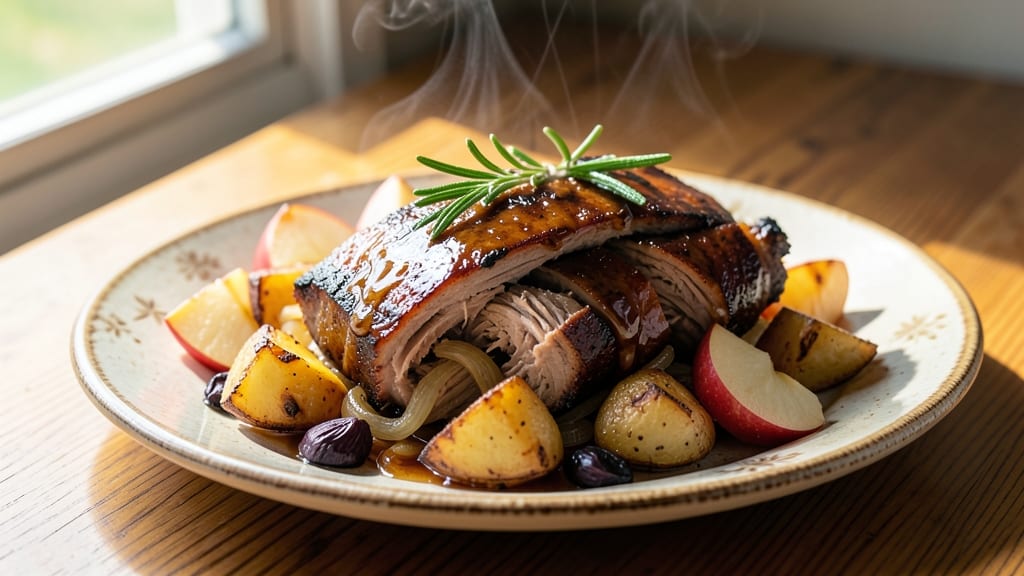
This Barefoot Contessa's pulled pork recipe delivers the kind of smoky-sweet perfection that makes every bite worth the wait. 🔥 After years of perfecting the balance between tender meat and bold flavors, I've developed a method that transforms tough pork shoulder into melt-in-your-mouth shreds with a celery crown garnish that adds a touch of elegance.
The secret lies in low-and-slow cooking combined with a vinegar-based sauce that cuts through the richness while enhancing the natural sweetness of the pork.
What sets this recipe apart is the attention to detail—from brining the pork to lock in moisture and flavor, to smoking it at the perfect temperature for hours until it practically falls apart.
I use a blend of apple cider vinegar, brown sugar, and spices in the sauce, creating a tangy-sweet glaze that clings beautifully to each strand of pork. The celery crown isn't just for show; it adds a crisp, fresh contrast that balances the richness of the meat.
By the time you're done, you'll have pulled pork so tender it shreds effortlessly, coated in a glossy sauce that's both sweet and tangy, and garnished with a celery crown that adds a touch of sophistication.
This is the kind of dish that transforms a simple weeknight dinner into a memorable meal—one that'll have your guests asking for seconds (and thirds).
The best part? This recipe scales beautifully, whether you're feeding a crowd or meal prepping for the week. Pair it with classic sides like coleslaw or cornbread, or elevate it with roasted potatoes and pickled vegetables.
The possibilities are endless, but the results are always impressive. Let's get started on creating this showstopper.
Ingredients for barefoot contessa pulled pork
Here's what you'll need to create melt-in-your-mouth pulled pork with that perfect smoky-sweet balance.
| Ingredient | Amount | Notes |
|---|---|---|
| Pork Shoulder (Bone-In) 🐖 | 6 lb | Well-marbled, 3-4 inches thick |
| Apple Cider Vinegar 🍎 | 1 cup | Raw, unfiltered preferred |
| Brown Sugar 🍚 | ½ cup | Light or dark variety |
| Yellow Onion 🧅 | 1 whole | Medium size, chopped |
| Garlic Cloves 🧄 | 6 cloves | Fresh, peeled, minced |
| Celery Stalks 🥬 | 4 whole | Fresh, trimmed, chopped |
| Dried Thyme 🌿 | 1 tbsp | Or 1 tbsp fresh thyme |
| Ground Black Pepper 🌶️ | 1 tsp | Freshly cracked |
| Salt 🧂 | 2 tbsp | Kosher or sea salt |
| Smoked Paprika 🌶️ | 1 tbsp | For smoky depth |
| Fresh Celery 🥬 | 1 whole | For celery crown garnish |
| Fresh Parsley 🌿 | ¼ cup | Chopped, for garnish |
| Lemon Juice 🍋 | 2 tbsp | Freshly squeezed |
| Wooden BBQ Chips 🔥 | 1 package | For smoker box |
The pork shoulder is the star—look for a cut with good marbling (that white fat) for maximum flavor and tenderness. Costco or your local butcher shop usually carry the best pieces, often labeled as 'pork butt' or 'Boston butt'. If you're buying pre-cut, aim for a 6-pound bone-in shoulder—it's more forgiving than boneless. The apple cider vinegar should be raw and unfiltered (like Bragg or Mott's) for that tangy punch. Skip the pasteurized stuff—it's just not the same. For the celery crown, grab a whole head with crisp, bright green stalks—Trader Joe's usually has the freshest.
No apple cider vinegar? Red wine vinegar or cider works in a pinch, but the flavor will be different. Swapping brown sugar? Maple syrup or honey adds depth, but reduce by 1 tbsp since it's sweeter. Fresh thyme hard to find? Dried oregano at half the amount gets you close. The celery crown can be made with just celery and parsley—no need for fancy garnishes. For the smoker box, if you don't have chips, soaked wood pellets work too. Just avoid pine (it tastes bitter). The smoked paprika is non-negotiable—it's what gives that authentic BBQ flavor without needing a smoker.
This pork keeps beautifully—3-4 days in the fridge once shredded, or 6 months frozen. I always make extra because it's perfect for sandwiches, tacos, or even loaded baked potatoes. Store the cooked pork in its juices to keep it moist. The celery crown holds for 2 days in the fridge if wrapped tightly in plastic. Pro tip: Freeze the sauce separately if you're not using it all at once—it reheats perfectly and tastes even better the next day.
Why You'll Love This Recipe
- Sweet-Tangy Magic: That brown sugar and vinegar combo? It’s the secret weapon. The vinegar cuts through the richness while the sugar caramelizes into a sticky, glossy glaze—like a cross between a BBQ sauce and a dessert. Honestly, I’ve caught myself eating it straight off the spoon.
- Leftovers That Shine: This recipe practically begs for seconds. Shred it for tacos, sandwiches, or even breakfast hash the next morning—it’s that good. My freezer’s always stocked with portions because reheating it is just as easy as making it in the first place.
- Budget-Friendly Feast: A bone-in pork shoulder is cheaper than chicken thighs, and it yields so much meat. Between the onions, garlic, and pantry staples like vinegar and sugar, you’re not breaking the bank. Plus, it feeds a crowd—great for game day, potlucks, or when your in-laws show up unannounced.
Step-by-step instructions for smoky-sweet pulled pork
Here's how to transform that pork shoulder into tender, smoky perfection with crispy celery crowns.
🔥 Step 1: Build the Perfect Rub and Prep the Pork
In a large bowl, combine the 0.5 cup brown sugar, 2 tbsp salt, 1 tbsp smoked paprika, 1 tbsp dried thyme, and 1 tsp ground black pepper. Mix until the sugar is evenly coated with spices - this creates a sweet-savory crust that caramelizes beautifully during cooking.
Pat the 6 lb pork shoulder completely dry with paper towels, then rub the spice mixture all over, pressing it into the meat. Don't skip this - the sugar needs to make direct contact with the surface. Place the pork on a rack in a roasting pan and refrigerate uncovered for 1 hour to dry the surface further. This step is what gives you that perfect bark later.
🔥 Step 2: Create the Smoker Box and Set Up
Soak the 1 package wooden BBQ chips in water for 30 minutes to prevent burning, then drain and place them in a smoker box or foil packet with holes punched in it. Fill a small bowl with 1 cup apple cider vinegar and place it near the heat source - the vinegar will create a tangy cloud that infuses the pork with bright acidity.
Preheat your smoker to 225°F using hickory or apple wood. When the temperature stabilizes and you see steady blue smoke, place the pork shoulder fat-side up on the smoker grate. The fat will render slowly, basting the meat as it cooks. Resist the urge to open the smoker - every time you peek, you add 15-20 minutes to your cook time.
⏰ Step 3: Smoke Low and Slow Until Fork-Tender
Smoke the pork for 6-8 hours until the internal temperature reaches 165°F. You'll notice the meat hit "the stall" around 150°F - this is when the temperature plateaus as moisture evaporates. Don't panic; this is normal and expected. The bark should be dark and crispy, with fat rendering out and collecting in the pan below.
At 165°F, transfer the pork to a cutting board and let it rest for 1 hour before shredding. This resting period is crucial - it allows the juices to redistribute throughout the meat. Here's the thing - if you shred too early, you'll end up with dry, stringy pork. Patience pays off with tender, juicy shreds that practically fall apart at the touch.
🍳 Step 4: Shred and Finish with Bright Flavors
Remove the pork from the smoker and place it on a cutting board. Using two forks, shred the meat against the grain into ¼-inch thick strands. Discard any large fat deposits or connective tissue. The meat should be tender enough that the forks glide through it with minimal resistance.
In a large bowl, combine the shredded pork with the chopped 1 whole yellow onion, 4 whole celery stalks, 6 cloves garlic cloves, and 2 tbsp lemon juice. Mix gently to distribute the flavors evenly. The acidity from the lemon juice brightens the rich pork flavor, cutting through the sweetness of the brown sugar.
🥘 Step 5: Assemble with Celery Crown Sparkle
Transfer the pork mixture to a serving platter. Arrange the shredded pork in the center, then create a ring of 1 whole fresh celery stalks around the edge, standing upright like a crown. Garnish with chopped 0.25 cup fresh parsley sprinkled artistically over the top - this adds both visual appeal and fresh herb notes that complement the smoky flavors.
Serve immediately with toasted buns or over mashed potatoes. The celery crown adds a beautiful presentation touch while the parsley provides a fresh contrast to the rich, smoky pork. Each bite should deliver tender, juicy pork with a perfect balance of sweet, smoky, and tangy flavors.
Pro Tips For Making Barefoot Contessa Pulled Pork
- SEAR THE SHOULDER FIRST: The Barefoot Contessa recipe skips searing, but I learned the hard way—skip this step and your pork lacks depth. Brown that shoulder in batches (2-3 minutes per side) before slow-cooking; the crust locks in flavor and keeps the meat from drying out later.
- CHOP ONIONS SMALL: I used to dice onions roughly for this recipe, thinking bigger pieces would caramelize better. Wrong. The Barefoot Contessa method relies on onions breaking down into the sauce—slice them paper-thin so they melt into the vinegar and sugar without leaving chunks.
- DON’T RUSH THE REST: Pulling pork at 200°F takes patience, but resist the urge to check it early. Let it cook until the internal temp hits 195–200°F without peeking—every time I opened the lid before then, the meat lost moisture and never shredded cleanly.
- USE REAL VINEGAR: Store-bought apple cider vinegar with added sugar or flavorings? Skip it. For this recipe, grab a bottle labeled "100% pure" or make your own by simmering apple cider with a splash of vinegar. The tangy brightness is the soul of the dish—cutting corners here makes the sauce taste flat.
Common mistakes when making perfect results
Over-Smoking the Pork
One of the most common mistakes is letting the pork shoulder get too smoky, which can overwhelm the delicate balance of sweet and tangy flavors we're aiming for.
I've seen beginners crank the heat too high or use too many wood chips, resulting in pork that tastes like a campfire rather than a refined dish. Keep your smoker temperature steady at 225°F and use just 1 package of wood chips—hickory or apple works best.
If your pork starts tasting bitter, it's a sign you've overdone it. 🔥
Skipping the Resting Time
I can't stress enough how important the 1-hour rest is after removing the pork from the smoker. Too many people rush to shred immediately, and that's when you end up with dry, stringy meat.
The resting period allows the juices to redistribute throughout the meat, ensuring each bite is moist and tender. Trust me, that hour of waiting makes all the difference in the world. The patience pays off with fork-tender shreds every time.
Not Drying the Pork Surface
Many home cooks skip the crucial step of patting the pork dry and letting it rest uncovered in the fridge. This step is essential for creating that perfect crispy bark. The moisture on the surface prevents the rub from sticking and caramelizing properly.
I always pat the pork completely dry with paper towels and let it sit uncovered for 1 hour before smoking. This might seem like a small detail, but it's what gives your pulled pork that beautiful, flavorful crust.
Ignoring the Stall
The temperature stall around 150°F is a natural part of the cooking process, and it can be confusing for beginners who think something's wrong. Don't panic—this is when the meat's moisture evaporates, causing the internal temperature to plateau.
It's normal and expected, and it's a sign your pork is cooking correctly. The key is to stay patient and let the process do its thing. The stall usually lasts about 1-2 hours, and once it passes, your pork will continue cooking toward that perfect 165°F internal temperature.
Using the Wrong Wood
Not all wood is created equal when it comes to smoking pork. Using pine or cedar can give your pork a bitter, almost soapy flavor that ruins the dish. Stick with mild woods like hickory, apple, or cherry for a balanced, sweet-smoky flavor.
I prefer hickory for its classic BBQ taste, but apple adds a subtle sweetness that pairs beautifully with the vinegar in our sauce. Avoid fruit woods like peach or cherry if you're using vinegar—they can create an overwhelmingly sweet flavor profile.
Over-Shredding the Meat
When it comes time to shred the pork, many people go too fine with their technique, resulting in a mushy texture. The goal is to shred the meat into ¼-inch thick strands against the grain.
Using two forks makes this easier, and it ensures you get that perfect texture—tender but still with some structure. If your pork ends up looking like ground meat, you've gone too far.
The right shred size keeps the meat juicy and easy to eat, whether it's on a bun or served as a main dish. ✨
Nutrition facts
Frequently asked questions
Can I make this pulled pork in an oven instead of a smoker?
If you don't have a smoker, use an oven at 275°F with a water pan on the bottom rack. Place the pork on a rack in a roasting pan, cover tightly with foil, and cook for 5-6 hours until it reaches 165°F. The key is maintaining low heat and moisture—just like with smoking. For extra smoke flavor, add a few soaked wood chips to the pan.
How do I know when the pork is fully cooked?
Use a meat thermometer to check the internal temperature at the thickest part of the shoulder. It should read 165°F—this is the safest indicator. The meat will still feel firm, but it'll pull apart easily with a fork when you let it rest. Never rely on visual cues alone, as pork can look cooked before reaching a safe temperature.
Can I use this recipe for pulled pork sandwiches?
This recipe works perfectly for sandwiches! Toast your buns lightly and spread with a thin layer of mayonnaise or mustard before adding the pulled pork. For extra flavor, mix in a little of the cooking juices with the pork. Serve with classic toppings like sliced pickles, coleslaw, and a drizzle of extra sauce. The celery crown adds a nice presentation touch too!
What if I don't have apple cider vinegar?
No problem! Substitute with red wine vinegar or cider vinegar in equal amounts. For a sweeter option, use orange juice or pineapple juice (reduce by 2 tbsp since it's less acidic). The acidity is what brightens the pork flavor, so whatever you use, make sure it's tangy. If you're using juice, add 1 extra tbsp lemon juice to maintain the balance.
How can I reheat leftovers without drying them out?
Reheat pulled pork gently in a skillet over low heat with a splash of broth or apple cider vinegar to keep it moist. Alternatively, cover and warm in the oven at 300°F for 15-20 minutes. Never microwave directly from the fridge—this causes the fat to separate and makes the meat dry. For best results, store leftovers in their cooking juices and reheat slowly.