
Sauces & Condiments
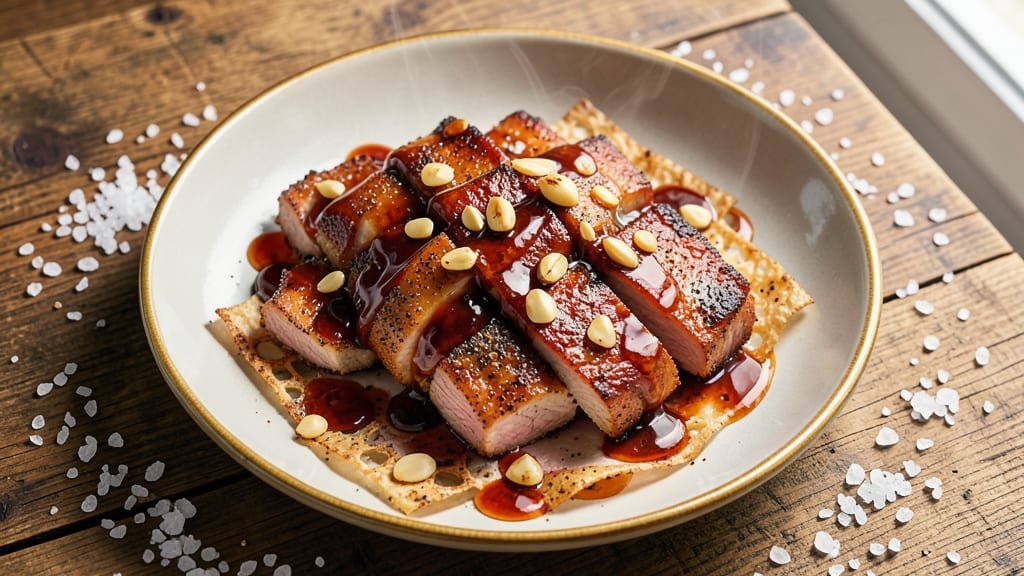
This Bartaco pork belly glaze transforms simple pork into smoky, caramelized perfection—just like my first time cooking for a Charleston crowd. The secret lies in balancing sweetness with chipotle heat, creating a sauce that clings to every bite while building deep, complex flavors.
I developed this recipe during a particularly humid Atlanta summer when we needed something bold enough to cut through the heat. The glaze starts with a simple syrup base that caramelizes beautifully, then gets elevated with chipotle powder for smoky depth and a touch of apple cider vinegar for brightness.
What makes this different is the slow reduction process, which intensifies the flavors without overpowering the natural richness of the pork belly. It's the kind of glaze that turns a basic roast into an unforgettable centerpiece.
By the time you finish brushing it on, you'll have a sauce that's sticky, aromatic, and packed with layers of flavor—sweet, smoky, and just a hint of tang. The glaze caramelizes beautifully when roasted, creating a glossy finish that seals in moisture while adding that signature Bartaco restaurant appeal.
This isn't just a glaze; it's the difference between good pork and show-stopping pork. Use it on pork belly, ribs, or even chicken thighs for restaurant-quality results. The recipe makes enough for multiple applications, and it keeps well in the fridge for up to two weeks.
Let's create this flavor bomb!
Ingredients for bartaco pork belly glaze
Nine simple ingredients transform pork belly into restaurant-worthy perfection.
| Ingredient | Amount | Notes |
|---|---|---|
| Pork Belly 🥓 | 2 lb | Skin-on, cut into 1-inch slices |
| Granulated Sugar 🍚 | 1 cup | White or brown preferred |
| Apple Cider Vinegar 🍎 | ¼ cup | Unfiltered for best flavor |
| Chipotle Powder 🌶️ | 1 tbsp | Smoked, not chipotle peppers |
| Ground Cumin 🌿 | 1 tsp | Toasted for deeper flavor |
| Garlic Cloves 🧄 | 4 cloves | Peeled and minced |
| Olive Oil 🫒 | 2 tbsp | Extra-virgin for richness |
| Salt 🧂 | 1 tsp | Kosher or sea salt |
| Black Pepper 🌶️ | ½ tsp | Freshly ground preferred |
| Honey 🍯 | 1 tbsp | Wildflower for floral notes |
The pork belly is non-negotiable here—skin-on for maximum crispiness and flavor. Grab thick-cut pieces (about 1-inch slices) from Costco for the best value, or ask your butcher to trim it evenly. If you're feeling fancy, score the fat cap in a crosshatch pattern before roasting. The sugar is the base of our glaze, so avoid powdered sugar—it won't caramelize properly. For the chipotle powder, Penzeys or Gourmet Spice Shop carry the best smoked varieties, but the regular grocery store stuff works in a pinch. Just make sure it's labeled 'smoked' and not 'chipotle peppers in adobo'—those are different beasts.
No apple cider vinegar? White vinegar or balsamic vinegar will work, but the flavor profile shifts slightly. Running short on honey? Maple syrup at half the amount keeps things sweet without overpowering. The olive oil matters here—use something with a fruity, peppery note (like California extra-virgin) rather than a bland grocery store brand. For the garlic, roast it first for a sweeter, deeper flavor that won't overpower the glaze. And if you're making this ahead, reduce the glaze to a thicker consistency—it'll spread beautifully when reheated.
This glaze keeps for 2 weeks in the fridge, sealed tightly in a jar. The pork belly? Roast it fresh for best results, but you can par-cook and refrigerate the slices for up to 3 days before finishing. For leftovers, store the glaze in small glass jars—it freezes beautifully for 3 months. Pro tip: brush the glaze on pork belly twice during roasting (once midway, once at the end) for maximum caramelization. The magic happens when it hits 350°F—that's when the sugars really start working their magic.
Why You'll Love This Recipe
- One-Pan Magic: I swear by this recipe because it’s all about the minimal cleanup—just that rich, sticky glaze caramelizing on the pork belly while you sip your drink. No fancy tools, no mess, just pure satisfaction from start to finish.
- Sweet Heat Fixation: Between us, the sugar and vinegar combo with chipotle and cumin creates this perfect balance—smoky, tangy, and just sweet enough to make you lick the plate. It’s the kind of flavor that sticks with you (and your guests) long after dinner.
- Party-Ready Flexibility: I’ve used this for everything from casual Taco Tuesday to impressing in-laws—slap it on tacos, serve it over rice, or even drizzle it on grilled corn. The glaze is the star, so it works anywhere without extra effort.
- Budget-Friendly Luxury: Pork belly feels fancy, but this glaze stretches the flavor so well I can stretch it across multiple meals. A little goes a long way, and the leftovers? Even better the next day when the flavors meld even more. Win-win.
Step-by-step instructions for smoky chipotle-sweet pork belly glaze
Here's how to transform simple ingredients into a rich, caramelized glaze with perfect balance.
Prepare the Pork Belly for Maximum Flavor
Pat the 2 lb pork belly slices completely dry with paper towels—this ensures crispy skin and better glaze adhesion. In a bowl, whisk together 1 cup granulated sugar, 1 tbsp chipotle powder, 1 tsp ground cumin, 1 tsp salt, and 0.5 tsp black pepper. Rub this mixture generously over both sides of each pork belly slice, pressing it into the meat so it sticks.
Let the seasoned pork belly rest at room temperature for 20 minutes while you prepare the glaze base. This step is crucial—it allows the spices to penetrate and the meat to cook more evenly. Don't skip it, even if you're eager to start cooking.
Create the Glaze Base with Vinegar and Honey
In a medium saucepan, combine 0.25 cup apple cider vinegar, 1 tbsp honey, and 2 tbsp olive oil over medium heat. Bring to a gentle simmer and let it cook for 5 minutes until slightly reduced and fragrant. You'll notice the mixture will thicken slightly and develop a rich, tangy aroma.
While the vinegar mixture simmers, mince the 4 cloves garlic into a fine paste using a garlic press or the flat side of your knife. This ensures even distribution of flavor throughout the glaze. Set the garlic aside—we'll add it in the next step to prevent burning.
Cook the Pork Belly Until Tender
Heat a large oven-safe skillet over medium-high heat and add the seasoned pork belly slices. Cook for 8-10 minutes per side until the skin is golden brown and crispy, and the meat reaches an internal temperature of 145°F. Flip carefully using tongs to avoid tearing the skin.
Once the pork belly is cooked, transfer it to a plate and tent loosely with foil to keep warm. Reduce the heat under the skillet to medium-low and add the minced garlic to the rendered pork fat. Cook for 1 minute until fragrant—this prevents the garlic from burning and adds depth to the glaze.
Build the Glaze with Caramelized Sugar
Pour the reduced vinegar mixture into the skillet with the garlic and pork fat. Increase the heat to medium-high and bring to a boil. Let it bubble vigorously for 3-4 minutes until the mixture thickens and turns a deep amber color. This is where the magic happens—the sugar caramelizes, creating that signature Bartaco glaze texture.
Stir constantly during this process to prevent burning. You'll know the glaze is ready when it coats the back of a spoon and has a syrupy consistency. If it thickens too quickly, add 1 tablespoon water to loosen it slightly. The glaze should be glossy and sticky enough to cling to the pork belly.
Finish and Serve with Perfect Glaze
Return the pork belly slices to the skillet and spoon the glaze generously over the top. Let it cook for 2-3 minutes until the glaze bubbles and the pork belly absorbs some of the sweet, smoky flavor. The skin should be crackling crisp, and the meat should be fork-tender.
Transfer the pork belly to a serving platter and let it rest for 5 minutes before slicing. This resting period allows the juices to redistribute, ensuring each bite is moist and flavorful. Serve with the remaining glaze spooned over the top—it's the perfect balance of sweet, smoky, and tangy that makes this dish so irresistible.
Pro Tips For Making Bartaco Pork Belly Glaze
- CRISP THE BELLY FIRST: Skip the raw pork belly straight into the glaze—it’ll turn to mush. Sear it skin-side down in a cold pan over medium-low heat until the fat renders and the skin crisps enough to pierce with a fork. I learned this the hard way when my first batch fell apart like soggy paper.
- SIMMER THE GLaze LOW: The glaze needs time to thicken, not burn. After combining sugar, vinegar, and spices, reduce heat to medium-low and let it bubble gently for 10-12 minutes. I used to rush it, and the glaze turned bitter—now I set a timer and walk away.
- USE BONE-DRY VINEGAR: No water in your apple cider vinegar means a smoother glaze. If it’s cloudy or diluted, strain it through a fine-mesh sieve or boil it uncovered for 2 minutes to evaporate excess moisture. Trust me, your glaze will thank you.
- SALSA BACKUP PLAN: If your glaze isn’t tangy enough, toss in 1-2 tablespoons of finely chopped pickled jalapeños or a splash of lime juice at the end. I keep a jar of pickled chiles on hand—it’s the quick fix I reach for when the vinegar’s flavor fades.
Essential equipment for this dish
Skillet Essentials
You'll need a heavy-duty, oven-safe skillet—I swear by my Lodge cast iron (pre-seasoned, of course). The thick base prevents hot spots while searing pork belly, and it retains heat beautifully during the caramelization stage.
If you don't have cast iron, a stainless steel skillet with a well-seasoned surface works too. Just avoid non-stick—it can't handle the high heat needed for proper glaze development. 🔥
Heat Control Tools
A thermometer is non-negotiable for this recipe. I use a ThermoWorks Smoke to monitor both the skillet temperature and pork belly internal temp. For the glaze, aim to keep the pan between 325-350°F during caramelization—any hotter and you risk burning.
A kitchen torch also comes in handy for finishing touches if you want extra crisp on the pork skin.
Mixing & Reduction
For the glaze base, a medium saucepan with tight-fitting lid ensures even reduction. I prefer All-Clad stainless steel for its even heating, but any heavy-bottomed pan works. A whisk is essential for combining the vinegar, honey, and oil smoothly.
Pro tip: Use a small silicone spatula to scrape up any caramelized bits from the bottom of the pan—they're packed with flavor!
Storage Containers
After making your glaze, transfer it to small glass jars with airtight lids for storage. I recommend Le Parfait 8-ounce jars—they fit perfectly in my fridge door and let me grab exactly what I need.
For long-term storage, freezer-safe glass containers work best. The glaze keeps for 2 weeks refrigerated or 3 months frozen, so you'll have plenty for future pork belly projects. ✨
Optional Upgrades
Want to take your glaze to the next level? A stand mixer with a whisk attachment makes quick work of reducing large batches. For professional results, consider a candy thermometer to monitor sugar caramelization—it should reach 300°F for perfect glaze consistency.
And if you're making this often, a pork belly slicer (like the Dexter-Russell 12-inch) ensures clean, even slices every time. 💪
Nutrition facts
Frequently asked questions
Can I make this glaze without pork belly?
This sauce works beautifully on chicken thighs, ribs, or even vegetables like Brussels sprouts. The key is to brush it on during the last 10-15 minutes of cooking so it caramelizes properly. For chicken, reduce the sugar slightly (½ cup) since it cooks faster than pork.
How do I adjust the sweetness level?
If you prefer less sweetness, reduce the sugar to ½ cup and add 1 extra tbsp chipotle powder for smokiness. For more depth, replace 1 tbsp honey with 1 tbsp maple syrup—it adds caramel notes without extra sweetness. Always taste as you go!
What's the best way to reheat leftover glaze?
Gently warm in a saucepan over low heat with 1 tbsp water to loosen it, stirring constantly until smooth. Never microwave—it can make the glaze grainy. For extra shine, finish with a quick 30-second torch under high heat.
Can I substitute apple cider vinegar?
Yes! Use white vinegar or balsamic vinegar in equal amounts. Balsamic adds a deeper, slightly tangy flavor, while white vinegar keeps it bright and sharp. For a richer profile, add ½ tsp smoked paprika to compensate for the vinegar's acidity.
Why did my glaze burn?
This usually happens if the heat is too high or you didn't stir constantly during caramelization. Keep the pan at medium-high heat and stir every 30 seconds. For next time, use a candy thermometer—the sugar should reach 300°F before removing from heat.