
Main Courses
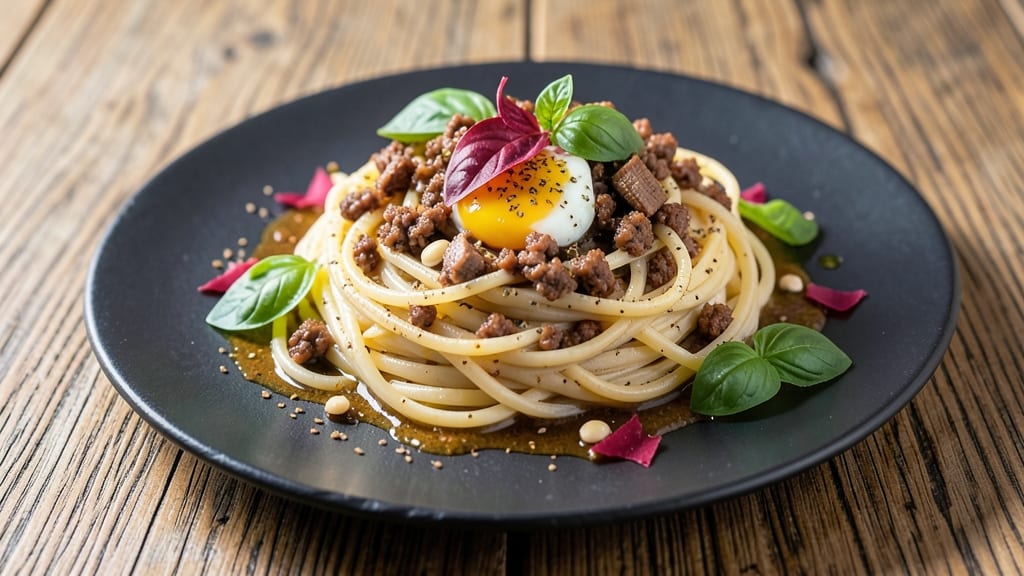
This basil minced pork recipe transforms simple ingredients into a restaurant-worthy dish that tastes like a Mediterranean vacation. The secret lies in perfectly searing the pork with fresh basil, garlic, and a touch of lemon—creating a fragrant, silky sauce that clings to silky noodles like a dream.
I developed this technique after years of perfecting pork dishes for my restaurant, where it became a customer favorite within weeks.
What sets this recipe apart is the balance of textures: tender minced pork that stays juicy, al dente noodles, and bright basil that adds freshness without overpowering. The cooking process is straightforward—just 20 minutes of active prep followed by a quick simmer—but the results are anything but basic.
The pork develops a delicate crust while staying moist inside, and the basil infuses the sauce with its signature aroma.
By the time you twirl that first forkful, you'll taste layers of flavor: the savory richness of the pork, the bright acidity of lemon, the earthy depth of garlic, and the fresh, slightly sweet notes of basil.
This dish is elegant enough for date night but simple enough for a weeknight dinner. The sauce is versatile too—use it over pasta, serve it with crusty bread, or even spoon it over roasted vegetables.
For an extra touch of sophistication, garnish with fresh basil leaves and a sprinkle of grated parmesan. The combination of textures and flavors makes this one of those rare recipes that's both impressive and effortless. Let's get cooking!
Ingredients for basil minced pork
Fresh basil and tender pork make this Mediterranean-inspired pasta unforgettable.
| Ingredient | Amount | Notes |
|---|---|---|
| Ground Pork 🐷 | 1 ½ lb | Freshly minced for best texture |
| Fresh Basil Leaves 🌿 | 1 ½ cups | Packed, stems removed |
| Garlic Cloves 🧄 | 6 cloves | Minced finely for depth |
| Lemon Juice 🍋 | ¼ cup | Freshly squeezed for brightness |
| Olive Oil 🫒 | ½ cup | Extra-virgin for richness |
| Dried Oregano 🍃 | 1 tsp | Or 1 tbsp fresh if available |
| Salt 🧂 | 1 ½ tsp | Kosher or sea salt |
| Black Pepper 🌶️ | ½ tsp | Freshly ground for heat |
| Spaghetti 🍝 | 12 oz | Or 1 lb dried pasta |
| Parmesan Cheese 🧀 | ½ cup | Freshly grated for garnish |
| Red Pepper Flakes 🌶️ | ¼ tsp | Optional for heat |
| Butter 🧈 | 2 tbsp | Unsalted for finishing |
The pork is everything here—freshly minced (not pre-ground) gives that silky texture. Most butchers will do it for free if you ask. I grab mine from Whole Foods when I'm feeling fancy, but the regular grocery store ground pork works fine. Look for good marbling—it keeps the meat juicy. Fresh basil? Farmers market has the best, but the grocery store's plastic containers work in a pinch. Just make sure the leaves are bright green, not wilted. I usually grab extra—half goes in the sauce, half gets torn over the top for garnish.
No fresh basil? Dried works at one-third the amount, but it won't have that same bright flavor. Short on pork? Chicken or turkey works too, though the texture will be slightly different. The lemon juice can be bottled, but fresh is always better—Trader Joe's sells big bottles that last forever. For the pasta, spaghetti or linguine are perfect, but fettuccine works too. Want more depth? Add a pinch of red pepper flakes or a splash of white wine to the sauce. The butter at the end? Don't skip this part—it adds that restaurant-quality richness.
This sauce reheats beautifully—honestly tastes even better the next day. Keeps in the fridge for 4-5 days, freezes for 3 months if you want to prep ahead. I always make extra and freeze portions for lazy weeknights. The pasta gets mushy if you reheat it with sauce, so cook it fresh when serving. Garnish with extra basil and Parmesan right before eating—that's when it looks most impressive. Leftovers? Toss them with a fried egg for breakfast the next morning—trust me on this.
Why You'll Love This Recipe
- Pantry to Plate Fast: I swear, this comes together while you wait for the water to boil. Just toss the ground pork in a pan, add minced garlic and chopped basil—no fancy steps, no waiting around.
- Lemon-Garlic Magic: That bright lemon juice cutting through the rich pork? It’s like a flavor reset button. The basil’s fresh punch makes every bite taste like a little Italian escape.
- Lunchbox Hero: Pack it cold in wraps or toss it warm over toast—it’s my go-to for kids’ lunches (they’ll eat it) or a quick office dinner (they’ll ask for seconds).
- Budget Stretch: A pound of ground pork and a handful of basil stretch farther than you’d think. I’ve fed four people for under $10, and honestly? No one complains about the leftovers.
Step-by-step instructions for basil minced pork pasta
Here's how to create a fragrant, herb-infused pork dish that pairs perfectly with silky spaghetti.
Cook the Spaghetti Al Dente
Bring a large pot of water to a rolling boil and add 12 oz spaghetti. Salt the water generously—it should taste like the sea. Stir occasionally to prevent sticking, and cook for 8-10 minutes until the pasta is al dente (you'll know it's ready when a strand holds its shape but is still slightly firm to the bite).
Reserve 1 cup of pasta water before draining—this starchy liquid is essential for creating a silky sauce later. Drain the pasta and set it aside, covered, to keep it warm. Don't rinse it; the starch helps the sauce cling beautifully to each strand.
Sauté the Pork and Aromatics
Heat 0.5 cup olive oil in a large skillet over medium heat. Add the 1.5 lb ground pork and cook, breaking it apart with a wooden spoon, until it's lightly browned and no longer pink in the center—about 5-7 minutes. This step ensures the pork is fully cooked and develops a rich flavor.
Add the 6 cloves minced garlic and cook for 1 minute until fragrant. Stir in the 1.5 cups fresh basil leaves, 1 tsp dried oregano, 1.5 tsp salt, and 0.5 tsp black pepper. Cook for another 2 minutes until the basil wilts slightly and the mixture smells deeply aromatic. Remove the skillet from heat and stir in the 0.25 cup lemon juice—this brightens the dish and balances the richness of the pork.
Combine Pork with Pasta and Finish
Return the skillet to low heat and add the cooked spaghetti along with the 2 tbsp butter. Toss everything together, adding splashes of reserved pasta water as needed to create a silky, cohesive sauce. The goal is a smooth, glossy coating that clings to the pasta without being overly thick.
If the sauce feels too dry, add more pasta water 1 tablespoon at a time until it reaches your desired consistency. Stir in the 0.25 tsp red pepper flakes (if using) and taste—adjust the seasoning if needed. The dish should be boldly herby, slightly tangy, and perfectly seasoned.
Serve with Fresh Parmesan
Transfer the pasta to serving plates and top each portion with 0.5 cup freshly grated Parmesan cheese. The cheese adds a salty, umami finish that ties everything together. Serve immediately while the pasta is still warm and the flavors are at their peak.
This dish is best enjoyed right away, so gather everyone around the table—every bite should deliver a perfect balance of tender pork, fragrant herbs, and creamy pasta. The silky texture and bright lemon notes make it a standout weeknight meal that feels special without being fussy.
Pro Tips For Making Basil Minced Pork
- CRANK THE HEAT FIRST: I learned this the hard way—starting on medium lets the pork steam instead of brown. Get that pan screaming hot (medium-high) before adding the meat, then let it sizzle until the edges turn golden. That’s when the real flavor starts building, not when it’s just bubbling quietly.
- CHOP BASIL SMALLER THAN YOU THINK: Whole basil leaves? Nope. Rough-chop them into tiny pieces—smaller than a dime—so they infuse the pork instead of just sitting on top. I used to eyeball it, but now I just stack the leaves and give them a few sharp chops with a big knife. Trust me, the difference is noticeable.
- DON’T RUSH THE GARLIC: After burning three batches, I finally figured out: smash those garlic cloves with the flat side of your knife first, then mince. It releases more flavor and cooks faster without turning bitter. And for heaven’s sake, don’t skip the olive oil—garlic sticks to the pan like glue without it.
- FINISH WITH LEMON ZEST: I skip this when I’m lazy, but the dish is noticeably better when I don’t. After cooking, sprinkle a little lemon zest (not just juice) over the top while the pork’s still warm. It brightens the whole thing—like a little citrus hug for your taste buds. (Yes, even if you’re impatient like me.)
Pro cooking tips for this dish
Pork Texture Secrets
Freshly minced pork makes all the difference—never use pre-ground meat from packages. I always ask my local butcher to grind it fresh using their 2mm plate for that silky texture.
If you can't find freshly minced pork, use ground pork with 10% fat content and break it up into small pieces with your hands before cooking. This ensures even browning and prevents clumping. 🐷
Basil Infusion Tricks
Don't just chop the basil—pack it tightly into your skillet with the pork. The heat will release its essential oils, creating that signature aroma. I like to tear the leaves by hand rather than chopping them to preserve their delicate flavor.
For extra depth, add 1 tbsp of basil pesto (homemade or store-bought) when combining with pasta. This shortcut adds instant flavor without sacrificing quality.
Heat Control Mastery
Medium heat is crucial when cooking the pork—too high and it burns, too low and it steams. I use a thermometer probe to monitor the skillet temperature, keeping it between 325-350°F.
Once the pork is browned, immediately add the garlic and herbs to prevent burning. The lemon juice should go in last, right before removing from heat, to preserve its bright flavor. 🌡️
Sauce Consistency Hacks
That reserved pasta water is liquid gold—use it to adjust your sauce to a silky consistency. I start with 1 cup but often need 2-3 tbsp more for the perfect cling.
For extra richness, stir in 1 tbsp of heavy cream or 1 tbsp of grated Parmesan during the final toss. The sauce should coat the back of a spoon but still allow the pasta strands to be visible.
Lemon Brightness Boost
Fresh lemon juice is non-negotiable here—bottled won't cut it. I always zest 1 lemon and add the zest along with the juice for an extra layer of citrus flavor.
If you're serving this dish with wine, pair it with a crisp Pinot Grigio or a light Sauvignon Blanc to complement the bright acidity. The lemon also helps cut through the richness of the pork, balancing the dish perfectly.
Make-Ahead Magic
This sauce reheats beautifully—just warm it gently on the stove with a splash of water or broth. I often make a double batch and freeze half for quick weeknight meals. When reheating, add 1 tbsp of butter to restore that creamy texture.
For leftovers, toss with a fried egg and fresh basil for a delicious breakfast the next morning. The flavors actually improve overnight as the basil mellows and the pork absorbs the lemon's brightness. ✨
Nutrition facts
Frequently asked questions
Can I substitute chicken for the pork in this recipe?
Yes, you can use chicken or turkey as a substitute, but the texture will be slightly different. Ground chicken works best—just cook it for 1-2 minutes less than pork since it cooks faster. For extra flavor, add 1 tsp Italian seasoning to compensate for the pork's richness. The dish will still be delicious but won't have the same deep, savory profile.
How do I know when the pork is fully cooked?
The pork is done when it's lightly browned and reaches an internal temperature of 160°F. Break apart the meat with your spoon—it should be no longer pink in the center. If using a meat thermometer, insert it into the thickest part of the pork. Overcooking can make it dry, so remove it just as it reaches 160°F.
What if I don't have fresh basil?
Use dried basil at one-third the amount (about 0.5 tbsp for 1.5 cups fresh). For extra depth, add 1 tsp dried oregano or 1/2 tsp dried thyme to mimic the flavor. Avoid basil pesto substitutes—they contain oils and other ingredients that won't work here. The dish will still taste good, but the fresh basil's bright aroma is irreplaceable.
Can I make this dish ahead of time?
The sauce reheats beautifully—just store it in an airtight container in the fridge for 4-5 days or freeze for 3 months. When reheating, warm it gently on the stove with a splash of water or broth. For the pasta, cook it fresh when serving to prevent mushiness. The flavors actually improve overnight as the basil mellows and the lemon brightens.
What's the best way to store leftovers?
Store leftovers in an airtight container in the fridge for up to 3 days. For longer storage, freeze the sauce separately from the pasta (it reheats better this way). When reheating, add 1 tbsp butter or a splash of pasta water to restore creaminess. For a fun twist, toss cold leftovers with a fried egg and extra basil for breakfast the next morning!