
Main Courses
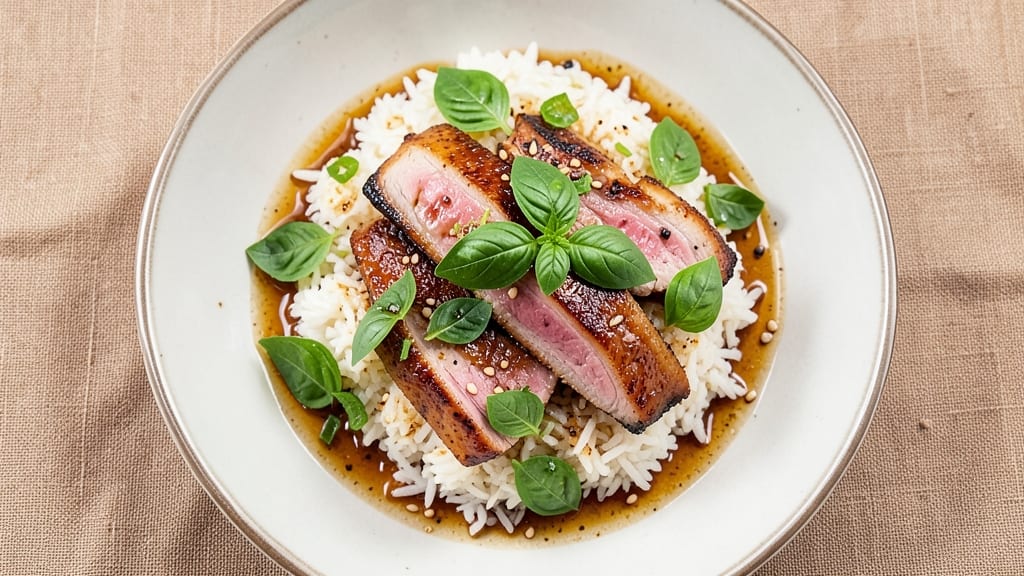
This basil pork rice recipe transforms simple ingredients into a fragrant, herb-packed meal that tastes like a restaurant favorite. The secret lies in marinating tender pork with fresh basil and aromatic spices, then cooking it alongside jasmine rice for a one-pan feast that’s both elegant and effortless.
Every bite delivers a perfect balance of savory pork, fragrant herbs, and fluffy rice—ideal for weeknight dinners or special occasions.
The dish begins with thinly sliced pork marinated in a blend of soy sauce, garlic, and fresh basil, ensuring deep flavor penetration. As the pork cooks, the basil infuses the rice with its signature aroma, creating a dish that’s visually stunning and packed with vibrant green accents.
The rice absorbs the pork’s savory juices, turning into a fragrant, cohesive base that complements the tender meat perfectly.
What makes this recipe stand out is its versatility—serve it as a complete meal with a side of steamed vegetables or a crisp salad, or pair it with a light citrus dressing to brighten the dish.
The combination of fresh basil, tender pork, and fragrant rice makes this a restaurant-quality dish that’s surprisingly simple to prepare.
Ready in under 45 minutes, this recipe delivers a flavorful, satisfying meal with minimal effort. The key is balancing the marinade and cooking times to ensure the pork stays juicy while the rice absorbs all the aromatic goodness.
Perfect for feeding a family or impressing guests, this basil pork rice is a foolproof way to elevate any dinner table.
Ingredients for basil pork rice
Fresh basil and tender pork transform simple rice into a restaurant-quality feast.
| Ingredient | Amount | Notes |
|---|---|---|
| Thinly Sliced Pork Tenderloin 🥩 | 1 ½ lb | Cut into 1/4-inch slices for even cooking |
| Jasmine Rice 🍚 | 1 cup | Uncooked, long-grain preferred |
| Fresh Basil Leaves 🌿 | 1 ½ cups | Packed, stems removed for marinade |
| Low-Sodium Soy Sauce 🥄 | ⅓ cup | For balanced saltiness |
| Garlic Cloves 🧄 | 6 cloves | Minced for marinade |
| Fresh Ginger 🌿 | 1 tbsp | Finely grated for aromatic depth |
| Sesame Oil 🫒 | 1 tbsp | Toasted sesame flavor |
| Vegetable Oil 🫒 | 2 tbsp | High smoke point for cooking |
| Fish Sauce 🥄 | 1 tbsp | Authentic umami depth |
| Brown Sugar 🍚 | 1 tbsp | For subtle caramelization |
| Lime Juice 🍋 | 2 tbsp | Freshly squeezed for brightness |
| Ground White Pepper 🌶️ | ½ tsp | Freshly ground for aroma |
| Diamond Crystal Kosher Salt 🧂 | 1 tsp | Adjust to taste |
| Green Onions 🧅 | 4 whole | Sliced for garnish |
| Toasted Sesame Seeds 🌾 | 1 tbsp | For visual contrast |
The pork tenderloin is non-negotiable for this dish—look for center-cut portions at Whole Foods or your local butcher for optimal tenderness. Thinly slice it against the grain to ensure even cooking and maximum juiciness. Fresh basil should be vibrant green with no wilting; if using store-bought, opt for the plastic-wrapped bunches at Trader Joe's over the pre-cut containers. The jasmine rice should be uncooked and unwashed—this preserves its natural aroma for the dish. For the fish sauce, Red Boat or Tiparo brands deliver the most authentic umami without overpowering the delicate pork flavor.
No fresh basil? Dried basil at one-third the amount works in a pinch, though it lacks the vibrant aroma. Substitute fish sauce with soy sauce plus a dash of oyster sauce for a vegetarian-friendly alternative. The pork can be swapped for chicken thigh slices if preferred, though pork delivers the most authentic flavor. For the rice, jasmine rice is essential—long-grain varieties like basmati won't provide the same fragrant profile. If your ginger is old or dried, substitute with an extra teaspoon of ground ginger, though freshly grated delivers superior depth. The sesame oil should be toasted, not regular—check the label at Asian markets for authentic options.
Marinate the pork for at least 30 minutes (overnight yields best results) to maximize flavor penetration. Store the marinade in an airtight container in the fridge for up to 2 days or freeze for 3 months. The cooked rice keeps well in the fridge for 4 days—reheat gently with a splash of water to restore moisture. For presentation, scatter the green onions and sesame seeds just before serving, as they lose their visual appeal when cooked. The dish reheats beautifully, making it ideal for meal prep—portion into containers with the rice and pork separated to maintain texture.
Why You'll Love This Recipe
- No-Fuss Weeknight Dinner: I swear by this when I’m too tired to measure anything—just slice the pork thin (or grab pre-sliced), toss it with garlic, soy sauce, and a handful of basil, then let it sizzle while rice simmers. Ten minutes of active work, zero fuss.
- Umami Bomb: That first bite of pork—crisp edges, tender middle—with the bright, peppery basil cutting through the salty-sweet soy? It’s the kind of flavor combo that makes you pause mid-chew. Honestly, I’ll take this over takeout any day.
- Lunchbox Hero: Between us, this is my go-to for meal prep. Cook a big batch of rice, stir-fry the pork separately, and assemble portions with extra basil. Pack it cold for work or reheat it—same great taste, zero sad desk lunches.
- Budget-Friendly Staple: Pork tenderloin stretches far when sliced thin, and jasmine rice is a pantry MVP. Fresh basil? A single bunch lasts me weeks if I use it wisely. I’ve fed four people for under $15 with leftovers that taste just as good the next day.
Step-by-step instructions for basil pork rice
This one-pan method delivers perfectly balanced flavors and textures every time.
Prepare the Pork Marinade and Rice Base
In a medium bowl, combine the 1.5 cups fresh basil leaves, 6 cloves minced garlic, 1 tablespoon finely grated fresh ginger, 0.33 cup low-sodium soy sauce, 1 tablespoon fish sauce, 1 tablespoon brown sugar, 2 tablespoons lime juice, 0.5 teaspoon ground white pepper, and 1 teaspoon Diamond Crystal kosher salt. Pulse in a food processor until finely chopped, then transfer to a large mixing bowl.
Add the 1.5 lb thinly sliced pork tenderloin and toss gently to coat evenly. Let the pork marinate for at least 20 minutes at room temperature—this ensures maximum flavor penetration and even cooking. While the pork marinates, rinse the 1 cup jasmine rice under cold water to remove excess starch, then drain well.
Sauté Aromatics and Cook the Pork
Heat a large, deep skillet or wok over medium-high heat until hot. Add 2 tablespoons vegetable oil and swirl to coat the bottom evenly. Add the marinated pork in a single layer, being careful not to overcrowd the pan. Cook undisturbed for 2-3 minutes until the pork develops a deep golden-brown crust on the bottom.
Stir the pork and continue cooking for another 3-4 minutes until it's 85% cooked through (it will finish cooking later). Remove the pork with a slotted spoon and set aside, leaving the rendered juices in the pan. In the same pan, add 1 tablespoon sesame oil and swirl to coat. Add the rinsed jasmine rice and stir to combine with the pork juices and oil.
Combine and Simmer to Perfection
Return the pork to the skillet and stir gently to distribute it evenly among the rice. Pour in 1 cup water and bring to a gentle simmer over medium heat. Cover with a tight-fitting lid and reduce heat to low. Cook for 15 minutes without disturbing, allowing the rice to absorb the liquid and the pork to finish cooking.
After 15 minutes, check the rice. If it's still slightly underdone, continue cooking for another 2-3 minutes until the rice is tender and the liquid has been fully absorbed. The pork should be fully cooked (internal temperature 145°F) and the rice should have a delicate, fragrant aroma with a slight resistance when pressed between fingers.
Finish and Garnish
Once the rice is tender and the pork is fully cooked, remove the skillet from heat. Fluff the rice gently with a fork, being careful not to break up the pork slices. Stir in 4 whole sliced green onions and 1 tablespoon toasted sesame seeds, distributing them evenly throughout the dish. Taste and adjust seasoning if needed—add a pinch more salt or a splash of lime juice if desired.
Let the dish rest for 5 minutes before serving to allow the flavors to meld completely. Serve immediately while the pork is warm and the rice retains its delicate texture. The finished dish should have a vibrant green hue from the basil, a rich umami depth from the fish sauce and soy sauce, and a bright, aromatic finish from the lime and sesame.
Pro Tips For Making Basil Pork Rice
- SEAR THE PORK FAST: Get your pan screaming hot—cast iron or stainless steel—before adding the pork. I used to let it sit there and steam, but now I toss it in and crank the heat to medium-high. You want those slices to sizzle and start cooking immediately, not just wilt. Two minutes max per side, then pull them out while they’re still bright pink inside.
- SALT THE BASIL: Toss your fresh basil leaves in a pinch of flaky salt before adding them to the rice. Sounds weird, but it works—it keeps the leaves from turning to mush and releases their oils so they actually flavor the dish. I skip this when I’m lazy, but the difference is noticeable, especially if you’re using a lot of leaves.
- STOP WHEN THE RICE IS AL DENTE: Pull the rice off the heat the second it’s just tender—about 12 minutes for jasmine, depending on your rice-to-water ratio. Overcooking turns it gummy, and you’ll end up with a sad, gluey mess. If you’re unsure, taste a grain: it should have a slight bite. Let it steam covered for another 5 minutes, then fluff it.
- MARINATE THE GARLIC: Mince the garlic extra fine and let it sit in 1 tablespoon of soy sauce for 10 minutes before cooking. This softens the edges and deepens the flavor—no more biting into a raw clove while chewing. I was skeptical until I tried it, and now I never skip it. Works especially well if you’re using fresh garlic.
Essential equipment for this recipe
Skillet Essentials
Start with a large, deep skillet or wok with at least a 12-inch diameter—I recommend a carbon steel wok from Mauviel or a stainless steel skillet from All-Clad for even heat distribution. These materials handle high heat beautifully and prevent sticking, which is crucial when cooking thin pork slices.
Avoid non-stick pans for this dish—they can't handle the high heat needed for proper pork searing. 🔥
Marinating Tools
Use a food processor or mortar and pestle to finely chop the basil, garlic, and ginger for the marinade. A food processor like the Ninja BN601 makes quick work of this, while a mortar and pestle adds a hands-on, traditional touch.
For the marinating bowl, a glass mixing bowl (like Pyrex) is ideal—it won’t absorb flavors and lets you see the pork coating evenly. Store leftover marinade in an airtight container in the fridge for up to 2 days.
Rice Cooking Gear
Jasmine rice benefits from a tight-fitting lid to trap steam—opt for a stainless steel lid that fits your skillet snugly. If your skillet lacks a lid, use a parchment paper circle as a makeshift lid to prevent water evaporation.
For measuring rice, a stainless steel rice scoop (like OXO’s) ensures even portions. A digital meat thermometer (such as the ThermoWorks Smoke) is essential for checking the pork’s internal temperature at 145°F.
Garnish and Finishing
Fresh green onions and toasted sesame seeds elevate the dish visually—use a sharp chef’s knife (like Wüsthof’s) to slice the green onions thinly. Toast sesame seeds in a small dry skillet over medium heat for 1-2 minutes until fragrant.
Keep a lime wedge on hand to adjust brightness at the table. For extra flair, a microplane (like Barbagroup’s) helps zest lime zest for garnish. ✨
Optional Upgrades
For a restaurant-quality finish, invest in a tongs set (like Merco’s) to handle the pork without breaking it up. A fine-mesh strainer (such as OXO’s) helps rinse the rice efficiently.
If you love one-pan meals, a cast-iron Dutch oven (like Lodge’s) can double as a serving dish—just transfer the cooked rice and pork directly to the table. For meal prep, glass storage containers (like Rubbermaid Brilliance) keep the dish fresh for 4 days in the fridge.
Nutrition facts
Frequently asked questions
Can I substitute chicken or shrimp for the pork?
Yes, but with adjustments! For chicken, use boneless thighs (not breast) and marinate for 30 minutes—they cook faster than pork. For shrimp, skip the marinade and cook just 2-3 minutes per side over medium-high heat until pink. The rice cooking method stays the same, but shrimp will add a lighter texture to the dish.
Why does my rice turn out mushy?
Mushy rice usually means too much liquid or insufficient heat. Use 1 cup water for 1 cup rice and ensure your pan has a tight lid to trap steam. If using a skillet without a lid, reduce water to 3/4 cup. Also, stir the rice once halfway through cooking to prevent sticking.
How can I make this dish vegetarian?
Replace the pork with extra-firm tofu or mushrooms. Press tofu to remove moisture, then cube and pan-fry until golden. For mushrooms, use shiitake or oyster mushrooms sliced thickly. Boost umami with 1 tbsp soy sauce + 1 tsp miso paste in the marinade. The basil and lime keep the dish vibrant!
Can I make this recipe in a slow cooker?
Not ideal, but possible with tweaks! Brown the pork first in a skillet, then transfer to the slow cooker with the marinade. Add 1 cup rice + 1.5 cups broth (instead of water) and cook on low for 3-4 hours. The pork may dry out—add a splash of broth if needed. Skip the sesame oil (add after cooking) and garnish with extra lime.
What’s the best way to reheat leftovers?
Reheat gently in a skillet over low heat with 1-2 tablespoons water to restore moisture. Cover for 2-3 minutes until warmed through. Avoid microwaving—it turns rice rubbery. For extra flavor, add a splash of lime juice or soy sauce when reheating. Store leftovers in an airtight container for up to 4 days.