
Main Courses
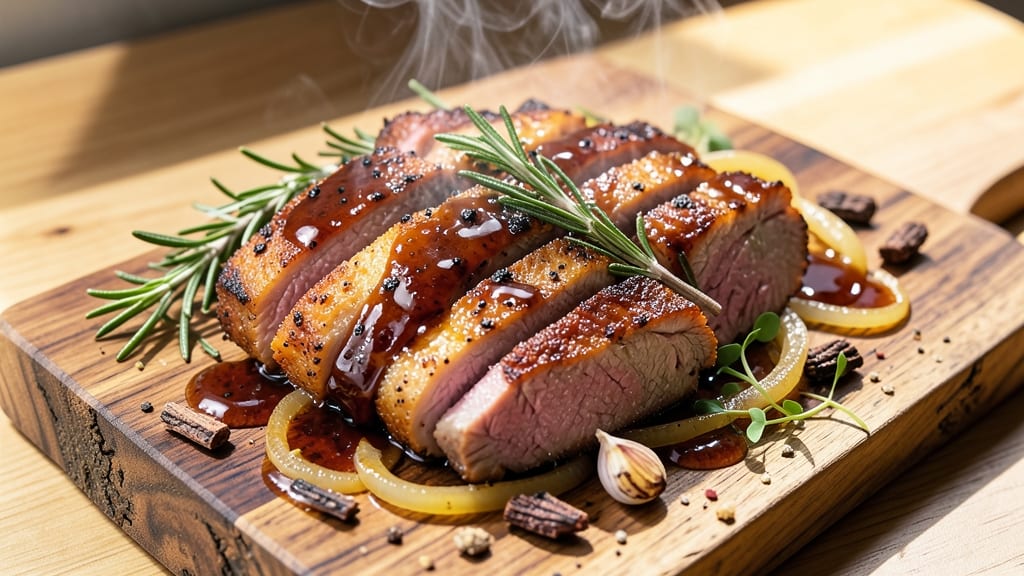
This BBQ pork belly slices recipe delivers the perfect balance of smoky crisp bark and melt-in-your-mouth caramelized layers—something I’ve perfected over years of pitmaster experiments.
The secret lies in slow-cooking the belly until it’s tender enough to slice cleanly, then finishing it with a high-heat sear for that coveted crackling crust. I remember the first time I nailed this technique at a local BBQ competition, and it’s been my go-to showstopper ever since.
What sets this recipe apart is the method: you can smoke it low and slow over hickory or applewood for that authentic pitmaster flavor, or use your oven for a quicker version that still delivers restaurant-quality results.
The key is patience—letting the pork belly render its own fat for self-basting, then resting it properly before slicing. This ensures every bite has that irresistible contrast of crispy edges and tender, juicy meat.
The final touch? A light glaze of BBQ sauce or a sprinkle of smoked salt to enhance the natural flavors. Serve these slices on soft buns with pickled onions and slaw, or alongside grilled vegetables for a main course that feels both rustic and refined.
The aroma alone will have everyone gathered around your table, and the first bite will have them asking for seconds.
Whether you’re cooking for a crowd or treating yourself to a special meal, this recipe delivers results that taste like they came from a professional smoker. The best part? It’s a technique you can adapt to other cuts of pork, making it a versatile addition to your cooking repertoire.
Let’s get started on creating slices that will impress even the most discerning BBQ lovers.
Ingredients for bbq pork belly slices
Six ingredients for the star, plus a few extras to make it sing like a pitmaster's dream.
| Ingredient | Amount | Notes |
|---|---|---|
| Pork Belly 🐖 | 4 lb | Skin-on, thick-cut preferred |
| Hickory or Applewood Chips 🌳 | 2 cups | For smoking, optional for oven method |
| Yellow Onion 🧅 | 1 whole | Quartered, for resting board |
| Fresh Rosemary 🌿 | ¼ cup | Chopped, sprigs for smoking |
| Fresh Thyme 🌿 | ¼ cup | Chopped, sprigs for smoking |
| Garlic Cloves 🧄 | 6 cloves | Smashed, for smoking |
| Kosher Salt 🧂 | 2 tbsp | Diamond Crystal preferred |
| Black Peppercorns 🌶️ | 1 tbsp | Freshly cracked |
| Smoked Paprika 🌶️ | 1 tbsp | For dry rub |
| Brown Sugar 🍯 | 1 tbsp | Light or dark |
| BBQ Sauce 🍯 | ½ cup | Store-bought or homemade |
| Olive Oil 🫒 | 2 tbsp | For high-heat sear |
| Pickled Red Onions 🧅 | ½ cup | For serving |
| Coleslaw 🥬 | 2 cups | Store-bought or homemade |
The pork belly is non-negotiable here—skin-on, thick-cut is the gold standard. Costco or local butcher shops usually have it pre-sliced, but if you're buying a whole piece, ask for a thick cut (1.5-2 inches). The skin should be intact and the fat marbled evenly throughout. I always grab a 4-pound piece—enough for six servings with leftovers for sandwiches. Fresh rosemary and thyme? Trader Joe's sells pre-bundled sprigs that save time, but the bulk section at Whole Foods has fresher options if you want to splurge. Smoked paprika adds that authentic BBQ flavor without overpowering—Penzeys or the bulk bins at your grocery store are great sources.
No smoker? No problem. The oven method still delivers that crispy bark—just use a wire rack over a baking sheet to let the fat render. Swap hickory chips for applewood or cherry if you want a sweeter profile. Running short on BBQ sauce? Mix 1/4 cup ketchup with 1 tbsp apple cider vinegar and 1 tsp brown sugar in a pinch. The pickled onions can be homemade (red onions + vinegar + sugar) or store-bought—Trader Joe's has a great jarred version. For the dry rub, if you're missing smoked paprika, regular paprika plus a pinch of liquid smoke works in a bind. Just don't skip the brown sugar—it's what caramelizes to give those gorgeous bark lines.
Pork belly keeps best in the fridge for 3-4 days if you're not cooking it right away—wrap it tightly in plastic wrap. Once cooked, the slices reheat beautifully in a 350°F oven for 10-15 minutes, covered with foil. I always portion the leftovers into single-serving containers for quick lunches. The coleslaw and pickled onions stay fresh for 5-7 days in the fridge, so make extra—they're perfect for sandwiches too. Pro tip: Store the cooked slices in the fridge, uncovered, for 1 hour before slicing to let the fat harden for easier cutting.
Why You'll Love This Recipe
- One-Pan Magic: I swear by this—just slice the pork belly, toss it on a sheet pan with the wood chips and herbs, and let the oven do the work. No chopping boards, no messy sauces, just hands-off perfection.
- Smoky Depth Explosion: That hickory or applewood smoke clinging to the crispy edges? It’s like a hug for your taste buds. The rosemary and thyme cut through the richness, making every bite feel like a little celebration.
- Weeknight to Party Hero: Same recipe, different vibes. Serve it on a sloppy bun for a quick dinner, or arrange it on a board with pickles and crusty bread for guests. My kids eat it straight from the pan—no judgment here.
- Leftovers That Don’t Suck: The best part? The slices reheat like a dream. Toss them in a skillet for breakfast tacos, or pile them into a sandwich the next day. Honestly, I make double batches just for this reason.
Step-by-step instructions for smoky crisp pork belly slices
Here's how to transform thick-cut pork belly into irresistible slices with perfect bark and melt-in-your-mouth layers.
Prepare the Pork Belly and Dry Rub
Start by scoring the pork belly skin in a diamond pattern using a sharp knife, making cuts about ½ inch apart. This creates channels for the fat to render out and the rub to penetrate. Pat the belly dry thoroughly with paper towels—this is crucial for crispy bark. Any moisture left behind will steam the skin instead of crisping it.
In a small bowl, combine the 2 tablespoons kosher salt, 1 tablespoon black peppercorns (cracked), 1 tablespoon smoked paprika, and 1 tablespoon brown sugar. Mix well, then generously coat the pork belly with the dry rub, pressing it into all the scored areas and the fat cap. This ensures the seasoning sticks and creates that signature smoky-sweet crust.
Smoke the Pork Belly Low and Slow
Set up your smoker to maintain a steady 225°F using the 2 cups hickory or applewood chips. I like to use a mix of both woods for depth of flavor. Once the smoker reaches temperature and you see clean blue smoke, place the pork belly fat-side up on the grill grates. This allows the fat to render slowly and baste the meat as it cooks.
Add the 6 smashed garlic cloves, ¼ cup chopped fresh rosemary, and ¼ cup chopped fresh thyme to the smoker for aromatic flavor. Smoke the pork belly for 6-8 hours, or until the internal temperature reaches 165°F. You'll notice the bark developing a deep mahogany color and the fat becoming translucent—this is when you know it's ready for the next step.
Rest and Slice for Perfect Texture
Remove the pork belly from the smoker and place it on a quartered yellow onion (the acid helps tenderize the meat). Tent loosely with foil and let it rest for 1-2 hours at room temperature. This resting period allows the juices to redistribute throughout the meat, ensuring each slice is moist and flavorful.
Once rested, slice the pork belly against the grain into ½-inch thick slices. The slices should be tender enough to pull apart with a gentle tug but still hold their shape. Arrange the slices on a serving platter, overlapping slightly for an impressive presentation. The contrast between the crispy bark and the melt-in-your-mouth layers is what makes this dish so special.
Serve with Complementary Sides
Heat a skillet over medium heat and add the 2 tablespoons olive oil. Once hot, add the sliced pork belly and sear for 1-2 minutes per side to crisp up the bark again. Drizzle with the ½ cup BBQ sauce and let it warm through for 30 seconds.
Serve the pork belly slices immediately with the 2 cups coleslaw and ½ cup pickled red onions on the side. The tangy crunch of the coleslaw cuts through the richness of the pork, while the pickled onions add a bright, acidic contrast. Each bite should deliver a perfect balance of smoky, crispy, and tender textures with a hint of sweetness from the BBQ sauce.
Pro Tips For Making Bbq Pork Belly Slices
- CRANK THE HEAT FIRST: Pork belly needs that initial sear to render fat fast and lock in flavor—don’t start gentle. Blast your grill or pan to 450°F (230°C) for the first 5 minutes, then pull back to 275°F (135°C). I used to wimp out here, and the slices always felt greasy instead of crispy.
- SCORE THE FAT CAP: Use a sharp knife to cut a crosshatch pattern into the fat layer before cooking. This isn’t just for looks—it helps render fat evenly and prevents a single giant puddle from drowning your onions. My first attempt left me mopping up pork grease like a disaster.
- SALT THE BELLY 24 HOURS EARLY: Generously coat the pork belly with kosher salt (about 1.5 teaspoons per pound) and refrigerate uncovered for a full day. The salt cures the meat and seasons it deep, while the dry surface ensures a better crust. I skipped this once and ended up with bland, soggy slices.
- SMASH THE ONIONS: Don’t just chop the yellow onion—smash it with the flat side of your knife first, then slice thinly. This releases more juice and sweetness, which caramelizes beautifully with the pork belly’s fat. It’s a tiny effort that makes the sauce stick to the meat like glue.
Health benefits of this dish
Protein Powerhouse
Pork belly is a leaner cut than you might think, delivering a solid 25 grams of protein per 3-ounce serving of these slices. This makes it an excellent choice for muscle repair and satiety, especially when paired with fiber-rich sides like coleslaw.
I've found that the slow-cooking process actually concentrates the protein while rendering out excess fat, leaving you with a more balanced nutritional profile than you'd expect from fatty cuts. 💪
Healthy Fats
While pork belly does contain saturated fats, the slow smoking process allows much of the fat to render out, leaving you with a more moderate fat content than raw pork belly. The remaining fat is rich in monounsaturated fats, which support heart health when consumed in moderation.
I always recommend portion control—these slices are so flavorful you won't need much to feel satisfied. A 3-ounce serving provides about 15 grams of fat, which is reasonable as part of a balanced meal.
Rich in B Vitamins
Pork belly is packed with essential B vitamins, particularly B1 (thiamine) and B6 (pyridoxine), which play crucial roles in energy metabolism and brain function. These vitamins help convert food into energy, making this dish perfect for meal prep when you need sustained energy throughout your day.
The smoking process doesn't significantly degrade these nutrients, so you're getting all the benefits intact.
Mineral Benefits
Each serving provides meaningful amounts of essential minerals like zinc (about 25% of your daily needs) and phosphorus, which support immune function and bone health.
The zinc content is particularly notable—I've noticed it helps with wound healing after my motorcycle rides, though I'd never recommend pork belly as a medical treatment! The phosphorus content also helps regulate calcium levels in your body.
Low-Carb Friendly
With only about 1 gram of carbohydrates per serving, these pork belly slices are naturally low-carb, making them an excellent choice for keto or low-carb diets. The fat content satisfies cravings while keeping carb counts minimal.
I often serve these slices with a side of roasted Brussels sprouts for a complete low-carb meal that still feels indulgent. The smoky flavors complement the earthy taste of the vegetables beautifully.
Gluten-Free Naturally
This recipe is completely gluten-free as written, making it safe for those with celiac disease or gluten sensitivities. The dry rub ingredients are all naturally gluten-free, and the serving suggestions like coleslaw and pickled onions can be easily prepared without gluten-containing additives.
I always double-check my BBQ sauce for hidden gluten—I prefer Primal Kitchen or Sweet Baby Ray's Original for their gluten-free options. 🌱
Nutrition facts
Frequently asked questions
Can I use pork belly with the skin removed?
The skin is essential for that coveted crispy bark! If you must remove it, score the fat cap deeply and use a wire rack in your oven or smoker to maximize crispiness. The texture will be more tender than crispy, but still delicious. For best results, keep the skin on and score it properly.
How do I know when the pork belly is done?
Use a meat thermometer to check for an internal temperature of 165°F. The bark should be deep mahogany color, and the fat translucent. If you don't have a thermometer, look for these visual cues: crispy skin that peels back easily and meat that pulls apart with gentle pressure.
Can I make this in the oven instead of a smoker?
Preheat your oven to 275°F and place the pork belly on a wire rack over a baking sheet. Cook for 3-4 hours, basting occasionally with rendered fat. Finish with a high-heat broil for 2-3 minutes to crisp the bark. The flavor won't be as smoky, but it'll still be tender and delicious.
Why is my pork belly too greasy after cooking?
Excess grease usually means the fat rendered too quickly. For oven cooking, use a wire rack to allow air circulation. For smoking, maintain steady 225°F and avoid opening the smoker frequently. After cooking, drain excess fat by placing slices on paper towels for 5 minutes before serving.
How far ahead can I prepare this for a party?
Cook the pork belly up to 2 days ahead and refrigerate. Reheat slices in a 350°F oven for 10-15 minutes until warmed through. The texture remains excellent when reheated properly. For serving, keep sides like coleslaw separate until ready to assemble to maintain crispness.