
Main Courses
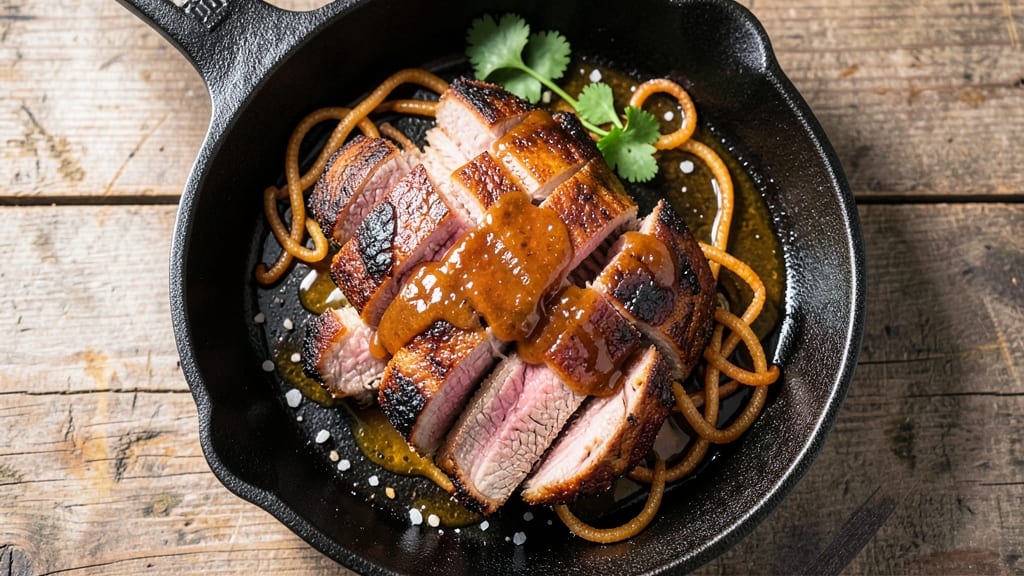
This BBQ pork brisket recipe delivers the kind of melt-in-your-mouth tenderness that makes every bite worth the wait. After years of perfecting my technique—from Texas-style bark to Kansas City sweetness—I’ve developed a method that transforms tough cuts into restaurant-quality masterpieces.
The secret lies in low-and-slow cooking, where smoky flavors penetrate deep while a crispy crust forms on the outside. My family’s been asking for this recipe since I first brought home a brisket so tender it nearly fell apart at the touch.
The process starts with a dry rub that balances bold spices with just enough sweetness to caramelize into a glossy bark.
I use a mix of brown sugar, smoked paprika, and cayenne—enough heat to wake up your taste buds, but not so much that it overpowers the natural richness of the pork.
The brisket cooks for 12-14 hours at 225°F, giving the meat time to break down into fall-apart perfection. The key? Patience. Rushing this dish means missing out on the magic that happens when collagen turns to gelatin, creating that unmistakable juicy texture.
By the time you’re ready to serve, you’ll have a brisket so tender it practically shreds with a fork, topped with a crispy, caramelized bark that cracks under pressure. The aroma alone—smoky, sweet, and deeply satisfying—will have everyone gathering around the table.
This isn’t just a recipe; it’s a weekend project that turns your kitchen into a BBQ haven. Whether you’re hosting a crowd or treating yourself to a slow-cooked feast, this brisket delivers the kind of results that make you feel like a pitmaster.
Serve with classic sides like creamy coleslaw, cornbread, and pickled jalapeños to balance the richness, or go bold with a smoky baked bean dip for dipping. The leftovers? Even better the next day—if they last that long. Now, let’s get that brisket smoking.
Ingredients for bbq pork brisket
Six pounds of pork brisket and a handful of spices transform into smoky perfection with patience and heat.
| Ingredient | Amount | Notes |
|---|---|---|
| Pork Brisket 🥩 | 6 lb | Whole packer cut, fat cap intact |
| Light Brown Sugar 🍯 | ½ cup | Packed, for caramelization |
| Smoked Paprika 🌶️ | 2 tbsp | High-quality for smoky depth |
| Ground Cayenne Pepper 🌶️ | 1 tsp | Adjust for heat preference |
| Kosher Salt 🧂 | 1 ½ tbsp | Diamond Crystal preferred |
| Garlic Powder 🧄 | 1 tbsp | Freshly ground preferred |
| Onion Powder 🧅 | 1 tbsp | For balanced flavor |
| Black Pepper 🌶️ | 1 tbsp | Freshly cracked preferred |
| Yellow Mustard 🍯 | 2 tbsp | For bark adhesion |
| Apple Cider Vinegar 🍎 | ¼ cup | For tenderizing |
| Beef Broth 🍲 | 1 cup | Low-sodium preferred |
| Wood Chips 🌳 | 2 cups | Hickory or oak preferred |
| Charcoal Briquettes 🔥 | 1 package | For smoker setup |
| Butter 🧈 | ¼ cup | Unsalted, for basting |
The brisket is the star, so pick a well-marbled packer cut—the fat cap is non-negotiable for that signature bark. Costco or local butcher shops usually carry the best quality, but any grocery store with a meat counter will have it. Look for a piece with good marbling and a nice layer of fat—this is what keeps the meat juicy during those long hours in the smoker. If you're buying online, Snake River Farms ships briskets that are perfect for this recipe. Trust me, the difference between a good brisket and a great one comes down to marbling and freshness.
No smoked paprika? Regular paprika plus a pinch of liquid smoke works in a pinch, though it won’t be as authentic. Cayenne too spicy? Swap for red pepper flakes at half the amount. The mustard is key for helping the rub stick—Dijon works too if you’re out of yellow. For the wood chips, hickory gives that classic BBQ flavor, but oak or pecan add nice variations. If you don’t have a smoker, a cast-iron skillet on the stove with a water pan can mimic the effect (just add wood chips to the pan). The beef broth? Low-sodium is critical—you don’t want to over-salt your meat.
Brisket reheats beautifully—wrap tightly in foil and bake at 300°F for 1-2 hours until steaming hot. Store leftovers in the fridge for 5-6 days, but honestly, they won’t last that long. For longer storage, freeze in portions for up to 3 months. The bark gets crispier the next day, so if you’re making this for a crowd, plan ahead. I always make a double batch—one for dinner and one to freeze for lazy weeknights. The secret? Let it rest before slicing—at least 30 minutes—so those juices don’t run all over your cutting board.
Why You'll Love This Recipe
- Sweet-Smoky Magic: That brown sugar isn’t just for looks—it melts into the meat, creating a sticky, glossy crust while the paprika and cayenne work their charm. The first bite? Rich, tender pork with a slow-built heat that lingers. My husband steals half before I even sit down.
- Weeknight Workhorse: This isn’t just for BBQ competitions. I serve it sliced thin over mashed potatoes for a lazy Sunday, chop it into tacos for Taco Tuesday, or shred it into sandwiches that feed my book club. Same recipe, endless uses—no sad leftovers here.
- Budget-Buster Meal: A whole brisket feeds six for less than takeout. The salt and spices are cheap, the cooking method is hands-off, and the leftovers? Even better cold in sandwiches. Honestly, I buy this cut just to prove I can make something fancy without breaking the bank.
Step-by-step instructions for smoky brisket with perfect tenderness
Here's how to transform a tough cut into melt-in-your-mouth perfection with a crispy bark.
Prepare the Rub and Season the Brisket
In a medium bowl, combine the 0.5 cup light brown sugar, 2 tablespoons smoked paprika, 1 teaspoon ground cayenne pepper, 1.5 tablespoons kosher salt, 1 tablespoon garlic powder, 1 tablespoon onion powder, and 1 tablespoon black pepper. Mix thoroughly until the sugar is evenly distributed and the spices form a cohesive paste.
Pat the 6 lb pork brisket dry with paper towels, removing any excess moisture from the surface. This step is crucial—wet surfaces prevent the rub from sticking properly. Spread the yellow mustard evenly over the entire surface of the brisket, then press the spice mixture firmly into the meat, working it into all the crevices. The mustard helps the rub adhere and creates that coveted bark. Place the brisket on a wire rack set over a baking sheet and refrigerate uncovered for at least 4 hours, or preferably overnight. This resting time allows the rub to penetrate deeply and the meat to dry slightly for better bark formation.
Set Up the Smoker and Begin Cooking
Soak the 2 cups wood chips in water for 30 minutes to prevent burning. Fill the smoker with 1 package charcoal briquettes and arrange them in a pyramid shape. Place the soaked wood chips on top of the coals and close the lid. Preheat the smoker to 225°F—this low-and-slow temperature is essential for tenderizing the tough brisket fibers. Once the smoker reaches temperature and you see clean, blue smoke (not thick white smoke), place the brisket fat-side up on the smoker grates.
Close the lid and resist the urge to open it during the first 2 hours of cooking. Every time you peek, you release heat and moisture, extending the cook time. The brisket needs time to develop that beautiful bark while the interior becomes tender. After 2 hours, you can open the lid to check progress, but limit additional openings to every 30-60 minutes thereafter.
Monitor the Stall and Wrap for Tenderness
Cook the brisket until the internal temperature reaches 165-170°F on a meat thermometer inserted into the thickest part of the meat (avoid touching bone). This typically takes 6-8 hours, depending on your smoker's consistency. You'll notice the temperature stall around 160°F—this is normal and occurs as moisture evaporates from the meat. Don't panic; this is the point where the brisket needs help finishing.
When the stall hits, wrap the brisket tightly in butcher paper (not aluminum foil, as it traps too much moisture). The paper allows the brisket to breathe while retaining enough heat to push through the stall. Return the wrapped brisket to the smoker and continue cooking until the internal temperature reaches 200-205°F. At this point, the meat should be fork-tender, with the probe sliding in like butter. This entire process usually takes an additional 4-6 hours after the stall.
Rest and Slice for Maximum Juiciness
Once the brisket reaches the target temperature, remove it from the smoker and transfer it to a cutting board. Tent loosely with aluminum foil and let it rest for at least 1 hour, or preferably 2 hours. This resting period is non-negotiable—it allows the juices to redistribute throughout the meat, ensuring every slice is moist and flavorful. If you're short on time, place the wrapped brisket in a cooler to rest, which helps maintain the internal temperature.
After resting, slice the brisket against the grain into ¼-inch thick slices. The grain runs horizontally across the flat and point, so adjust your angle accordingly. Serve immediately with your favorite BBQ sauce or a simple drizzle of the rendered juices from the smoker. The result should be a brisket with a dark, crispy bark on the outside and a tender, smoky interior that practically melts in your mouth.
Pro Tips For Making Bbq Pork Brisket
- Trim the Fat Cap: If your brisket has a thick fat layer, slice off all but a ¼-inch—this prevents grease fires and lets the rub stick better. I learned this the hard way after watching a pan go up in flames mid-sear.
- Brown Before Rubbing: Sear the brisket skin-side down in a hot pan for 3–4 minutes first—this locks in moisture and gives the crust a deeper color. The rub will stick like glue afterward, and the meat stays juicier.
- Skip the Crowding: If you’re cooking on a stovetop or grill, resist the urge to flip or move the brisket too soon. Let it develop a crust undisturbed for at least 10 minutes—this is how the smoky flavor builds.
- Moisten the Rub: Mix your brown sugar, smoked paprika, cayenne, and salt with a splash of water or apple cider vinegar before applying—it helps the spices cling and caramelize faster. Dry rubs slide off wet meat; this keeps it in place.
Flavor customization for this bbq pork brisket
Sweet and Smoky
For a classic Texas-style brisket, stick with the original rub of brown sugar, smoked paprika, and cayenne—the sugar caramelizes into that iconic dark bark while the paprika delivers deep smoky notes.
I like to add 1 tablespoon of molasses to the rub for extra depth, giving it a subtle caramelized sweetness that pairs perfectly with the smokiness.
The key is balancing the sugar-to-spice ratio—too much sugar can make the bark overly sticky, so keep it at 50% sugar to 50% spices. 🔥
Spicy Kick
If you love heat, crank up the cayenne to 2 teaspoons and add 1 teaspoon of chipotle powder to the rub for a smoky, fiery punch. For an extra layer of complexity, sprinkle ½ teaspoon of ground coriander—it mellows the heat while adding citrusy brightness.
I once made a brisket with gochujang mixed into the rub (about 2 tablespoons), and the fermented chili paste gave it a tangy, umami-rich bark that was unforgettable. Just be warned: this version will have your guests reaching for water!
Herb-Infused
Swap out some of the spices for fresh herbs to brighten up the flavor profile. I love adding 1 tablespoon of finely chopped rosemary and thyme to the rub, then pressing it into the brisket alongside the dry spices.
For a coastal twist, mix in 1 tablespoon of lemon zest and 1 teaspoon of dried oregano—the citrus cuts through the richness beautifully. If you’re foraging, wild garlic or dill add a unique, earthy note that pairs surprisingly well with the smoky pork. 🌿
Bourbon or Coffee Rub
For a bold, unexpected twist, infuse the rub with 2 tablespoons of bourbon or 1 tablespoon of instant coffee. The bourbon adds a warm, slightly sweet depth that caramelizes into the bark, while coffee gives it an earthy, almost chocolatey undertone.
To use bourbon, mix it into the dry rub before applying it to the brisket—just don’t overdo it, or the alcohol will burn off too quickly. Coffee works best when mixed with the spices and a splash of apple cider vinegar to help it adhere to the meat.
Asian-Inspired Fusion
Give your brisket a global twist by adding 1 tablespoon of five-spice powder and 1 teaspoon of ginger powder to the rub. For extra umami, toss in 1 tablespoon of soy sauce or hoisin sauce when applying the rub.
I once made a brisket with 1 teaspoon of sesame seeds mixed into the spices, and the nutty crunch in the bark was incredible. Serve it with a side of sriracha aioli or pickled ginger to balance the richness.
This fusion works surprisingly well—smoky meets umami in the best way possible!
Bark Variations
Want to experiment with different textures? For a crunchier bark, add 1 tablespoon of cornstarch to the rub—it helps create a thicker, crispier crust. For a softer, stickier bark, mix in 1 tablespoon of honey instead of sugar.
I also love using maple syrup (about 2 tablespoons) for a deeper, more complex sweetness. The bark should crackle when sliced, but not be so hard it’s inedible—balance is everything.
Pro tip: Spritz the brisket with apple cider vinegar every hour after the first 4 hours of cooking to keep the bark glossy and prevent it from drying out.
Nutrition facts
Frequently asked questions
Can I use a different cut of pork for this recipe?
This recipe is specifically designed for a 6 lb pork brisket packer cut with the fat cap intact—it's the ideal balance of fat and muscle for that signature bark and tenderness. You could try a pork shoulder (butt), but it will have a different texture and cooking time (typically 8-10 hours instead of 12-14 hours). For best results, stick with brisket—it's the star of this dish!
What's the deal with the 'stall' in brisket cooking?
The stall happens when the brisket's internal temperature hits around 160°F—the moisture evaporates, creating a temporary temperature plateau. This is normal! The solution is wrapping the brisket in butcher paper (not foil) to help it push through to 200-205°F. Think of it as a natural pause where the meat rehydrates and becomes fork-tender. Patience here makes all the difference!
How do I know when the brisket is done?
Use a meat thermometer inserted into the thickest part (avoiding bone) to check for 200-205°F internal temperature. The probe should slide in like butter, and the bark should be dark and crispy. If it's still firm at 165°F, it needs more time—don't rush it! The rest will make it even more tender, so let it rest for at least 1 hour before slicing.
Can I make this in an oven instead of a smoker?
Preheat your oven to 225°F and place a water pan on the lower rack to add moisture. Cook the brisket on a rack set over a baking sheet for 6-8 hours before wrapping in butcher paper for the final 4-6 hours. For smoky flavor, add wood chips to the pan or use a stovetop smoker. It won't be exactly the same, but you'll still get tender, flavorful meat!
What's the best way to store leftovers?
Wrap tightly in butcher paper or foil and refrigerate for up to 5-6 days. For longer storage, freeze in portions for 3 months. The bark gets even better the next day! To reheat, bake at 300°F until steaming hot (about 1-2 hours). Pro tip: Let it rest before slicing to keep it juicy.