
Main Courses
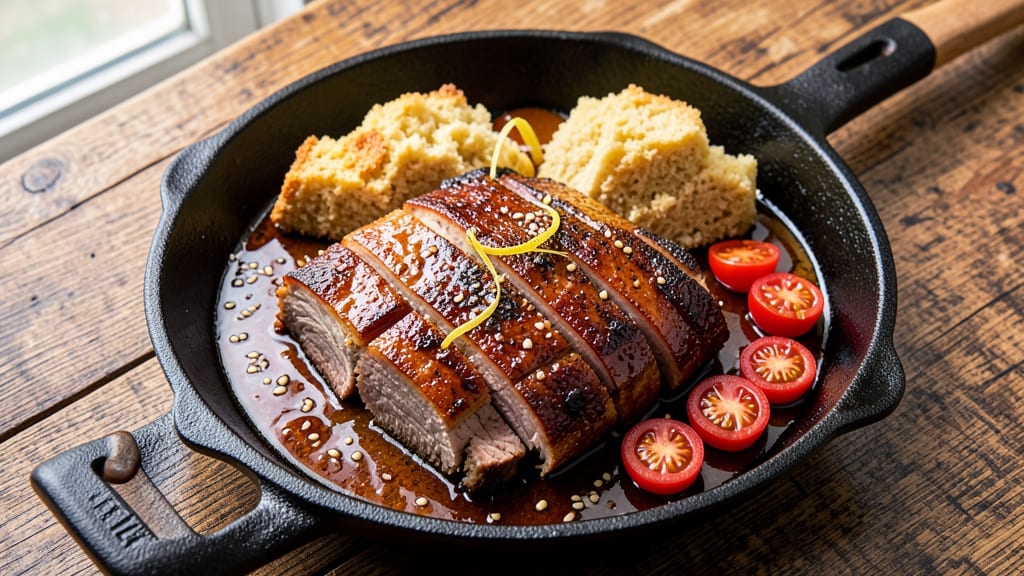
This BBQ pork rib roast recipe delivers fork-tender, smoky meat with a perfect balance of bark and juicy interior—exactly what transforms a weeknight dinner into a showstopper. I've spent years perfecting the technique, blending my French training with pitmaster traditions to create a method that's both professional and approachable.
The key lies in the rub: a careful balance of spices that develop deep flavor while keeping the meat tender through low-and-slow cooking.
What sets this recipe apart is the three-stage cooking process that builds layers of flavor without drying out the meat. We start with a dry rub that creates that coveted bark, then move to indirect heat for even cooking, and finish with a basting technique that locks in moisture.
The result? Meat so tender it practically falls apart at the touch, with a crust that crackles with every bite. This isn't just BBQ—it's a technique that respects both tradition and modern convenience.
The magic happens when you reach that 203°F internal temperature, where collagen breaks down into gelatin, transforming tough meat into melt-in-your-mouth perfection. The resting period is just as crucial—it allows those juices to redistribute, ensuring every bite stays moist.
Serve with classic BBQ sides like cornbread and collard greens for the full experience, or keep it simple with a crisp green salad to let the pork shine.
Whether you're cooking for a crowd or treating yourself to a special meal, this rib roast delivers restaurant-quality results at home. The technique might sound complex, but I've broken it down into simple steps that even first-time BBQ cooks can master.
Let's get started on creating a dish that'll have everyone asking for seconds—and thirds.
Ingredients for bbq pork rib roast
The backbone of this rib roast: premium pork, a balanced rub, and smoky wood chips for that perfect bark.
| Ingredient | Amount | Notes |
|---|---|---|
| Pork Rib Roast (Back Ribs) 🥓 | 6 lb | Bone-in, cut into 2-3 rib sections |
| Yellow Mustard 🍯 | ½ cup | For base of dry rub |
| Brown Sugar 🍚 | ½ cup | Packed, light or dark |
| Smoked Paprika 🌶️ | 2 tbsp | For deep smoky flavor |
| Garlic Powder 🧄 | 1 tbsp | Freshly ground preferred |
| Onion Powder 🧅 | 1 tbsp | For sweet base notes |
| Ground Black Pepper 🌶️ | 1 tbsp | Freshly cracked preferred |
| Kosher Salt 🧂 | 1 tbsp | Diamond Crystal preferred |
| Chili Powder 🌶️ | 1 tbsp | Mild or medium heat |
| Ground Cumin 🌿 | 1 tsp | Toasted for deeper flavor |
| Apple Cider Vinegar 🍎 | ¼ cup | For basting liquid |
| Honey 🍯 | ¼ cup | Light or wildflower |
| BBQ Sauce 🍅 | ½ cup | Store-bought or homemade |
| Fresh Rosemary 🌿 | ¼ cup | Chopped, for garnish |
| Wood Chips (Hickory or Oak) 🌳 | 2 cups | Soaked for 30 minutes |
The pork ribs are the star, and back ribs deliver the best texture—meaty without being too fatty. Look for cuts with good marbling, and ask your butcher to trim any excess fat if needed. Costco or Whole Foods carry excellent quality, or check the meat counter at Walmart for budget-friendly options. Bone-in ribs develop more flavor during cooking, but if you prefer boneless, they'll still work—just reduce cooking time by 20-30 minutes. The rub ingredients are all pantry staples, but smoked paprika from Penzeys or a bulk bin elevates the flavor profile significantly. Toast your spices lightly before mixing to deepen their aroma—just 30 seconds in a dry pan does the trick.
No smoked paprika? Regular paprika plus a pinch of liquid smoke works in a pinch, though the flavor won't be identical. Substituting brown sugar? White sugar plus 1 tsp molasses mimics the caramelization. For a sweeter glaze, add an extra 2 tbsp of honey to the basting liquid. The wood chips are non-negotiable for authentic smoky flavor—hickory gives a classic BBQ taste, while oak offers a milder profile. If you can't find soaked chips, wood pellets in a smoker box work too. Fresh rosemary can be swapped for dried at one-third the amount, but the fresh herb adds a bright, piney note that pairs beautifully with pork.
Store uncooked ribs wrapped in parchment paper in the fridge for up to 5 days, or freeze for 3 months in a vacuum-sealed bag. Once cooked, ribs reheat beautifully—wrap in foil with a splash of apple cider vinegar and bake at 300°F for 10-15 minutes. Leftovers shred easily for tacos, sandwiches, or loaded baked potatoes. The dry rub keeps well in an airtight container for 2 weeks, so make extra for future projects like pulled pork or grilled chicken. For maximum convenience, prep the rub and soak the wood chips the night before—everything else happens during cooking.
Why You'll Love This Recipe
- One-Pan Magic: I swear by this—just slather the ribs with that mustard-brown sugar mix, sprinkle the smoked paprika, and let the oven do the work. No flipping, no basting, no stress. The ribs caramelize right on the sheet pan while I’m still chopping veggies for the side.
- Sweet-Smoky Crunch: That crispy bark from the brown sugar and smoked paprika? Absolute perfection. The garlic powder gives it a warm, cozy depth, and the mustard ties it all together with a tangy kick. It’s the kind of flavor that makes people ask, “What’s in this?”—then immediately demand the recipe.
- Leftovers for Days: Between us, I make this on Sundays and eat it for lunch all week. The ribs stay tender, the sauce clings, and it reheats like a dream. Honestly, the only downside is having to wait to eat it all at once.
- Budget Crowd-Pleaser: Pork ribs are cheaper than you’d think, and this recipe stretches them across multiple meals without breaking the bank. Plus, the ingredients—mustard, sugar, spices—are all pantry staples. Feed four people for less than a takeout order, and they’ll think you slaved away for hours.
Step-by-step instructions for smoky BBQ pork rib roast
Master this technique and you'll achieve restaurant-quality ribs with perfect bark and melt-in-your-mouth tenderness.
Prepare the Dry Rub and Season the Meat
In a medium bowl, combine the 0.5 cup yellow mustard, 0.5 cup brown sugar, 2 tbsp smoked paprika, 1 tbsp garlic powder, 1 tbsp onion powder, 1 tbsp ground black pepper, 1 tbsp kosher salt, 1 tbsp chili powder, and 1 tsp ground cumin. Mix thoroughly until the mustard and sugar create a paste-like consistency.
Pat the 6 lb pork rib roast dry with paper towels—this is critical for developing that coveted bark. Spread the rub evenly over all surfaces, pressing firmly so it adheres well. Place the ribs on a wire rack set over a baking sheet and refrigerate uncovered for at least 2 hours (overnight works best). This resting period allows the rub to penetrate deeply and the meat to dry slightly, both essential for that perfect crust.
Set Up Your Smoker for Low-and-Slow Cooking
Soak the 2 cups wood chips in water for 30 minutes before using. Fill your smoker with the soaked wood chips and preheat to 225°F. I recommend using hickory or oak for that classic BBQ flavor profile. Let the smoker run for 15 minutes to establish a steady temperature and clean smoke—you should see thin, blue smoke without any white steam.
When the smoker reaches temperature, place the ribs bone-side down on the cooking grates. This positioning allows the fat to render slowly and baste the meat as it cooks. Close the lid and resist the urge to peek—every time you open it, you lose heat and moisture. The ribs need time to develop that dark mahogany bark and tenderize properly.
Smoke Until the Stall and Wrap for Moisture
Smoke the ribs for 4-5 hours, maintaining the 225°F temperature. You'll know you're approaching the stall when the internal temperature reaches 165-170°F but stops rising. This is normal and happens as moisture evaporates from the meat. Don't panic—this is where the Texas crutch technique comes into play.
When you hit the stall, wrap the ribs tightly in heavy-duty aluminum foil with the 0.25 cup apple cider vinegar and 0.25 cup honey. The acidity of the vinegar tenderizes while the honey adds subtle sweetness. Return the wrapped ribs to the smoker and continue cooking until the internal temperature reaches 200-203°F (about 2-3 more hours). At this point, the ribs should be fork-tender and pull apart easily.
Apply Sauce and Finish with Rosemary Garnish
Remove the ribs from the smoker and unwrap them carefully. Brush all surfaces with the 0.5 cup BBQ sauce, working it into the meat so it clings evenly. Return the ribs to the smoker (bone-side down) and cook uncovered for 15-20 minutes at 250°F to set the sauce and develop a glossy finish.
Once the sauce has caramelized slightly and the ribs reach 205°F internally, remove them from the smoker. Sprinkle with the 0.25 cup chopped fresh rosemary for a fragrant garnish. Let the ribs rest for 15-20 minutes before serving—this resting period allows the juices to redistribute, ensuring each bite is moist and flavorful.
Shred and Serve with Confidence
Use two forks to shred the ribs directly on the serving platter, pulling against the grain for maximum tenderness. The ribs should separate easily with minimal effort, revealing juicy meat with a perfect balance of smoky bark and sweet-savory flavors. Serve immediately with extra BBQ sauce on the side and crusty bread to soak up those delicious juices.
Each serving should deliver that perfect combination of crispy exterior and melt-in-your-mouth tenderness. The bark should be dark and slightly sticky from the sauce, while the meat inside should be so tender it practically falls apart. This technique guarantees juicy, flavorful ribs every time—no matter your skill level.
Pro Tips For Making Bbq Pork Rib Roast
- Sear the Ribs First: Hit the ribs with a screaming-hot pan for 3-4 minutes per side before adding sauce—this locks in juices and builds a crust that won’t turn to mush when basted. I used to skip this, and the ribs always ended up tasting like they’d been steamed in their own juices.
- Whisk the Mustard: Mix the yellow mustard into the sauce thoroughly—no lumps, no streaks. A quick whisk with a fork ensures it blends evenly, so every bite gets that tangy depth instead of just sweet and smoky. I learned this after serving a guest a bite with a mustard blob, and let’s just say they noticed.
- Don’t Overcrowd the Pan: Cook the ribs in batches if your pan’s too small—crowding steams them instead of searing, and you’ll end up with soggy edges. Even if it means an extra 5 minutes, crispy ribs are worth the wait. Trust me, I’ve cried over sad, limp ribs.
- Baste Like You Mean It: Slather that brown sugar-paprika glaze on every surface* of the ribs—top, bottom, the cracks between bones—while they rest. The residual heat will caramelize it into a sticky, smoky crust. I used to half-ass this, and the ribs just tasted like they’d been dipped in syrup, not coated.
Troubleshooting this dish
Uneven Bark Development
If your ribs develop patchy bark—some areas dark and crusty while others remain pale—it’s usually due to uneven heat distribution or moisture.
I’ve seen this happen when ribs are placed too close to heat sources or when the smoker’s airflow isn’t balanced. Solution: Rotate the ribs 90 degrees every hour during the first 3 hours of cooking to ensure even exposure.
Also, make sure your smoker’s vents are adjusted for steady blue smoke (not white or orange). If using an oven, position a baking rack 1 inch above the oven rack to improve airflow. 🔥
Meat Sticking to Foil
When ribs stick to the foil during the wrap stage, it’s often because the meat released too much moisture before wrapping. Prevent this by wrapping the ribs bone-side up (not down) and adding a light layer of oil (like 1 tbsp neutral oil) to the foil before sealing.
Another trick? Use butcher paper instead of foil—it’s more breathable and reduces sticking. If it does stick, don’t force it; gently peel back the foil and let the ribs rest 5 minutes before unwrapping. 💡
Ribs Too Dry or Tough
Overcooking is the #1 culprit for dry ribs, but it’s often caused by skipping the wrap or cooking past 203°F.
I’ve ruined ribs this way more times than I’d admit! Fix it: Pull ribs off the heat at 195°F and let them rest 30 minutes—they’ll climb to 203°F while resting.
If they’re still tough, they likely hit the stall too late. Prevent it by wrapping at 165°F (not later) and using the vinegar-honey mix to retain moisture. For extra insurance, spritz ribs with apple cider vinegar every hour before wrapping. ✨
Smoke Flavor Too Weak
Weak smoke flavor usually means low-quality wood chips or poor smoker setup. I once used unsoaked chips and ended up with a sad, flavorless batch. Solution: Always soak wood chips for 30+ minutes before using, and preheat the smoker for 15 minutes to burn off any chemicals.
For stronger flavor, double the wood chip amount (use 4 cups instead of 2) or add a handful of wood chunks for longer-lasting smoke. If using pellets, opt for 100% hickory or oak—avoid blends with fillers. 🌳
Sauce Not Sticking
If BBQ sauce slides off instead of clinging, it’s likely because the ribs weren’t dry enough before applying sauce. Solution: Pat ribs completely dry with paper towels after unwrapping, then brush with a thin layer of honey (the stickiness helps sauce adhere).
For extra grip, mix 1 tbsp cornstarch into your BBQ sauce before applying. If the sauce still won’t stick, baste ribs with sauce while they finish at 250°F—the heat will help it caramelize and bond. 🍯
Temperature Fluctuations
If your smoker or oven can’t maintain a steady 225°F, ribs will cook unevenly or dry out. Solution: Use a meat probe thermometer (like ThermoWorks Smoke) to monitor internal temp and adjust vents as needed.
For ovens, place a loaf pan filled with water on the lower rack to stabilize humidity. If using a grill, preheat for 20 minutes before adding ribs to avoid temperature drops.
Pro tip: Never open the smoker more than 3 times during cooking—each peek can drop temps by 10-15°F. ⏰
Nutrition facts
Frequently asked questions
Can I use this recipe with boneless pork ribs?
Yes, but expect slightly different results! Boneless ribs will cook about 20-30 minutes faster than bone-in cuts. Reduce the total cooking time to 3-4 hours before wrapping, and aim for an internal temp of 195°F instead of 203°F. The texture will be more uniform without bones, but you'll lose some of that classic rib structure. For best results, use pork loin ribs cut into 1-inch thick sections.
What's the best wood for smoking pork ribs?
For authentic BBQ flavor, hickory is my top recommendation—it delivers that classic smoky taste. Oak offers a milder profile that pairs beautifully with pork's natural sweetness. Avoid fruit woods like cherry or apple (they're better for poultry) and never use pine (it's toxic). Pro tip: Mix hickory and oak 50/50 for a balanced flavor that won't overpower the meat.
How do I know when the ribs are done without a meat thermometer?
Use the fork test: When ribs are ready, they should pull apart easily with minimal resistance. The meat should be fork-tender (not mushy) and the bones should slide out cleanly. Another trick: Press your finger into the meat—if it leaves a slight indentation that springs back slowly, they're done. For visual cues, look for a dark mahogany bark and juices that run clear (not pink).
Can I make this in an oven instead of a smoker?
Preheat your oven to 225°F with a water pan on the lower rack for moisture. Place ribs on a wire rack over a baking sheet, then follow the same 4-5 hour smoking time before wrapping. For smoky flavor, add 2 soaked wood chips to a small foil packet and place it on the oven rack. The ribs will develop bark and tenderness just like smoked ribs, though the flavor will be slightly less intense.
How far ahead can I prepare the dry rub?
You can make the dry rub 2 weeks in advance and store it in an airtight container. The spices will keep their flavor better than if you mixed them fresh each time. For best results, toast the spices lightly before mixing (just 30 seconds in a dry pan) to deepen their aroma. If storing long-term, keep the mustard and sugar separate until ready to use to prevent clumping.