
Main Courses
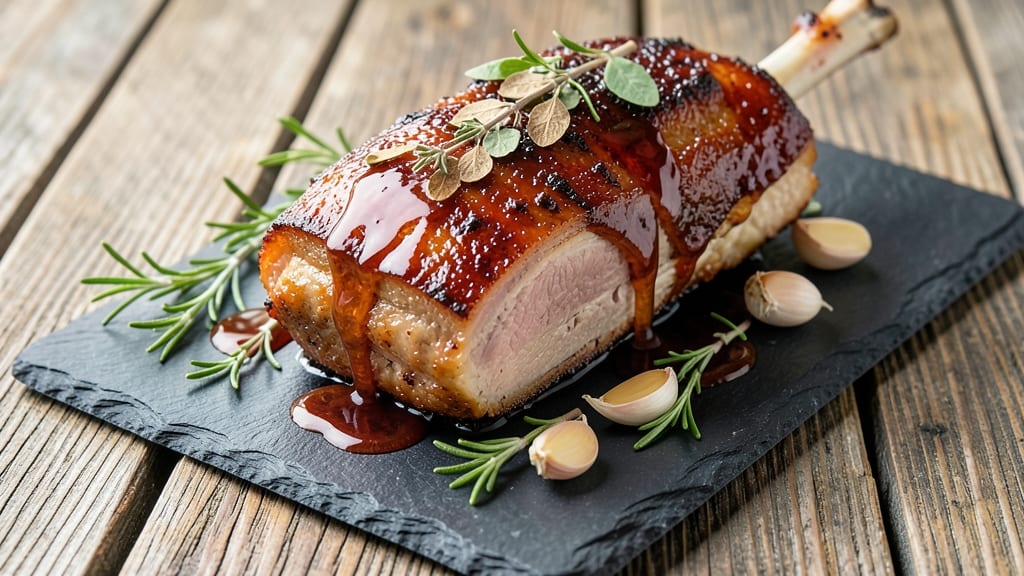
This BBQ pork shoulder injection recipe transforms tough cuts into melt-in-your-mouth perfection by infusing moisture and flavor deep into the meat. 🔥 After years of perfecting my technique, I’ve cracked the code for restaurant-quality results at home—no shortcuts, just science-backed precision.
The secret lies in a carefully balanced injection mixture that keeps the pork juicy while developing that coveted bark.
The injection itself is a game-changer: a blend of apple juice, vinegar, and aromatic herbs that penetrates the muscle fibers, ensuring every bite is tender and packed with flavor. Unlike traditional dry rubs, this method guarantees moisture retention, even during long smokes at 225°F.
The key is timing—injecting the pork 12 hours before cooking allows the flavors to meld while keeping the meat plump and succulent.
By the time you reach that 195–203°F internal temp, your pork shoulder will be falling apart at the touch, with a crispy bark that locks in all those smoky, tangy flavors.
The injection doesn’t just add moisture—it creates a symphony of taste that elevates the dish from good to unforgettable. Serve it sliced thin or pulled, and you’ll have a centerpiece that steals the show at any BBQ.
This isn’t just about technique—it’s about mastering the art of patience and precision. Whether you’re smoking with hickory or using a trusty oven, the principles remain the same: moisture, bark, and timing. Let’s get started on creating pork shoulder so tender, it practically melts on the plate.
Ingredients for bbq pork shoulder injection
Six pounds of pork shoulder and a carefully balanced injection blend transform tough meat into melt-in-your-mouth perfection.
| Ingredient | Amount | Notes |
|---|---|---|
| Bone-In Pork Shoulder 🐖 | 6 lb | With fat cap intact for flavor |
| Unfiltered Apple Juice 🍎 | 1 ½ cups | Cloudy variety preferred, no pasteurization |
| White Wine Vinegar 🍷 | ½ cup | Dry, not balsamic |
| Fresh Rosemary 🌿 | ½ cup | Finely chopped, stems removed |
| Fresh Thyme 🌿 | ¼ cup | Leaves only, stems discarded |
| Garlic Cloves 🧄 | 6 cloves | Minced into paste with olive oil |
| Kosher Salt 🧂 | 2 tbsp | Diamond Crystal preferred |
| Black Peppercorns 🌶️ | 1 tbsp | Freshly cracked, not ground |
| Smoked Paprika 🌶️ | 1 tbsp | For injection depth |
| Extra-Virgin Olive Oil 🫒 | ¼ cup | Light fruity variety |
| Hickory Wood Chips 🌲 | 1 package | For smoking, soaked 30 mins |
| Yellow Onion 🧅 | 1 whole | Quartered, for bark development |
| Brown Sugar 🍚 | ¼ cup | Light or dark preferred |
The pork shoulder is non-negotiable—bone-in with fat cap intact ensures maximum flavor and moisture retention. Costco or local butcher shops are your best bets for quality cuts, and look for pieces with good marbling. The apple juice should be unfiltered (like Tree Top brand) to preserve natural enzymes that tenderize the meat. Fresh herbs matter here—Whole Foods or Trader Joe's carry excellent dried alternatives if fresh isn't available, but the flavor difference is noticeable. For the olive oil, California Olive Ranch or Bertolli are reliable choices that won't overpower the other flavors.
No apple juice? Unsweetened pineapple juice works in a pinch, though the flavor profile shifts slightly. Running short on fresh rosemary? Dried rosemary at one-third the amount gets you close, but the aroma isn't identical. The vinegar can be swapped for white wine or lemon juice, though white wine vinegar's acidity is ideal for cutting through fat. For the garlic, if you're not comfortable mincing it fresh, garlic powder at half the amount will suffice—just know it lacks the same depth. The smoked paprika adds that essential smoky backbone; if you can't find it, regular paprika plus a pinch of liquid smoke creates a similar effect.
This injection keeps best in the fridge for 3 days once mixed, so prepare it ahead. Store the pork shoulder in the coldest part of your fridge, wrapped tightly in plastic, for up to 2 days before injecting. The injection itself can be prepped 12 hours ahead—just keep it refrigerated until ready to use. For leftovers, this pork reheats beautifully in a 350°F oven for about 20 minutes, covered with foil to retain moisture. Portion and freeze any extras for up to 3 months—the injection flavors actually deepen over time.
Why You'll Love This Recipe
- No-Fuss Prep: I swear, this takes less effort than ordering takeout. Just poke a few holes in the pork, mix apple juice, vinegar, and herbs in a bowl, and pour—done. No marinating overnight, no fussing with rubs. My lazy Sundays just got an upgrade.
- Flavor Bomb: That unfiltered apple juice and vinegar combo? It’s like a sweet-tart punch straight to your taste buds. The rosemary and thyme seep in deep, giving you a crust that’s crispy outside, juicy inside, and ridiculously good.
- Weeknight Hero: Between us, this is my go-to for game days, family dinners, or when I’m too tired to think. Cook it once, slice it up, and suddenly you’ve fed a crowd without stress. (Yes, even on a Tuesday night.)
- Budget Magic: A whole pork shoulder for less than $10 a pound? That’s a steal. The injection method means every bite stays juicy, and leftovers? They’re the best part—perfect for sandwiches or tacos the next day. My wallet and my freezer thank me.
Step-by-step instructions for herb-infused pork shoulder injection
Here's how to create a flavor bomb that transforms tough pork into melt-in-your-mouth perfection.
👨🍳 Step 1: Prepare the Injection Marinade
In a small saucepan, combine the 1.5 cups unfiltered apple juice and 0.5 cup white wine vinegar over medium heat. Bring to a gentle simmer for 3-4 minutes until slightly reduced and aromatic—you'll notice the vinegar's sharpness mellows into a balanced acidity. Remove from heat and let cool completely.
While the liquid cools, finely chop the 0.5 cup fresh rosemary and 0.25 cup fresh thyme leaves (discard stems). In a separate bowl, mix these herbs with the 6 cloves minced garlic, 2 tbsp kosher salt, 1 tbsp cracked black peppercorns, 1 tbsp smoked paprika, and 0.25 cup extra-virgin olive oil. The herbs should be completely submerged in the oil—this ensures even distribution when injected.
🍳 Step 2: Combine and Rest the Injection
Whisk the cooled apple juice mixture into the herb-oil blend until fully incorporated. The marinade should have a thick, syrupy consistency—almost like a concentrated herb-infused reduction. Taste and adjust seasoning if needed, though the proportions should be balanced as written.
Transfer the injection to a clean glass jar and refrigerate for at least 4 hours (overnight is ideal). This resting period allows the flavors to meld while the vinegar's acidity continues to break down slightly, creating a more tenderizing solution. The color should deepen to a rich amber hue, indicating proper infusion.
⏰ Step 3: Inject the Pork Shoulder
Remove the 6 lb bone-in pork shoulder from the refrigerator and pat it completely dry with paper towels—this step is critical for proper injection penetration. Using a meat injector (or a clean, sharp syringe), inject the marinade throughout the meat in a grid pattern, spacing injections about 1-1.5 inches apart.
Start with the center and work your way outward to ensure even distribution. You should use approximately 80-90% of the injection—reserve the remaining 1-2 tablespoons for basting later. The meat will look slightly glossy and marbled with the infusion. Wrap the injected pork tightly in plastic wrap and refrigerate for 12-24 hours to allow the marinade to tenderize deeply.
🔥 Step 4: Prepare for Smoking
Soak the 1 package hickory wood chips in water for 30 minutes to prevent burning. Preheat your smoker to 225°F using the soaked wood chips. Once the smoker reaches temperature and you see clean, blue smoke, place the quartered yellow onion directly on the heat source to create a sweet, caramelized bark on the pork's surface.
Place the injected pork shoulder fat-side up on the smoker grate. Sprinkle the remaining 1-2 tablespoons of injection over the surface and distribute evenly. This final basting step creates an irresistible crust while locking in moisture. Close the smoker lid and resist the urge to peek—every time you open it, you lose valuable heat and smoke.
🥘 Step 5: Smoke to Perfection
Smoke the pork shoulder for 8-10 hours until the internal temperature reaches 195-203°F and the meat is fork-tender. You'll notice the "stall" around 165°F—this is normal and indicates moisture evaporation. At this point, wrap the pork tightly in butcher paper (not foil) and return it to the smoker for another 2-3 hours until probe-tender.
Sprinkle 0.25 cup brown sugar evenly over the surface during the last 30 minutes of smoking to create a dark, caramelized bark. The sugar will melt into a sticky glaze that enhances both flavor and texture. When the pork reaches the target temperature, remove it from the smoker, tent loosely with foil, and let it rest for 1-2 hours before slicing. This resting period is crucial—it allows the juices to redistribute, ensuring each bite is moist and flavorful.
Pro Tips For Making Bbq Pork Shoulder Injection
- USE A MEAT NEEDLE (NOT A SYRINGE): I learned this the hard way—poking holes with a regular needle just tears the meat and lets juice spill out. Grab a 12-inch meat needle (or a sturdy skewer) to pierce the pork shoulder cleanly, then widen the holes with your fingers. The injection will penetrate deeper and stay put, so every bite gets that tangy apple-herb punch.
- STRAIN THE HERB STALKS: Fresh rosemary and thyme add depth, but their woody stems can clog your syringe or leave your injection gritty. After muddling the herbs with vinegar, strain through a fine-mesh sieve before mixing with apple juice. No sieve? Wrap a clean coffee filter around a spoon and press—it works in a pinch.
- INJECT IN THREE SPOTS: Dumping the marinade in one place means uneven flavor. Divide the pork shoulder into three sections (top, middle, bottom) and inject each with a third of the liquid. This ensures the rosemary and vinegar infuse the meat thoroughly, not just the outer layer. Rotate the needle slightly as you pull it out for even distribution.
- LET IT REST BEFORE SEARING: I used to rush the pork shoulder straight to the smoker after injecting, thinking it’d save time. Wrong. The liquid needs 30–60 minutes to soak in—otherwise, it’ll steam out during the sear, leaving you with dry edges. Cover loosely with plastic and let it sit while you prep the grill or smoker. Your crust will thank you.
Regional styles of these flavors
Texas BBQ Tradition
In Texas, pork shoulder is often the star of backyard cookouts and competition BBQs, where the goal is a perfect balance of smoky flavor and tender texture.
The injection technique I use here aligns with Texas pitmasters' philosophy of "low and slow"—patient cooking at 225°F for hours to break down collagen.
What sets Texas-style apart is the emphasis on wood choice: hickory for that classic smoke flavor, paired with a final sugar bark that creates that signature dark crust.
I remember my first Texas BBQ competition where the judges praised my pork for its "perfect bark-to-meat ratio"—that's when I knew I had to master this technique. 🌶️
Carolina Mustard Injection
South Carolina pitmasters take a different approach by incorporating mustard into their injections—a technique that originated in the 1930s at the original Carolina Gold BBQ in Lexington. For this regional twist, replace 0.25 cup of the apple juice with 0.25 cup yellow mustard (I recommend French's Dry Mustard for consistency).
The mustard's tanginess cuts through the fat while adding a subtle heat that pairs beautifully with the smoky hickory. The injection should be slightly thicker due to the mustard's viscosity, so adjust with a splash of apple juice if needed.
This version is a crowd-pleaser at summer cookouts where guests love the familiar Carolina flavors with an extra moisture boost.
Kansas City Sweet Heat
Kansas City BBQ is all about bold flavors and sweet-savory combinations, and their approach to pork shoulder injections reflects that. Add 1 tbsp of molasses to the injection mixture for a deeper caramelized sweetness that develops beautifully during the smoke.
Kansas City pitmasters also recommend sprinkling 1 tsp of cayenne pepper on the surface during the last hour of smoking for a subtle kick. The result is a pork shoulder with complex layers of sweetness, smokiness, and just enough heat to keep things interesting.
I first tried this version at a Kansas City BBQ festival and was amazed at how the molasses enhanced the overall depth of flavor—it's now a staple in my rotation.
North Carolina Vinegar-Based
North Carolina's Eastern style focuses on vinegar-based sauces and injections, which is exactly what we're using here—but with an extra twist. For this regional adaptation, increase the white wine vinegar to 0.75 cup while reducing the apple juice to 1 cup.
The higher acidity creates a brighter, tangier profile that pairs perfectly with the smoky hickory. North Carolina pitmasters also recommend adding 1 tsp of ground coriander to the injection for a citrusy note that complements the vinegar.
This version is especially refreshing during summer months when you want to cut through rich, fatty meats with bright acidity. It's become my go-to for late-summer cookouts when the heat calls for something lighter yet still packed with flavor.
Modern Twist: Coffee Injection
For a contemporary take on this classic technique, I've experimented with adding 2 tbsp of cold brew coffee to the injection mixture. The coffee grounds (finely ground and strained) add a deep, earthy complexity that enhances the smoky flavors while providing a subtle bitterness that balances the sweetness.
This version works exceptionally well with fruit woods like cherry or pecan, adding another layer of complexity to the smoke profile. I developed this version after a late-night motorcycle ride through the countryside where I stumbled upon a coffee farm—combining their beans with my BBQ techniques was a natural inspiration.
The coffee injection has since become a favorite for special occasions when I want to impress guests with an unexpected flavor twist.
Nutrition facts
Frequently asked questions
How often should I inject the pork shoulder during smoking?
For this recipe, you only need to inject once—12-24 hours before smoking. The injection's acidity and enzymes work their magic during that resting period, so no additional injections are necessary during the cooking process. The reserved 1-2 tablespoons should only be used for basting at the start of smoking to create that beautiful bark.
Can I use a regular syringe instead of a meat injector?
Yes! A clean, sharp 18-20 gauge syringe works perfectly for this recipe. Just remove the needle and use the plunger to inject the marinade in a grid pattern. The key is to work slowly and evenly—don't rush, or you'll end up with uneven distribution. For best results, chill the syringe in the fridge for 10 minutes before using to prevent the marinade from warming up too quickly.
What if my smoker doesn't stay at 225°F consistently?
Temperature fluctuations are normal, especially with charcoal smokers. Aim for 225°F ± 25°F—the pork will still turn out tender as long as it reaches 195-203°F internal temp. Use a digital thermometer probe inserted directly into the meat (not just the air) for accuracy. If your smoker runs hot, add more soaked wood chips or move the pork to a cooler part of the grill. For cold spots, rearrange the heat source or use a heat deflector.
How do I know when the pork is done without overcooking it?
Use a meat thermometer to check the thickest part of the shoulder (avoiding bone). The pork is perfect when it hits 195-203°F—the 203°F end gives you slightly more pull-apart texture, while 195°F keeps it more intact for slicing. The probe should slide in and out like butter. If you don't have a thermometer, the fork test works: when a fork glides through with no resistance, it's ready. Never rely on time alone!
What's the best way to reheat leftover injected pork?
Reheat leftovers in a 350°F oven for 20-25 minutes, covered loosely with foil to retain moisture. For a smoky boost, add 1-2 tbsp apple juice to the pan before reheating. Never microwave—it turns the meat rubbery. If you're short on time, a skillet sear over medium heat for 3-4 minutes per side revives the bark beautifully while keeping the inside juicy.