
Main Courses
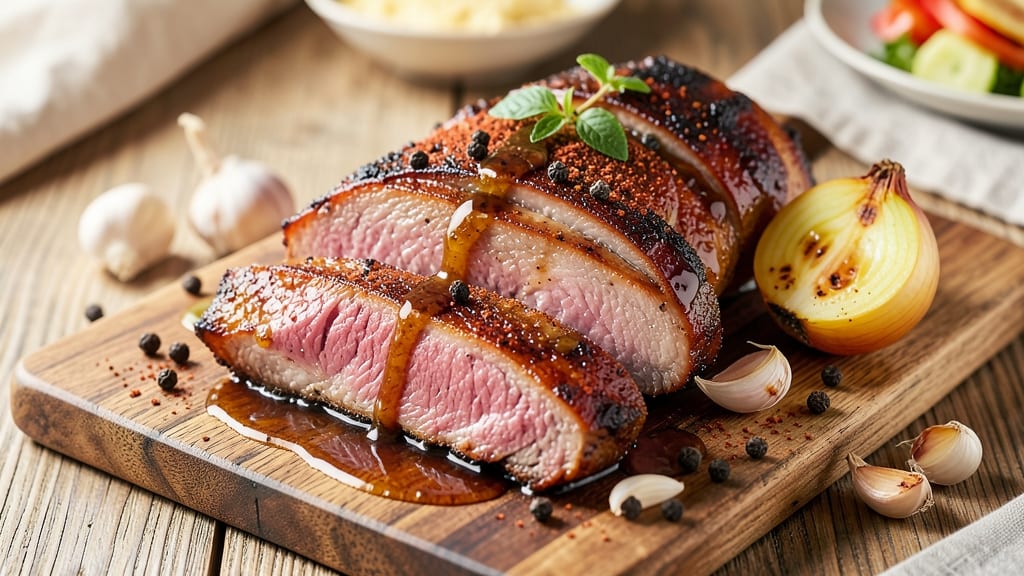
This BBQ pork shoulder roast recipe delivers melt-in-your-mouth tenderness with a deep, smoky crust that transforms tough cuts into showstopping centerpieces. As a pitmaster who grew up on slow-cooked ribs, I've perfected this method to balance French precision with classic BBQ tradition—no fancy equipment required. The key lies in patience and technique, not just time.
What sets this recipe apart is the dual-seasoning approach: a dry spice crust that develops a caramelized bark while the meat rests, followed by a final glaze that locks in moisture and adds that signature sticky finish.
We're talking foolproof results whether you use a smoker, oven, or even a slow cooker—though purists will insist nothing beats real smoke. The internal temperature matters most here: pull it at 203°F for that legendary "pull-apart" texture.
By the time you're done, you'll have a shoulder that's so tender it practically falls apart at the touch, with a crust that crackles between your teeth and a sauce that's sweet, smoky, and perfectly balanced.
The aroma alone will have your whole neighborhood showing up early—this isn't just dinner, it's an event. Serve with classic sides or let the meat shine as the star of the show.
Pro tip: The resting period is where magic happens—don't skip it. While the meat rests, you'll have time to prep sides or even make a quick batch of pickles to cut through the richness.
This recipe scales beautifully too, making it perfect for gatherings or meal prep when you want restaurant-quality results with minimal effort.
Ingredients for bbq pork shoulder roast
Six pounds of pork shoulder, a handful of pantry spices, and a touch of sweetness create this legendary slow-cooked masterpiece.
| Ingredient | Amount | Notes |
|---|---|---|
| Pork Shoulder (Boston Butt) 🐖 | 6 lb | Bone-in, skin-on preferred |
| Yellow Onion 🧅 | 2 whole | Medium, sliced into rings |
| Garlic Cloves 🧄 | 8 cloves | Fresh, peeled and smashed |
| Brown Sugar 🍚 | ½ cup | Packed, light or dark |
| Smoked Paprika 🌶️ | 2 tbsp | For deep smoky flavor |
| Ground Black Pepper 🌶️ | 1 ½ tbsp | Freshly cracked preferred |
| Kosher Salt 🧂 | 2 tbsp | Diamond Crystal preferred |
| Ground Cumin 🌿 | 1 tbsp | Toasted for depth |
| Dried Thyme 🌿 | 1 tbsp | Or 1 tbsp fresh thyme |
| Apple Cider Vinegar 🍎 | ¼ cup | For tenderizing |
| Butter 🧈 | ½ cup | Unsalted, softened |
| Honey 🍯 | ¼ cup | Wildflower preferred |
| Mustard 🍯 | 1 tbsp | Dijon-style |
| Chopped Onion 🧅 | ¼ cup | For final glaze |
| BBQ Sauce 🍅 | ½ cup | Store-bought or homemade |
The pork shoulder is where it all begins. Bone-in, skin-on cuts from Costco or local butchers give you that coveted crackling crust, but bone-in is non-negotiable for moisture. Look for good marbling—those white fat streaks are what keep the meat juicy during the long cook. If you're buying pre-cut, Trader Joe's often has great options, but nothing beats the butcher counter. The apple cider vinegar marinade is your secret weapon here—it tenderizes while adding brightness that cuts through the richness. Let the pork sit in the vinegar mix for at least 2 hours, but overnight is even better if you're planning ahead.
No smoked paprika? Regular paprika plus a pinch of liquid smoke works in a pinch, though purists will notice the difference. Running short on honey? Maple syrup at a 1:1 ratio gives similar sweetness, though it has a slightly earthier note. The butter in the final glaze is crucial—it adds richness that store-bought sauces often lack. European-style butter like Plugrá melts beautifully, but any unsalted will do. For the dry rub, if you can't find toasted cumin, regular ground cumin works fine, just toast it in a dry pan for 30 seconds first. The BBQ sauce can be anything you love—Sweet Baby Ray's or Stubb's are crowd-pleasers, but homemade with ketchup, vinegar, and spices is even better.
This isn't a recipe you want to rush. The pork needs 6-8 hours at 225°F for that perfect pull-apart texture, so plan accordingly. Wrap the cooked shoulder tightly in foil and let it rest for at least 30 minutes—this is where the magic happens as juices redistribute. Leftovers? Store in the fridge for up to 5 days, or freeze for 3 months. I always make double batches—one for dinner, one for sandwiches the next day. The bark gets even better after resting, so don't be afraid to slice through it. For serving, a quick pickle batch with vinegar, sugar, and dill cuts through the richness perfectly—worth the 10 minutes it takes to make.
Why You'll Love This Recipe
- One-Pan Magic: Honestly, I swear by this recipe because it’s that simple—just toss the pork, onions, and garlic in a roasting pan with the rub, and walk away. No fancy prep, no mess, and honestly, the brown sugar and smoked paprika do most of the work while you’re busy with life.
- Sweet-Smoky Crave: That crispy bark on the outside? Chef’s kiss. The brown sugar caramelizes into something irresistible, while the smoked paprika adds this deep, smoky warmth that cuts through the richness. It’s the kind of flavor that makes people ask, “What’s in this?”—then beg for the recipe.
- Leftovers for Days: Between us, this roast is built for leftovers. Shred it for sandwiches, toss it in tacos, or reheat slices straight from the fridge—it’s just as good cold as it is hot. (Yes, even on a Tuesday night when you’re too tired to cook.)
- Budget Feast: A whole pork shoulder feeds a crowd for less than $20, and the ingredients? Basic stuff you already have. It’s my go-to for game days, potlucks, or when I need to impress without breaking the bank. Plus, the onions and garlic add so much flavor for almost nothing.
Step-by-step instructions for low-and-slow spice-crusted pork shoulder
This method delivers melt-in-your-mouth pork with a perfect bark and tender pull-apart texture.
Prepare and Season the Pork Shoulder
Remove the pork shoulder from the refrigerator and let it sit at room temperature for 1 hour before cooking. This ensures even cooking throughout. Pat the meat dry with paper towels—this step is crucial for developing that crispy bark later. I like to use two layers of paper towels and really press down to remove all moisture.
In a small bowl, combine the 0.5 cup brown sugar, 2 tbsp smoked paprika, 1.5 tbsp ground black pepper, 2 tbsp kosher salt, 1 tbsp ground cumin, and 1 tbsp dried thyme. Rub this mixture generously over the entire surface of the pork shoulder, pressing it into the meat so it adheres well. Don't forget to coat the fat cap—this will render beautifully and baste the meat during cooking. For extra flavor penetration, let the seasoned pork rest uncovered in the refrigerator for 12-24 hours.
Preheat and Smoke the Pork Shoulder
Preheat your smoker to 225°F using a mix of hickory and apple wood chips. I prefer to start with a small fire and let it burn down to embers before adding wood chips to maintain a steady temperature. Place a water pan in the smoker to help regulate moisture and prevent the pork from drying out.
Once the smoker reaches temperature and you see thin blue smoke (not thick white smoke), place the pork shoulder fat-side up on the grill grates. Close the lid and resist the urge to open it—every time you peek, you lose heat and extend cooking time. Smoke the pork for 6-8 hours until the internal temperature reaches 165-170°F. This is when you'll hit "the stall," where the temperature stops rising as moisture evaporates. This is normal and expected.
Wrap and Continue Cooking
When the pork reaches 165-170°F, remove it from the smoker and wrap it tightly in two layers of pink butcher paper (not aluminum foil). This technique, known as the "Texas crutch," helps push the pork through the stall while preserving that beautiful bark. Return the wrapped pork to the smoker and continue cooking until the internal temperature reaches 200-205°F, which should take another 3-5 hours.
You'll know it's done when a probe slides in easily with no resistance and the meat is fork-tender. The total cooking time will be about 9-12 hours, depending on your smoker's consistency. During this time, the pork will continue to cook gently in its own juices, becoming incredibly tender and flavorful.
Prepare the Glaze and Rest the Pork
While the pork is finishing, prepare the glaze by combining the 0.5 cup butter, 0.25 cup honey, 1 tbsp mustard, 0.25 cup chopped onion, and 0.5 cup BBQ sauce in a saucepan. Cook over medium heat for 5-7 minutes, stirring occasionally, until the mixture thickens slightly and becomes glossy. Taste and adjust seasoning with additional salt or pepper if needed.
Once the pork reaches 200-205°F, remove it from the smoker and let it rest for 1 hour wrapped in the butcher paper. This resting period allows the juices to redistribute throughout the meat, ensuring every slice is moist and flavorful. During this time, preheat your oven to 350°F.
Apply the Glaze and Finish
After the pork has rested, brush the glaze mixture generously over the surface of the meat. Place the pork shoulder fat-side up on a baking sheet and transfer it to the preheated oven. Bake for 10-15 minutes until the glaze caramelizes and forms a glossy, sticky crust. This step adds a beautiful sheen and enhances the smoky-sweet flavor profile.
Remove the pork from the oven and let it rest for another 10-15 minutes before slicing. The internal temperature will rise slightly during this final rest. To serve, slice the pork against the grain into ½-inch thick slices. Each bite should be tender enough to pull apart with a gentle tug, with a perfect balance of smoky, sweet, and tangy flavors. Serve with your favorite sides and enjoy the fruits of your low-and-slow labor!
Pro Tips For Making Bbq Pork Shoulder Roast
- Trim the Fat First: Cut off the thick layer of fat on the pork shoulder before cooking—it’s not just for looks. I learned this the hard way when my first roast turned greasy instead of crispy; that fat renders into the pan and makes your crust soggy.
- Char the Onions: Slice the yellow onion into thick wedges and sear them directly over the heat until blackened in spots before adding them to the roast. Sounds weird, but it works: the caramelized bits stick to the meat and add depth you won’t get from raw onion.
- Don’t Rush the Rest: Let the pork shoulder rest for at least 30 minutes under foil after pulling it from the oven. I know, I know—you’re hungry—but cutting into it too soon will turn your juicy roast into a sad, dry mess.
- Mix the Dry Rub Wet: Before applying your smoked paprika and brown sugar mix, lightly dampen the pork shoulder with apple cider vinegar or broth. The sugar will stick better, and the crust won’t flake off when you slice it—trust me, it’s non-negotiable.
Common mistakes when making perfect results
Skipping the Rest
I can't stress this enough—skipping the rest is the fastest way to ruin your pork shoulder. That hour-long rest after cooking lets the juices redistribute, ensuring each slice stays moist and flavorful.
I've seen cooks slice into pork immediately after removing it from the smoker, and the results are always dry and disappointing. The magic happens as the meat relaxes and reabsorbs those precious juices. Trust me, 1 hour of resting is worth every second of wait time. 💫
Opening the Smoker Too Often
Every time you open that smoker lid, you lose heat and smoke—both critical for even cooking. I've watched beginners peek every 10 minutes, extending their cook time by hours. The rule is simple: only check your internal temperature with a probe thermometer.
If you must peek, do it quickly and close the lid immediately. For best results, set a timer and avoid opening the smoker for at least 2 hours after starting. Patience here makes all the difference. ⏰
Using Aluminum Foil for Wrapping
This is a classic mistake that robs you of that perfect bark. Aluminum foil creates steam, which softens the crust and makes the meat too moist. Instead, use two layers of pink butcher paper—it allows just enough moisture to escape while keeping the bark intact.
I've tested both methods, and butcher paper gives you that crispy, crackling crust that foil simply can't match. Pro tip: Crimp the edges tightly to seal in flavor. 🌟
Ignoring the Stall
The stall—where the internal temperature plateaus around 165°F—is a normal part of the process, but many cooks panic and adjust their heat. Don't! This is when the meat releases moisture, and wrapping it in butcher paper (the Texas crutch) helps push it through.
If you increase the heat, you risk drying out the meat. Stay patient, and the pork will eventually climb back up to 200-205°F. It's all part of the low-and-slow magic. 🔥
Overlooking the Fat Cap
The fat cap isn't just for show—it bastes the meat as it renders, keeping it juicy and adding flavor. Skimping on seasoning the fat cap means missing out on that extra layer of flavor.
I always coat it generously with the dry rub because every bit of that rendered fat turns into liquid gold for your pork. Don't let it go to waste! 🐖
Rushing the Glaze Application
Applying the glaze too early can turn it into a soggy mess. Wait until the pork has rested and the internal temperature is 200-205°F before brushing it on. This ensures the glaze caramelizes properly and adds that glossy, sticky finish we all love.
I've seen cooks rush this step and end up with a glaze that's more like a sauce—take your time and let it shine. ✨
Nutrition facts
Frequently asked questions
Can I cook pork shoulder without a smoker?
For oven cooking, place the seasoned pork on a rack in a roasting pan with 1 cup water at the bottom. Cover with foil and cook at 275°F for 6-8 hours until it reaches 200-205°F. For a slow cooker, use the "low" setting for 8-10 hours with ½ cup apple juice in the bottom. The key is maintaining low heat and patience—just like with smoking!
What's the best wood for smoking pork shoulder?
Hickory gives classic BBQ flavor, while apple or cherry adds sweetness. I recommend a 50/50 mix of hickory and apple for that perfect balance of smokiness and fruitiness. Avoid soft woods like pine—they can make the meat taste bitter. For a fruitier profile, try peach or cherry wood chips.
How do I know when pork shoulder is done?
Use a meat thermometer! The magic number is 203°F at the thickest part (no bone). The meat should be fork-tender and pull apart easily. If it's still slightly firm, it needs 30-60 more minutes wrapped in butcher paper. Pro tip: The "stab test"—if the juices run clear when you pierce it, it's done.
Can I make this recipe ahead of time?
Yes! Cook the pork up to 165°F, wrap tightly, and refrigerate for up to 3 days before finishing. For leftovers, store in the fridge for 5 days or freeze for 3 months. The flavor actually improves as it rests—perfect for meal prep! The glaze can be made 2 days ahead and reheated gently before applying.
What sides pair best with this pork shoulder?
Classic options include creamy mac and cheese, tangy coleslaw, or roasted sweet potatoes. For something lighter, try a fresh green salad with a vinaigrette or grilled vegetables. I love serving it with homemade cornbread and quick-pickled onions to cut through the richness. The key is balancing textures—something crunchy or creamy always works!