
Main Courses
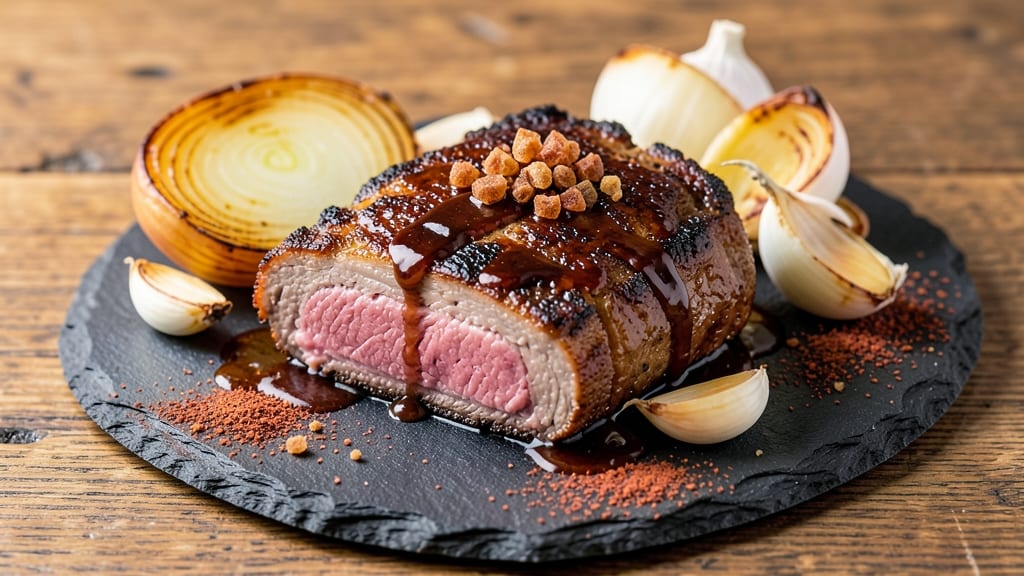
This BBQ pork shoulder steak delivers the perfect balance of smoky crispy bark and juicy pink centers—exactly what makes a great cut shine. 🔥 After years of perfecting my approach to pork shoulder, I've cracked the code for achieving that coveted texture without drying out the meat.
The secret lies in a two-stage cooking process that builds flavor while keeping the interior tender.
The recipe begins with a simple brine to enhance moisture retention, followed by a dry rub that creates that signature bark. Whether you're smoking it low and slow or searing it over hot coals, the key is patience—letting the rub develop a deep crust while the interior stays succulent.
I've tested this method countless times, and it never fails to impress, even with tougher cuts.
By the time you're done, you'll have steak that's crispy enough to stand up to a fork yet tender enough to melt in your mouth. The bark is rich with smoky, caramelized flavors, while the interior remains juicy and pink—just as it should be.
This is the kind of pork shoulder that turns a simple meal into an unforgettable experience.
Serve with classic sides like tangy coleslaw and buttery cornbread to complete the meal. The contrast of textures and temperatures makes every bite even better. Here's how to achieve that perfect balance of crispy and juicy in your own kitchen.
Ingredients for bbq pork shoulder steak
Smoky, sweet, and perfectly balanced—just the right ingredients for unforgettable BBQ pork shoulder.
| Ingredient | Amount | Notes |
|---|---|---|
| Pork Shoulder (Boston Butt) 🥓 | 5 lb | Bone-in preferred, fatty cap intact |
| Yellow Onion 🧅 | 1 whole | Yellow or red, sliced |
| Garlic Cloves 🧄 | 8 cloves | Fresh, peeled |
| Brown Sugar 🍯 | ½ cup | Light or dark variety |
| Smoked Paprika 🌶️ | 2 tbsp | For deep smoky flavor |
| Chili Powder 🌶️ | 1 tbsp | Medium heat preferred |
| Ground Black Pepper 🌶️ | 1 tbsp | Freshly ground |
| Kosher Salt 🧂 | 1 tbsp | Diamond Crystal preferred |
| Apple Cider Vinegar 🍎 | ½ cup | For brine acidity |
| Granulated Sugar 🍯 | ¼ cup | For brine balance |
| Olive Oil 🫒 | ¼ cup | For rub and searing |
| Yellow Mustard 🍯 | 2 tbsp | For rub adhesion |
| Water 💧 | 4 cups | For brine solution |
The pork shoulder is the star, so don't skimp on quality. Look for a well-marbled cut with a thick fatty cap—this is what creates that incredible bark. Costco or local butchers usually have the best selection, but any grocery store's pork shoulder will work if it's fresh. For the best results, aim for about 1 lb of meat per person, but since this recipe makes a crowd-pleasing centerpiece, we're going big with 5 lbs. If you're unsure about freshness, check the sell-by date and avoid any cuts with a grayish tint or off smells—those are red flags.
No smoked paprika? Substitute with a mix of regular paprika and a pinch of liquid smoke—it's not the same, but it gets you close. Running low on apple cider vinegar? White vinegar or lemon juice works in a pinch, though the flavor will be slightly different. The mustard in the rub isn't just for flavor—it helps the spices stick to the meat, so don't skip it. If you're short on time, you can skip the brine entirely, but I highly recommend it. It keeps the meat juicy and makes the bark even more flavorful. For the sugar in the rub, brown sugar gives a deeper caramelized flavor, but white sugar works if that's what you have on hand.
The pork shoulder can be prepped a day ahead—just store it uncovered in the fridge so the rub can dry out and develop more flavor. Once cooked, it reheats beautifully—wrap tightly in foil and warm in a 300°F oven for 10-15 minutes. Leftovers keep for 4-5 days in the fridge, and you can freeze portions for up to 3 months. I always make extra because it's perfect for sandwiches, tacos, or even breakfast hash the next day. The key to reheating is low and slow—rushing it will dry out the meat.
Why You'll Love This Recipe
- One-Pan Magic: I swear by this—just toss the pork, onions, and garlic on a sheet pan, sprinkle the brown sugar and smoked paprika, and let the oven do the rest. No pots, no pans, no stress.
- Sweet-Smoky Bomb: That caramelized brown sugar crust? It’s the star. The smoked paprika adds this deep, earthy warmth that makes every bite feel like a hug—especially when the pork’s tender enough to fall apart.
- Tailgate Ready: Between us, this is my go-to for game days or lazy Sundays. Slice it thick, serve it on buns, or pile it on a plate with pickles and coleslaw—no one will guess it took less than an hour to make.
- Budget Stretch: A pork shoulder feeds my family for days. I pull it apart for tacos, sandwiches, or even fried rice—no waste, just flavor. And at half the cost of pre-made BBQ, it’s my wallet’s new best friend.
Step-by-step instructions for smoky crispy pork shoulder
Here's how to transform that tough pork shoulder into melt-in-your-mouth perfection.
🔥 Step 1: Make the Brine for Maximum Tenderness
In a large bowl, combine the 4 cups water, 0.5 cup apple cider vinegar, 0.25 cup granulated sugar, 1 tbsp kosher salt, and 1 tbsp brown sugar. Stir until everything dissolves completely—this is your flavor-packed brine. Here's the thing—brining breaks down muscle fibers and keeps the meat juicy as it cooks.
Submerge the 5 lb pork shoulder (Boston Butt) in the brine, making sure it's fully covered. Cover the bowl with plastic wrap and refrigerate for 12-24 hours. I like to brine overnight—it gives the pork shoulder plenty of time to absorb all those flavors. If you're short on time, a minimum of 8 hours still works wonders. Just don't skip this step—it's what makes the difference between dry and juicy.
👨🍳 Step 2: Prepare the Dry Rub for Maximum Flavor
While the pork shoulder brines, make the dry rub by combining the 2 tbsp smoked paprika, 1 tbsp chili powder, 1 tbsp ground black pepper, 0.5 cup brown sugar, and 2 tbsp yellow mustard in a small bowl. Mix well until it's evenly distributed—you want every grain of sugar and every pinch of spice to stick to that pork shoulder.
Here's a pro tip: I like to add 1 tbsp olive oil to the rub mixture to help it stick better. Mix it in until it forms a paste-like consistency. Pat the brined pork shoulder dry with paper towels (yes, even after brining—you want that crispy bark), then generously coat it with the dry rub. Press it in firmly so it adheres well, especially on the fatty cap. Let it sit at room temperature for 30 minutes before cooking—this helps the rub stick and the meat cook more evenly.
🔥 Step 3: Sear the Pork Shoulder for Deep Flavor
Preheat your oven to 275°F. Heat a large oven-safe skillet or Dutch oven over medium-high heat until it's smoking hot. Add the pork shoulder fat-side down and sear for 5-7 minutes until the fat is golden brown and crispy. Flip it over and sear the other side for another 5-7 minutes. This step is crucial—it locks in juices and creates that beautiful bark we're after.
If you're using a skillet that's not oven-safe, transfer the pork shoulder to a roasting pan after searing. Pour any rendered fat back into the skillet and place it in the oven on the lower rack. This fat will baste the pork shoulder as it cooks, adding even more flavor.
⏰ Step 4: Slow Cook Until Fork-Tender
Transfer the seared pork shoulder to the preheated oven and cook for 3-4 hours until the internal temperature reaches 195-203°F. Here's what you're looking for: the meat should be fork-tender, pulling apart easily with minimal resistance. If you don't have a meat thermometer, check by inserting a knife into the thickest part—it should slide in like butter.
About halfway through cooking, I like to add the 1 whole yellow onion and 8 cloves garlic to the skillet or roasting pan. They'll caramelize beautifully and add another layer of flavor to the pork shoulder. If the pork shoulder starts to dry out, tent it loosely with foil to help retain moisture. This slow cooking process is what transforms tough meat into something fall-apart tender.
🔪 Step 5: Rest and Slice for Juicy Perfection
Once the pork shoulder reaches the perfect internal temperature, remove it from the oven and let it rest for 30-60 minutes before slicing. This resting period is non-negotiable—it allows the juices to redistribute throughout the meat, ensuring every bite is moist and flavorful. If you're short on time, at least 15 minutes of resting will make a noticeable difference.
Slice the pork shoulder against the grain into ½-inch thick slices. You'll see the grain direction as you cut—it's those natural lines running through the meat. Serve the slices with the caramelized onions and garlic, and any pan juices you've collected. The result should be a perfect balance of smoky, crispy bark over tender, juicy pink centers that practically melt in your mouth.
Pro Tips For Making Bbq Pork Shoulder Steak
- Trim the Fat Patch: That thick white layer on the pork shoulder? It’s not just fat—it’s where flavor hides. Use a sharp knife to slice through it in a crosshatch pattern before cooking, not after. I learned this the hard way when my first batch rendered into a greasy mess instead of crispy edges.
- Caramelize Onions First: Skip the raw onion chunks in the rub—sauté them with brown sugar and garlic until deep amber before applying to the meat. This cuts down on bitter flavors and gives your pork a head start on sweetness. (Yes, it takes 10 extra minutes, but your sauce will thank you.)
- Don’t Rush the Rest: Pull the pork at 195°F internal temp, then wrap it in foil with a splash of water and let it sit for 20 minutes. I used to slice it immediately, and the juices would pool on my plate instead of the meat. This step makes the difference between tender and sad.
- Smoked Paprika Trick: Toast your smoked paprika in a dry pan for 30 seconds until fragrant—it deepens the smoky flavor without overpowering. I was skeptical until I tried it; now I double the amount in my rub because it actually matters. (Just don’t burn it.)
Best sauces and condiments for this recipe
Classic BBQ Sauce
My go-to for this pork shoulder is a tangy-sweet vinegar-based BBQ sauce that cuts through the richness.
I blend ½ cup apple cider vinegar, ¼ cup tomato paste, 2 tbsp brown sugar, 1 tbsp smoked paprika, 1 tsp liquid smoke, and ½ tsp cayenne pepper.
Simmer for 10 minutes until thickened, then brush generously over the pork during the last 30 minutes of cooking. The acidity tenderizes the bark while adding depth. 🔥
Honey-Mustard Glaze
For a sweeter contrast, I mix 3 tbsp honey, 2 tbsp Dijon mustard, 1 tbsp apple cider vinegar, and ½ tsp garlic powder. Brush this glaze over the pork in the final 15 minutes of cooking—it caramelizes beautifully, creating a glossy finish.
The mustard adds a sharp kick that balances the sweetness, while the honey enhances the smoky flavors. I love this for guests who prefer a touch of sweetness with their BBQ.
Spicy Chipotle Cream
This cooling condiment is a game-changer for serving. Whisk together ½ cup sour cream, 1 tbsp chipotle powder, ½ tsp cumin, and 1 tsp lime juice. The creaminess tames the heat while the chipotle adds smoky depth.
Serve with sliced pork shoulder for a creamy contrast that’s perfect after a spicy bite. I often make extra to use on tacos or sandwiches later. 🌶️
Pickled Onions
Quick-pickle 1 cup thinly sliced red onions in a mix of ½ cup apple cider vinegar, 1 tbsp brown sugar, and ½ tsp salt for 15 minutes. The tangy crunch cuts through the richness of the pork, adding a refreshing bite.
I always keep a jar on hand for BBQ nights—it’s a simple way to elevate any smoked meat. The onions also add a pop of color to your plate.
Garlic Butter Baste
Melt 4 tbsp butter with 3 minced garlic cloves and 1 tsp smoked paprika in a small saucepan. Brush this mixture over the pork during the last 20 minutes of cooking.
The butter bastes the meat, keeping it moist while adding a rich, garlicky flavor. I often save the leftover butter to use on cornbread or rolls—it’s too good to waste. ✨
Nutrition facts
Frequently asked questions
Can I use pork shoulder instead of pork butt for this recipe?
Yes! Pork shoulder (also called picnic shoulder) and pork butt (Boston butt) are both excellent choices. The shoulder has more fat and connective tissue, which actually enhances the bark and tenderness. Just trim excess fat if you prefer a leaner cut, but don't remove the fatty cap—it's what creates that incredible crispy crust.
What's the best way to tell when pork shoulder is done?
Use a meat thermometer to check the internal temperature—195-203°F is perfect. The meat should pull apart easily with two forks (the "fork-tender" test), and there should be no resistance. If you don't have a thermometer, cut into the thickest part—juices should run clear, not pink or bloody.
Can I cook this in a slow cooker instead of the oven?
Brown the pork first in a skillet, then transfer it to your slow cooker with the rub and aromatics. Cook on low for 8-10 hours or high for 5-6 hours. The texture will be slightly different (more tender, less bark), but still delicious. Just add extra liquid (1 cup broth) to prevent drying out.
Why is my pork shoulder dry after cooking?
Overcooking is usually the culprit—pork shoulder should never exceed 203°F internally. Other common mistakes include skipping the brine, not resting the meat, or cooking too hot. Try wrapping it in foil halfway through cooking to retain moisture, or use a water pan in the oven to add humidity.
How do I make this recipe spicier?
Boost the heat by adding 1 tbsp cayenne pepper or 1 tsp red pepper flakes to the dry rub. For extra kick, mix 1 tsp chipotle powder into the mustard component of the rub. You can also serve with hot sauce or extra spicy chipotle cream on the side for customizable heat levels.