
Sauces & Condiments
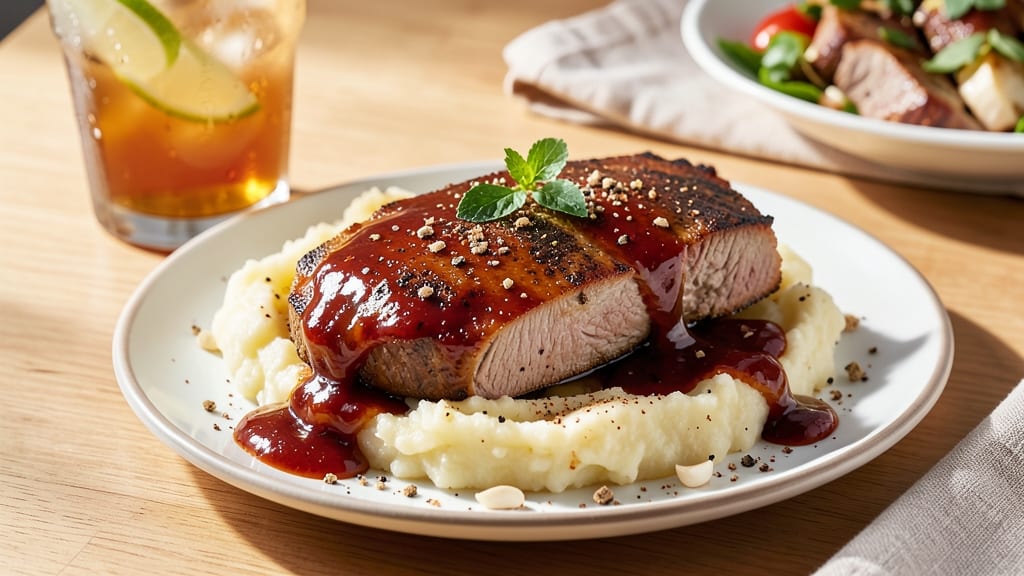
This bbq sauce recipe for pork loin delivers the perfect balance of deep smoky flavor and subtle heat that transforms simple pork into a showstopping centerpiece. 🔥 The secret lies in slow-simmering tomato paste, apple cider vinegar, and a touch of molasses for that signature caramelized depth, while smoked paprika and cayenne create just the right kick without overpowering the natural sweetness of the meat.
What sets this sauce apart is its versatility—use it as a glaze for crispy pork loin, a basting sauce for tender roasted cuts, or even a dipping sauce for pulled pork.
The recipe builds layers of flavor through a 30-minute simmer, allowing the spices to meld and the vinegar to mellow into a rich, velvety consistency. No artificial ingredients here, just bold, authentic barbecue taste that pairs perfectly with grilled, smoked, or oven-roasted pork.
The sauce thickens beautifully as it cooks, creating a glossy finish that caramelizes into a sticky, flavorful crust when brushed onto meat. It also stores well in the fridge for up to 2 weeks or can be canned for long-term use, making it a pantry staple for any BBQ enthusiast.
Whether you're hosting a backyard cookout or meal prepping for the week, this sauce elevates every bite of pork loin into something unforgettable.
Ready to make your pork the star of the meal? This sauce is your secret weapon—foolproof, flavor-packed, and impossible to resist. Let’s get cooking!
Ingredients for bbq sauce recipe for pork loin
Nine ingredients blend smoky depth and balanced heat for pork loin that shines.
| Ingredient | Amount | Notes |
|---|---|---|
| Tomato Paste 🍅 | ½ cup | San Marzano preferred for sweetness |
| Apple Cider Vinegar 🍏 | ½ cup | Bragg preferred for authentic tang |
| Molasses 🍯 | 2 tbsp | Unsulfured for deeper flavor |
| Smoked Paprika 🌶️ | 2 tbsp | High-quality for authentic smokiness |
| Cayenne Pepper 🔥 | 1 tsp | Adjust for preferred heat level |
| Garlic Cloves 🧄 | 4 cloves | Freshly minced for aromatic depth |
| Onion Powder 🧅 | 1 tbsp | Diamond Crystal preferred |
| Brown Sugar 🍚 | ½ cup | Light or dark preferred |
| Black Peppercorns 🌶️ | 1 tsp | Freshly cracked for texture |
| Extra-Virgin Olive Oil 🫒 | 2 tbsp | High-quality for richness |
The San Marzano tomato paste is non-negotiable for that authentic sweetness—Trader Joe's or Whole Foods carry it in tubes, which are perfect for this recipe. Bragg apple cider vinegar delivers the right tang without overpowering, though any quality vinegar works. For molasses, unsulfured is key—Whole Foods or Penzeys offer the best options. The smoked paprika should be from a reputable brand like Penzeys or McCormick—cheap versions lack that deep, smoky aroma. Garlic and onion powder should be freshly ground if possible, as pre-ground spices lose potency quickly. The brown sugar adds caramelization, so don't skimp—Domino light or dark works perfectly.
No San Marzano tomato paste? Crushed tomatoes work in a pinch, but reduce them first to thicken. Balsamic vinegar can substitute for apple cider vinegar, though the flavor will shift slightly. Maple syrup replaces molasses at a 1:1 ratio, though it lacks the deep bitterness. Sweet paprika can stand in for smoked, but you'll lose some of that campfire essence. Garlic powder works if fresh isn't available, but use half the amount—it lacks the moisture and depth of fresh. For heat, red pepper flakes can replace cayenne, though they add a different texture. The olive oil is purely for richness; avocado oil works just as well if you prefer a neutral base.
This sauce thickens as it cooks, so simmer uncovered to prevent splattering. Store in an airtight container in the fridge for up to 2 weeks, or freeze for 3 months. The flavors deepen over time, making it perfect for meal prep. For a glossy finish, add a splash of water or vinegar before serving. If the sauce separates, simply stir in a teaspoon of cornstarch mixed with water to restore its velvety consistency. Always taste as you go—adjust sweetness or heat to your preference.
Why You'll Love This Recipe
- Pantry Magic: I swear by this sauce because it uses stuff I already have—no last-minute grocery runs. That thick, smoky depth from the tomato paste and smoked paprika? It transforms a simple pork loin into something that tastes like it simmered all day.
- Sweet Heat Balance: Between us, the molasses and cayenne pepper create this perfect push-pull of flavors. Sweet enough to make your mouth water, but the vinegar and cayenne cut through it just enough to keep it interesting. (Yes, even my picky husband asks for seconds.)
- Weeknight to BBQ Hero: This sauce works for everything—throw it on pork loin for dinner, slather it on grilled chicken for a picnic, or even drizzle it over baked beans. Honestly, I’ve used it for all three in the same week, and it never lets me down.
- Leftovers That Shine: The best part? It keeps like a dream. I make a big batch, store it in the fridge, and use it for days—no waste, no fuss. Plus, the vinegar and molasses help it stay fresh longer than store-bought sauces. My secret weapon for lazy Sundays.
Step-by-step instructions for crafting smoky pork loin BBQ sauce
This sauce delivers deep smoky complexity with balanced heat—perfect for glazing pork loin.
🍳 Step 1: Bloom the Spices in Olive Oil
Heat the 2 tablespoons extra-virgin olive oil in a medium saucepan over medium-low heat. Add the 2 tablespoons smoked paprika and 1 tablespoon onion powder, stirring constantly for 1-2 minutes until fragrant. This step develops the smoky depth that defines your sauce—don't rush it.
The spices should smell rich and earthy, not burnt. If you notice any darkening, immediately reduce the heat to low. Keep the pan moving to ensure even distribution. Here's the thing—properly bloomed spices create a flavor foundation that carries through the entire cooking process.
🍳 Step 2: Add Garlic and Brown Sugar
Increase heat to medium and add the 4 minced garlic cloves and ½ cup brown sugar. Stir for 30 seconds until the garlic becomes translucent and slightly golden. This quick cook prevents burning while maximizing flavor extraction.
Watch the sugar carefully—it should caramelize slightly at the edges but not burn. If you see any dark spots forming, immediately remove the pan from heat. The sugar will continue to dissolve as you add liquids, creating a smooth base for your sauce. This is where the sweetness starts building its balance with the eventual heat.
🥘 Step 3: Incorporate Wet Ingredients
Pour in the ½ cup apple cider vinegar and ½ cup tomato paste, stirring vigorously to combine. Bring to a gentle simmer over medium heat, then reduce to low. Let it cook uncovered for 10 minutes, stirring occasionally, until slightly thickened.
This simmering phase allows the acidity to mellow while the tomato paste develops its rich, umami depth. You'll notice the sauce darkening slightly—that's normal and indicates flavor development. The vinegar will seem to disappear as it cooks off, leaving behind a tangy backbone for your sauce. This is where the sauce transforms from raw ingredients to cohesive base.
🔥 Step 4: Build Complexity with Molasses and Heat
Add the 2 tablespoons molasses and 1 teaspoon cayenne pepper, stirring constantly. Return to a simmer and cook for 8-10 minutes until the sauce thickens to a glaze-like consistency. It should coat the back of a spoon but still flow freely when stirred.
Here's where the sauce comes together—molasses adds that deep, almost caramel-like richness while the cayenne introduces controlled heat. Taste as you go: you want the sweet, smoky, and spicy elements to harmonize. If it needs more heat, add a pinch more cayenne; if it needs sweetness, a touch more brown sugar. The sauce should be vibrant and complex, not one-dimensional.
⏰ Step 5: Finish and Rest
Remove from heat and stir in the 1 teaspoon freshly cracked black peppercorns. Let the sauce rest for 15 minutes at room temperature, stirring occasionally. This resting period allows flavors to meld and the texture to stabilize.
The sauce will thicken further as it cools—this is perfect for glazing. When ready, strain through a fine-mesh sieve if you prefer a smooth texture, or leave it slightly textured for added depth. This sauce will keep in the refrigerator for up to 2 weeks, making it ideal for batch preparation before your pork loin cook.
Pro Tips For Making Bbq Sauce Recipe For Pork Loin
- STIR CONSTANTLY AT FIRST: Simmering tomato paste without stirring is how you end up with a burnt glop stuck to the bottom. For the first 3-4 minutes, keep that spoon moving—especially if you’re using a nonstick pan, because tomato paste lies and clings like a stubborn ex.
- DILUTE THE MOLASSES: Skip the clumpy mess by thinning the molasses with a splash of apple cider vinegar (about 1 tablespoon per 2 tablespoons molasses) before adding it to the sauce. Trust me, you don’t want to fish out sugar crystals later like you’re panning for gold.
- TASTE BEFORE YOU ADD CAYENNE: That cayenne pepper is sneaky—what feels like a pinch now might taste like a ghost pepper after the sauce reduces. Test a spoonful of the base (before adding spices) first, then adjust. You can always add more heat, but you can’t take it out.
- SIMMER LOW AND LONG: Rushing this sauce turns it thin and one-dimensional. After the initial cook, drop the heat to a gentle simmer and let it reduce for at least 15 minutes—20 if you’re impatient (we all are). That’s when the flavors meld and the sugar in the molasses caramelizes into something magical.
Best sauces and condiments for these flavors
Glazing Pork Loin
Use this sauce as a final glaze for your pork loin by brushing it on during the last 10-15 minutes of cooking. The high heat will caramelize the sugars, creating a beautiful crust.
I like to apply it in 3 thin layers, allowing each to set before adding more. For extra shine, add a splash of water or apple cider vinegar before serving. 🔥
Basting Sauce
For juicy, flavorful pork loin, baste with the sauce every 5-7 minutes during roasting or grilling. Use a pastry brush to spread it evenly over the meat. The sauce will create a glossy finish while keeping the interior moist.
I often make a double batch—one for glazing and one for basting—to ensure I have enough for both techniques.
Dipping Sauce
Serve this sauce warm as a dipping sauce for pulled pork or sliced pork loin. Its balanced sweetness and smoky heat make it perfect for dunking. I like to keep it slightly thicker for dipping by reducing it an extra 5 minutes before serving.
For a restaurant-style presentation, drizzle it over the top of your pork slices before plating.
Marinade Base
Use this sauce as a marinade by thinning it with 1 cup apple cider vinegar or ½ cup orange juice. Marinate pork loin for 4-6 hours in the fridge before cooking.
The acidity tenderizes the meat while infusing it with deep flavor. Always remove the pork from the marinade and pat it dry before cooking to ensure a good sear.
Slow Cooker Enhancer
Add ½ cup of this sauce to your slow cooker when preparing pulled pork or pork shoulder. The sauce will blend into the meat as it cooks, creating a moist, flavorful result.
I recommend adding it during the last 1-2 hours of cooking to prevent over-saucing. This technique works especially well for large batches meant for meal prep.
Storage Tips
Store leftover sauce in an airtight container in the refrigerator for up to 2 weeks. For longer storage, freeze it in ice cube trays or small containers for easy portioning.
To reheat, warm gently on the stovetop over low heat, stirring occasionally. If the sauce thickens too much, add a splash of water or vinegar to restore its consistency. 💫
Nutrition facts
Frequently asked questions
Can I make this sauce without molasses?
Yes, you can substitute 2 tablespoons maple syrup or 1 tablespoon dark corn syrup for the molasses. These alternatives will add sweetness and depth, though molasses provides a unique caramel-like richness that's hard to replicate. The sauce will still taste delicious but may lack the same complex flavor profile.
How spicy should the sauce be?
The 1 teaspoon cayenne pepper provides a mild to moderate heat—adjust to your preference! For a milder sauce, reduce to ½ teaspoon or omit it entirely. For extra kick, add ½ teaspoon more cayenne or a pinch of red pepper flakes. Always taste as you go to balance sweetness and heat.
Can I use this sauce for other meats?
This sauce works beautifully on chicken, ribs, or even tofu for a smoky, sweet glaze. The balanced flavors complement grilled or roasted proteins. For poultry, reduce cooking time slightly (by 5 minutes) since it cooks faster than pork. For vegetarian options, try brushing it on portobello mushrooms or grilled vegetables.
Why does my sauce get too thick?
Sauces thicken as they cool, but if it becomes too thick while cooking, add 1-2 tablespoons water or vinegar to restore balance. For a glossy finish, simmer uncovered and stir occasionally. If the sauce separates, whisk in a slurry of 1 teaspoon cornstarch + 1 tablespoon water to smooth it out. Always taste and adjust—thickness should coat the back of a spoon but remain pourable.
How can I make this sauce smokier?
Boost the smokiness by adding ½ teaspoon liquid smoke or 1 extra tablespoon smoked paprika during Step 1. For a deeper charred flavor, lightly toast ½ teaspoon coffee grounds in the olive oil before adding other spices. Grilling or smoking the pork after glazing will also enhance the smoky notes—just brush on the sauce during the last 10 minutes of cooking.