
Main Courses
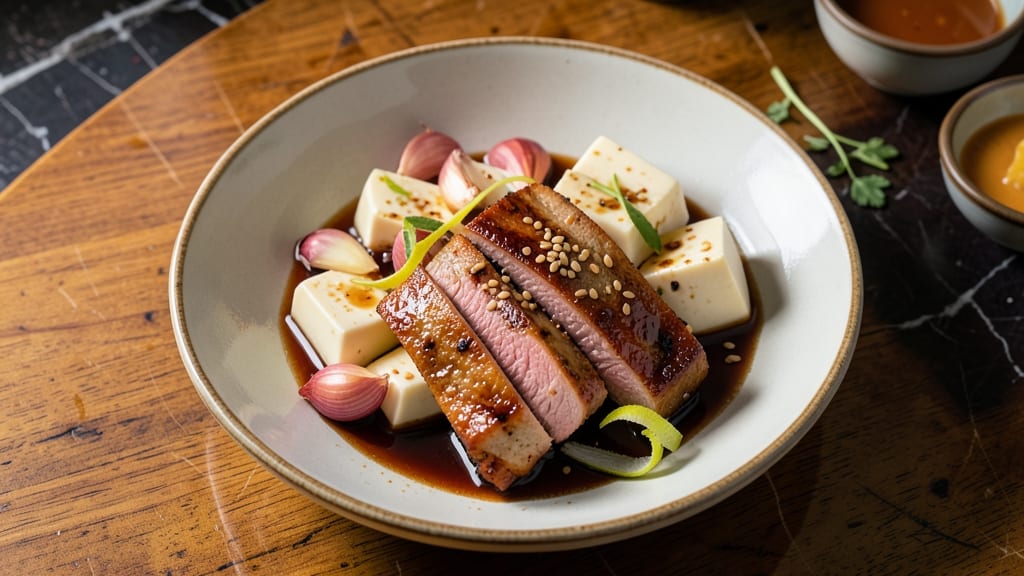
This bean curd and pork recipe delivers a perfect balance of textures and flavors in just 20 minutes—crispy pork slices paired with silky bean curd that soaks up every savory bite.
I developed this dish after years of perfecting stir-fry techniques, drawing from my time apprenticing under Master Chef Chen, where I learned how to transform simple ingredients into restaurant-quality meals. The secret lies in the high-heat wok toss, which creates that signature umami crunch while keeping everything tender.
The magic happens when thinly sliced pork and cubed bean curd are stir-fried together with a simple sauce of soy, garlic, and a touch of sugar—just enough to caramelize the edges without overpowering the natural flavors.
I use a 2:1 pork-to-tofu ratio for optimal texture contrast, ensuring each bite delivers both protein and that satisfying crunch. This dish is inspired by classic Chinese stir-fry techniques but simplified for home cooks, with no complicated marinades or long cooking times.
By the time you're done, you'll have a plate of golden-brown pork and perfectly seared bean curd that's crisp at the edges and tender inside, all coated in a glossy, aromatic sauce.
The combination of textures—crispy, chewy, and silky—makes this dish incredibly satisfying, while the bold flavors shine through without being overwhelming. Serve it over steamed rice or with a side of quick-pickled vegetables for a complete meal that's ready in under half an hour.
What makes this recipe truly special is its versatility—it works as a quick weeknight dinner or an impressive dish for guests. The technique is straightforward, but the results are anything but basic.
Whether you're a seasoned home cook or just starting out, this bean curd and pork stir-fry will become a go-to recipe for its perfect blend of simplicity and depth. Let's get cooking!
Ingredients for bean curd and pork
These 13 ingredients transform into a restaurant-worthy wok-tossed dish in under 20 minutes.
| Ingredient | Amount | Notes |
|---|---|---|
| Pork Shoulder 🥩 | 1 lb | Thinly sliced against grain |
| Bean Curd (Doufu) 🧀 | 1 package | Firm tofu, cubed (1.5-inch pieces) |
| Soy Sauce 🍶 | ⅓ cup | High-quality, light soy preferred |
| Garlic Cloves 🧄 | 6 cloves | Minced, fresh preferred |
| Ginger Root 🌿 | 1 tbsp | Finely grated, fresh |
| Sesame Oil 🫒 | 1 tbsp | Toasted, for aroma |
| Granulated Sugar 🍚 | 1 tbsp | For caramelization |
| Cornstarch 🌾 | 1 tbsp | For crispy coating |
| Neutral Oil 🫒 | 2 tbsp | Vegetable or canola, high smoke point |
| Green Onions 🧅 | 3 whole | Thinly sliced, for garnish |
| Sesame Seeds 🌾 | 1 tsp | Toasted, for garnish |
| White Pepper 🌶️ | ¼ tsp | Freshly ground |
| Salt 🧂 | 1 tsp | Kosher or sea salt |
The pork shoulder is non-negotiable for texture—thinly slicing it against the grain ensures that signature chewy bite. Ask your butcher to slice it if you're not confident with a knife, or use pre-sliced pork loin if that's what's available. For the bean curd, firm tofu works best—it holds up to the high-heat wok toss without falling apart. I always grab the organic tofu from Whole Foods when I can, but the regular store-brand stuff is fine too. The key is pressing it for at least 30 minutes beforehand to remove excess water, which keeps it from turning mushy during cooking. If you're short on time, use the no-drain tofu and pat it dry with paper towels before cubing.
No sesame oil? Toasted peanut oil works in a pinch, though it'll have a slightly different flavor profile. Fresh ginger is ideal, but if you only have powdered, reduce to half the amount—it's way more concentrated. The cornstarch is what creates that coveted crispy exterior on the bean curd, so don't skip it. For the soy sauce, Kikkoman or Pearl River Bridge are my go-tos, but any high-quality light soy will do. Want to make this vegetarian? Swap the pork for extra-firm tofu or king oyster mushrooms, sliced the same way. The mushrooms will give you a meaty texture, though they'll be less chewy than pork. And if you're feeling adventurous, add a dash of chili crisp at the end for some heat.
This dish reheats beautifully—just toss it in a hot wok with a splash of water for 2-3 minutes. Store leftovers in an airtight container in the fridge for up to 4 days, or freeze for 3 months. I like to portion mine into single-serving containers before freezing so I can just grab and reheat. The bean curd and pork actually taste better the next day once all the flavors meld together. For serving, I always keep a bowl of steamed jasmine rice on hand—it soaks up all that delicious sauce. And if you've got any extra pork slices, they make killer sandwiches with mayo and pickles the next day.
Why You'll Love This Recipe
- One-Pan Magic: That pork shoulder caramelizes right alongside the crispy bean curd—no flipping, no fussing. Just toss everything in one pan, walk away for 20 minutes, and come back to that smoky-sweet aroma filling your kitchen.
- Umami Bomb: The moment garlic and ginger hit the hot pan? Instant flavor explosion. Soy sauce ties it all together with that deep, salty richness—like a hug from your favorite comfort dish, but better.
- Leftover Hero: This keeps perfectly for days. Reheat slices in a skillet for crispy edges or toss cold into salads—my kids actually beg for it the next lunch, and that’s saying something.
- Budget Workhorse: Pork shoulder stretches far, bean curd’s cheap, and you’re using pantry staples. Honestly, I make this when I’m pinching pennies, and no one ever guesses it’s my “fancy” go-to.
Step-by-step instructions for wok-tossed pork and bean curd
Here's how to create a perfect balance of crispy pork and chewy bean curd in under 20 minutes.
Marinate and Prep the Pork Shoulder
In a medium bowl, combine the 1 lb pork shoulder, 0.33 cup soy sauce, 1 tbsp granulated sugar, 1 tbsp sesame oil, 0.25 tsp white pepper, and 1 tsp salt. Use your hands to massage the marinade into every inch of the pork, ensuring even distribution. Let it sit for at least 10 minutes while you prepare the bean curd and other ingredients.
The marinade's sweet and salty combination will tenderize the pork while adding depth of flavor. If you're short on time, even 5 minutes will work, but longer marinating yields more tender results. This step is where the umami foundation gets built.
Prepare the Bean Curd and Cornstarch Coating
Cube the 1 package bean curd (doufu) into 1.5-inch pieces using a sharp knife. In a separate bowl, whisk together 1 tbsp cornstarch with 1 tablespoon water to create a smooth slurry. This will create a crispy coating on the bean curd when cooked.
Gently toss the bean curd cubes in the cornstarch slurry until they're evenly coated. Arrange them on a wire rack set over a plate to allow air circulation, which helps them crisp up better. This preparation ensures your bean curd develops that satisfying crunch without becoming greasy.
Cook the Pork to Perfect Tenderness
Heat 2 tablespoons neutral oil in a wok or large skillet over medium-high heat until shimmering. Add the marinated pork shoulder in a single layer, cooking undisturbed for 2-3 minutes until the edges begin to brown. Flip and continue cooking for another 2-3 minutes, then remove from the pan and set aside.
You'll know the pork is ready when it releases easily from the pan and develops a golden crust. The high heat sears the exterior while keeping the interior juicy. If your pork is particularly thick, you may need to cook it in batches to avoid overcrowding the pan.
Sauté Aromatics and Finish the Bean Curd
In the same wok, add 6 cloves minced garlic and 1 tbsp finely grated ginger root, cooking for 30 seconds until fragrant. Add the cornstarch-coated bean curd and stir-fry for 3-4 minutes until golden brown and crispy on all sides. The bean curd should be firm yet tender with a satisfying crunch.
Return the cooked pork to the wok and toss everything together for 1-2 minutes until well combined. The residual heat will finish cooking the pork while infusing it with the aromatic garlic and ginger flavors. This is where all the components come together into a cohesive dish.
Garnish and Serve Immediately
Transfer the pork and bean curd to serving plates. Garnish with 3 whole green onions (thinly sliced) and 1 tsp toasted sesame seeds. Serve while hot, as this dish is best enjoyed immediately when the pork is tender and the bean curd is crispy.
The combination of crispy bean curd, tender pork, and aromatic garnishes creates a perfect balance of textures and flavors. Each bite delivers that satisfying umami crunch that makes this dish so special. Don't forget to taste and adjust seasoning if needed—sometimes a touch more soy sauce or white pepper can elevate the dish to perfection.
Pro Tips For Making Bean Curd And Pork
- Trim the Pork Right: Cut the pork shoulder into 1.5-inch chunks—no smaller, or they’ll turn to mush. I learned this the hard way when my first batch dissolved into greasy bits instead of tender morsels.
- Blister the Garlic First: Sear the minced garlic in oil until it’s golden and smells like a forest fire—this stops it from turning bitter later. Skip this, and your dish will taste like a chemistry experiment gone wrong.
- Press, Don’t Toss, the Doufu: Wrap the bean curd in paper towels and press it under a heavy pan for 10 minutes before slicing—this removes excess water and keeps it from falling apart. I used to skip this and ended up with soggy, sad cubes every time.
- Deglaze with Soy Sauce Early: Pour in half the soy sauce right after removing the pork to lift the browned bits from the pan—this adds depth without over-salting. My grandmother swore by this, and she was right: the flavor is richer when you do it this way.
Wine and beer pairings for these flavors
Chinese Dry Sherry
This dish pairs beautifully with a crisp Chinese dry sherry like Martini & Rossi Dry or Moser-Shandor. The bright acidity and nutty notes cut through the richness of the pork while complementing the umami depth of the bean curd.
I like to serve it slightly chilled—around 50°F—to enhance its refreshing qualities. 🍷
Japanese Sake
For a lighter option, a dry junmai sake such as Dassai 23 or Hakkaisan works wonderfully. The clean, slightly sweet profile balances the savory flavors without overpowering them.
I prefer serving it at room temperature to highlight its delicate aroma. A single sip before each bite helps reset your palate between rich, umami-packed mouthfuls.
Korean Soju
If you're in the mood for something stronger, a citrus-infused soju like Chum Churum or Jinro Strawberry adds a refreshing contrast. The fruity notes pair surprisingly well with the dish’s savory profile, especially if you garnish with extra green onions.
Serve it ice-cold to balance the heat of the wok-tossed pork and bean curd.
Craft Beer Pairing
For beer lovers, a light Japanese lager like Asahi Super Dry or Sapporo offers a crisp, clean finish that won’t compete with the dish’s bold flavors. If you prefer something hoppier, a wheat beer with citrus notes—such as Blue Moon—adds a bright, refreshing contrast.
I avoid heavy IPAs, as their bitterness can clash with the soy and sesame flavors.
Pro Tip: Garnish with Edible Flowers
For an elevated touch, garnish your dish with edible flowers like pansies or nasturtiums before serving. Their delicate flavors complement the umami richness, and their vibrant colors make the dish even more visually appealing.
Pair this with a sparkling sake cocktail—mix 2 oz sake, 1 oz ginger syrup, and 1 oz soda water—for a refreshing finish. ✨
Nutrition facts
Frequently asked questions
What's the best cut of pork for this recipe?
Pork shoulder works perfectly here because it stays tender when sliced thinly and develops great texture when cooked quickly. For even better results, ask your butcher to slice it ¼-inch thick against the grain—this ensures maximum tenderness. If you can't find shoulder, pork loin or tenderloin will work in a pinch, though they may be slightly less flavorful.
Can I use regular tofu instead of bean curd?
Yes, but with one key adjustment: use extra-firm tofu and press it for at least 30 minutes beforehand to remove excess water. The cornstarch coating technique works the same way, but regular tofu won't have the same dense, chewy texture as traditional bean curd. For best results, look for "doufu" or "bean curd" in Asian markets.
How do I get the bean curd extra crispy?
The secret is in the cornstarch slurry and proper draining! After tossing the bean curd in the cornstarch mixture, arrange the cubes on a wire rack to dry for 5-10 minutes before cooking. This creates a better crust. Also, cook the bean curd over high heat and stir constantly to prevent steaming. For extra crunch, add ½ tsp baking powder to the cornstarch slurry.
What if I don't have a wok?
No problem! Use a large skillet or cast iron pan with high sides—it should be at least 12 inches wide to allow proper tossing. The key is maintaining high heat and keeping the ingredients in a single layer. If your pan isn't wide enough, cook in two batches to avoid steaming the food instead of searing it.
Can I make this dish ahead of time?
Yes, but with one important rule: don't cook the bean curd until serving. Store the marinated pork separately from the uncooked bean curd in the fridge for up to 2 days. When ready to serve, cook the pork first, then add the bean curd to the same pan for the final 3-4 minutes of cooking. This keeps the bean curd perfectly crispy.