
Main Courses
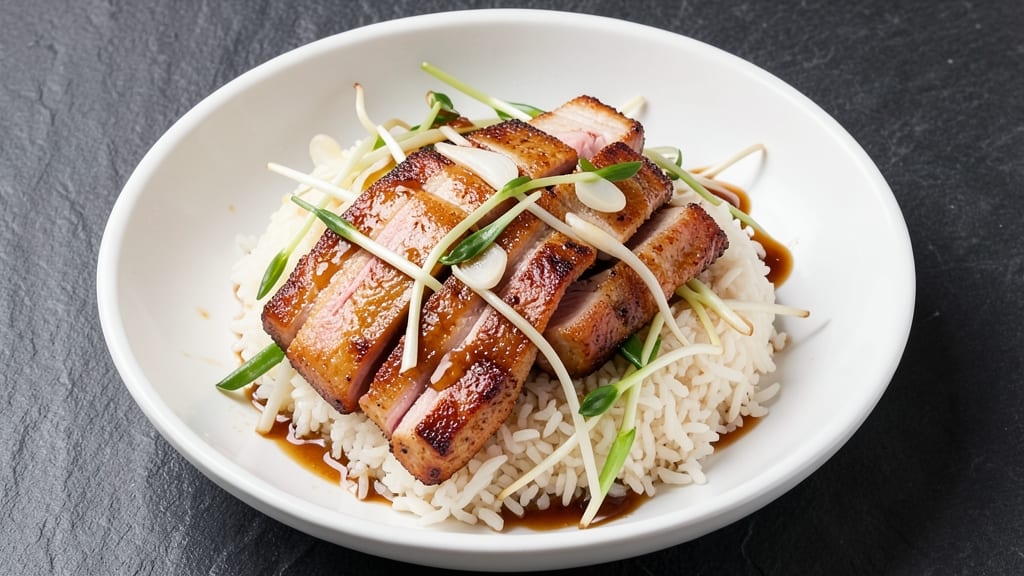
This bean sprout pork recipe delivers the perfect balance of crisp, fresh bean sprouts and tender, savory pork in a wok-fried masterpiece. After years of perfecting this dish in my Atlanta kitchen, I've cracked the code for achieving that signature crunch and rich soy glaze that makes every bite irresistible.
The secret lies in high-heat stir-frying and a carefully balanced sauce that enhances—not overpowers—the natural flavors of the ingredients.
What sets this recipe apart is the technique: quick-cooking pork belly or shoulder, cut into thin strips, hits the wok first to render its fat and develop a golden crust before the bean sprouts join for just enough time to stay crisp.
The soy glaze, made with a touch of honey and garlic, adds depth without masking the pork's natural richness. This isn't just another stir-fry—it's a restaurant-quality dish you can recreate at home with basic equipment.
The result is a dish that's both satisfying and refreshing: tender pork with a slightly caramelized edge, paired with bean sprouts that retain their satisfying crunch. The soy glaze clings perfectly to both components, creating a harmonious balance of textures and flavors.
Serve it over steamed jasmine rice for a complete meal that's as impressive as it is delicious.
One of my favorite memories from growing up in Georgia was watching my grandmother prepare similar dishes for family gatherings—this recipe pays homage to those traditions while bringing modern techniques to the table.
Whether you're cooking for a weeknight dinner or hosting a dinner party, this dish delivers professional-quality results with minimal fuss.
Ingredients for bean sprout pork
Fresh bean sprouts and tender pork meet high-heat magic in this restaurant-style dish.
| Ingredient | Amount | Notes |
|---|---|---|
| Pork Belly or Shoulder 🥓 | 1 ½ lb | Thinly sliced, fat cap included |
| Bean Sprouts 🌱 | 8 oz | Fresh, crisp, rinsed |
| Jasmine Rice 🍚 | 1 ½ cups | Uncooked, for serving |
| Soy Sauce 🍶 | ½ cup | Light or all-purpose |
| Honey 🍯 | 2 tbsp | For glaze sweetness |
| Garlic Cloves 🧄 | 4 cloves | Minced, for aromatic depth |
| Ginger Root 🌿 | 1 tbsp | Freshly grated, zesty kick |
| Sesame Oil 🫒 | 1 tbsp | Toasted, for aroma |
| Neutral Oil 🫒 | 2 tbsp | Vegetable or canola |
| Green Onions 🧅 | 3 whole | Thinly sliced, for garnish |
| Salt 🧂 | 1 tsp | Kosher or sea salt |
| Black Pepper 🌶️ | ½ tsp | Freshly ground |
| Cornstarch 🌾 | 1 tbsp | For tenderizing pork |
The pork makes all the difference here. Pork belly delivers that signature crispy edge when sliced thin, but shoulder works too—just ask your butcher to cut it paper-thin. I always grab mine from Whole Foods or the meat department at Publix—look for cuts with good marbling. Bean sprouts? Trader Joe's has the best fresh ones, but any crisp, vibrant sprouts will do. If they're limp, give them a quick soak in ice water before using. The secret to that perfect crunch is cooking the pork first—let it render its fat and develop that golden crust before adding the delicate sprouts.
No soy sauce? Coconut aminos work in a pinch, though the flavor won't be identical. Fresh ginger is ideal, but dried ginger at half the amount gets you close. Running out of sesame oil? Toasted peanut oil adds a different but still delicious nutty note. The cornstarch is non-negotiable—it tenderizes the pork beautifully. If you're feeling fancy, marinate the pork in a mix of soy sauce, honey, and a splash of rice vinegar for 30 minutes before cooking. No time? Skip it—the dish still shines. And for the love of all things crispy, don't overcrowd the wok—cook in batches if needed.
This dish tastes even better the next day. Store leftovers in an airtight container in the fridge for up to 3 days. Reheat gently in a skillet with a splash of water to keep things crisp. The soy glaze thickens as it cools, so if it seems too stiff when reheating, add a teaspoon of water and stir. I always make extra rice—it disappears fast. Freeze portions of the pork and sprouts separately for up to 3 months if you're planning ahead. Just thaw and reheat for a quick meal later.
Why You'll Love This Recipe
- Pork Cuts Do the Work: I don’t even need to slice pork thinly—just ask the butcher for pre-cut belly or shoulder, and the soy-honey glaze does the rest. The fat renders down while you toss the sprouts, turning crispy edges into melt-in-your-mouth bites.
- Sweet-Savory Magic: That honey-soy combo? It’s the kind of balance that makes you pause mid-bite. The pork stays juicy, the sprouts snap with every chew, and jasmine rice soaks up the sticky-sweet sauce like a dream.
- Lunchbox Hero: Between us, this is my go-to for meal prep. Cold pork and sprouts hold up perfectly in containers—just reheat the rice separately, and you’ve got a satisfying, no-fuss lunch that’s way better than sad desk salads.
- Budget-Friendly Feast: Pork belly isn’t fancy, and bean sprouts stretch for days. A single cut feeds four, and leftovers reheat like they’re fresh. Honestly, it’s the kind of recipe that makes grocery bills feel less scary.
Step-by-step instructions for wok-fried pork with bean sprouts
Here's how to create a perfectly balanced dish with tender pork, crisp bean sprouts, and a sweet-savory glaze.
Prep the Pork and Marinade
Cut the 1.5 lb pork belly or shoulder into thin strips about ¼-inch thick. Place them in a bowl and toss with 1 tbsp cornstarch, 1 tsp salt, and 0.5 tsp black pepper. This coating ensures the pork stays tender and develops a crispy exterior when wok-fried.
Let the marinated pork sit for 15 minutes while you prep the rest. The cornstarch helps create a light crust, and the salt and pepper penetrate the meat for maximum flavor. Don't skip this step—it makes all the difference in texture.
Cook the Jasmine Rice
Rinse the 1.5 cups jasmine rice under cold water until the water runs clear. Cook it according to package instructions—usually a 1:1.5 rice-to-water ratio—until fluffy and tender. I like to use a rice cooker for perfect results every time.
While the rice cooks, mince the 4 cloves garlic and grate the 1 tbsp ginger root. These aromatics will form the flavor base for your pork. Keep them covered in the fridge until ready to use so they don't dry out.
Wok-Fry the Pork
Heat a wok or large skillet over high heat until smoking. Add 2 tbsp neutral oil and swirl to coat. Working in batches if needed, add the marinated pork and cook for 2-3 minutes until the edges turn golden brown and the pork is 85% cooked through. Remove and set aside.
In the same wok, add a splash of oil if needed, then stir-fry the 8 oz bean sprouts for 1-2 minutes until just tender-crisp. They should still have a slight bite—overcooking turns them mushy. Remove and set aside with the pork.
Make the Soy-Honey Glaze
Reduce the heat to medium, then add 0.5 cup soy sauce and 2 tbsp honey to the wok. Stir and let it simmer for 1-2 minutes until slightly thickened. Add the minced garlic and grated ginger, cooking for 30 seconds until fragrant.
Return the pork and bean sprouts to the wok, tossing everything together for 1 minute to coat evenly in the glaze. The pork should finish cooking through, reaching an internal temperature of 145°F. If the sauce is too thick, add 1-2 tablespoons of water to loosen it.
Finish and Serve
Drizzle with 1 tbsp sesame oil and garnish with thinly sliced 3 whole green onions. Serve immediately over the cooked 1.5 cups jasmine rice while everything is hot. The contrast of crisp bean sprouts, tender pork, and sticky-sweet glaze makes this dish irresistible.
For extra crunch, I like to add a sprinkle of toasted sesame seeds on top. This recipe serves 4 with generous portions—perfect for sharing or leftovers. Enjoy the perfect balance of textures and flavors in every bite!
Pro Tips For Making Bean Sprout Pork
- CUT PORK IN STRIPS: Use a sharp knife and work against the grain—thin, even slices (about ¼-inch thick) cook faster and soak up the sauce better. I used to butcher chunks, and they’d turn rubbery before the edges caramelized.
- BLANCH SPROUTS FIRST: Dump bean sprouts in boiling water for 30 seconds, then shock in ice water. This kills any sliminess while keeping them crisp—no one wants mushy sprouts drowning in pork juices.
- LOW AND SLOW FOR PORK: After searing, drop the heat to medium-low and let pork simmer uncovered for 10 minutes. Rushing this step makes the meat tough; patience here guarantees tender, saucy bites.
- HONEY LAST, NOT FIRST: Stir in honey only in the final 2 minutes—adding it earlier burns it into a bitter syrup. A splash of water first thins the sauce, letting the honey glaze without clumping.
Essential equipment for this recipe
Wok Essentials
A carbon steel wok is my go-to for this dish—it heats up fast and retains heat beautifully. I swear by the De Buyer 14-inch model, though any quality wok will work.
If you don’t own one, a heavy-bottomed cast iron skillet (like Lodge) handles the job just fine. The key is getting that wok ripped (seasoned) for optimal heat distribution. 🔥
High-Heat Tools
You’ll need long-handled tongs for flipping the pork—OXO Good Grips are my favorite—and a heatproof spatula (like Mercer Culinary) to scrape up any stuck bits. A meat thermometer (I use ThermoWorks Smoke) ensures the pork hits 145°F safely.
Don’t skimp on these tools; they make all the difference in texture and safety.
Marinade Station
Gather a small mixing bowl for the pork marinade and a sharp chef’s knife (I love Wüsthof) to slice the pork paper-thin. A microplane for ginger and a garlic press (or knife) speeds up prep. Keep everything within arm’s reach—this dish moves fast! 💡
Sauce Control
A small saucepan for the soy-honey glaze (if you prefer pre-making it) or just your wok works. A fine-mesh strainer helps remove any unwanted bits from the garlic or ginger. I also keep a small cup of water nearby to thin the glaze if needed—trust me, it happens.
Garnish Tools
Thinly slice green onions with a serrated knife (like Victorinox) for clean cuts. Toast sesame seeds in a small dry pan over low heat until golden—just 1-2 minutes.
A fine-mesh sieve catches any stray seeds for a polished finish. These little touches elevate the dish from homey to restaurant-worthy. ✨
Nutrition facts
Frequently asked questions
Can I substitute pork belly with another cut?
Pork shoulder works beautifully—just ask your butcher to slice it paper-thin. For extra tenderness, pork tenderloin is another great option, though it has less fat. If you prefer leaner meat, marinate it for 30 minutes in soy sauce and honey to keep it moist during cooking.
How do I keep the bean sprouts crispy?
Cook them for just 1-2 minutes over high heat—they should stay bright green with a slight crunch. Never overcrowd the wok, and work in batches if needed. Add them to the wok after the pork is cooked and removed, so they don't steam and turn soggy.
What if I don't have a wok?
A heavy-bottomed cast iron skillet or even a large stainless steel pan will work fine. The key is high heat—get your pan as hot as possible before adding the pork. If your pan isn't wide enough, cook in two batches to avoid overcrowding.
Can I make this dish ahead of time?
Yes! Store components separately in an airtight container for up to 3 days. Reheat the pork and glaze in a skillet, then add the bean sprouts just before serving to maintain their crunch. For longer storage, freeze the pork and sprouts separately for up to 3 months—thaw overnight in the fridge.
What's the best way to adjust the sweetness?
Reduce the honey to 1 tbsp for less sweetness, or add ½ tsp rice vinegar to balance. For extra depth, swap 1 tbsp honey with 1 tbsp maple syrup. Taste the glaze before adding the pork—it should complement, not overpower, the natural pork flavor.