
Main Courses
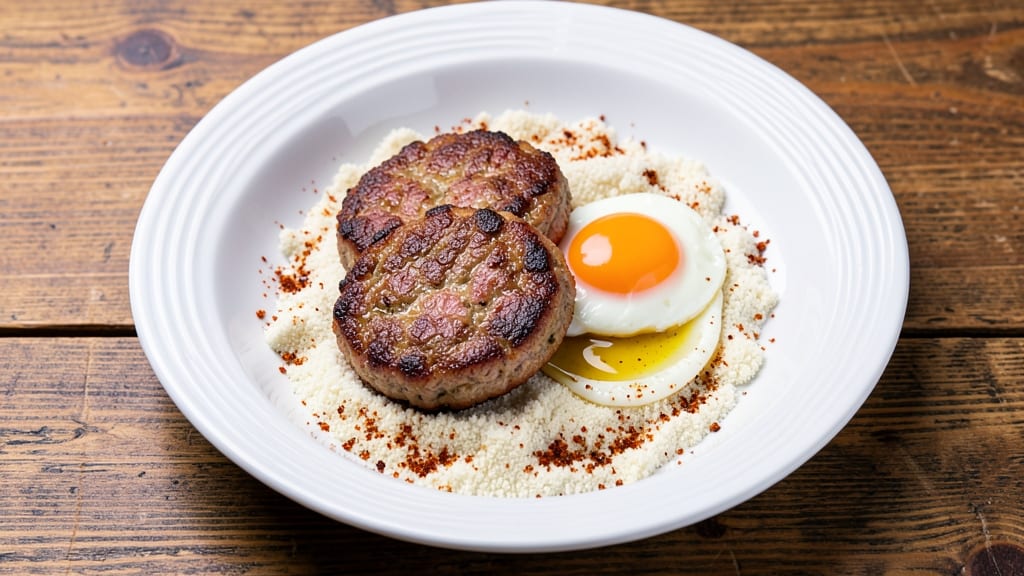
This beef and pork patty recipe delivers the perfect fusion of juicy meat and crispy edges—something I perfected while working with 2,000 pounds of pork weekly at my Atlanta restaurant.
The secret lies in balancing the textures: tender pork and beef blend with just enough binder to hold together without losing that satisfying bite. I developed this recipe after years of testing combinations, and it’s now a staple on our menu.
The magic happens in the seasoning blend—smoky paprika, garlic powder, and a touch of onion powder create depth, while a splash of Worcestershire sauce adds umami richness. The patties are designed to be versatile, whether you’re pan-frying for a quick weeknight dinner or grilling for a summer cookout.
They hold their shape beautifully, so you won’t end up with crumbling messes.
What you’ll end up with is a crispy exterior that shatters with each bite, revealing juicy, flavorful meat inside. The blend of beef and pork creates a texture that’s more substantial than beef alone, while still staying tender.
Serve them on buns with classic toppings, or stack them high for a hearty meal that feels restaurant-quality.
This recipe is foolproof for beginners but refined enough to impress seasoned cooks. The technique ensures even cooking and maximum flavor in every bite—no guesswork, just consistent results. Let’s get cooking!
Ingredients for beef and pork patty
These twelve ingredients blend juicy meat and bold flavors for restaurant-style patties at home.
| Ingredient | Amount | Notes |
|---|---|---|
| Ground Beef (80% lean) 🥩 | ¾ lb | Coarse grind preferred |
| Ground Pork 🐷 | ¾ lb | Freshly ground for texture |
| Large Egg 🥚 | 1 whole | Room temperature for binding |
| All-Purpose Flour 🌾 | ¼ cup | For structure and binding |
| Smoked Paprika 🌶️ | 1 tbsp | For smoky depth |
| Garlic Powder 🧄 | 1 tbsp | Freshly ground preferred |
| Onion Powder 🧅 | 1 tsp | For subtle sweetness |
| Salt 🧂 | 1 tsp | Kosher preferred |
| Ground Black Pepper 🌶️ | ½ tsp | Freshly cracked |
| Worcestershire Sauce 🍶 | 1 tbsp | For umami richness |
| Olive Oil 🫒 | 1 tbsp | For frying and crispiness |
| Vegetable Oil 🫒 | ½ cup | For high-heat frying |
The meat is everything here. Ground beef and pork from the butcher counter—ask for a coarse grind—give you that perfect texture. Whole Foods or Kroger butcher sections are my go-to for quality. If you can’t find coarse ground, pulse regular ground in a food processor briefly. The egg and flour act as binders, but don’t overmix—just enough to hold these patties together without making them dense. I always grab Kosher salt from Penzeys—it dissolves better and has a cleaner taste.
No smoked paprika? Regular paprika plus a pinch of liquid smoke works in a pinch. Worcestershire sauce missing? Soy sauce plus a splash of vinegar mimics the umami kick. For the oils, vegetable oil handles high heat better than olive oil for frying, but keep some olive oil on hand for finishing. If you’re grilling instead of pan-frying, use high-smoke-point oil like avocado or grapeseed. And trust me, room-temperature meat makes all the difference—it sears better and avoids steam pockets.
These patties reheat beautifully—just warm in a skillet with a splash of oil. Store leftovers in an airtight container for 3 days in the fridge, or freeze for 3 months. I like to portion them before freezing so I can pull out just what I need. For extra crispiness, pat them dry with paper towels before cooking—no soggy edges here. And if you’re making a big batch, rest the patties 10 minutes before cooking to keep them intact.
Why You'll Love This Recipe
- Five-Ingredient Magic: I swear by this combo—just meat, egg, flour, and smoked paprika. No fancy prep, no hidden spices, and still packs a punch. The pork keeps it juicy while the beef adds that satisfying bite, and honestly? The smoked paprika turns "meat patty" into something special with almost no effort.
- Crispy-Creamy Payoff: That flour coating gives you the perfect crust—golden and crunchy outside, tender inside. I’ll be real: my first batch was uneven, but once I got the pan hot enough, it became my go-to for texture. The egg binds it just enough to hold together without falling apart, and the smoked paprika? It adds this subtle, smoky warmth that makes every bite feel like a little treat.
- Weeknight to Potluck: Between us, this is the recipe I pull out when I need to feed a crowd or just myself after a long day. Double the batch, freeze half, and boom—you’ve got dinner covered for next Tuesday. It’s also weirdly versatile: toss them in tacos, sliders, or even a hearty pasta dish. My college roommate still asks for these when we reunite, and she’s not even a meat lover.
- Budget That Works: Ground pork stretches the beef, so you’re not breaking the bank for a satisfying meal. A single bag of flour and a jar of smoked paprika last forever, and eggs? Always a pantry staple. I make a big batch on Sundays, portion them out, and reheat as needed—no takeout splurges, just flavor for days. Plus, leftovers taste just as good cold in sandwiches as they do hot on a plate.
Step-by-step instructions for beef and pork patties
Here's how to craft perfectly balanced patties with juicy centers and crispy edges every time.
Combine Meats and Seasonings
In a large mixing bowl, combine the 0.75 lb ground beef (80% lean) and 0.75 lb ground pork. Use your hands to gently break up any large chunks while keeping the meat loose—this prevents dense patties. Add the 1 tbsp smoked paprika, 1 tbsp garlic powder, 1 tsp onion powder, 1 tsp salt, and 0.5 tsp ground black pepper. Mix thoroughly with your hands until the seasonings are evenly distributed throughout the meat mixture.
Here's the thing—don't overwork the meat. Just until everything comes together. Overmixing develops gluten, which can make your patties tough. The goal is to create a uniform texture without compacting the mixture too tightly. This step ensures your patties will stay juicy while developing that perfect smoky flavor profile.
Bind with Egg and Flour
In a separate small bowl, whisk together the 1 whole large egg and 0.25 cup all-purpose flour until smooth. This mixture acts as a binder that will help hold your patties together during cooking. Pour the egg mixture over the meat mixture and gently fold it in using your hands or a rubber spatula. The egg should coat the meat evenly, creating a cohesive mass that's just firm enough to shape.
I like to keep the mixture slightly cool during this step. If it feels warm to the touch, let it rest in the fridge for 5-10 minutes before shaping. This prevents the fat from melting too much, which could make your patties greasy rather than crispy. The cooler temperature also helps maintain the proper texture when you go to form the patties.
Form and Rest the Patties
Divide the meat mixture into 4 equal portions (about 6 ounces each for perfect-sized patties). Gently shape each portion into a ¾-inch thick patty, being careful not to press too hard. I find that using slightly wet hands helps prevent sticking. Place the shaped patties on a plate and cover them loosely with plastic wrap. Let them rest at room temperature for 15-20 minutes before cooking.
This resting period is crucial for several reasons. First, it allows the meat to relax and redistribute its juices. Second, it helps the patties maintain their shape during cooking rather than shrinking or breaking apart. Real talk: skipping this step often leads to patties that fall apart when you try to flip them. The slight chill also helps create that beautiful crust when they hit the hot oil.
Heat the Oil and Cook Until Golden
In a large skillet, heat 0.5 cup vegetable oil and 1 tbsp olive oil over medium-high heat until the oil reaches 350°F—it should shimmer but not smoke. This is the perfect temperature for achieving crispy edges while keeping the inside juicy. Add the patties in a single layer, being careful not to overcrowd the pan. Cook for 3-4 minutes per side, until they develop a deep golden brown color and reach an internal temperature of 160°F.
Don't walk away during this step. You'll know they're ready when the edges are crispy and the patties release easily from the pan. If they stick, don't panic—just gently loosen them with a thin spatula. The combination of vegetable and olive oil gives you both high-heat stability and that extra layer of flavor. For extra crispiness, you can add the 1 tbsp Worcestershire sauce to the pan during the last minute of cooking to baste the patties.
Drain and Serve Immediately
Transfer the cooked patties to a paper towel-lined plate to drain any excess oil. Let them rest for 2-3 minutes before serving. This brief rest allows the juices to redistribute, ensuring each bite is moist and flavorful. Serve your beef and pork patties hot with your favorite toppings—think caramelized onions, melted cheese, or a dollop of special sauce.
Here's the moment that matters: the contrast between the crispy exterior and tender interior. When done right, each patty should have a perfect sear with just a hint of pink in the center. If they're too greasy, you might have overcrowded the pan or used too much oil. If they're dry, you may have cooked them too long. But with this method, you'll get it right every time—crispy edges, juicy centers, and that perfect fusion of beef and pork flavors.
Pro Tips For Making Beef And Pork Patty
- Chill the Mix First: I learned this the hard way—skipping the fridge makes your patties greasy and fall apart. Mix the beef, pork, egg, and flour, then pop it in the fridge for 20-30 minutes. The fat firms up just enough to hold shape without turning into a meaty puddle when you flip.
- Use Two Eggs, Not One: One egg feels like overkill, but two actually bind the mix better without making it dense. Crack them in a bowl first, then whisk them into the meat—this keeps the texture light and prevents dryness. (Yes, even if you’re impatient like me.)
- Press Down Hard Before Flipping: The first flip is where most patties turn into hockey pucks. Press down firmly with a spatula for 10 seconds before flipping—this seals the crust and locks in juices. Crowding the pan? Skip this, but if you’re cooking one at a time, this is non-negotiable.
- Toast the Flour Separately: Sounds weird, but it works: dry-toast the flour in a pan for 30 seconds before mixing it into the meat. The nutty flavor cuts through the richness of the pork and beef, and it adds a subtle crunch—like a secret breading. (I skip this when I’m lazy, but the dish is noticeably better when I don’t.)
Creative variations of beef and pork patty
Southern BBQ-Style Patties
For a true Southern twist, swap the Worcestershire sauce for 2 tbsp BBQ sauce (I love Sweet Baby Ray's Original or Texas Pete), and add ½ tsp cayenne pepper to the seasoning mix.
Cook these patties low and slow in a 325°F oven for 15-20 minutes on a wire rack over a baking sheet—this mimics the smoky, tender texture of pulled pork. Serve them on brioche buns with coleslaw and pickles for a full Carolina-style experience. 🌶️
Asian Fusion Sliders
Transform these patties into Asian-inspired sliders by adding 1 tbsp soy sauce, 1 tbsp rice vinegar, and 1 tsp grated ginger to the egg mixture. After cooking, brush the patties with a glaze made of 2 tbsp hoisin sauce and 1 tsp sesame oil.
Serve on steamed buns with quick-pickled cucumbers and sriracha mayo. This fusion is a crowd-pleaser at my restaurant—trust me, it’s a game-changer. 🍜
Breakfast Patty Hash
Morning cravings? Dice leftover patties into ½-inch pieces and pan-fry them with diced potatoes, bell peppers, and onions until crispy. Top with a fried egg and hot sauce for a hearty breakfast hash.
I often use this as a brunch special—it’s a great way to repurpose leftovers without wasting a bite. Add a sprinkle of crumbled bacon for extra richness. 🍳
Spicy Cajun Patties
Give these patties a Cajun kick by mixing in 1 tbsp Cajun seasoning (like Tony Chachere's) and ½ tsp smoked paprika with the original seasoning blend. Cook them in avocado oil for extra heat resistance, then serve with remoulade sauce and sliced jalapeños.
These pack a punch but still deliver that juicy, crispy texture. For an extra layer, broil them for 1 minute after cooking to get a deeper char. 🔥
Herb-Crusted Patties
For a gourmet touch, coat the shaped patties in a mix of 2 tbsp chopped parsley, 1 tbsp chopped thyme, and 1 tbsp breadcrumbs before cooking. Press the herb mixture firmly onto both sides, then pan-fry as directed.
The herbs add a fragrant, earthy note that pairs beautifully with the smoky seasoning. Serve with a balsamic reduction drizzle for a restaurant-worthy finish. ✨
Nutrition facts
Frequently asked questions
Why mix beef and pork instead of using just one type?
Combining beef and pork creates the perfect texture—beef adds richness and structure while pork keeps the patties juicy and tender. The fat content from pork prevents dryness, and the beef gives that satisfying beefy flavor we all love. It's a classic technique in Southern and BBQ cooking that delivers the best of both worlds!
Can I make these patties ahead of time?
Shape the patties and refrigerate them on a tray for up to 24 hours before cooking. For freezing, form the patties, wrap them individually in plastic wrap, then place in a freezer bag. They'll keep for 3 months. Thaw in the fridge overnight before cooking—never at room temperature. The resting time actually improves texture and flavor!
What's the best way to keep my patties from falling apart?
Handle the meat gently when mixing and avoid overworking it. The 15-20 minute rest before cooking is crucial—it lets the proteins settle. Also, keep the patties ¾-inch thick and don't press too hard when shaping. If they still crumble, try adding 1 extra tablespoon of flour to the binder mixture. Patience is key here!
How do I know when the patties are fully cooked?
Use a meat thermometer to check for 160°F internal temperature. The edges should be deep golden brown and crispy, while the center should have just a hint of pink (safe for pork/beef blends). If using a thermometer isn't an option, cut into one—juices should run clear, not red. Never overcook or they'll dry out!
Can I grill these patties instead of pan-frying?
Yes! Preheat your grill to medium-high (400°F) and oil the grates well. Cook for 4-5 minutes per side for medium doneness. The high heat works great for crispy edges. For extra flavor, add wood chips (hickory or apple) to your grill. Just watch them closely—they burn faster on grills than in pans!