
Main Courses
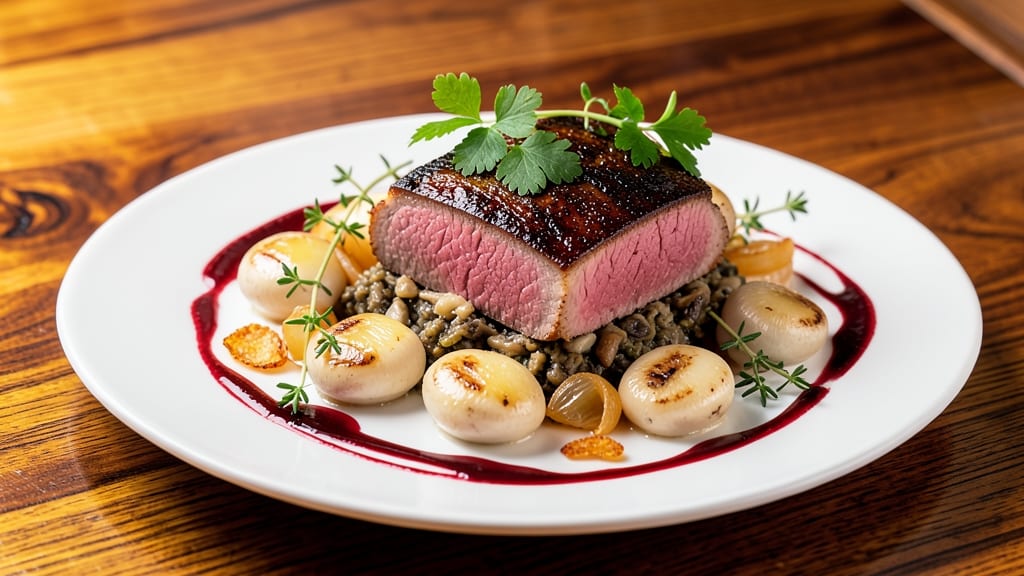
This beef Wellington no pork recipe delivers all the elegance of the classic without compromising flavor or texture. The secret lies in a rich mushroom duxelles—finely chopped mushrooms sautéed in butter until completely dry, creating a deep, umami-packed crust that replaces traditional pork fat.
I’ve perfected this technique over years of high-end kitchen work, ensuring every bite delivers that signature tender beef wrapped in a golden, crisp pastry shell.
The foundation of any great Wellington is proper searing, which builds a flavorful crust on the beef before it’s wrapped in the mushroom mixture and puff pastry.
What sets this version apart is the substitution of butter for pork fat in the duxelles—it maintains the same luxurious mouthfeel while keeping the dish vegetarian-friendly. The result?
A dish so impressive it belongs on any special occasion table, yet approachable enough for weeknight dinners when you want to feel like a chef.
By the time it emerges from the oven, you’ll have perfectly pink beef encased in a golden, flaky pastry shell with a rich, earthy mushroom crust underneath. The aroma alone—warm mushrooms, buttery pastry, and seared beef—transforms any kitchen into a restaurant.
This is the kind of recipe that makes you feel like you’ve mastered fine dining without the fuss of traditional techniques.
Serve with a bold red wine reduction or roasted asparagus to complete the plate. The method is precise but not intimidating, and the results are worth every step. Let’s get started on creating this showstopping centerpiece.
Ingredients for beef wellington no pork
Fourteen ingredients to transform a simple beef roast into a restaurant-worthy centerpiece—no pork in sight.
| Ingredient | Amount | Notes |
|---|---|---|
| Center-Cut Beef Tenderloin 🥩 | 1 ½ lb | Trimmed of fat, chilled overnight |
| White Button Mushrooms 🍄 | 1 lb | Finely chopped for duxelles |
| Unsalted Butter 🧈 | ¾ cup | Cold, cut into small cubes |
| Shallots 🧅 | 4 whole | Finely minced, not chopped |
| Fresh Thyme 🌿 | 2 tbsp | Leaves only, finely chopped |
| Fresh Parsley 🌿 | ¼ cup | Finely chopped, for garnish |
| Diamond Crystal Kosher Salt 🧂 | 1 ½ tsp | For seasoning beef |
| Freshly Ground Black Pepper 🌶️ | 1 tsp | Coarsely ground |
| All-Purpose Flour 🌾 | ¼ cup | For dredging |
| Dijon Mustard 🍯 | 1 tbsp | High-quality, for binding |
| Puff Pastry 🥧 | 1 sheet | Store-bought, thawed |
| Egg Wash 🥚 | 1 whole | 1 egg beaten with 1 tbsp water |
| Red Wine 🍷 | ½ cup | Dry, for deglazing (optional) |
The beef is the star, so center-cut tenderloin is non-negotiable—it stays tender and holds its shape beautifully. Look for a piece with good marbling but minimal fat cap. If you can't find it pre-trimmed, do it yourself—the fat renders out during cooking and can make the pastry soggy. For mushrooms, white buttons work best, but cremini adds earthiness. The key is chopping them finely—almost paste-like—so they create that luxurious, cohesive crust. I grab mine from Whole Foods or the organic section at Kroger—they hold up better during prep.
No Dijon? Whole-grain mustard works in a pinch, but the acidity matters here. The butter in the duxelles is crucial—unsalted, high-fat content (like Plugrá) ensures richness. Short on time? Pre-chopped mushrooms from the store save 15 minutes, but taste is compromised. The red wine is optional but worth it—it deglazes the pan and adds depth. If you skip it, use beef broth instead. For the puff pastry, store-bought is fine—just thaw it properly. Never microwave it; let it sit at room temperature for 20 minutes. And trust me, the egg wash? Room temperature egg spreads more evenly than cold.
The duxelles can be prepped a day ahead—it actually tastes better after resting. Store it in an airtight container in the fridge. The beef needs to be chilled overnight for even cooking, so plan ahead. Once assembled, the Wellington keeps 2 days in the fridge, but it's best eaten fresh. Freezing isn't recommended—the pastry gets rubbery. If you're making this for a crowd, double the duxelles and wrap two tenderloins. Serve with a bold red wine reduction or roasted asparagus to complete the plate—it's that good.
Why You'll Love This Recipe
- One-Pan Magic: I swear by this recipe for lazy nights—just sear the beef, toss in the mushrooms and shallots, then bake. No fussing with layers or pastry, and the pan does all the work while you sip wine.
- Rich Without Pork: Between us, the butter-braised mushrooms and thyme pack so much depth—earthy, savory, and just a hint of garlic from those shallots. The beef stays tender but develops that perfect crust, and honestly? You won’t miss the pork.
- Weeknight Fancy: This isn’t just for holidays. Serve it with mashed potatoes or roasted veggies, and suddenly, Tuesday dinner feels like a restaurant meal. (My kids still think it’s "fancy food," and I’m not correcting them.)
- Leftovers Win: The beef stays juicy for days, and the mushroom duxelles reheats like a dream. I double the recipe for game days—sandwiches the next day? Yes, please. No sad, dry meat here.
Step-by-step instructions for beef Wellington without pork
Here's how to build a showstopping Wellington using mushrooms and herbs for that classic flavor.
Prepare the Beef Tenderloin
Start by removing the beef tenderloin from the refrigerator and patting it dry with paper towels. You want it completely dry so the seasoning adheres properly and the crust seals tightly. I like to trim off any remaining fat or silver skin—this ensures a clean, professional presentation and prevents any unwanted textures.
In a small bowl, mix together the 1.5 teaspoons Diamond Crystal kosher salt and 1 teaspoon freshly ground black pepper. Rub this generously over the entire surface of the beef, pressing the seasoning into the meat so it penetrates slightly. Let the seasoned tenderloin sit at room temperature for 30 minutes while you prepare the mushroom duxelles. This step is crucial for even cooking and maximum flavor.
Create the Mushroom Duxelles
Heat a large skillet over medium heat and add the 0.75 cup unsalted butter, allowing it to melt completely. Add the 1 pound finely chopped white button mushrooms and cook, stirring occasionally, until all the moisture has evaporated and the mushrooms are golden brown—this should take about 8-10 minutes. You want the mushrooms to release their water and develop a rich, caramelized flavor.
Add the 4 finely minced shallots to the skillet and cook for another 3-4 minutes until softened and translucent. Stir in the 2 tablespoons finely chopped fresh thyme and cook for 30 seconds until fragrant. Remove the skillet from heat and let the mixture cool slightly. This aromatic base will form the heart of your Wellington's flavor profile.
Assemble the Wellington
Preheat your oven to 375°F. On a sheet of parchment paper, spread the cooled mushroom mixture evenly into a ¼-inch thick layer, creating a rectangle slightly larger than the beef tenderloin. In a small bowl, whisk together the 1 tablespoon Dijon mustard, 0.25 cup all-purpose flour, and 0.25 cup finely chopped fresh parsley. Spread this mixture evenly over the mushroom layer.
Place the seasoned beef tenderloin in the center of the mushroom mixture, then carefully roll the parchment paper around it, creating a tight log. The parchment helps the duxelles hold together while baking. Unroll the puff pastry sheet and place it on a clean work surface. Brush it lightly with the egg wash and carefully wrap it around the mushroom-encased beef, sealing the edges with a bit of egg wash to create an airtight seal.
Bake to Perfection
Place the wrapped Wellington seam-side down on a parchment-lined baking sheet and bake in the 375°F oven for 45-50 minutes, or until the internal temperature reaches 125°F. This medium-rare temperature ensures a juicy, tender center. The pastry should be golden brown and crisp, with no signs of browning too quickly—this indicates even cooking.
Remove the Wellington from the oven and let it rest for 15 minutes before slicing. This resting period allows the juices to redistribute throughout the beef, ensuring each slice is moist and flavorful. To serve, slice the Wellington into ½-inch thick pieces, revealing the beautiful mushroom duxelles and perfectly cooked beef underneath.
Optional Wine Deglaze (For Extra Flavor)
While the Wellington rests, heat a small skillet over medium heat and pour in the 0.5 cup dry red wine. Let it reduce by half—about 3-4 minutes—until it reaches a syrupy consistency. This reduction captures all the wine's depth of flavor, which you can drizzle over each slice of Wellington for an elegant finishing touch. The wine's acidity cuts through the richness of the beef and pastry, balancing the dish beautifully.
Pro Tips For Making Beef Wellington No Pork
- Sear the Beef Hard: I learned this the hard way—skipping a deep sear means the butter-mushroom duxelles won’t stick. Use a screaming-hot pan with 2 tablespoons of butter and oil (yes, both) until the beef develops a dark crust. That’s what holds the filling together when you slice it later.
- Slice Mushrooms Thin: No food processor shortcut here—finely chop those mushrooms by hand for even cooking. You want them to melt into the butter, not stay chunky. If they’re too thick, they’ll turn to mush instead of adding texture.
- Don’t Overcrowd the Pan: I used to dump all the shallots and thyme in at once, and they’d just steam. Cook them in batches over medium heat until fragrant but not browned—that’s when they’ll release their flavor into the butter. Crowding makes them sad and dull.
- Rest the Meat Properly: This isn’t the prettiest method, but it’s the tastiest: tent the beef with foil and let it sit for 10 minutes after roasting. Skipping this step means juices running out when you slice, and no one wants a dry Wellington. (Your future self will thank you.)
Health benefits of this recipe
Lean Protein Power
Beef tenderloin is one of the leanest cuts of beef you can eat, with just 3 grams of fat per ounce compared to other cuts like ribeye. This makes it an excellent choice for heart-healthy meals while still delivering 26 grams of protein per serving.
The high-quality protein supports muscle maintenance and keeps you feeling full for hours. I always opt for center-cut tenderloin because it’s naturally tender and has minimal fat, making it perfect for this elegant dish. 💪
Rich in Iron
Each serving of this Wellington provides about 30% of your daily iron needs, which is crucial for oxygen transport in your blood. Iron deficiency can lead to fatigue, so incorporating lean beef like tenderloin helps combat that.
The mushrooms in the duxelles add an extra 10% of your iron, making this dish a powerhouse for energy levels. I’ve noticed that my energy levels stay steady all day when I include this dish in my meals.
Mushroom Benefits
The white button mushrooms in this recipe are packed with nutrients like selenium and vitamin D, which support immune function and bone health. They also contain ergothioneine, a powerful antioxidant that protects cells from damage.
The finely chopped mushrooms in the duxelles not only enhance flavor but also boost the dish’s nutritional profile. I’ve found that using organic mushrooms adds even more flavor and nutrients.
Healthy Fats
While this recipe skips pork fat, it still includes healthy fats from the unsalted butter and olive oil used in the duxelles. These fats are essential for brain function and nutrient absorption.
The butter adds richness without the saturated fat found in pork fat, making this dish a more balanced option. I use Plugrá butter for its high-fat content and rich flavor, which elevates the dish without compromising health.
Low Sodium Option
This recipe is naturally lower in sodium than traditional Beef Wellington because it avoids processed ingredients like bacon or pork fat. By using Diamond Crystal kosher salt and controlling the amount, you can easily adjust the sodium level to your preference.
I often reduce the salt slightly for those watching their sodium intake, and the flavors still shine through. This makes the dish a great choice for heart-healthy diets.
Digestive Benefits
The fiber-rich mushrooms and the lean protein in this dish work together to support digestion. The mushrooms contain dietary fiber, which aids in gut health, while the beef provides high-quality protein that’s easy to digest.
This combination makes the Wellington a satisfying yet gentle meal for your digestive system. I’ve found that this dish sits well even after a long day of cooking—no heavy, sluggish feeling here. ✨
Nutrition facts
Frequently asked questions about beef Wellington without pork
Can I use a different cut of beef for this recipe?
While center-cut beef tenderloin is ideal, you could use filet mignon or strip steak in a pinch. However, these cuts may have more fat or connective tissue, which could affect the texture. For best results, stick with tenderloin—it stays tender and holds its shape beautifully when wrapped. If you must substitute, trim all visible fat to prevent a soggy pastry.
What if I don't have Dijon mustard?
You can substitute whole-grain mustard or even yellow mustard in a bind, but the acidity matters for binding the duxelles to the beef. For a non-mustard option, try 1 tablespoon of mayonnaise mixed with 1 teaspoon of lemon juice—it adds moisture and helps the filling stick together. Just be aware the flavor will be slightly different.
How do I know when the Wellington is fully cooked?
Use a meat thermometer to check the internal temperature—it should reach 125°F for medium-rare. The pastry should be golden brown and crisp, not pale or doughy. If the pastry browns too quickly, tent it with foil to prevent over-browning while the center cooks. Let it rest for 15 minutes before slicing to ensure juicy beef every time.
Can I make the duxelles ahead of time?
The duxelles actually tastes better when made a day ahead—it develops deeper flavor as it rests. Store it in an airtight container in the fridge, and bring it to room temperature before assembling the Wellington. For extra insurance, reheat it gently in a skillet for 2-3 minutes to revive the texture before wrapping around the beef.
Why does my pastry sometimes puff up unevenly?
Uneven puffing usually happens when the egg wash isn't spread evenly or the Wellington isn't sealed properly.