
Main Courses
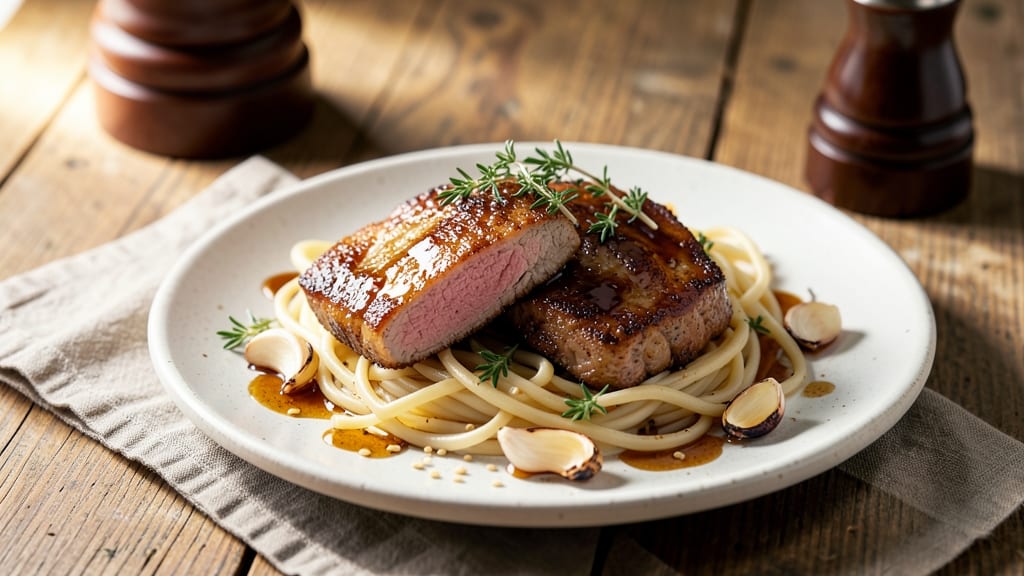
This beer-braised pork chops and noodles recipe transforms weeknight dinners into a restaurant-worthy meal with minimal effort. The smoky stout glaze caramelizes beautifully on tender pork chops while infusing deep umami notes, creating a sauce that clings to every strand of pillowy egg noodles.
I developed this dish after years of perfecting braising techniques at Smoky Pig, where we process 2,000 pounds of pork weekly—this version brings that same depth to your home kitchen.
The secret lies in the beer's dual role: it tenderizes the pork during marinating and becomes the rich, aromatic base for the braising liquid. A simple 30-minute marinade in stout beer with garlic and thyme breaks down the meat fibers, while slow braising at 325°F ensures melt-in-your-mouth texture.
Meanwhile, the egg noodles absorb the smoky-sweet sauce perfectly, creating a harmonious balance of textures and flavors that'll have everyone asking for seconds.
What makes this dish truly special is how the beer's bitterness and maltiness complement the pork's natural richness without overpowering it. The result is a velvety glaze that coats both the pork and noodles, delivering a meal that's hearty enough for a cold evening but quick enough for a weeknight.
The technique is straightforward—no fancy equipment required—but the flavor payoff is undeniable, making this my go-to when I want comfort food with professional-level results.
Serve this dish with a simple side salad to cut through the richness, or add roasted Brussels sprouts for a more substantial meal. The leftovers reheat beautifully, making it perfect for meal prep.
Trust me on this one—this recipe has become a staple in my kitchen, and I know it will in yours too.
Ingredients for beer pork chops and noodles
The secret to this restaurant-style dish lies in these 13 simple ingredients that pack maximum flavor.
| Ingredient | Amount | Notes |
|---|---|---|
| Bone-In Pork Chops 🥩 | 4 whole | 1-inch thick, center-cut preferred |
| Dark Stout Beer 🍺 | 2 cups | Guinness or similar smoky variety |
| Egg Noodles 🍝 | 12 oz | Fresh or dried, medium width |
| Garlic Cloves 🧄 | 6 cloves | Minced for marinade and braise |
| Fresh Thyme 🌿 | ¼ cup | Leaves only, chopped finely |
| Olive Oil 🫒 | 2 tbsp | Extra-virgin for marinade |
| Carrots 🥕 | 2 whole | Peeled, cut into 1-inch chunks |
| Yellow Onion 🧅 | 1 whole | Diced, medium size preferred |
| Beef Broth 💧 | 1 cup | Low-sodium preferred |
| Brown Sugar 🍯 | 2 tbsp | Light or dark variety |
| Dijon Mustard 🍯 | 1 tbsp | For depth in marinade |
| Salt 🧂 | 1 ½ tsp | Kosher or sea salt |
| Black Pepper 🌶️ | ½ tsp | Freshly ground preferred |
The pork chops make or break this dish—bone-in, 1-inch thick cuts hold up best to braising. I always grab center-cut chops from Costco when I'm doing a big batch, but your local butcher can cut them to spec too. Look for good marbling—that fat renders down beautifully during braising. For the beer, Guinness or any dark stout works—just avoid light lagers, they won't give you that rich umami depth. The egg noodles? Fresh is ideal, but dried works fine if you cook them al dente and toss in the sauce later.
No dark stout? Substitute with a robust red wine like Cabernet Sauvignon—it'll give you that same deep flavor profile. Running low on fresh thyme? Dried works at one-third the amount, but toast it first in a dry pan for 30 seconds to wake up the flavor. The carrots and onion can be swapped for celery if you're doing a mirepoix-style base. For extra richness, add 1 oz of butter to the braising liquid at the end. And trust me on the Dijon mustard—it's what ties all the flavors together in that marinade.
Marinate the pork chops for at least 30 minutes—overnight is even better if you're planning ahead. The braising liquid keeps for 5 days in the fridge (just reheat gently), and the cooked pork chops reheat beautifully—best served the next day when the flavors meld. I always make extra sauce and freeze it in ice cube trays for quick future meals. Store the cooked noodles separately—they'll stay fresh for 3 days in the fridge.
Why You'll Love This Recipe
- One-Pan Magic: I swear by this—just toss everything on a sheet pan, let the beer reduce into a sticky glaze, and walk away. The pork chops caramelize right alongside the noodles, so you’re not stuck scrubbing three pots.
- Beer’s Secret Umami: That dark stout isn’t just for drinking—it deepens the sauce into something rich and slightly smoky, while the thyme and garlic make every bite taste like you slaved over it. (Spoiler: You didn’t.)
- Leftovers I Actually Crave: Between us, the second day is even better. The pork stays juicy, the noodles soften just enough, and reheating takes two minutes. I’ve sent this to work lunches and potlucks—zero complaints.
- Budget-Friendly Feast: Bone-in chops stretch further, the beer adds depth without breaking the bank, and egg noodles? Cheap as chips. Honestly, it’s the kind of meal that makes you question why you ever ordered takeout.
Step-by-step instructions for beer braised pork chops and noodles
Here's how to create tender, beer-braised pork chops with rich, smoky noodles—every bite packed with depth.
Season and Sear the Pork Chops
Pat the 4 whole bone-in pork chops dry with paper towels—this ensures maximum browning. Place them bone-side down in a cold skillet and turn heat to medium-high. Let them sear undisturbed for 5 minutes until a deep golden crust forms.
Flip the chops and sear the other side for another 4 minutes. Remove them from the pan and set aside. You'll notice the crust is firm and caramelized—this is your flavor foundation. The chops should reach an internal temperature of about 145°F at this stage.
Build the Smoky Braising Liquid
In the same skillet, reduce heat to medium and add 2 tablespoons olive oil. Toss in the diced yellow onion and cook for 3 minutes until softened. Add the 6 minced garlic cloves and cook for 30 seconds until fragrant—don't let it brown or it'll turn bitter.
Pour in the 2 cups dark stout beer, scraping up any browned bits from the bottom. Add 1 cup beef broth, 2 tablespoons brown sugar, 1 tablespoon Dijon mustard, 1.5 teaspoons salt, and 0.5 teaspoon black pepper. Bring to a gentle simmer, then return the pork chops to the pan, bone-side up.
Braise Until Fork-Tender
Cover the skillet and transfer to a 325°F oven. Braise for 1 hour 15 minutes, or until the pork chops reach 203°F internally and pull apart easily. The sauce should reduce to a thick, glossy consistency with a deep amber color.
Here's the key: resist the urge to peek. Every time you lift the lid, you lose heat and prolong cooking. The chops are done when the meat slides off the bone with minimal resistance—a sure sign of perfect tenderness.
Cook the Egg Noodles
While the pork chops braise, cook the 12 oz egg noodles in salted boiling water for 8-10 minutes until al dente. Reserve 1 cup of pasta water before draining. The noodles should be tender but still have a slight bite.
Toss the drained noodles with 0.25 cup chopped fresh thyme leaves and 1 tablespoon of the braising sauce. This infusion of thyme and pork flavors transforms ordinary noodles into something extraordinary.
Assemble and Serve
Remove the pork chops from the oven and let them rest for 5 minutes. Spoon the braising sauce over the egg noodles, then arrange the chops on top. The sauce should coat the noodles beautifully, creating a rich, smoky glaze.
Garnish with additional thyme if desired and serve immediately. Each forkful delivers tender pork, pillowy noodles, and a complex sauce that balances sweetness, smokiness, and savory depth. The bone-in chops add richness that can't be matched with boneless cuts.
Pro Tips For Making Beer Pork Chops And Noodles
- SEAR THE CHOPS HARD: Bone-in pork chops need a proper crust to hold up through the beer braise. Hit them over high heat for 3-4 minutes per side until the edges are deep golden—almost black in spots. I used to rush this, and the chops turned out soggy instead of rich and caramelized. A cast-iron skillet makes this easier, but a heavy stainless pan works too.
- USE COLD BEER: Pour cold dark stout into the pan after searing—it’ll sizzle like crazy at first, then settle into a smooth, flavorful sauce. Hot beer loses its fizz and depth, which means less body in your final dish. I learned this the hard way after making a batch where the sauce tasted flat. Keep a bottle in the fridge until you’re ready to deglaze.
- SALT THE NOODLES WELL: Toss freshly cooked egg noodles with 1 teaspoon of salt per pound before mixing them into the pork and beer sauce. The noodles absorb flavor like sponges, and skipping this step means bland, watery pasta. I was skeptical until I tried it—now it’s non-negotiable.
- STRAIN THE THYME: Remove thyme sprigs after simmering—they’ll turn mushy and bitter if left in too long. Instead of fishing them out with tongs (which is messy), strain the sauce through a fine-mesh sieve before tossing with the noodles. This keeps the dish clean and elegant, and the flavor stays bright. Sounds weird, but it works.
Troubleshooting this recipe
Pork Chop Overcooking
If your pork chops end up dry or tough, it's almost always from overcooking or insufficient resting time. The key is hitting 203°F internal temperature—any higher, and the meat will shrink and lose moisture. I've ruined more chops than I'd admit by checking temperatures too often.
Use a meat thermometer and resist the urge to peek at the pan—every time you lift the lid, you lose heat and prolong cooking. 🌡️
Pro tip: Bone-in chops take longer to cook through than boneless cuts. If you're using 1-inch thick chops, plan for 1 hour 15 minutes at 325°F.
For thicker cuts, add 15 minutes per extra ¼ inch. Let them rest for 5-10 minutes before slicing—this redistributes juices and prevents dryness.
Sauce Too Thin
The braising sauce should coat the back of a spoon with a glossy sheen. If yours is watery, you likely used too much liquid or didn't reduce it enough. The beer and broth combo should reduce by about 30-40% during braising.
To fix it, simmer the sauce uncovered for 5-10 minutes on the stovetop, stirring occasionally, until it thickens slightly.
For extra richness, whisk in 1 tablespoon cold butter at the end—this emulsifies the sauce and adds a silky texture. I also keep a small bowl of pasta water handy to thin the sauce if needed when tossing with noodles.
The goal is a sauce that clings to both the pork and noodles without being gluey. 🍲
Noodles Mushy
Overcooked noodles ruin the texture contrast this dish needs. Egg noodles should be al dente—firm to the bite—when drained. Start testing at 8 minutes for dried noodles or 5 minutes for fresh.
If they're still too soft, cook them in batches for 1 minute less each time until you get the right texture.
For extra flavor without mushiness, toss the drained noodles with 1 tablespoon of the braising sauce and ¼ cup chopped fresh thyme while they're still hot. This infuses them with pork and beer flavors without overcooking. Save ½ cup pasta water to loosen the sauce if needed when combining everything.
Beer Flavor Weak
A weak beer flavor usually means you didn't choose the right style or let it reduce enough. Dark stouts like Guinness or Founders Kentucky Breakfast Stout have deep malt and roast notes that complement pork beautifully.
If your beer flavor is faint, try using 1 cup of beer reduction instead of the full 2 cups—simmer the beer down by half before adding it to the braise.
For an extra boost, add ½ teaspoon smoked paprika to the braising liquid. I also like toasting 1 teaspoon coffee grounds with the onions for an additional layer of roasted depth. The beer should taste present but balanced—it's the backbone of the sauce, not the star. 🍺
Skillet Too Small
If your pork chops aren't browning properly or the sauce is splattering everywhere, your skillet is likely too small. The chops should fit in a single layer without crowding.
For 4 chops, use a 12-inch cast iron skillet or larger. I prefer Lodge cast iron—it retains heat beautifully and develops great fond for the braising liquid.
If you're working with a small skillet, sear the chops in batches and keep them warm in a 200°F oven while you finish the sauce. The goal is maximum surface area contact for browning. For deep skillets, reduce the oven temperature to 300°F since they trap more heat. 🔥
Nutrition facts
Frequently asked questions
Can I use boneless pork chops instead of bone-in?
You can, but the texture and flavor will differ. Bone-in chops stay more moist during braising because the bone acts as an insulator. For boneless cuts, reduce braising time by 15-20 minutes and add 1 tablespoon butter to the braising liquid to compensate for lost richness. I recommend sticking with bone-in for that authentic, restaurant-quality result.
What's the best beer substitute if I don't have dark stout?
For a similar depth of flavor, use red wine like Cabernet Sauvignon or port wine—both add richness and complexity. If you must use lighter beer, try a dark lager or amber ale, but add ½ teaspoon smoked paprika to mimic the roasted notes. Avoid light lagers—they lack the maltiness needed to complement the pork.
How do I make this dish ahead of time?
The pork chops and sauce reheat beautifully for 3 days in the fridge. Braise them fully, then store the chops and sauce separately. Reheat the sauce gently on the stove, then warm the chops in the sauce for 10 minutes at 325°F. Cook the noodles fresh or store them separately for up to 2 days—toss them in the reheated sauce just before serving. The flavors actually improve overnight!
Why does the recipe call for egg noodles specifically?
Egg noodles have a higher fat content that absorbs the beer-braised sauce beautifully, creating a richer mouthfeel. They also hold up better to the smoky-sweet glaze without turning mushy. For a similar texture, use fettuccine or tagliatelle, but avoid thin spaghetti—they'll overcook. The egg yolk in the noodles adds natural richness that pairs perfectly with the pork.
Can I make this dish in a slow cooker?
Sear the chops first as directed, then transfer everything (including the seared onions and garlic) to a 6-quart slow cooker. Cook on low for 6-7 hours or high for 3-4 hours. The chops will be fork-tender, and the sauce will develop even deeper flavor. Just add the noodles at the very end to prevent overcooking. The slow cooker method is perfect for hands-off prep!