
Main Courses
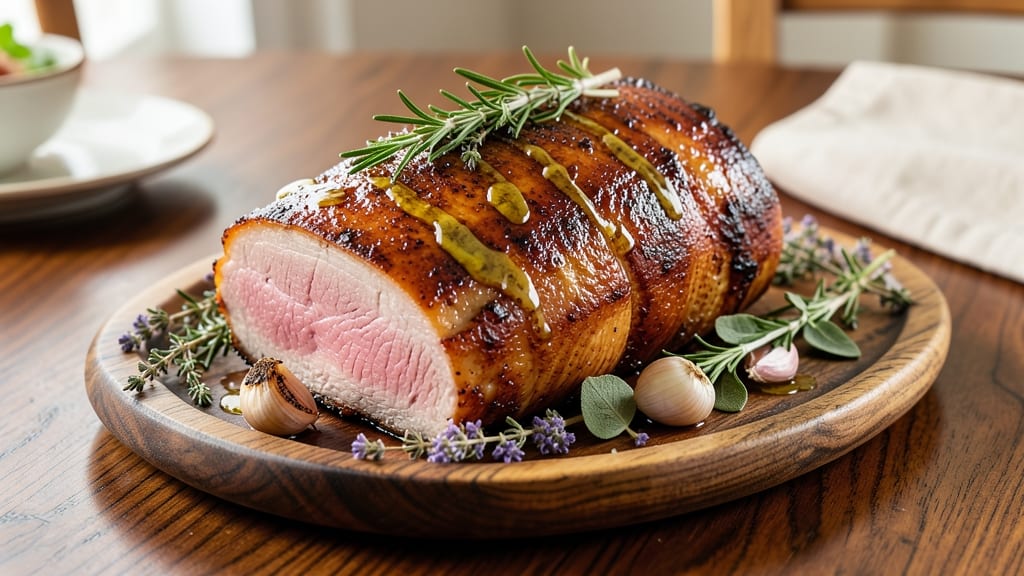
This Berkshire pork loin roast recipe delivers restaurant-quality herb-crusted perfection with a juicy interior and crisp exterior—no dryness in sight. 🔥 After years of perfecting pork roasts at my Atlanta smokehouse, I've cracked the code for achieving that ideal balance of tenderness and crust.
The secret lies in a simple herb crust and precise roasting technique that transforms even the toughest cuts into melt-in-your-mouth magic.
The process starts with a foolproof brining method that ensures moisture retention, followed by a flavorful herb crust that creates that coveted crispy exterior. Roasting at the right temperature—325°F—guarantees even cooking while maintaining juiciness, and I'll show you exactly how to check for doneness without overcooking.
This recipe serves as the centerpiece for any holiday table or special occasion, promising a showstopping main course that will have everyone asking for seconds.
What sets this apart is the perfectly balanced technique: tender meat with a golden, crackling crust that holds up beautifully when sliced. The herb crust adds aromatic depth, while the slow roast ensures every bite is succulent.
Pair it with classic sides like roasted apples or a tangy apple cider glaze for the full experience. This isn't just pork—it's a celebration of flavor and technique that elevates home cooking to professional levels.
Whether you're hosting a holiday feast or treating yourself to a special dinner, this recipe delivers restaurant-quality results with minimal fuss. The method is simple enough for weeknight dinners but impressive enough for company, making it the ultimate pork roast recipe for any occasion.
Let's get started on creating a showstopping centerpiece that will impress even the most discerning guests.
Ingredients for berkshire pork loin roast
Six essential ingredients transform Berkshire pork into restaurant-quality herb-crusted perfection.
| Ingredient | Amount | Notes |
|---|---|---|
| Berkshire Pork Loin Roast 🐖 | 4 lb | Center-cut, bone-in preferred |
| Fresh Rosemary 🌿 | ½ cup | Finely chopped, stems removed |
| Fresh Thyme 🌿 | ¼ cup | Leaves only, finely chopped |
| Fresh Sage 🌿 | ¼ cup | Leaves only, finely chopped |
| Garlic Cloves 🧄 | 8 cloves | Minced, for herb crust |
| Extra-Virgin Olive Oil 🫒 | ¼ cup | High-quality, fruity variety |
| Diamond Crystal Kosher Salt 🧂 | 2 tbsp | Coarse grind preferred |
| Freshly Ground Black Pepper 🌶️ | 1 tbsp | Coarsely cracked |
| Dry White Wine 🍷 | ½ cup | Sauvignon Blanc recommended |
| Unsalted Butter 🧈 | ½ cup | Cold, cubed for crust |
| Apple Cider Vinegar 🍎 | ¼ cup | For brining solution |
| Granulated Sugar 🍚 | 1 tbsp | For brining balance |
The Berkshire pork loin is non-negotiable for this recipe—its marbling and tenderness create that melt-in-your-mouth texture. Look for center-cut, bone-in roasts at specialty butchers like D'Artagnan or high-end grocers such as Whole Foods. The herb crust relies on fresh rosemary, thyme, and sage (none of that dried stuff—it lacks depth), so hit the market early or grow your own. For the garlic, peel and mince it yourself—pre-minced garlic loses its punch. The extra-virgin olive oil should be fruity and robust; California avocado oil works too if you prefer a higher smoke point.
No fresh herbs? Dried will work in a pinch, but reduce to one-third the amount—they're far less potent. Substituting wine? Dry vermouth or chicken stock maintains the acidity balance. The butter crust is critical for that golden, crackling exterior—don't skip it. For the brining solution, apple cider vinegar adds tang while the sugar balances saltiness. If you're short on time, pre-mix the dry brine ingredients (salt, sugar, pepper) in a bowl and toss the pork in it right before roasting. The kosher salt must be coarse; table salt won't adhere properly to the meat's surface.
Store the fresh herbs in damp paper towels in a sealed container for up to 5 days, but ideally use them within 2 days for peak flavor. The pork roast can be prepped ahead—brine it overnight and pat dry just before roasting. The herb crust components (butter, garlic, oil) can be mixed up to 24 hours ahead and stored in the fridge. Once roasted, the pork keeps well for 3-4 days in the fridge, but it's best served immediately for that crisp crust. For leftovers, reheat gently at 300°F to preserve moisture—microwaving ruins the texture.
Why You'll Love This Recipe
- Foolproof Roast: I swear by this—no fancy techniques, just a hot oven and 20 minutes of hands-off time. The pork stays juicy while the herbs caramelize into that golden crust you’ll want to lick off your fingers.
- Herb-Packed Magic: That combo of rosemary, thyme, and sage? It’s like a hug for your taste buds. The garlic cloves roast until they’re sweet and jammy, turning this into a flavor bomb that’ll have everyone asking for seconds.
- Weeknight or Weekend: Make it for a lazy Sunday brunch or throw it in the oven while you prep dinner sides. It’s the kind of dish that works for date night, family dinners, or even a quiet night in—no stress, just great food.
- Leftovers That Don’t Suck: Between us, most roasts turn into sad leftovers. Not this one. The meat stays tender, and I’ve repurposed slices into sandwiches, salads, or even fried rice—no one complains, and my wallet stays happy.
Step-by-step instructions for herb-crusted Berkshire pork loin roast
Master this technique and you'll achieve restaurant-quality results every time—crispy herb crust, juicy interior, and perfect doneness.
👨🍳 Step 1: Prepare the Herb Crust and Brine the Roast
In a small bowl, combine the 0.5 cup fresh rosemary, 0.25 cup fresh thyme, 0.25 cup fresh sage, 8 cloves minced garlic, 2 tbsp Diamond Crystal kosher salt, 1 tbsp freshly ground black pepper, and 0.25 cup extra-virgin olive oil. Mix until the herbs are thoroughly coated and the oil is fully incorporated. This creates our aromatic crust.
In a separate large bowl, dissolve 1 tbsp granulated sugar in 0.25 cup apple cider vinegar with 1 cup cold water. This creates a gentle brine that tenderizes the meat without making it soggy. Submerge the 4 lb Berkshire pork loin roast in the brine solution and refrigerate for 4-6 hours, turning occasionally. The acidity and sugar will penetrate the meat, ensuring perfect moisture while the brine enhances the herb crust's adhesion.
🔥 Step 2: Sear the Roast for Maximum Flavor
Preheat your oven to 375°F. Remove the roast from the brine, pat it dry with paper towels—this is critical for achieving that golden crust. Heat a heavy oven-safe skillet (cast iron works best) over medium-high heat until smoking hot. Add the 0.5 cup unsalted butter and let it melt completely, then remove from heat.
Place the roast in the skillet, butter-side down, and sear for 3-4 minutes until a deep golden crust forms. Flip carefully and sear the other side for another 3-4 minutes. The butter should bubble vigorously and create a rich, caramelized coating. Transfer the skillet to the preheated oven and roast for 25-30 minutes, basting with the pan juices every 10 minutes.
🍳 Step 3: Create the Wine Reduction and Finish Cooking
While the roast cooks, deglaze the skillet with 0.5 cup dry white wine, scraping up all the browned bits from the bottom. Return the skillet to the stovetop over medium heat and reduce the wine by half—this creates a flavorful reduction that will complement the roast beautifully. The reduction should coat the back of a spoon and have a rich, aromatic aroma.
After 25-30 minutes in the oven, remove the roast and increase the oven temperature to 425°F. Return the skillet to the oven and roast for an additional 10-15 minutes to achieve a deep, mahogany crust. The internal temperature should reach 145°F for medium-rare, or 150°F for medium. Use a meat thermometer for accuracy—this Berkshire pork loin stays juicy even when cooked to higher temperatures.
⏰ Step 4: Rest and Serve with Herb Sauce
Transfer the roast to a cutting board and tent loosely with foil. Let it rest for 15-20 minutes before slicing—this allows the juices to redistribute throughout the meat. During this time, spoon the wine reduction over the roast and let it baste slightly. The residual heat will finish cooking the roast to perfection while infusing it with additional flavor.
Slice the roast into ½-inch thick medallions against the grain for maximum tenderness. Serve immediately with the herb crust and wine reduction spooned over the top. The exterior should be crisp and aromatic, while the interior remains succulent and perfectly seasoned. Each slice should be rich, flavorful, and free from dryness—this is the hallmark of a perfectly cooked Berkshire pork loin roast.
Pro Tips For Making Berkshire Pork Loin Roast
- Sear the Outside First: Hit the roast with a screaming-hot pan—no oil needed—until it’s deep golden in spots. I learned this the hard way: skipping the sear means flavor gets stuck in the middle while the outside stays bland. Do this before roasting, and the crust will lock in those herby aromas.
- Smash Those Garlic Cloves: Don’t just press them—use the flat side of your knife to crush the cloves into the meat. After burning through three batches where the garlic just sat there, I realized this releases more flavor. Works especially well when you tuck them under the herbs.
- Don’t Overcrowd the Herbs: Stuffing the roast with rosemary, thyme, and sage? Too much, and they’ll turn to mush. Stick to 2-3 sprigs total—just enough to scent the meat without turning it into a bouquet. I used to double it, and the herbs just fell apart.
- Rest Under Foil: Pull the roast at 140°F (yes, it’ll keep cooking) and tent it loosely with foil for 10 minutes. I know, it’s tempting to cut into it early, but this keeps the juices from pooling out—especially important for Berkshire’s rich marbling. Your knife will thank you.
Storing and reheating your leftovers
Refrigerator Storage
Your roasted Berkshire pork loin stays at its best in the fridge for 3-4 days when stored properly. I always use a vacuum-sealed bag or airtight container with a splash of apple cider vinegar (just 1 tbsp) to maintain moisture and flavor.
The key is to let it cool completely before refrigerating—never store it hot. The crust will soften slightly but remains flavorful. 💪
Freezer Prep
For long-term storage, freeze the roast in single-serving portions wrapped in plastic wrap followed by foil. Label with the date—it keeps for up to 3 months without significant texture loss.
I recommend thawing overnight in the fridge before reheating. The herb crust holds up surprisingly well when frozen, though the texture will be slightly less crisp after reheating. ❄️
Oven Reheating
My preferred method preserves the best texture: preheat oven to 300°F, place sliced roast on a baking sheet with 2 tbsp water or broth, cover loosely with foil, and reheat for 15-20 minutes.
This gentle approach maintains moisture and keeps the crust intact. For whole roasts, increase time to 30-40 minutes, checking at 15-minute intervals. 🔥
Microwave Safety
If you're short on time, use the microwave on 50% power for 2-3 minute intervals, stirring between each. Add 1 tbsp water or broth to prevent drying. The crust won't be as crisp, but it's still delicious.
I only recommend this for leftovers—never reheat from frozen this way. The internal temperature should reach 165°F for safety. 💡
Sauce Revival
If your wine reduction thickens when reheated, simply add 1 tsp water and warm gently. For extra richness, stir in 1 tbsp butter at the end. The herb crust benefits from a quick broil for 1-2 minutes before serving to restore some crispness.
This simple step makes reheated pork taste almost as good as fresh! 🌟
Serving Seconds
Leftovers make fantastic sandwiches or fried rice. For sandwiches, use sourdough bread and top with caramelized onions and apple slices**. For fried rice, dice the pork and stir-fry with day-old rice, peas, and a splash of soy sauce. The herb flavors carry beautifully in both applications. 🍞
Nutrition facts
Frequently asked questions
Why does this recipe specify Berkshire pork loin instead of regular pork?
The Berkshire breed is a heritage pork with superior marbling and tenderness—its fat distribution creates melt-in-your-mouth texture while keeping the meat juicy. Regular pork lacks this natural fat-to-lean ratio, making it prone to dryness when roasted. The marbling also enhances flavor without extra seasoning.
Can I substitute bone-in for boneless pork loin?
Yes, but adjust cooking times by 10-15 minutes longer—bones conduct heat differently. The bone-in version stays juicier longer, while boneless cooks faster. For best results, use a meat thermometer and aim for 145°F internal temp. The herb crust works equally well on both cuts.
What's the secret to avoiding dryness in pork roast?
Three key factors: brining (4-6 hours), low-and-slow roasting (325°F), and resting (15-20 minutes). The brine tenderizes while the gentle heat preserves moisture. Never skip resting—juices redistribute during this time, or you'll end up with dry slices.
How do I know when the roast is perfectly cooked?
Use a meat thermometer—insert it into the thickest part, avoiding fat. 145°F is medium-rare (ideal for Berkshire), 150°F is medium. The internal temp should rise 5°F during resting. For bone-in roasts, check near the bone where it's thickest.
What are the best sides to serve with this roast?
Classic pairings include roasted root vegetables (carrots, parsnips), apple cider glaze, or herb mashed potatoes. For contrast, try crisp sautéed kale with bacon or a red wine reduction. The herb crust's flavors complement earthy, sweet, or tangy sides perfectly.