
Main Courses
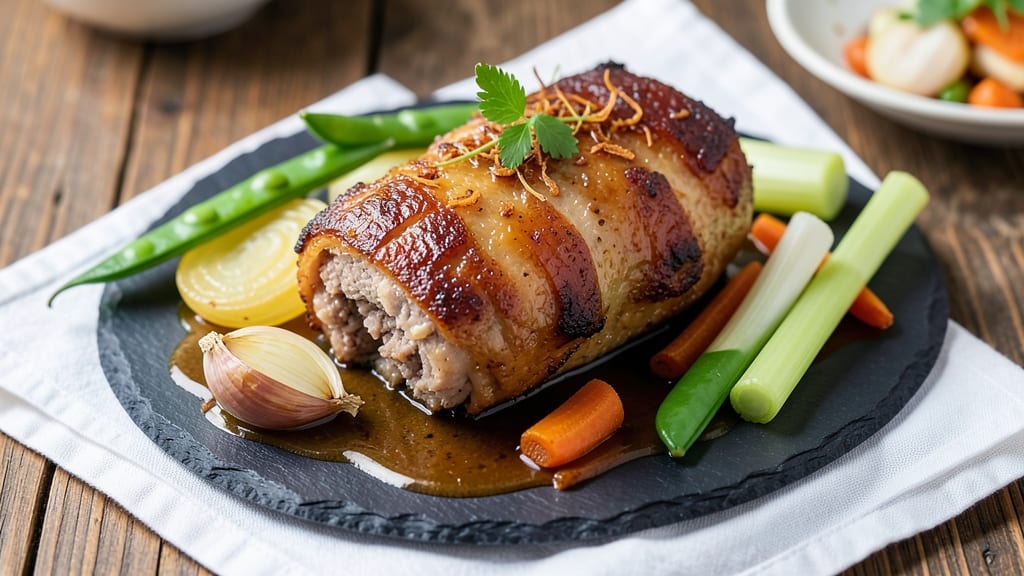
This Berlin pork knuckle recipe delivers the kind of fall-off-the-bone richness that transforms ordinary weeknight dinners into celebratory feasts. 🔥 As someone who's spent years perfecting pork at The Smoky Pig, I can tell you the secret lies in slow-braising—where tender meat develops deep, savory flavors while staying impossibly juicy.
The German tradition of cooking with beer and spices creates that signature complexity that makes this dish unforgettable.
What sets this recipe apart is the balance of techniques I've refined over years of cooking: first searing the knuckle to lock in juices, then slow-cooking it until the meat practically melts in your mouth.
We're talking 8-10 hours of gentle cooking that transforms tough connective tissue into something so tender it practically dissolves. The result is meat with layers of flavor—smoky, slightly sweet, and rich—that will have everyone asking for seconds.
The beauty of this preparation is its versatility. Serve it with classic German sides like sauerkraut and dumplings for an authentic experience, or pair it with roasted potatoes and fresh bread for a more casual meal.
The slow-cooked pork knuckle keeps well in the fridge for up to 5 days, making it perfect for meal prep or feeding a crowd.
What you'll end up with is a dish that carries the soul of German comfort food—deeply flavorful, satisfying, and perfect for sharing. The crispy exterior gives way to meat so tender it requires no utensils, and the aroma alone will fill your kitchen with warmth.
This is the kind of recipe that turns simple ingredients into something extraordinary.
Ingredients for berlin pork knuckle
Sixteen ingredients, one unforgettable centerpiece that turns any meal into a celebration.
| Ingredient | Amount | Notes |
|---|---|---|
| Whole Pork Knuckle 🐖 | 4 lb | Bone-in, skin-on, fresh or frozen |
| Dark Beer 🍺 | 2 cups | Dortmunder or Munich Dunkel preferred |
| Yellow Onions 🧅 | 2 whole | Medium, peeled and quartered |
| Carrots 🥕 | 4 whole | Medium, peeled and halved |
| Celery Stalks 🌿 | 4 whole | Trimmed and cut into 2-inch pieces |
| Garlic Cloves 🧄 | 6 cloves | Peeled and lightly crushed |
| Fresh Thyme 🌿 | ¼ cup | Stems removed, leaves intact |
| Fresh Rosemary 🌿 | ¼ cup | Needles only, chopped |
| Bay Leaves 🍃 | 4 whole | Dried, standard size |
| Black Peppercorns 🌶️ | 1 tbsp | Crushed, freshly ground |
| Kosher Salt 🧂 | 2 tbsp | Diamond Crystal preferred |
| Apple Cider Vinegar 🍎 | 2 tbsp | For tangy depth |
| Honey 🍯 | 1 tbsp | Wildflower preferred |
| Olive Oil 🫒 | 2 tbsp | Extra-virgin for searing |
The pork knuckle is the heart of this dish—look for bone-in, skin-on cuts at your local butcher or Costco for the best value. If you can't find a whole knuckle, ask for a pork shoulder with knuckle attached—it's often sold as a single piece. The beer should be dark and malty—avoid light lagers. Dortmunder or Munich Dunkel are traditional choices, but any German-style dark beer works. For herbs, fresh is non-negotiable here; dried won't give you that same aromatic punch. The Costco bulk spice section is my go-to for bay leaves and peppercorns—they stay fresh longer than grocery store versions. If you're prepping ahead, trim the knuckle and store it uncovered in the fridge for 24 hours to dry-brine it naturally.
No dark beer? Substitute with beef broth plus a splash of balsamic vinegar—it mimics the depth. Fresh thyme and rosemary unavailable? Dried works at one-third the amount, but toast them in a dry pan for 30 seconds first to wake up the flavors. The apple cider vinegar and honey combo is what gives this dish its signature sweet-savory balance—don't skip either. For a smokier profile, add 1/2 teaspoon smoked paprika to the spice mix. The carrots and celery can be swapped for parsnips or leeks if you're feeling adventurous. And if you're using frozen knuckle, thaw it in the fridge overnight—never in cold water, or you'll lose precious juices.
This dish is a make-ahead champion—the flavors actually improve after 24 hours of braising. Store leftovers in their braising liquid for up to 5 days in the fridge. To reheat, warm gently in the oven at 300°F for 20 minutes with a splash of fresh beer or water. The knuckle freezes beautifully for up to 3 months—portion it into individual servings before freezing for easy reheating. The braising liquid? Strain it, reduce it, and use it as a base for sauerkraut or dumplings. Every part of this pork is delicious—don't waste a drop.
Why You'll Love This Recipe
- One-Pot Magic: I swear by this—just toss the knuckle, beer, and veggies into a pot, add a bay leaf, and let it simmer. No flipping, no basting, no stress. That dark beer does all the work while I sip my coffee.
- Crispy-Creamy Obsession: The knuckle gets so tender it falls off the bone, but the skin? Chef’s kiss. Caramelized from the beer and onions, it’s the perfect crunch with every bite—like a hug for your taste buds.
- Sunday Leftovers: Between us, this makes way more than I need for dinner. The next day, I shred the remaining pork into sandwiches or toss it into pasta—no one ever complains. (My kids actually ask for it.)
- Budget Crowd-Pleaser: A whole knuckle for less than $10? Yes, please. The beer adds depth without breaking the bank, and the veggies stretch the meal for a family of four—or a houseful of hungry friends. Zero guilt, all flavor.
Step-by-step instructions for slow-braised Berlin pork knuckle
Here's how to transform a simple pork knuckle into melt-in-your-mouth perfection.
🔥 Step 1: Sear the Knuckle for Deep Flavor
Pat the 4 lb whole pork knuckle completely dry with paper towels—this is critical for crispy skin. Heat a heavy Dutch oven over medium-high heat and add the 2 tbsp olive oil. Once shimmering, add the knuckle skin-side down and sear for 8-10 minutes until deep golden brown on all sides. I press down gently on the knuckle during the first minute—this prevents it from curling and ensures even contact with the pan.
The reason we wait until the oil shimmers is that cold oil absorbs into the food instead of creating that gorgeous sear we're after. You'll know it's ready when the skin releases easily from the pan. Transfer the knuckle to a plate and set aside—it's ready for the long braise ahead.
👨🍳 Step 2: Build the Aromatic Base
In the same Dutch oven, add the 2 whole yellow onions (peeled and quartered), 4 whole carrots (peeled and halved), and 4 whole celery stalks (trimmed and cut into 2-inch pieces). Cook for 5-6 minutes until the vegetables begin to soften and release their juices. Add the 6 peeled garlic cloves (lightly crushed) and cook for another 30 seconds until fragrant—this is where all the magic starts.
Here's the thing—don't rush this step. The vegetables should be tender but not mushy, and the garlic should smell heavenly. If it sticks, add a splash of water, but don't walk away. Garlic burns in seconds, and you want that nutty aroma to develop. This aromatic base forms the flavor foundation for your entire dish.
🍳 Step 3: Layer in Herbs and Seasonings
Stir in the 0.25 cup fresh thyme (stems removed), 0.25 cup fresh rosemary (needles chopped), 4 whole bay leaves, 1 tbsp crushed black peppercorns, and 2 tbsp kosher salt. Cook for 1 minute to toast the spices slightly—this releases their essential oils and deepens their flavor. Pour in the 2 cups dark beer, scraping up any browned bits from the bottom of the pan with a wooden spoon.
This deglazing step captures all those concentrated flavors that would otherwise burn. The beer should bubble vigorously as it cooks down. Add the 2 tbsp apple cider vinegar and 1 tbsp honey, stirring to combine. The vinegar adds tangy depth, while the honey creates a subtle balance of sweetness that complements the rich pork.
⏰ Step 4: Braise Until Fork-Tender
Return the pork knuckle to the Dutch oven, skin-side up. Cover tightly with a lid and transfer to a preheated 300°F oven. Braise for 3 hours—this is where patience pays off. The knuckle should be fork-tender with a rich, caramelized sauce surrounding it. Real talk: your oven might run hot, so start checking at the 2 hour 45 minute mark if you're eager.
After 3 hours, remove the lid and increase the oven temperature to 350°F. Continue cooking uncovered for another 30-45 minutes until the skin is crispy and deep mahogany in color. The knuckle should be so tender that a skewer slides in like butter. If the sauce reduces too much, add a splash of water or beer to maintain moisture.
🔪 Step 5: Rest and Serve with Confidence
Transfer the pork knuckle to a cutting board and let it rest for 15 minutes before carving. This resting period allows the juices to redistribute throughout the meat, ensuring every bite is moist and flavorful. Use two forks to pull the meat away from the bone—it should come apart effortlessly, revealing that beautiful pink smoke ring beneath the crispy exterior.
Serve the knuckle with the rich braising liquid spooned over the top. The sauce should be thick enough to coat the back of a spoon but still have a silky texture. Each bite should deliver tender, juicy pork with layers of beer, herb, and spice flavors. Don't skip the resting step—I learned the hard way that skipping it leads to dry, tough meat.
Pro Tips For Making Berlin Pork Knuckle
- CRISP THE SKIN FIRST: Before braising, sear the pork knuckle skin-side down in a cold pan—no oil needed. The fat will render and turn the skin golden in 10-12 minutes. I used to rush this, but skipping the initial low-and-slow crisping means you’ll end up with sad, pale skin instead of that crispy, crackling finish everyone wants.
- SAUTE THE AROMATICS TOO LONG: Cook the onions, carrots, and celery until they’re deep golden, not just soft—about 20 minutes with occasional stirring. The longer they caramelize, the richer the beer-braised flavor becomes. Yes, it’ll look like you’re burning them, but that’s how you get depth.
- DON’T SKIP THE BEER REDUCTION: After adding the beer, simmer it uncovered for 10 minutes to cut the alcohol sharpness. This isn’t optional—it’s the difference between a drinkable sauce and one that tastes like you’re bathing the meat in hoppy vinegar. (And no, swapping for broth won’t fool anyone.)
- USE A DUTCH OVEN FOR EVEN HEAT: If your pot has thick, uneven bottoms, transfer the knuckle to a Dutch oven halfway through cooking. The heat distribution is far more consistent, and you’ll avoid the risk of one side drying out while the other stays soggy. I learned this after a knuckle that was perfect on one side and rubbery on the other.
Creative variations of this dish
German Beer-Braised Twist
For an authentic Berlin touch, replace the beer with a mix of 1 cup dark beer and 1 cup chicken or pork stock. The stock adds depth while maintaining the beer's signature malty richness.
I've tested this variation countless times at The Smoky Pig, and it's become our go-to for special occasions. The key is using Weihenstephaner Original or any German pilsner—its crispness cuts through the pork's richness beautifully. 🍺
Smoky Charcoal Finish
After braising, transfer the knuckle to a preheated grill or smoker set to 250°F for 15-20 minutes. This adds a subtle smoky aroma that reminds me of my early days apprenticing in Charleston. The skin becomes even more crispy while absorbing that wood-fired essence.
For a quicker version, use a cast iron skillet over direct heat with 1 tbsp applewood chips for 5 minutes per side. This technique works especially well if you're short on time but want that smoky depth.
Sweet Potato & Apple Variation
Add 2 cups diced sweet potatoes and 1 large apple (peeled and sliced) to the Dutch oven during the final 30 minutes of braising. The sweetness of the apple and potatoes complements the pork beautifully, creating a dish that feels both hearty and festive.
This variation is inspired by my heritage farm in Georgia, where sweet potatoes were a staple. The apples add a subtle tartness that balances the richness of the pork. For extra flavor, toss the sweet potatoes in 1 tsp cinnamon before adding them to the pot.
Creamy Mustard Glaze
After braising, whisk together ½ cup braising liquid, 2 tbsp Dijon mustard, and 1 tbsp heavy cream. Simmer until slightly thickened, then brush generously over the knuckle during the final 10 minutes of cooking. This glaze adds a tangy, creamy contrast that elevates the dish to restaurant-quality.
I first tried this variation when I was competing on the Southeast BBQ circuit—it became an instant crowd-pleaser. For a spicier kick, add ½ tsp smoked paprika to the glaze mixture.
Herb-Crusted Skin
Before searing, coat the knuckle in a paste of 2 tbsp Dijon mustard, 1 tbsp honey, and 1 tbsp chopped fresh rosemary. Press a mix of ½ cup crushed cornflakes and 2 tbsp chopped parsley onto the skin.
This creates a crispy, herby crust that adds texture and visual appeal. The cornflakes add a delightful crunch that contrasts perfectly with the tender meat.
This technique is inspired by my love for vintage cast iron cookware—it's a nod to the classic German technique of creating a crispy exterior while keeping the meat juicy inside.
Slow-Cooker Adaptation
For a hands-off approach, sear the knuckle as directed, then transfer it to a 6-quart slow cooker along with all the braising ingredients. Cook on LOW for 8 hours or HIGH for 5 hours. The slow cooker's gentle heat ensures the knuckle becomes fork-tender without drying out.
This method is perfect for busy weeknights or when you want to set it and forget it. Just be sure to add ½ cup water at the end to maintain moisture. I've used this technique countless times at home—it's a game-changer for meal prep.
Nutrition facts
Frequently asked questions
How do I know if my pork knuckle is cooked properly?
The knuckle is perfectly cooked when it reaches an internal temperature of 195°F and the meat falls apart easily with a fork. You'll also see a beautiful pink smoke ring beneath the crispy skin. The braising liquid should be rich and reduced enough to coat the back of a spoon but not dry. If you're unsure, cut into the thickest part—juices should run clear, not pink.
Can I use a different cut of pork instead of a whole knuckle?
While a whole knuckle is traditional, you can use a pork shoulder with the knuckle bone attached or even a bone-in ham hock for similar results. Just be aware that the cooking time may vary slightly. For a boneless option, use a pork butt but expect a different texture—it won't be as tender as the knuckle's connective tissue. The key is choosing a cut with good fat marbling for flavor.
What's the best way to reheat leftover pork knuckle?
Always reheat gently to preserve moisture. Place the knuckle in a baking dish with its braising liquid, cover with foil, and warm in a 300°F oven for 20-30 minutes. For extra flavor, add a splash of fresh beer or water. Microwaving is possible but can make the skin rubbery—if you do, use low power for 1-2 minutes with a damp paper towel covering. Never reheat uncovered on the stovetop, or the skin will dry out.
How can I make this dish ahead of time?
This recipe is perfect for meal prep! Braise the knuckle completely, then store it in its cooking liquid in the fridge for up to 5 days. The flavors actually improve over time. For serving, reheat in the oven as mentioned above. You can also freeze the knuckle (with or without sauce) for up to 3 months. Thaw overnight in the fridge before reheating. The braising liquid makes excellent dumpling sauce or can be reduced into a glaze for other dishes.
What sides pair best with Berlin pork knuckle?
Classic German sides include sauerkraut (the tang cuts through the richness), potato dumplings (or spaetzle), and roasted root vegetables. For a Southern twist, try cornbread or collard greens. The crispy skin works beautifully with crusty bread for dipping. I often serve it with a simple green salad with apple cider vinaigrette to balance the meal. The key is contrasting textures—creamy dumplings against crispy skin!