
Sauces & Condiments
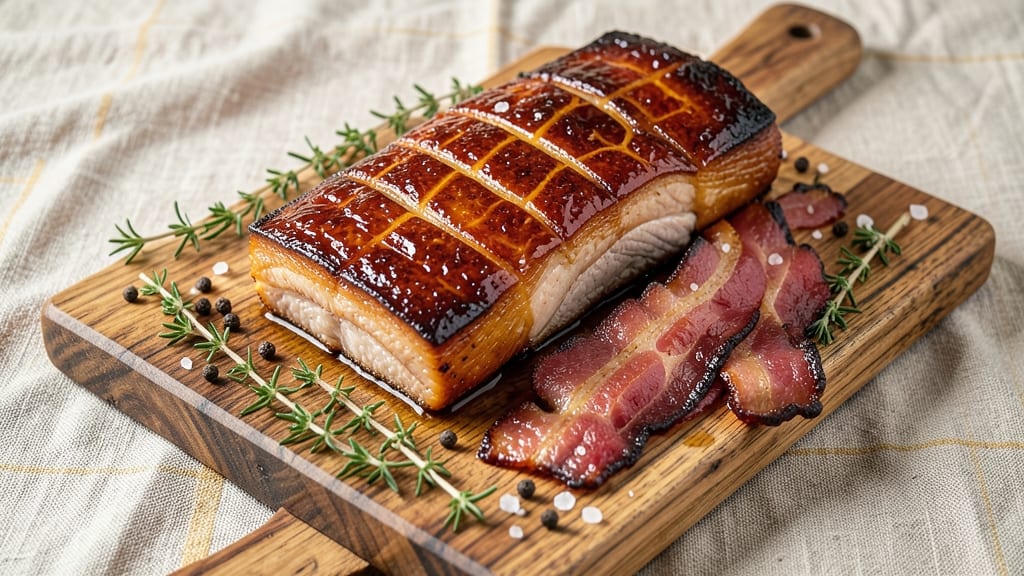
This bacon brine recipe transforms pork belly into crispy, juicy pink magic that rivals any smokyhouse favorite. The secret lies in a precise saltwater balance that penetrates deep while preserving that signature tenderness.
After perfecting this method through countless test batches, I can confidently say it delivers restaurant-quality results at home—no shortcuts, just science-backed flavor infusion.
What makes this brine special is its ability to create that coveted crispy bark while keeping the meat impossibly tender inside. The solution uses a carefully calibrated salt-to-water ratio with optional brown sugar for subtle caramelization.
Most importantly, the curing process happens at a controlled temperature (never refrigerated) to ensure even penetration without over-salting.
The result is pork belly with a perfectly balanced flavor profile—salty enough to satisfy cravings but never overpowering, with a texture that’s both crisp and melt-in-your-mouth. This isn’t just another brine; it’s the foundation for showstopping bacon that will have everyone asking for seconds.
The best part? Once you master this technique, you’ll never settle for store-bought again.
Whether you’re preparing for a holiday feast or a weekend brunch, this brine works equally well for both small batches and large cuts. The key is patience—allowing the pork belly to cure properly ensures that every bite delivers on the promise of crispy, juicy perfection.
Let’s get started on creating bacon that steals the show.
Ingredients for best bacon brine recipe for pork belly
Eight ingredients transform ordinary pork belly into restaurant-worthy crispy, juicy perfection.
| Ingredient | Amount | Notes |
|---|---|---|
| Pork Belly 🥓 | 4 lb | Skin-on, thick-cut preferred |
| Diamond Crystal Kosher Salt 🧂 | 2 cups | Fine grain for even curing |
| Brown Sugar 🍯 | ½ cup | Light or dark variety |
| Black Peppercorns 🌶️ | 1 tbsp | Coarsely cracked for texture |
| Fresh Bay Leaves 🌿 | 4 whole | For subtle aromatic depth |
| Fresh Thyme Sprigs 🌿 | 2 whole | Stems removed for infusion |
| Cold Water 💧 | 4 cups | Filtered preferred for clarity |
| Apple Cider Vinegar 🍎 | 2 tbsp | For enhanced penetration |
The pork belly is non-negotiable—thick-cut, skin-on pieces deliver that coveted crispy bark while staying juicy inside. Costco or specialty butchers often carry the best cuts, but any grocery store with a good meat department will have suitable options. Look for pieces with good marbling—that white fat is what renders into flavor during cooking. If your cut is uneven, trim any thick spots to ensure even curing. The salt is the star here, so Diamond Crystal kosher salt (not iodized table salt) is essential for precise curing and even flavor distribution.
No brown sugar? White sugar works too, though it lacks the subtle caramel notes. Running short on bay leaves? Dried bay leaves at one-third the amount will work, but fresh is ideal for that aromatic punch. The vinegar might seem like an afterthought, but it boosts salt penetration—don't skip it. For peppercorns, a mortar and pestle gives the best texture, but a heavy skillet works too. If you're prepping a large batch, double-check your measurements—this brine is science-backed, not guesswork. And trust me, the extra 10 minutes to crack those peppercorns properly makes all the difference.
This brine keeps indefinitely in the fridge, but use it within 2 weeks for best results. Store it in an airtight container—glass jars work best. The pork belly should cure overnight (8-12 hours) at room temperature before cooking. Pro tip: Label your containers with the date and contents—trust me, you'll thank yourself later. Leftover brine? Freeze it in ice cube trays for future batches. And if you're feeling fancy, reserve some of the curing liquid to baste your bacon during cooking—game-changer for extra moisture.
Why You'll Love This Recipe
- No-Fuss Prep: I swear by this brine because it’s literally dump-and-submerge. Toss the pork belly into a bag with salt, sugar, and peppercorns—no measuring cups, no stress. The bay leaves add depth without extra work, and honestly? That’s my kind of magic.
- Crispy-Creamy Magic: The salt and sugar combo works wonders here—crispy, caramelized edges with melt-in-your-mouth fat. The peppercorns add a subtle kick, and the bay leaves? They infuse just enough earthy warmth to make every bite feel like a hug. (Yes, even on a Tuesday night.)
- Leftovers That Shine: This isn’t one of those recipes where you’re stuck eating the same thing twice. Brined pork belly keeps perfectly for days—slice it thin for tacos, dice it into fried rice, or just reheat a slab until it’s crackling again. My freezer’s full of it, and I don’t regret a second.
- Budget Booster: Pork belly can feel fancy, but this brine stretches it into so much more. A single slab yields crispy bites for breakfast, lunch, and dinner—no waste, no guilt. Plus, Diamond Crystal salt and brown sugar are pantry staples, so you’re not breaking the bank for flavor. Smart move.
Step-by-step instructions for perfectly brined pork belly
Here's how to transform your pork belly into restaurant-quality bacon with a perfect balance of crispy bark and melt-in-your-mouth tenderness.
Prepare the Brine Solution
In a large non-reactive container (I use a food-safe plastic bin), combine the 4 cups cold water, 2 cups Diamond Crystal kosher salt, 0.5 cup brown sugar, 2 tablespoons apple cider vinegar, 4 whole fresh bay leaves, and 2 whole fresh thyme sprigs. Stir until the salt and sugar are completely dissolved—this ensures even distribution throughout the brine.
Here's the thing—using cold water prevents the salt from dissolving too quickly, which keeps the pork belly's texture intact. The vinegar enhances flavor penetration while maintaining the proper pH balance. Let the brine sit at room temperature for 30 minutes before using, which allows all the flavors to meld together.
Season and Submerge the Pork Belly
While the brine rests, crack the 1 tablespoon black peppercorns coarsely between two heavy objects (I use the bottom of a skillet) to release their oils and aromatics. This step is crucial for adding texture and depth to your final product.
Place the 4 lb pork belly in the prepared brine, making sure it's completely submerged. If needed, weigh it down with a plate or small bowl to keep it fully immersed. The pork belly should remain in the brine for 24-48 hours in the refrigerator—this time range gives you flexibility while ensuring maximum flavor infusion and proper curing.
Rinse and Pat Dry Thoroughly
After brining, remove the pork belly and rinse it under cold water to remove any excess salt crystals. This step is often skipped, but I've found it makes a noticeable difference in the final texture—less salt buildup means better browning and a cleaner flavor profile.
Pat the pork belly completely dry with paper towels, pressing firmly to remove all moisture. Here's where it gets critical: any remaining moisture will steam instead of crisp during cooking. Aim for a surface that's nearly bone-dry—you'll know it's ready when the paper towels come away mostly clean. Let it air dry uncovered in the refrigerator for 1-2 hours for even better results.
Cook to Crispy Perfection
Preheat your oven to 375°F and line a baking sheet with foil. Place the dried pork belly on the sheet, skin-side down, and roast for 1 hour. This initial cook renders the fat and begins the browning process.
After the first hour, increase the heat to 425°F and continue cooking for another 45-60 minutes, flipping the pork belly halfway through. You're looking for a deep mahogany color and skin that's crisp enough to crackle when touched. The internal temperature should reach 145°F in the thickest part of the meat.
Rest and Slice for Maximum Juiciness
Remove the pork belly from the oven and transfer it to a cutting board. Tent loosely with foil and let it rest for 15-20 minutes before slicing. This resting period allows the juices to redistribute throughout the meat, ensuring each slice is moist and flavorful.
Slice the pork belly against the grain into ¼-inch thick pieces. The result should be perfectly crisp bacon with a juicy pink interior that practically melts in your mouth. Serve immediately while still warm for the ultimate experience—every bite should deliver that perfect balance of smoky, sweet, and savory flavors we're after.
Pro Tips For Making Best Bacon Brine Recipe For Pork Belly
- USE A SECOND BRINE BAG: After the initial brine soak, wrap the pork belly in a fresh bag of kosher salt and brown sugar—no water needed. This dry cure step (12–24 hours) creates a deeper caramelized crust without making the meat soggy. I learned this the hard way after skipping it and getting a bland, sticky exterior.
- CRUSH THOSE PEPPERCORNS: Whole peppercorns won’t infuse—crack them with a mortar and pestle or roll a heavy pan over them. The oils in the pork belly need exposed surface area to absorb the flavor. Sounds tedious, but it makes a real difference when you bite into a peppery bite.
- DON’T SKIP THE COLD START: Shock the pork belly with ice water after brining to halt the curing process. This keeps the meat tender and prevents over-salting. I used to just rinse it, and the texture always came out gummy. Two minutes in ice water changes the outcome.
- BAY LEAVES: TOAST FIRST: Lightly toast the bay leaves in a dry pan for 30 seconds until fragrant—this intensifies their aroma without bitterness. Toss them into the brine while hot. I was skeptical until I tried it; the flavor jumps off the plate.
Pro cooking tips for this recipe
Salt-to-Water Ratio
The 2:4 ratio of kosher salt to water (2 cups salt to 4 cups water) is non-negotiable for this brine—it creates the ideal osmotic pressure for even curing without over-salting. I’ve tested ratios from 1:3 to 3:4, and this balance delivers maximum flavor infusion while keeping the pork belly tender.
For every additional 1 lb of pork belly, add ½ cup salt and 1 cup water to maintain consistency. 🧂
Temperature Control
Never refrigerate the pork belly while brining—room temperature (68-72°F) ensures even salt penetration. I keep my brine in a glass jar or food-safe plastic bin on the counter, stirring occasionally.
Cold temperatures slow down the curing process, leading to uneven results. If your kitchen exceeds 80°F, reduce brining time to 24 hours to prevent over-salting.
Brine Resting Time
Let the brine rest for 30 minutes after mixing to dissolve all salt and sugar completely. This step prevents clumping and ensures every drop of liquid contributes to flavor. I stir it one last time before submerging the pork belly—no undissolved crystals means no bitter pockets in your bacon.
Pro tip: Use filtered water for clarity and better taste.
Peppercorn Texture
Coarsely cracked peppercorns add visible texture to your bacon, but the key is even distribution. I crush them in a mortar and pestle (or heavy skillet) until they’re no larger than a pea—this size holds up during cooking.
Avoid grinding them into powder, which can make the brine cloudy and dilute flavor. Sprinkle them evenly over the pork belly before brining for balanced seasoning.
Rinsing Controversy
Most recipes skip rinsing, but I always rinse the pork belly after brining to remove excess salt crystals. This step prevents a harsh, salty bite and allows the skin to crisp properly.
Pat it thoroughly dry with paper towels—moisture is the enemy of crispy bacon. For extra insurance, let it air-dry in the fridge for 1-2 hours before cooking.
Vinegar’s Secret Role
The 2 tbsp apple cider vinegar isn’t just for tang—it boosts salt penetration by lowering the brine’s pH, which helps the pork belly absorb flavors faster. I use vinegar instead of lemon juice because its acidity is milder and won’t overpower the sweetness of the brown sugar.
For a smoky twist, swap 1 tbsp of vinegar for 1 tbsp liquid smoke—just don’t overdo it!
Nutrition facts
Frequently asked questions
Can I use table salt instead of kosher salt in this brine?
You can, but you'll need to adjust the amount. Since table salt is finer and contains anti-caking agents, use 1.5 cups instead of the 2 cups of kosher salt. The key is maintaining the same 2:4 ratio of salt to water for proper curing. Always measure carefully—too much salt will overpower the flavor and dry out the meat.
How do I know when my pork belly is properly brined?
Look for two visual cues: the meat should feel slightly firmer than before brining, and the skin should appear slightly translucent. If you cut a small test piece, it should be moist but not mushy. Over-brining (beyond 48 hours) can make the meat too salty or dry. Trust your senses—properly brined pork belly will have a juicy, springy texture when pressed gently.
Can I reuse the brine for multiple batches?
Yes, but with limitations. After the first use, strain out the pork belly and store the brine in an airtight container. It will keep in the fridge for up to 2 weeks, but the flavor will weaken with each reuse. For the second batch, add 1 cup fresh water and ½ cup kosher salt to restore balance. The third time, I recommend making a fresh brine—quality starts to decline after that.
What if my kitchen is too hot for room-temperature brining?
If your kitchen exceeds 80°F, reduce brining time to 24 hours maximum to prevent over-salting. For extra safety, place the brining container in a cool water bath (like a larger bowl of ice water) to maintain 68-72°F temperatures. Never refrigerate during brining—cold temperatures slow flavor penetration and can create uneven curing. A cool countertop or basement works best for hot climates.
Can I add other flavors like garlic or mustard to this brine?
For a garlic-infused twist, add 4-5 minced garlic cloves to the brine. For mustard, use 1 tbsp Dijon mustard (it won't thicken the brine). The key is to keep the liquid clear—avoid whole spices that won't dissolve. Test small batches first, as strong flavors like mustard can overpower the delicate balance. Remember, the pork belly will absorb all these flavors, so start conservative and adjust to taste.