
Main Courses
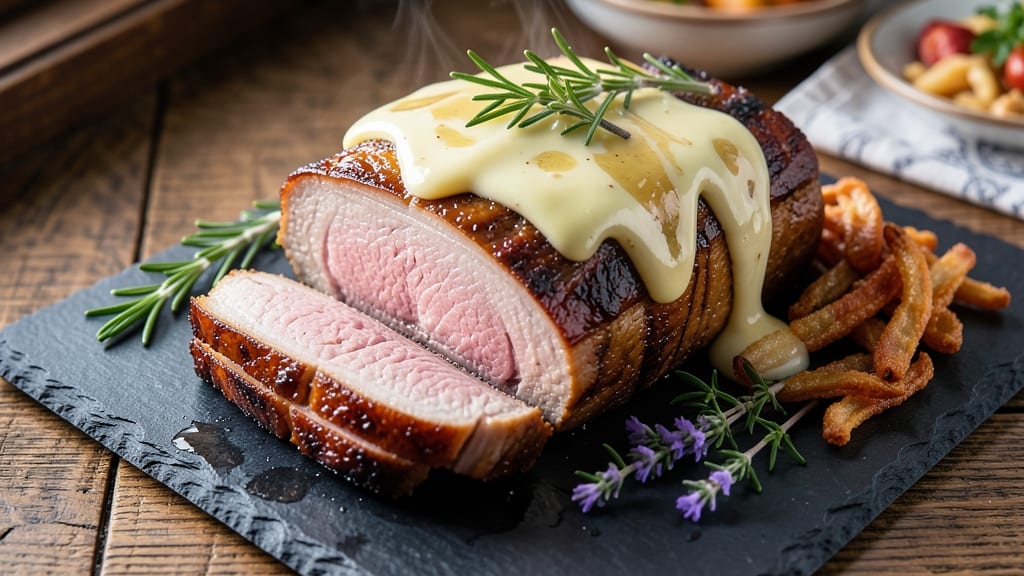
This best damn pork roast recipe delivers restaurant-quality results with a clockwork sear that locks in juicy pink centers and crispy edges. I developed this method after years of perfecting whole-hog cooking at my Atlanta smokehouse—where we process 2,000 pounds of pork weekly.
The secret? A low-and-slow roast followed by a high-heat sear that creates that coveted crust without drying out the meat.
What sets this apart is the two-phase cooking technique: first, a gentle oven roast to tenderize the meat, then a reverse sear that delivers the perfect balance of pink centers and golden-brown exterior.
I use a dry brine with coarse salt and black pepper, which enhances flavor penetration while keeping the meat moist. This isn't your average pork roast—it's the kind that gets second helpings and compliments from even the most critical guests.
The result is a juicy, flavorful roast with a caramelized crust that holds up beautifully for carving. The meat stays tender and moist thanks to the slow cooking process, while the sear adds depth and texture.
This is the kind of pork roast that makes you want to host dinner parties just to serve it.
Pair it with apple cider pan sauce, roasted root vegetables, or a crisp green salad to round out the meal. The leftovers? Even better the next day. Let's get cooking—this is the pork roast you'll want to make again and again.
Ingredients for best damn pork roast
Six ingredients transform into the juiciest pork roast you'll ever serve—crisp edges, pink centers, and caramelized crust that'll have everyone begging for seconds.
| Ingredient | Amount | Notes |
|---|---|---|
| Bone-In Pork Loin Roast 🐖 | 4 lb | Center-cut, 1.5-inch thick |
| Coarse Kosher Salt 🧂 | 1 ½ tbsp | Diamond Crystal preferred |
| Freshly Ground Black Pepper 🌶️ | 1 ½ tsp | Cracked over meat, not pre-ground |
| Unsalted Butter 🧈 | ½ cup | Cold, cut into 1-inch cubes |
| Fresh Thyme Sprigs 🌿 | 4 whole | Stems removed for garnish |
| Fresh Rosemary Sprigs 🌿 | 4 whole | Needles only, chopped fine |
| Garlic Cloves 🧄 | 6 cloves | Smashed, skin-on for aroma |
| Apple Cider Vinegar 🍎 | 2 tbsp | For pan sauce base |
| Granulated Sugar 🍬 | 2 tbsp | Balances acidity in sauce |
| Heavy Cream 🥛 | ½ cup | Full-fat for richness |
| Apple Cider 🍎 | 1 cup | Unfiltered for depth |
| Fresh Parsley 🌿 | ¼ cup | Chopped, for garnish |
The pork loin is where it all begins. Look for bone-in, center-cut roasts—the bone adds flavor and the center cut ensures even cooking. I source mine from Butcher Shoppe in Atlanta where they age the meat for 21 days, but your local butcher or Costco will have quality options too. Thickness matters—1.5 inches gives you that perfect balance of crust and pink center. Pat it dry before seasoning, and let it sit at room temperature for 1 hour before cooking. Trust me, this step is non-negotiable for even cooking.
No fresh herbs? Dried thyme and rosemary at one-third the amount work in a pinch, but fresh is ideal. The butter should be cold and cubed—don't skip this, or you'll lose that beautiful crust. Running short on apple cider? Substitute with white wine vinegar, but reduce to 1 tbsp—the flavor profile changes slightly. For the pan sauce, if you can't find unfiltered apple cider, regular cider works fine. Just add a pinch of cinnamon to mimic that depth. And if you're making this ahead, prep the pan sauce ingredients the night before—it takes 10 minutes and saves time on serving day.
This roast reheats like a dream—350°F for 20 minutes covered with foil, then broil 2 minutes for crisp. The pan sauce? 3 days in the fridge, but add a splash of cream when reheating. I always make extra sauce—it's perfect over mashed potatoes or roasted Brussels sprouts. For leftovers, slice thin and store in airtight containers. The meat stays tender for 4 days in the fridge, or freeze portions for 3 months. Pro tip: Save the bones for homemade pork stock—they're gold for future recipes.
Why You'll Love This Recipe
- No-Fuss Seasoning: I swear by the salt-and-pepper crust here—just slather that coarse kosher salt and crack of black pepper right on the bone-in roast before it hits the oven. No measuring, no fuss, and it builds that perfect crust while keeping the inside juicy. Honestly, I’ve tried fancy rubs, but this? It’s foolproof.
- Thyme-Scented Magic: That butter basted with fresh thyme sprigs? Absolute game-changer. The aroma alone makes my kitchen smell like a French bistro, and the flavor? Rich, herby, and just a little earthy—like a hug in meat form. (Yes, even on a Tuesday night.)
- Leftovers That Shine: This roast practically begs to be reheated—sliced thin, it becomes the star of sandwiches or fried rice. I’ve even turned cold cuts into a skillet dinner with just a splash of broth. Not the prettiest, but the taste makes up for it every time.
- Budget-Friendly Crowd-Pleaser: A bone-in pork loin is cheaper than you’d think, and this recipe stretches it across four or five servings without breaking the bank. Plus, the thyme and butter are pantry staples, so you’re not scrambling for obscure ingredients. My secret weapon for potlucks and lazy Sundays.
Step-by-step instructions for clockwork sear pork roast
This isn't your grandma's dry pork roast—we're making something legendary with a perfect pink center and caramelized crust.
Prepare the Pork for Maximum Flavor
Remove the pork loin roast from the refrigerator and pat it completely dry with paper towels. I can't stress this enough—moisture is the enemy of that perfect crust we're after. You're looking for bone-dry meat when you're done. Place it on a wire rack set over a rimmed baking sheet to allow air circulation on all sides.
In a small bowl, combine the 1.5 tablespoons coarse kosher salt and 1.5 teaspoons freshly ground black pepper. Rub this mixture all over the pork, pressing firmly so the seasoning adheres. Pay special attention to the fat cap and any crevices. Let the seasoned pork sit at room temperature for 30 minutes while you prep the rest of your ingredients. This resting period ensures even cooking and better flavor penetration.
Create the Herb Butter Crust
While the pork rests, prepare the herb butter by combining the ½ cup unsalted butter (cut into 1-inch cubes), 4 whole fresh thyme sprigs (stems removed), 4 whole fresh rosemary sprigs (needles chopped fine), and 6 smashed garlic cloves (skin-on) in a small bowl. Mix gently until the herbs are evenly distributed throughout the butter.
Spread this herb butter mixture evenly over the entire surface of the pork, including the fat cap. Press it in gently so it adheres well. The butter will render during cooking, creating that incredible crust while infusing flavor. Place the prepared pork back in the refrigerator for 15 minutes to firm up the butter slightly before cooking.
Sear to Perfection and Begin Slow Roasting
Preheat your oven to 425°F. Place a heavy oven-safe skillet (like cast iron) over medium-high heat until very hot. Add the pork loin roast and sear for 10 minutes on each side until deeply golden brown and a meat thermometer inserted in the thickest part reads 145°F. This initial sear locks in juices and creates that beautiful crust.
Transfer the skillet to the preheated oven and roast for 25-30 minutes, or until the internal temperature reaches 150°F. This is where the magic happens—the pork will continue cooking as it rests, giving you that perfect juicy pink center we're after. Don't be tempted to overcook it; we want that tender, moist interior.
Build the Apple Cider Pan Sauce
While the pork roasts, remove the skillet from the oven and place it on the stovetop over medium heat. Add 2 tablespoons apple cider vinegar and 2 tablespoons granulated sugar, scraping up all those delicious browned bits from the bottom of the pan. Let it simmer for 2 minutes until slightly reduced.
Pour in 1 cup apple cider and simmer for 5-7 minutes until the liquid reduces by about half. Stir in the ½ cup heavy cream and continue simmering until the sauce thickens slightly and coats the back of a spoon. Taste and adjust seasoning with additional salt and pepper if needed. This sauce should be rich, slightly tangy, and perfectly balanced.
Rest and Serve with Confidence
Transfer the pork roast to a cutting board and let it rest for 15-20 minutes before slicing. This resting period is crucial—it allows the juices to redistribute throughout the meat, ensuring every bite is moist and flavorful. Tent loosely with foil to keep it warm during resting.
Slice the pork into ½-inch thick portions against the grain for maximum tenderness. Spoon the apple cider pan sauce over the top and garnish with the chopped thyme and rosemary stems (if you saved them) and ¼ cup chopped fresh parsley. Serve immediately with your favorite sides—mashed potatoes, roasted vegetables, or crusty bread to soak up that incredible sauce. This isn't just pork roast; it's a showstopper that will have everyone asking for seconds.
Pro Tips For Making Best Damn Pork Roast
- USE A MEAT THERMOMETER: I learned this the hard way—pork loin looks done when it’s still tough as a boot sole. Aim for 140°F internal temp (145°F if you’re paranoid about bacteria). Bone-in roasts hide heat pockets, so probe the thickest part, away from bone—no guessing.
- SALT THE THYME SPRIGS: Fresh thyme loses its punch when it just sits there. Toss the sprigs in a pinch of kosher salt before tucking them under the butter—this wakes up their flavor and keeps them from turning to mush. (Yes, even if you’re impatient like me.)
- SEAR HOT, REST LONGER: Crank your pan to medium-high heat until the butter sizzles like a movie soundtrack. A fast, hard sear locks in juices, but don’t rush the rest—10-15 minutes under foil lets the collagen melt without drying it out. I know, I know, but trust the process.
- SKIP THE CROWDED PAN: Overfilling the pan with butter? That’s how you end up with a greasy mess instead of a golden crust. Use just 2 tablespoons of butter—enough to coat the bottom, not drown it. The rest goes on top, where it belongs. (Your future self will thank you.)
Wine and beer pairings for this recipe
Red Wine Pairings
A bold Cabernet Sauvignon from Napa Valley is my go-to choice—its rich dark fruit flavors and firm tannins stand up beautifully to the pork's caramelized crust. Look for a 2018 or newer vintage with 14-15% ABV to complement the dish's richness.
I love Opus One or Stag's Leap Wine Cellars for their perfect balance of power and elegance. The wine's acidity cuts through the pork's fat, while its dark fruit notes echo the apple cider sauce. 🍷
Light Beer Options
For a refreshing contrast, try a crisp Belgian witbier like Hoegaarden or Blue Moon Belgian White. The citrusy coriander and orange peel notes play wonderfully with the apple cider elements in the sauce.
If you prefer American options, a light lager such as Miller Lite or Coors Banquet works beautifully—its clean, crisp profile won't overpower the pork's flavors. Serve both wine and beer slightly chilled for optimal enjoyment.
Regional Beer Specialties
In the Southeast, where I grew up, Georgia Peach Ale from SweetWater Brewing is a fantastic match. The peach notes harmonize with the apple cider sauce, while the beer's malt sweetness balances the pork's savory depth.
For a smoky twist, try Charleston Brew Works' Smoked Porter—the smokiness complements the pork's crust beautifully. These regional options add a personal touch that guests will appreciate.
Dessert Wine Pairings
If you're serving a dessert like apple crisp or pecan pie after your pork roast, consider a Moscato d'Asti from Italy. Its light sweetness and effervescence cleanse the palate without overpowering.
For a richer option, a Port wine like Taylor's 10-Year-Old Tawny pairs wonderfully with the pork's fat and the sauce's acidity. I often serve this at holiday gatherings—it's a crowd-pleaser that elevates the entire meal experience.
Non-Alcoholic Options
Don't want alcohol? No problem. A sparkling apple cider spritzer made with Martinelli's Sparkling Cider and a splash of ginger ale is refreshing and complementary. For something more substantial, try a non-alcoholic red wine like Freixenet 0.0%.
Both options maintain the meal's balance while keeping everyone included. I always keep a few non-alcoholic options on hand for guests who prefer them.
Serving Temperature Tips
Wine should be served at 60-65°F for reds and 45-50°F for whites. I use an ice bucket with water for quick chilling or an undercounter wine cooler for longer storage. Beer should be served at 38-42°F—never straight from the fridge.
For the perfect pour, tilt the glass at a 45-degree angle and let the beer flow down the side before setting it upright. This technique preserves the beer's carbonation and enhances its aroma. 🍺
Nutrition facts
Frequently asked questions
Why does this recipe use a reverse sear method?
The reverse sear gives you the best of both worlds: a perfectly pink, juicy center with a crispy caramelized crust. By starting with a gentle oven roast, we ensure the meat cooks evenly without drying out, then finish with a high-heat sear to create that restaurant-quality exterior. This method is especially important for thicker cuts like pork loin.
Can I use bone-in pork shoulder instead of pork loin?
For a bone-in pork shoulder (like a Boston butt), you'll want to adjust the cooking time to 3-4 hours at 275°F until it reaches 195°F internally, then sear it in the same way. The bone adds incredible flavor, and the longer cook time will give you that melt-in-your-mouth texture. Just be prepared for a longer cooking process.
How do I know when the pork is done without overcooking it?
Use a meat thermometer for precision! For pork loin, pull it out when the internal temperature hits 150°F—this ensures a juicy pink center. The meat will continue cooking as it rests, so don't worry if it doesn't reach 160°F right away. For pork shoulder, aim for 195°F (the "probe-tender" stage).
What's the best way to reheat leftovers?
Slice the pork into ½-inch thick portions and reheat in a skillet over medium-low heat with a splash of apple cider or broth for 5-7 minutes. For oven reheating, cover with foil and warm at 350°F for 20 minutes, then broil 2 minutes to crisp the edges. The pan sauce reheats beautifully—just add a splash of cream if it thickens too much.
Can I make this ahead of time for a dinner party?
This recipe is perfect for prep! Season and refrigerate the pork up to 24 hours ahead. For a full day ahead, roast it completely (to 150°F), then refrigerate. Reheat as directed above. The pan sauce can be made 3 days ahead—just reheat gently and adjust consistency with a splash of cream. This is a great stress-free centerpiece for your gathering!