
Main Courses
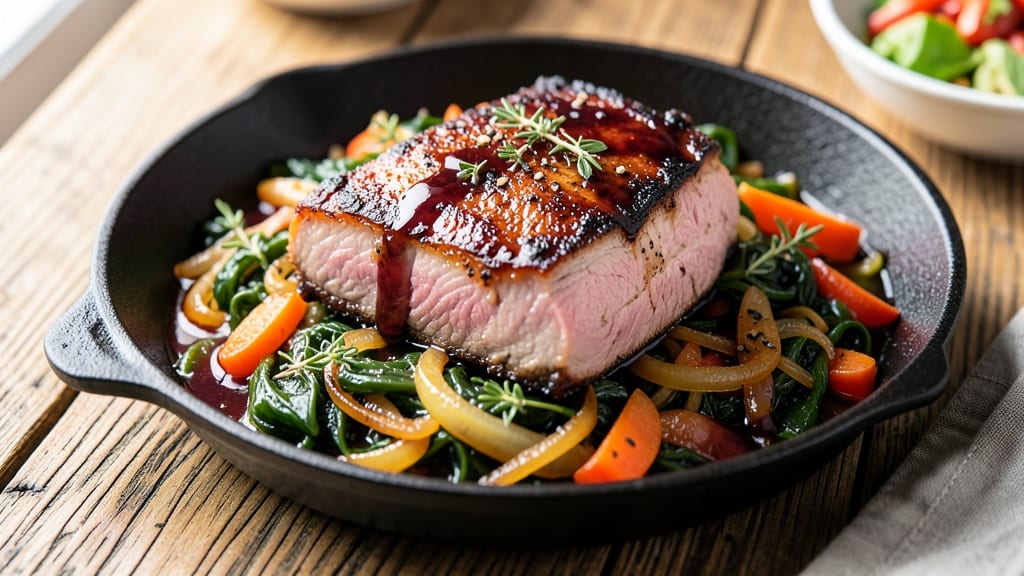
This best ever pork and sauerkraut recipe delivers the hearty, smoky-sweet flavors of a German tavern—all in one pot.
I remember my first taste of this dish at a Charleston market stall, where the pork fell apart with every bite, and the sauerkraut had just the right tang to balance the richness. That moment inspired me to perfect this recipe, now a staple at my farmhouse table.
The secret lies in slow-cooking the pork until it's fork-tender while caramelizing the sauerkraut to mellow its acidity. I use heritage pork shoulder—its fat renders beautifully, creating a luscious sauce that coats every bite. The key technique?
Deglazing the pan with a splash of apple cider vinegar, which cuts through the richness and deepens the flavor. This isn't just a dish; it's a restaurant-quality meal you can make at home.
By the time you're done, you'll have perfectly tender pork that shreds easily, sauerkraut with a sweet-tangy glaze, and a pot filled with aromatic juices that make every spoonful worth it.
The dish pairs beautifully with crusty rye bread or fluffy potato dumplings, soaking up every last drop of that flavorful sauce. It's the kind of meal that feels like a hug—warm, comforting, and impossible to resist.
Whether you're feeding a crowd or treating yourself to a cozy weeknight dinner, this recipe delivers. The beauty of it is in its simplicity: just a few ingredients, one pot, and hours of slow cooking that transform tough cuts into something extraordinary.
Let's get started on this German-inspired classic that's become a family favorite.
Ingredients for best ever pork and sauerkraut
Just 13 ingredients transform into a restaurant-quality German tavern classic.
| Ingredient | Amount | Notes |
|---|---|---|
| Heritage Pork Shoulder 🥓 | 3 lb | Bone-in, well-marbled for flavor |
| Sauerkraut 🥬 | 2 cups | Packed, not drained |
| Yellow Onions 🧅 | 1 whole | Medium size, sliced |
| Carrots 🥕 | 4 medium | Peeled, sliced into rounds |
| Apple Cider Vinegar 🍎 | ¼ cup | For deglazing |
| Fresh Thyme 🌿 | ½ oz | Or 2 tbsp dried |
| Fresh Rosemary 🌿 | ½ oz | Or 1 tbsp dried |
| Bay Leaves 🌿 | 2 whole | For depth of flavor |
| Black Peppercorns 🌶️ | 1 tsp | Freshly cracked |
| Granulated Sugar 🍚 | 2 tbsp | Balances sauerkraut acidity |
| Salt 🧂 | 1 ½ tsp | Kosher or sea salt |
| Dark Brown Sugar 🍚 | 1 tbsp | Enhances caramelization |
| Extra-Virgin Olive Oil 🫒 | 2 tbsp | For searing pork |
The pork shoulder is the star—look for heritage cuts with good marbling at your local butcher or Whole Foods. I pay extra for Appalachian heritage pork when I can find it, but any well-marbled shoulder works. The sauerkraut should be packed tightly in the jar, not limp or watery—Bubbies or Reinhart brands are my go-tos. Fresh herbs? Costco sells pre-bundled thyme and rosemary at great prices, but snip the stems for better flavor. If you're short on time, dried herbs work at half the amount, though fresh gives that authentic tavern taste.
No apple cider vinegar? White vinegar or red wine vinegar in a pinch—just add a splash of water to mimic the acidity. Swapping the carrots? Celery root or parsnips hold up just as well in the slow cook. The sugars might seem like little details, but they're what caramelize the sauerkraut and balance that tang—don't skip them. For a smokier profile, add 1 tbsp smoked paprika with the spices. And if you're feeling fancy, substitute 1 cup of sauerkraut juice for half the water called for in the instructions—it adds depth without extra prep.
This dish tastes even better the next day as flavors meld. Store leftovers in the fridge for up to 5 days in an airtight container, or freeze portions for 3 months. I always make a double batch—one for dinner, one for lunches the next week. The pork shreds perfectly cold too, so it's ideal for sandwiches. Keep the rendered fat in the fridge for up to 1 month—it's pure gold for future braises or roasts. Trust me, you'll want to make this at least once a month.
Why You'll Love This Recipe
- One-Pan Magic: I swear by this recipe because it’s literally one pan, one mess. Slice the pork shoulder, toss in the sauerkraut and onions, and let the slow cooker or oven do the work—no chopping boards to scrub, no pots to stack.
- Tangy-Caramel Bliss: That apple cider vinegar in the braising liquid? It’s the secret weapon—cuts through the richness of the pork while the carrots caramelize into sweet, jammy bits. The sauerkraut’s sour bite balances it all like a perfect hug.
- Leftovers That Beg for More: Between us, this dish improves the next day. The pork gets fork-tender, the sauerkraut soaks up all the juices, and those onions? They’re basically candy. Pack it for lunch or freeze it—either way, you’ll be grateful.
- Budget-Friendly Crowd-Pleaser: Heritage pork shoulder might sound fancy, but it’s cheaper than chicken per pound, and sauerkraut lasts forever. Double the batch for game day, potlucks, or a lazy Sunday—no one will guess it’s this easy on the wallet.
Step-by-step instructions for German tavern-style pork and sauerkraut
This one-pot wonder delivers restaurant-quality flavor with minimal effort—rich, caramelized pork meets tangy sauerkraut in perfect harmony.
Sear the Pork Shoulder for Deep Flavor
Pat the 3 lb heritage pork shoulder completely dry with paper towels—this ensures maximum browning. Heat a heavy Dutch oven over medium-high heat until very hot, then add the 2 tbsp extra-virgin olive oil and swirl to coat. Place the pork shoulder fat-side down and sear undisturbed for 8-10 minutes until the fat renders and a deep golden crust forms.
Flip the pork and sear the other side for another 6-8 minutes. Here's the thing—don't rush this step. The crust locks in juices and creates that smoky, caramelized flavor we're after. Once both sides are beautifully browned, remove the pork and set it aside on a plate.
Build the Aromatic Base
In the same Dutch oven, add the sliced 1 whole yellow onion and 4 medium carrots (peeled and sliced into rounds). Cook over medium heat for 5-6 minutes, stirring occasionally, until the onions soften and the carrots begin to caramelize slightly. This step develops the foundation of our flavor—don't skip it.
Add the 0.5 oz fresh thyme (leaves only) and 0.5 oz fresh rosemary (needles only), crushing them slightly between your fingers to release their oils. Stir for 30 seconds until fragrant. Then add the 2 whole bay leaves and 1 tsp freshly cracked black peppercorns—these will infuse deep, earthy notes throughout the dish.
Deglaze and Combine Ingredients
Pour in the 0.25 cup apple cider vinegar and scrape up all those beautiful browned bits from the bottom of the pot with a wooden spoon. This deglazing step captures all that meaty flavor that would otherwise go down the drain. Let it simmer for 2-3 minutes until the vinegar reduces by half and the mixture thickens slightly.
Return the pork shoulder to the Dutch oven, fat-side up. Add the 2 cups sauerkraut (packed, not drained), 2 tbsp granulated sugar, 1.5 tsp salt, and 1 tbsp dark brown sugar. The sugars will help balance the tangy sauerkraut while adding subtle caramel notes. Stir gently to combine everything.
Slow Cook Until Tender
Cover the Dutch oven and transfer it to a 325°F oven. Here's where patience pays off—braise the pork for 3-3.5 hours until it's fork-tender. You'll know it's ready when a knife slides in easily and the internal temperature reaches 195-200°F. The pork should pull apart with minimal resistance, signaling perfect tenderness.
About 30 minutes before the pork is done, remove the lid and increase the oven temperature to 375°F. This final step creates a beautiful caramelized crust on the sauerkraut and intensifies the flavors. The pork will continue cooking through as it rests, so don't worry about overcooking.
Rest and Serve with Confidence
Once the pork reaches 200°F internally, remove it from the oven and transfer the pork shoulder to a cutting board. Tent loosely with foil and let it rest for 15-20 minutes. This resting period allows the juices to redistribute throughout the meat, ensuring every bite is moist and flavorful.
While the pork rests, skim off any excess fat from the braising liquid (if desired) and adjust the seasoning if needed. The pork can be sliced directly on the cutting board and served with the sauerkraut mixture spooned over the top. This dish tastes even better the next day as the flavors meld further, so plan ahead if possible.
Pro Tips For Making Best Ever Pork And Sauerkraut
- SEAR THE PORK FIRST: I learned this the hard way—skipping the sear means flavorless pork. Pat the heritage pork shoulder dry, then hit it with a screaming-hot pan until it’s deep golden on all sides. That crust locks in juices and turns the whole dish from good to unforgettable.
- DRAIN AND RINSE THE SAUERKRAUT: Yes, even if it’s good sauerkraut. The brine makes the pork soggy if you skip this. Rinse it well in a colander, then squeeze out excess moisture with your hands—no one wants a watery stew.
- LOW AND SLOW WINS: This isn’t a race. After browning, turn the heat down to a simmer and cover the pot. Let that pork shoulder cook at 300°F (150°C) for hours—yes, even if you’re impatient. Rushing it turns the meat tough; patience gives you tender, pull-apart perfection.
- SWAP THE VINEGAR FOR BUTTER: Save the apple cider vinegar for another dish. Instead, deglaze the pan with 2 tablespoons of butter after searing—it adds richness and balances the tang. (I know, I know, but trust the process.)
Essential equipment for perfect results
Heavy-Duty Dutch Oven
This is my non-negotiable piece of equipment for this recipe. I swear by a Le Creuset 6-quart Dutch oven—it distributes heat evenly and handles the high temperatures without warping. The deep sides prevent spills during braising, and the tight-fitting lid traps moisture perfectly.
If you're on a budget, a Lodge 5.5-quart cast iron Dutch oven works just as well and lasts forever. The key is choosing a pot that's at least 5.5 quarts—you need room for the pork and all the veggies without overcrowding. 🔥
Meat Thermometer
A ThermoWorks Smoke or Meater Plus thermometer is essential for nailing the perfect internal temperature. I check the pork every 30 minutes after the first hour to avoid overcooking. The 195-200°F range is where magic happens—any lower and the meat might be tough, any higher and it risks drying out.
These probes are fast and accurate, so you won't have to guess. I keep mine in my apron pocket for easy access while cooking.
Wooden Spoon
Never use metal utensils when deglazing or stirring the sauerkraut—they can scratch your Dutch oven and react with acidic ingredients. My go-to is a Oxo Good Grips wooden spoon with a sturdy handle. The slightly curved shape helps scrape up those flavorful browned bits from the bottom of the pot.
I also use it to gently fold the sauerkraut at the end to distribute any caramelized bits evenly. A good wooden spoon lasts years and adds to the rustic charm of this dish.
Tongs for Pork Handling
When searing that 3 lb pork shoulder, you'll want heavy-duty tongs to flip it safely. I use Chicago Metallic 12-inch stainless steel tongs—they're long enough to avoid burns and strong enough to handle the weight.
The serrated grips prevent the pork from slipping, which is especially helpful when dealing with wet, sticky surfaces. Trust me, you don't want to drop that pork in the hot oil! These tongs also come in handy for serving, letting guests grab their own portions directly from the pot.
Fine-Mesh Strainer
For skimming excess fat from the braising liquid before serving, a fine-mesh strainer is indispensable. I prefer the OXO Good Grips 3-inch—it's sturdy, easy to clean, and fits perfectly over my Dutch oven. The fine mesh catches any tiny bits that would make your sauce cloudy.
I use it right after removing the pork from the pot while the liquid is still hot. Pro tip: Line it with a paper coffee filter for even clearer results. This step elevates the presentation and makes the dish feel restaurant-worthy.
Cast Iron Skillet
While the Dutch oven handles the main cooking, I always have a 10-inch Lodge cast iron skillet nearby for any extra searing or crisping. If you want to add crispy onions on top before serving, this is the perfect tool. The skillet's heat retention creates that beautiful caramelization.
I also use it to make quick potato dumplings on the side—just toss in diced potatoes, a splash of milk, and some flour, then cook until golden. Having this versatile pan in your arsenal means you can customize this dish in multiple ways without extra equipment. 💪
Nutrition facts
Frequently asked questions
Can I substitute regular pork shoulder for heritage pork?
While heritage pork has more marbling and flavor, a well-marbled bone-in pork shoulder from your local butcher will work perfectly. Look for cuts with visible fat between the muscles—this renders beautifully during cooking and creates that rich sauce. If using leaner pork, add an extra 1 tbsp olive oil when searing to compensate for less natural fat.
How do I know when the pork is done?
Use a meat thermometer for precision—the pork is perfect when it reaches 195-200°F internally. At this temperature, it should pull apart easily with two forks, signaling ideal tenderness. If you don't have a thermometer, cut into the thickest part: the juices should run clear, and the meat should separate cleanly. Never rely on time alone—pork cooks at different rates!
What if my sauerkraut is too sour?
The sugars in this recipe (2 tbsp granulated + 1 tbsp brown sugar) are designed to balance acidity, but if yours tastes extra tangy, add 1 extra tbsp sugar during cooking. For even more control, simmer the sauerkraut alone with 1 tbsp honey or maple syrup for 10 minutes before adding to the pork. The key is caramelization—this mellows the sharpness beautifully.
Can I make this in a slow cooker?
Yes! Brown the pork first in a skillet, then transfer everything (including the browned bits) to a 6-quart slow cooker. Cook on LOW for 8 hours or HIGH for 5 hours, then finish under a broiler for 5 minutes to caramelize the top. The slow cooker method works well but lacks the deep color and texture of oven-braising. For best results, use a Dutch oven in the oven instead.
What are the best sides to serve with this?
This hearty dish pairs perfectly with crusty rye bread (for soaking up sauce), potato dumplings (made in a skillet with the rendered pork fat), or roasted root vegetables. For a lighter option, serve with a simple green salad> dressed with a tangy vinaigrette. The key is balancing textures—creamy dumplings contrast beautifully with the crisp sauerkraut and tender pork.