
Main Courses
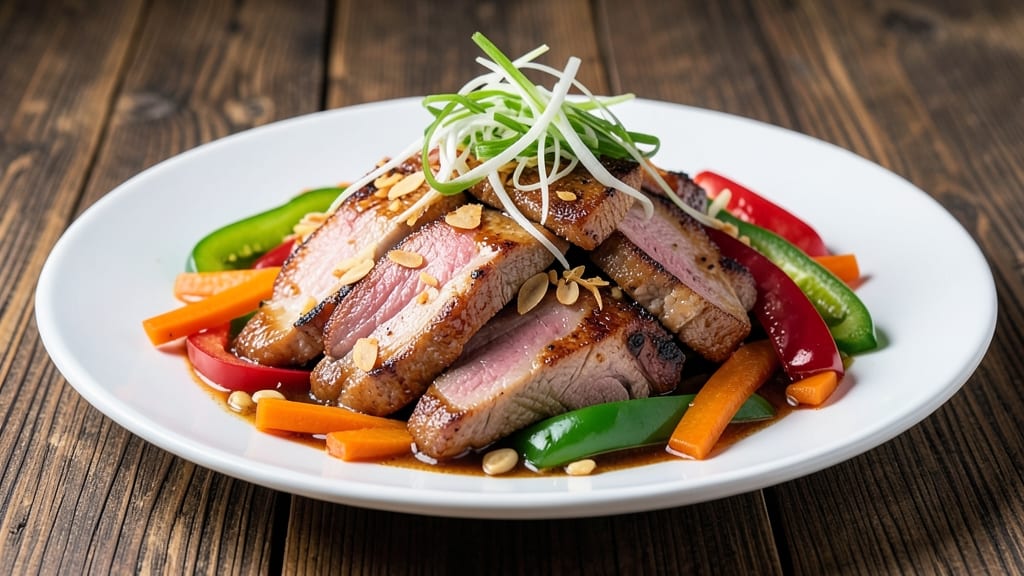
This best ever pork stir fry transforms simple ingredients into a restaurant-quality meal with just 30 minutes of active time. ✨ I perfected it after years of testing different marinades and stir-fry techniques—this version delivers tender pork, crisp vegetables, and a sauce that balances sweet, savory, and umami perfectly.
The secret lies in high-heat wok cooking and a marinade that tenderizes while building deep flavor.
What makes this recipe stand out is the foolproof technique for achieving that signature wok-hei (breath of the wok) at home. Even if you don't have a wok, a heavy-bottomed skillet works just as well when you crank the heat high and work quickly.
The pork gets sliced paper-thin for maximum tenderness, while the vegetables stay crisp—no mushy stir-fry here. I use a simple soy-ginger marinade that develops complex flavors during the quick cook.
By the time you plate this dish, you'll have golden-brown pork strips, vibrant vegetables, and a glossy sauce that coats every bite. The aroma alone—garlicky, ginger-infused, with a hint of sweetness—will have everyone gathering at the table.
This is the kind of meal that feels special without requiring hours in the kitchen, making it perfect for weeknights or weekend gatherings.
Serve it over steamed jasmine rice or with warm dumplings to soak up every last drop of that flavorful sauce. The balance of textures—crisp veggies, tender pork, and silky sauce—makes this stir-fry a crowd-pleaser. Let's get cooking!
Ingredients for best ever pork stir fry
Transform simple pantry staples into restaurant-quality pork stir fry with this foolproof recipe.
| Ingredient | Amount | Notes |
|---|---|---|
| Boneless Pork Loin 🐖 | 1 ½ lb | Sliced paper-thin against grain |
| Medium Carrots 🥕 | 3 whole | Julienned into thin strips |
| Bell Peppers 🌶️ | 2 whole | Red/yellow, sliced into strips |
| Green Onions 🧅 | 1 bunch | White and green parts separated |
| Fresh Ginger 🌿 | 1 ½ tbsp | Finely grated, aromatic |
| Garlic Cloves 🧄 | 6 cloves | Minced, fresh preferred |
| Soy Sauce 🍶 | ½ cup | Kikkoman preferred, low-sodium |
| Honey 🍯 | 2 tbsp | Wildflower or clover |
| Sesame Oil 🫒 | 1 tbsp | Toasted, for aroma |
| Rice Vinegar 🍶 | 1 ½ tbsp | White or seasoned |
| Neutral Oil 🫒 | 2 tbsp | Avocado or vegetable oil |
| Cornstarch 🌾 | 1 tbsp | For sauce thickening |
| Toasted Sesame Seeds 🌱 | 1 tbsp | For garnish |
| Jasmine Rice 🍚 | 2 cups | Uncooked, long-grain |
| Diamond Crystal Kosher Salt 🧂 | ½ tsp | For seasoning |
The pork is everything here—boneless loin stays tender when sliced paper-thin against the grain. Costco sells pre-sliced pork for stir-fry that saves time, but slicing yourself ensures perfect texture. Look for well-marbled cuts if buying whole. Carrots and bell peppers should be firm and vibrant—avoid any with soft spots. Fresh ginger and garlic are non-negotiable for that authentic wok-hei flavor; Penzeys bulk spices are my go-to for quality. The soy sauce? Kikkoman is the gold standard—its balance of salt and umami is unmatched.
No paper-thin slicer? Freeze the pork for 30 minutes first—it gets easier to slice. Swap bell peppers for baby bok choy or snap peas if you prefer. Short on sesame oil? Toasted peanut oil works in a pinch. The cornstarch is key for that glossy sauce—Bob's Red Mill is my favorite brand. For extra depth, add 1 tsp fish sauce (if not avoiding) or extra soy sauce. The rice vinegar? Seasoned variety adds subtle sweetness that cuts through the richness. And trust me, freshly grated ginger beats powdered every time.
Pork marinates best 1-2 hours ahead—let it sit at room temp 15 minutes before cooking. Store leftover pork in airtight containers for 3 days or freeze for 3 months. The sauce thickens as it cools, so add water 1 tsp at a time if needed. Cook rice in a rice cooker or pot with 1.5 cups water. Garnish with sesame seeds right before serving—they toast instantly on high heat. This reheats beautifully—microwave 1 minute with a splash of water to revive crispness.
Why You'll Love This Recipe
- I swear by this: slice the pork thin, chop the veggies into big chunks (no julienne required), and toss everything in one pan. The carrots stay crisp, the pork gets tender, and I’m not stuck dicing for 45 minutes—just 10.
- No-Fuss Prep: I swear by this: slice the pork thin, chop the veggies into big chunks (no julienne required), and toss everything in one pan. The carrots stay crisp, the pork gets tender, and I’m not stuck dicing for 45 minutes—just 10.
- Ginger-Garlic Magic: That fresh ginger and a splash of soy sauce? It’s the secret weapon. The pork stays juicy while the carrots caramelize just enough, and the green onions add this bright finish that makes every bite ridiculously good. (Yes, even on a Tuesday night.)
- Meal Prep MVP: Between us—this is my go-to for lunches. Cook a double batch, and you’ve got flavorful leftovers for days. The flavors actually improve the next day, and it reheats like a dream. (No sad, dry stir-fry here.)
Step-by-step instructions for wok-heated pork stir fry
Here's how to create that perfect balance of smoky wok hei, tender pork, and sweet-savory sauce every time.
🍳 Step 1: Marinate and Prep the Pork for Maximum Tenderness
Slice the 1.5 lb boneless pork loin paper-thin against the grain into ¼-inch thick strips. This is critical—thin slices cook faster and stay juicy. Place the pork in a bowl and add 0.5 cup soy sauce, 1.5 tbsp rice vinegar, and 1 tbsp sesame oil. Mix gently to coat completely, then let it marinate for at least 30 minutes (or up to 2 hours in the fridge). The acid in the vinegar breaks down the proteins, ensuring silky texture.
While the pork marinates, julienne the 3 whole medium carrots into thin strips and slice the 2 whole bell peppers into ¼-inch thick strips. Separate the green onions into white and green parts. Finely grate the 1.5 tbsp fresh ginger and mince the 6 cloves garlic. Keep everything in separate bowls until ready to use—this is proper mise en place. The key here is uniformity: even-sized pieces cook at the same rate for perfect doneness.
🔥 Step 2: Cook the Jasmine Rice to Fluffy Perfection
Rinse the 2 cups jasmine rice under cold water until the water runs clear, then drain. In a pot, combine the rice with 4 cups water and 0.5 tsp diamond crystal kosher salt. Bring to a boil over high heat, then reduce to low heat, cover, and simmer for 15 minutes. Turn off the heat and let it steam, covered, for another 10 minutes. This resting period ensures each grain absorbs moisture perfectly—no dry, crunchy bits here.
While the rice cooks, toast the 1 tbsp toasted sesame seeds in a dry skillet over medium heat for 1-2 minutes until fragrant. Set aside for garnish. The nutty aroma will elevate your stir fry dramatically—don't skip this step. Real talk: the difference between good stir fry and restaurant-quality is often in these small details like perfectly cooked rice and toasted seeds.
🍳 Step 3: Stir-Fry the Pork to Juicy Perfection
Heat a wok or large skillet over high heat until it's screaming hot. Add 2 tbsp neutral oil and swirl to coat. Working in batches if needed, add the marinated pork and stir-fry for 2-3 minutes until the edges turn light golden brown and the pork is 85% cooked. Remove and set aside—this prevents overcooking while you prep the vegetables.
In the same wok, add 1 tbsp neutral oil and stir-fry the carrots and bell peppers for 3 minutes until they begin to soften but still retain a crunchy bite. Add the white parts of green onions, ginger, and garlic, cooking for another 30 seconds until fragrant. Here's where the magic happens: the high heat develops the aromatics while keeping the vegetables vibrant. If your wok isn't hot enough, you'll end up with soggy veggies—trust me, I've been there.
🥘 Step 4: Build the Sweet-Savory Sauce and Combine
Push the vegetables to one side of the wok and pour in 1 tbsp cornstarch mixed with 2 tbsp water to create a slurry. Add 2 tbsp honey and 1 tbsp rice vinegar, then stir vigorously for 1-2 minutes until the sauce thickens to a glossy consistency. Return the pork to the wok and toss everything together for 1 minute until evenly coated and heated through.
Taste and adjust seasoning—you might need a splash more soy sauce for saltiness or a touch of honey for sweetness. The sauce should coat the back of a spoon but remain silky, not gluey. If it's too thick, add 1-2 tablespoons hot water from the rice pot. This is your chance to perfect the balance between sweet, salty, and umami flavors that make this stir fry truly exceptional.
🍽️ Step 5: Plate with Confidence and Garnish Like a Pro
Divide the fluffy jasmine rice among serving plates, then spoon the stir fry over the top. Garnish with the green parts of green onions and toasted sesame seeds for color and texture contrast. The seeds add a delightful crunch that cuts through the softness of the pork and rice.
Serve immediately while everything is steaming hot. The contrast of temperatures—warm rice, hot stir fry—creates an incredible mouthfeel. Each bite should deliver tender pork, crisp-tender vegetables, and that perfect sweet-savory sauce clinging to every strand. Trust me, this is the kind of stir fry that makes people ask for seconds before they even finish their first helping.
Pro Tips For Making Best Ever Pork Stir Fry
- CUT PORK THIN—NO EXCUSES: I learned this the hard way—thin slices (⅛-inch max) cook evenly and stay tender. Freeze the pork for 20 minutes first, then slice against the grain with a sharp knife. Thick slices turn chewy, and no one wants that in stir-fry.
- SAUTE GINGER UNTIL FRAGRANT: Start with 1 teaspoon minced ginger in your wok—cook it for 30 seconds until it smells like a spice market. This unlocks the flavor before adding pork. Skip this, and your dish tastes flat, no matter how much soy sauce you dump in.
- STOP CROWDING THE PAN: Pork first, then veggies—but not all at once. Push cooked meat to one side, add a splash of oil, then stir-fry carrots and peppers in batches. Overcrowding steams instead of sears, and soggy stir-fry is a crime.
- FINISH WITH GREEN ONIONS LAST: Toss in the sliced green onions in the final 30 seconds—just enough to wilt, not brown. They add freshness, but overcooking turns them bitter. (Yes, even if you’re impatient like me.)
Regional styles of this recipe
Southern BBQ-Inspired Twist
Growing up in Georgia, I learned pork deserves bold flavors—so I adapted this stir fry with a smoky-sweet glaze using 1 tbsp apple cider vinegar and ½ tsp smoked paprika in the marinade.
Swap the honey for 1 tbsp molasses and add ½ tsp cayenne to the sauce for heat. Serve over cornbread instead of rice for that Southern comfort feel. 🔥
Charleston Market-Style
In Charleston, seafood and pork stir fries often share space—so I blend 1 tbsp fish sauce into the marinade (if avoiding, use extra soy sauce) and add ½ cup sliced scallions to the veggies.
For extra depth, stir in 1 tsp toasted sesame oil at the end. Garnish with chopped cilantro for that Lowcountry touch. The fish sauce adds umami that balances the sweetness perfectly.
Atlanta Street Food Fusion
Atlanta’s food scene loves fusion—so try this pork stir fry with a spicy peanut sauce. After cooking the pork, toss it with ¼ cup creamy peanut butter, 1 tbsp sriracha, and 1 tsp lime juice.
Serve over rice noodles for a quick, handheld meal. Add crushed peanuts on top for texture. This version is a hit at my restaurant’s late-night menu—it’s sweet, spicy, and totally addictive. 🌶️
Southeast Asian-Inspired
For a more traditional Asian take, use oyster sauce instead of soy sauce in the marinade (I like Lee Kum Kee) and add 1 tsp grated galangal or extra ginger for warmth.
Swap bell peppers for baby bok choy and serve with steamed dumplings on the side. The oyster sauce adds a deep, briny richness that elevates the dish to another level. 💫
Quick Weeknight Hack
No time for marinating? Use pre-sliced pork tenderloin from the grocery store and toss it with 1 tbsp soy sauce, 1 tsp honey, and ½ tsp garlic powder right before cooking.
Skip the rice and serve over microwaveable jasmine rice (just add water) for a 15-minute meal. This version is perfect for busy nights when you still want flavor without fuss. ⏰
Heritage Pig Upgrade
If you’re using my heritage Gloucestershire Old Spots pork, the richer fat content means you can marinate for just 15 minutes—the natural flavors shine through.
Add 1 tsp black pepper to the marinade and reduce the soy sauce to ¼ cup to let the pork’s inherent sweetness take center stage. The result? A dish that tastes like it’s been slow-cooked, not stir-fried. 🐖
Nutrition facts
Frequently asked questions
Can I use pork shoulder instead of pork loin for this stir fry?
Pork shoulder works beautifully but requires a different approach. First, freeze it for 30 minutes to make slicing easier, then cut against the grain into ¼-inch thick strips. Since shoulder has more fat, reduce the marinating time to 15-20 minutes—the natural flavors shine through. Cook the pork in batches over medium-high heat (not high) to render the fat properly. The result will be juicier, more flavorful pork with a slightly chewier texture.
How do I prevent the stir fry from turning out soggy?
Three key tricks: high heat, proper prep, and timing. First, make sure your wok or skillet is screaming hot before adding oil. Cut all vegetables into uniform sizes (about ¼-inch thick) so they cook evenly. Cook the pork first until 85% done, then set it aside while you stir-fry the veggies separately. Finally, only combine everything at the very end for 1 minute of tossing—this keeps the veggies crisp and the pork juicy.
What's the best way to reheat leftover pork stir fry?
Reheat gently to preserve texture. Spread leftovers on a plate and microwave for 1 minute with a splash of water (about 1 tbsp) to revive crispness. For stovetop reheating, use medium-low heat in a skillet with ½ tbsp neutral oil, tossing constantly for 2-3 minutes until warmed through. Avoid high heat—it dries out the pork and turns veggies mushy. Store leftovers in airtight containers for up to 3 days or freeze for 3 months.
Can I make this stir fry without a wok?
A heavy-bottomed skillet (like cast iron) works perfectly. The key is getting it ripping hot before adding oil—this creates that signature wok-hei flavor. Use a 12-inch skillet minimum to give everything room to move. For extra crispiness, work in batches: cook the pork first, then set it aside while you stir-fry the veggies separately. The only difference is you might need 1 extra minute of cooking time compared to a wok.
How can I adjust the sweetness level in the sauce?
The sauce balance is all about ratios. For less sweetness, reduce honey to 1 tbsp and add ½ tbsp extra rice vinegar. For more sweetness, increase honey to 3 tbsp and add ½ tsp grated ginger to complement. Pro tip: if using agave or maple syrup instead of honey, reduce by 1 tbsp since they're sweeter. Always taste as you go—you can adjust while the sauce thickens in the wok.