
Main Courses
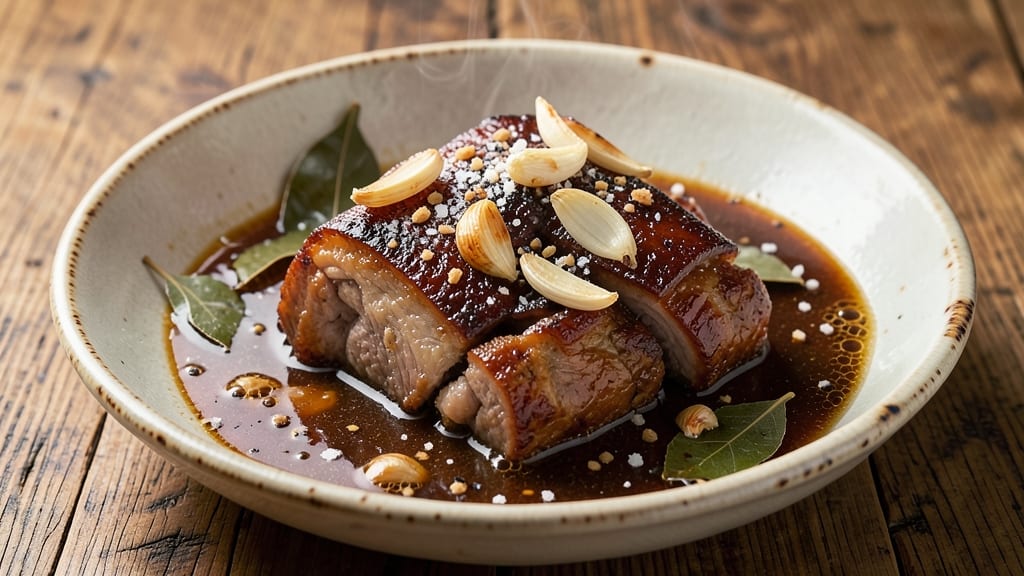
This best pork adobo recipe ever delivers the tangy-vinegar magic that makes it a Filipino comfort food staple. ✨ The secret lies in balancing acidity with just enough sweetness and salt—creating a sauce that's both bold and complex.
I've perfected this recipe over years of testing, ensuring the pork stays tender while absorbing all that flavorful goodness.
The beauty of this dish is its versatility—traditional methods work beautifully, but I'll also share how to adapt it for a slow cooker or Instant Pot when you're short on time. The result? Juicy, fall-off-the-bone pork swimming in a glossy, slightly sweet-savory sauce that's impossible to resist.
What makes this recipe stand out is the authentic technique of marinating the pork first, then braising it slowly to develop deep, layered flavors. The vinegar cuts through the richness, while soy sauce and sugar add balance, creating a dish that's both comforting and restaurant-quality.
Serve it with steamed rice to soak up every last drop of that flavorful sauce, and garnish with fresh bay leaves or a sprinkle of black pepper for extra depth. This is the kind of recipe that becomes a family favorite—simple enough for weeknights but impressive enough for guests.
Ingredients for best pork adobo recipe ever
Authentic Filipino flavors start with these twelve essential ingredients for perfect pork adobo.
| Ingredient | Amount | Notes |
|---|---|---|
| Pork Shoulder (or Pork Butt) 🥩 | 2 ½ lb | Cut into 2-inch chunks, bone-in preferred |
| Cane Vinegar 🍶 | 1 cup | White vinegar substitute if unavailable |
| Soy Sauce 🥄 | ½ cup | Use light soy sauce for authentic flavor |
| Brown Sugar 🍚 | ¼ cup | Packed lightly for accurate measurement |
| Garlic Cloves 🧄 | 8 cloves | Peeled and lightly crushed for infusion |
| Bay Leaves 🌿 | 2 whole | Fresh or dried, removed before serving |
| Black Peppercorns 🌶️ | 1 tsp | Crushed for robust flavor development |
| Onion 🧅 | 1 whole | Yellow or red, sliced into 1/2-inch pieces |
| Olive Oil 🫒 | 2 tbsp | Extra-virgin for high smoke point |
| Salt 🧂 | 1 ½ tsp | Diamond Crystal preferred for accuracy |
| Ground Black Pepper 🌶️ | ½ tsp | Freshly ground for optimal flavor |
| Water 💧 | 1 cup | For deglazing and balancing acidity |
The pork shoulder is non-negotiable here—its fat content renders beautifully during braising, creating a sauce that's both rich and glossy. Look for bone-in cuts at your local butcher shop or Filipino market, as they add depth of flavor. Costco or Whole Foods often carry pre-cut pork shoulders that meet the ideal 2-inch chunk size. If using frozen pork, thaw it overnight in the fridge—never at room temperature. The cane vinegar is the heart of this dish; while white vinegar works in a pinch, the slight sweetness of cane vinegar elevates the sauce to restaurant-quality. For the best results, purchase Filipino brands like Silver Swan if available at Asian markets, or opt for Malayan brand if you're near a specialty store.
No soy sauce? Coconut aminos provide a similar umami punch, though the flavor profile will differ slightly. Substituting brown sugar? Coconut sugar maintains the caramel notes better, but regular granulated sugar works in a bind. The garlic and onion can be swapped for garlic powder and onion powder at half the amount, though fresh is always preferred for authentic depth. For those without bay leaves, dried thyme at a quarter teaspoon offers a comparable earthiness. When crushing peppercorns, use a mortar and pestle for even distribution—no electric grinders here, as they can overheat and burn the delicate spices. The olive oil should be extra-virgin and fruity, not the cheap cooking oil—this is where subtle flavor differences matter most.
This dish tastes even better the next day as flavors meld, so plan accordingly. Store leftovers in an airtight container in the fridge for up to 5 days, or freeze for 3 months in portion-sized containers. For reheating, add a splash of water or vinegar to prevent the sauce from thickening. The sauce reduces significantly, so consider doubling the recipe if you're feeding a crowd—it disappears quickly. Garnish with fresh bay leaves just before serving for an elegant touch, and always serve with steamed jasmine rice to soak up every last drop of that tangy-sweet sauce.
Why You'll Love This Recipe
- One-Pot Magic: I swear by this—just toss the pork, vinegar, soy, and sugar in one pot, then walk away. No fancy techniques, no stress. The vinegar does all the work while you sip your coffee.
- Sweet-Savory Balance: That caramelized brown sugar and tangy cane vinegar? It’s the kind of flavor that sticks with you. The garlic cloves roast right into the sauce, adding depth without extra effort.
- Leftovers That Don’t Suck: Between us, most adobo leftovers are sad. Not this one. The sauce thickens beautifully, so reheating is a breeze—perfect for lunches or feeding unexpected guests (or your overly hungry teen).
- Budget Meal for Crowds: Pork shoulder is cheap, and this recipe stretches far. I’ve fed six people for under $15, and everyone still asks for seconds. Plus, the vinegar and soy keep costs low without sacrificing taste.
Step-by-step instructions for philippine-style pork adobo
Master this iconic dish with perfect balance of tangy, savory, and sweet flavors.
🔥 Step 1: Sear the Pork for Deep Flavor
Heat the 2 tablespoons olive oil in a large, heavy pot over medium-high heat until shimmering. Working in batches if needed, add the 2.5 lb pork shoulder cut into 2-inch chunks (bone-in preferred). Sear undisturbed for 3-4 minutes per side until deeply browned—this creates the Maillard reaction that builds rich, caramelized flavors.
Don't crowd the pan or the temperature will drop, preventing proper browning. I press down gently on the pork with a spatula during the first minute to prevent curling, ensuring even contact with the hot oil. Remove seared pork to a plate and set aside—you'll return it to the same pot shortly.
🍳 Step 2: Build the Aromatic Base
In the same pot, reduce heat to medium and add the 1 whole onion sliced into ½-inch pieces. Cook for 5-6 minutes until softened and beginning to caramelize. Add the 8 peeled garlic cloves and 1 teaspoon crushed black peppercorns, stirring constantly for 1 minute until fragrant—you should smell the garlic's sweetness and the pepper's sharp aroma.
Here's where it gets good: Pour in the 1 cup cane vinegar immediately after the garlic. The acid will deglaze the pot, scraping up all those delicious browned bits stuck to the bottom. Let it bubble vigorously for 2-3 minutes until reduced by about half—this concentrated vinegar forms the tangy foundation of your adobo.
🥘 Step 3: Simmer the Sauce to Perfection
Return the seared pork to the pot along with the 1 cup water. Stir in the ½ cup soy sauce and ¼ cup packed brown sugar, then add the 2 whole bay leaves. Bring to a gentle boil, then immediately reduce heat to low—we're aiming for a barely simmering state where tiny bubbles occasionally break the surface.
Cover partially with a lid (leave a small gap for steam to escape) and simmer for 1 hour 15 minutes. The pork should be fork-tender when pierced, and the sauce should reduce to a glossy, syrupy consistency. If it looks too thin after 45 minutes, uncover and simmer uncovered for the remaining time to thicken properly.
⏰ Step 4: Finish with Seasoning Balance
Remove the bay leaves and adjust seasoning: add the 1½ teaspoons salt and ½ teaspoon ground black pepper, stirring well. Taste the sauce—it should be tangy from the vinegar, savory from the soy, and sweet from the brown sugar, with all flavors harmonizing. If needed, add 1 tablespoon more brown sugar for sweetness or 1 tablespoon more soy sauce for umami depth.
Let the adobo rest uncovered for 10 minutes at room temperature. This resting period allows the flavors to meld completely and the sauce to thicken further. The pork will absorb the remaining liquid, resulting in perfectly tender meat with a glossy, flavorful coating.
Pro Tips For Making Best Pork Adobo Recipe Ever
- CRANK THE HEAT FIRST: Start your pork shoulder in a screaming-hot pan—450°F if your stove allows it. The initial sear locks in juices and builds flavor fast, so don’t skimp on the 3-4 minutes per side. I used to rush this, and the sauce always tasted thin and one-dimensional afterward.
- PEEL GARLIC LAST: Keep those garlic cloves whole and unpeeled until they hit the pan. The sudden heat blisters the skin, releasing sweet, caramelized oils that dissolve directly into the adobo sauce. Peel them after browning, or you’ll just end up with bitter, mushy bits at the bottom.
- STIR THE VINEGAR: Once the pork is in the sauce, give the vinegar a quick stir before adding the soy and sugar. It prevents clumping and ensures the acid distributes evenly—no one wants a gloppy, uneven sauce. I learned this the hard way when my first batch looked like it had curdled.
- USE LESS SUGAR: Brown sugar burns faster than you think, especially when simmering. Start with 1/3 cup and taste as you go—adjust in 1-tablespoon increments. Overdoing it turns your adobo into a sticky, caramelized mess instead of the balanced tangy-sweet dish you want.
Dietary considerations for this dish
Gluten-Free Adaptations
Traditional pork adobo relies on soy sauce, which contains gluten—so for a gluten-free version, swap the ½ cup soy sauce with ½ cup gluten-free tamari or coconut aminos. I recommend San-J brand gluten-free tamari for its authentic umami depth.
The flavor profile remains rich and savory, though slightly more delicate than regular soy sauce. Always check labels, as some brands may contain hidden gluten. 🥄
Low-Sodium Options
This recipe uses 1½ teaspoons salt plus the salt in soy sauce—too much for those monitoring sodium intake. Reduce the salt to ½ teaspoon and use low-sodium soy sauce (like Kikkoman Low-Sodium) to cut sodium by nearly 70%.
For extra flavor without salt, add 1 teaspoon fish sauce (like Red Boat brand)—it adds umami depth without increasing sodium significantly.
Vegetarian Twist
Skip the pork entirely and use 2.5 lbs extra-firm tofu pressed and cubed, or portobello mushrooms sliced into thick steaks. For texture, I pan-sear tofu in 1 tablespoon coconut oil until golden before adding to the sauce.
The mushrooms absorb the adobo flavors beautifully, though the dish loses its traditional meaty richness. Garnish with fresh cilantro to brighten the tangy sauce. 🌱
Dairy-Free Notes
This recipe is naturally dairy-free, but if serving alongside creamy sides (like garlic mashed potatoes), opt for olive oil-based mashed potatoes instead. For extra richness in the adobo itself, stir in 1 tablespoon coconut cream during the final 10 minutes of simmering.
It adds a subtle creaminess without dairy—just watch the sauce closely to prevent curdling.
Allergen-Friendly Swaps
For nut allergies, avoid coconut-based substitutes and stick with gluten-free tamari or white miso paste (½ cup) for umami. If soy is a concern, fish sauce (¼ cup) provides a similar savory depth.
Always check vinegar labels—some brands process in facilities with soy or nuts. When in doubt, I keep a Filipino market guide handy to verify ingredient safety. ✨
Nutrition facts
Frequently asked questions
Why does my adobo sauce taste too vinegary?
This happens when the vinegar isn't properly reduced before adding other ingredients. Simmer the vinegar alone for 5-7 minutes until reduced by half before adding soy sauce and sugar. The sugar will also help balance the acidity—add 1 extra tablespoon if needed. For extra depth, simmer uncovered for the final 10 minutes to concentrate flavors.
Can I make this in a slow cooker or Instant Pot?
For the slow cooker, sear the pork first, then combine all ingredients (except bay leaves) and cook on low for 6-8 hours or high for 3-4 hours. For the Instant Pot, use the Sauté function to sear, then pressure cook on high for 20 minutes with a natural release. Both methods yield tender pork—just adjust liquid if needed.
What's the best way to store leftovers?
Let the adobo cool completely, then transfer to an airtight container. It keeps in the fridge for 5 days and freezes beautifully for 3 months. To reheat, add 2 tablespoons water per cup of sauce and simmer gently—this prevents the sauce from thickening too much. The flavors actually improve overnight as the acidity mellows!
Can I use chicken or beef instead of pork?
Yes, but cooking times vary. For chicken thighs, reduce simmering to 30-40 minutes after browning. For beef chuck roast, increase to 2 hours for tender results. The sauce ratios stay the same, but monitor doneness closely—beef especially benefits from longer braising. Chicken absorbs flavors faster, so it's best served immediately.
How do I know when the pork is perfectly tender?
Use the fork test: pierce the largest piece of pork—it should slide in easily with no resistance. The internal temperature should reach 195°F (for shoulder cuts) or 160°F (for tenderloin). If the sauce reduces too quickly, add ½ cup water during the last 15 minutes of cooking. The pork should be fork-tender but still hold its shape slightly.